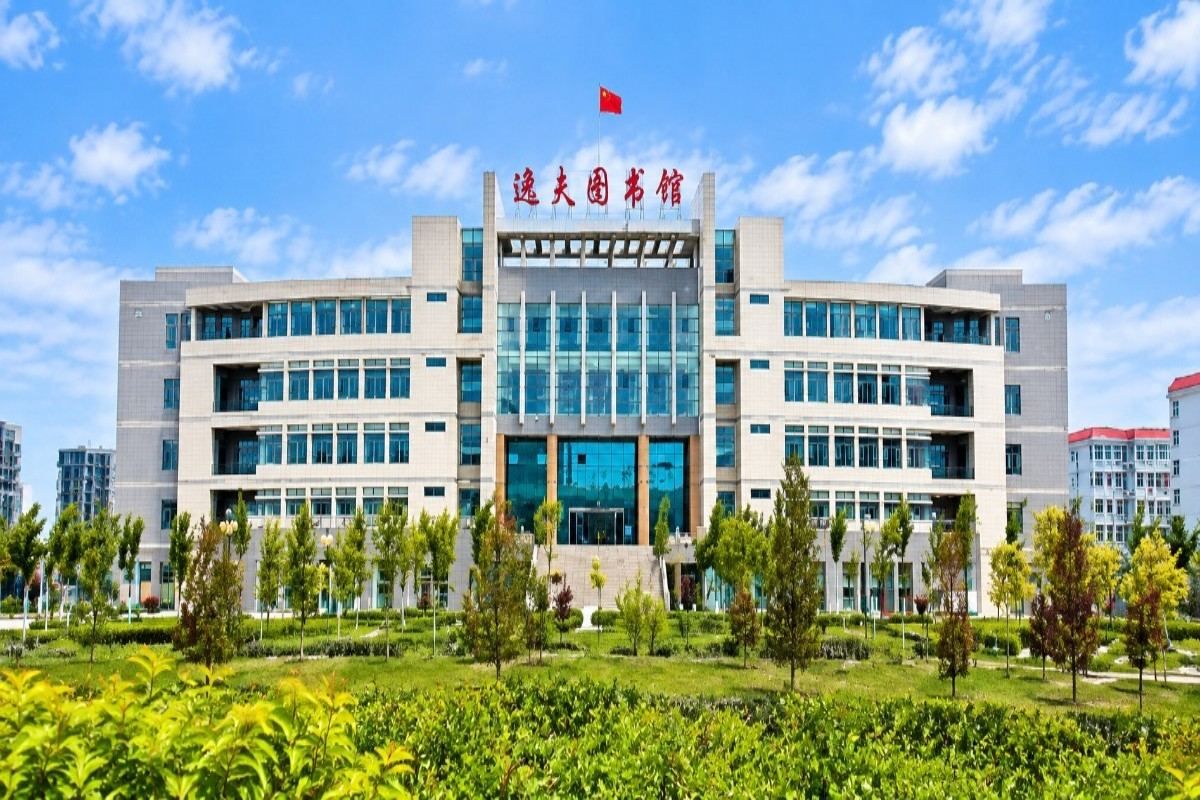
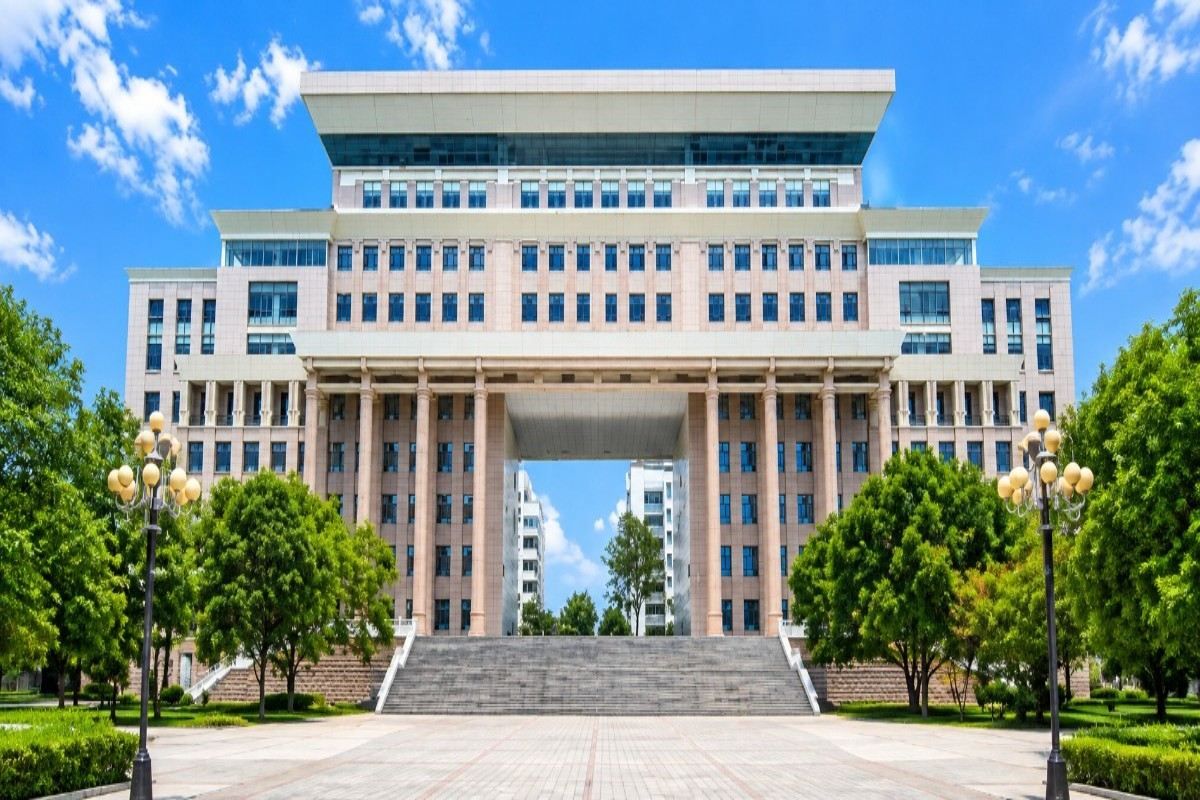
People mostly just call it HEBNU for short. Here is a fact most guides skip entirely, and it deserves careful, honest treatment. HEBNU was established in September 2003, formed by merging three separate provincial institutions, Zhangjiakou Medical College, Zhangjiakou Teachers College, and Zhangjiakou Agricultural College, with the formal approval of China's own Ministry of Education. This genuinely three-way merger, combining medical, teacher-training, and agricultural education under one institution, is a real, specific founding story rather than a simple, single-predecessor history.
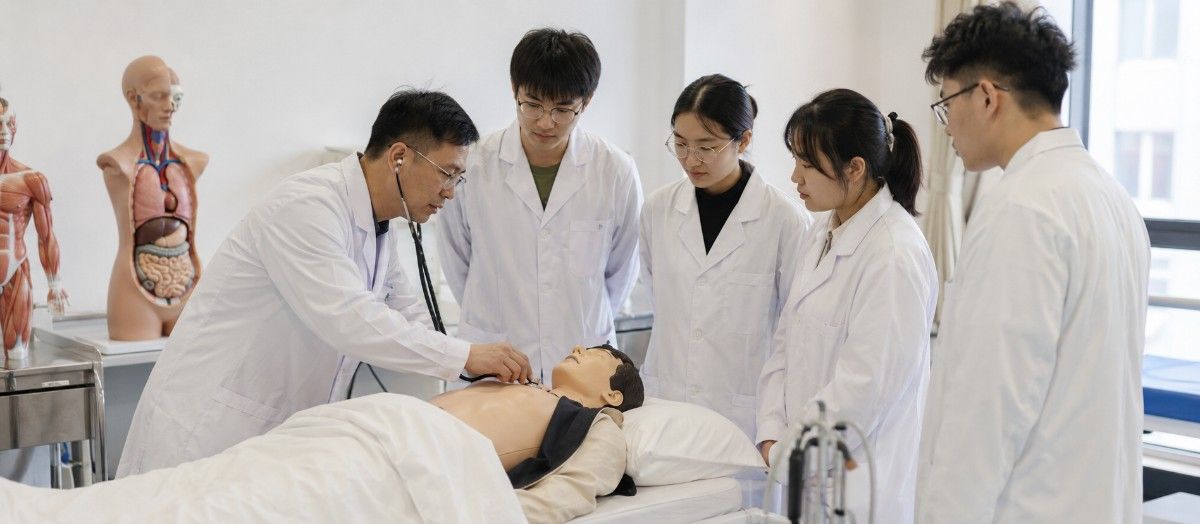
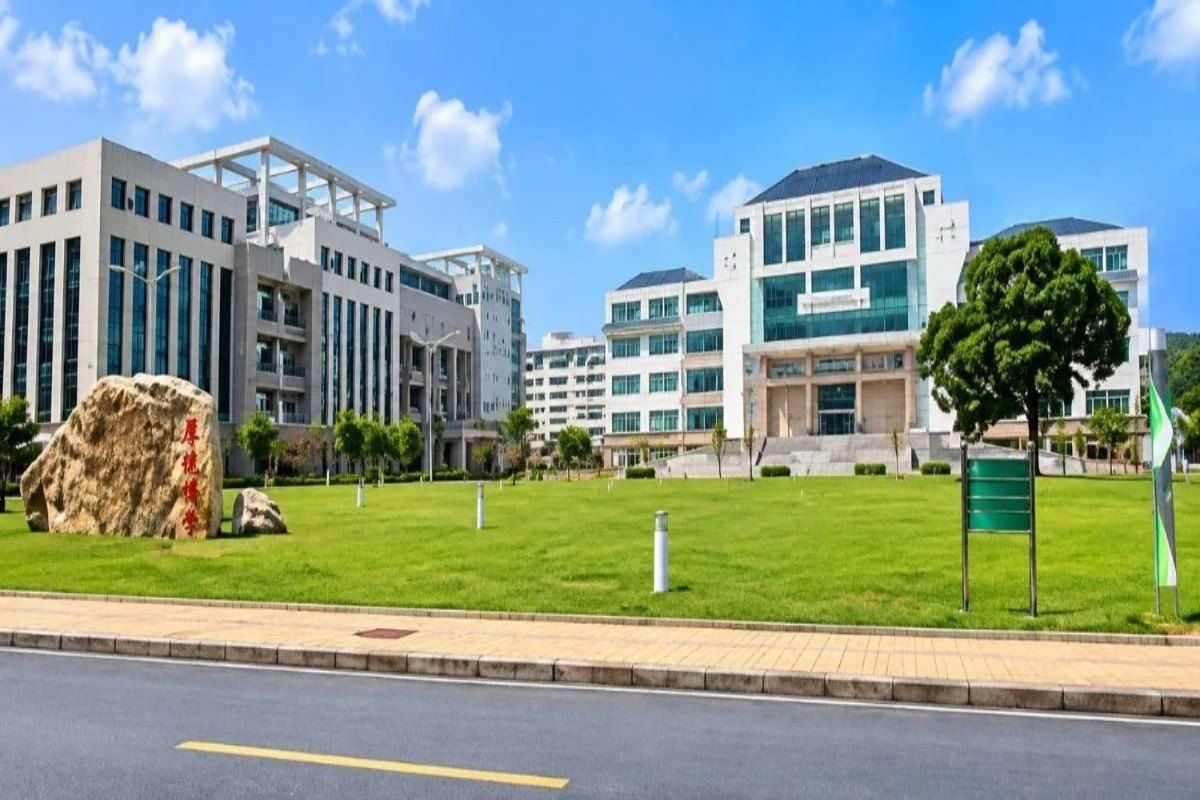
HEBNU operates across four specific campuses, West, East, South, and North, together covering a total area of approximately 1.0453 million square metres, with a building area of 476,000 square metres. The university is government-administered, offering both bachelor's and master's degrees across multiple faculties, including its own Faculty of Medicine, which specifically offers a Bachelor's degree in Clinical Medicine.
Here is genuinely well-corroborated, specific fee data worth knowing directly. HEBNU's own Clinical Medicine programme is reported at approximately RMB 21,500 a year, an all-inclusive figure covering both tuition and dormitory charges together, a genuinely specific, all-inclusive rate cited as the main reason the university attracts considerable numbers of international students.
HEBNU currently hosts more than 300 international students, drawn primarily from Pakistan, Indonesia, South Africa, Zambia, Zimbabwe, Tanzania, Nigeria, and Ghana, among other nations. The university maintains a genuinely broad set of international recognitions, including the World Health Organisation, WHO, WDOMS, Pakistan's own PM&DC, South Africa's HPCSA, ECFMG, WFME, and WCAME. Graduates are eligible to apply for a genuinely wide range of international medical licensing examinations, including USMLE, UKMLE/PLAB, GMC, and AMC, with Pakistani students specifically eligible to sit PM&DC's own NRE Licensing Examination.
A genuinely useful, specific detail worth knowing directly is that HEBNU's own on-campus facilities for international students include a dedicated Muslim canteen, alongside standard dormitory amenities, reflecting the university's own considerable Pakistani and African Muslim student population specifically.
NEET remains a genuine requirement for Indian applicants pursuing medical study in China generally, and Indian graduates would still need to clear the FMGE or NExT exam to practise medicine back in India, though applicants should confirm HEBNU's own current, specific international admission process directly, given the genuine naming confusion risk identified with the separate Hebei Medical University.
Zhangjiakou itself is a genuinely significant northern Chinese city, part of Hebei Province, notably co-hosting the 2022 Winter Olympics alongside Beijing, giving the wider region genuine, recent international visibility. This gives HEBNU's own students a genuinely different setting from studying medicine in one of China's larger, more southern or coastal cities, combining serious medical training with exposure to a considerably colder, more northern Chinese climate and culture.
Given the genuinely documented naming confusion between HEBNU and Hebei Medical University, prospective applicants should treat direct, written confirmation from HEBNU's own admissions office as a genuinely essential step here, more so than at almost any other Chinese institution covered in this whole series. This is not necessarily a reason to dismiss HEBNU outright, particularly given its own genuinely specific, well-corroborated fee figure and broad international recognition, but it is a real, practical consideration worth taking very seriously given how thoroughly its own information appears conflated with a separate, differently located university in at least one available source.
Fee figures here are genuinely specific and well-documented, directly confirmed from a detailed source covering HEBNU's own Clinical Medicine programme.
Cost Item | Amount | Notes |
Tuition + Dormitory (combined, specific figure) | Approx. RMB 21,500/year (approx. USD 3,200/year) | A genuinely specific, all-inclusive figure covering both tuition and dormitory together, per a detailed source specifically covering HEBNU |
Food/Meal Expenses (estimated, general China reference) | Approx. RMB 1,000-1,200/month (approx. USD 150/month) | Not separately itemised for HEBNU specifically; estimated from general reference figures reported at comparable Chinese medical universities |
Health Insurance (estimated) | Approx. USD 100-200/year | Not separately itemised for HEBNU specifically; a general estimate for international student health coverage in China |
Total 6-Year Estimate (tuition + dormitory, based on all-inclusive rate) | Approx. USD 19,200 | Estimate based on the reported RMB 21,500/year all-inclusive rate held stable across the 6-year programme |
Scholarships | Available for brilliant and skilled students; Chinese Government Scholarship also applicable | Full-fee-covering scholarships reportedly available for qualifying students; confirm current eligibility directly |
Donation/Capitation Fee | Not confirmed either way | Request confirmation directly with HEBNU |
Note: given the genuine naming confusion identified with the separate Hebei Medical University, request HEBNU's own current, official, itemised fee schedule directly, specifically confirming which institution the figures describe.
Why HEBNU Deserves a Harder Look, and a Considerably More Careful One
Most lists mention Hebei North University without addressing the genuine, documented risk of confusing it with the separate, considerably older Hebei Medical University. However, they do not explain this specific issue directly. The reason is simple. It is about a real naming overlap most guides skip entirely, one so significant that even professional consultancy sources have been found blending the two institutions' own names together.
HEBNU is not like most other Chinese medical institutions covered in comparable guides when it comes to the severity of naming confusion found across sources. In fact, at least one detailed source specifically uses the phrase "Hebei North Medical University" while describing content that actually belongs to the separate Hebei Medical University in Shijiazhuang. Furthermore, this represents a genuinely documented instance of source-level conflation, not merely a theoretical risk, meaning applicants researching HEBNU specifically must exercise real, sustained caution when consulting any single source.
The university's own genuinely three-way merger history also matters more than most guides let on. For example, most guides describing a Chinese university's founding present a single predecessor institution. HEBNU specifically formed through the 2003 merger of a medical college, a teachers' college, and an agricultural college. Moreover, this genuinely broader, three-way institutional consolidation reflects real, documented history, giving HEBNU's own Faculty of Medicine a specific institutional lineage distinct from single-purpose medical universities covered elsewhere in this whole series.
One thing most other blogs miss is how genuinely specific and well-corroborated HEBNU's own reported fee figure actually is. In addition to standard due diligence, the RMB 21,500 a year all-inclusive rate is specifically cited as the main reason international students choose HEBNU. Since this genuinely specific, itemised figure is considerably more concrete than the vaguer cost descriptions found at some comparable Chinese universities, applicants get a genuinely more reliable starting point here, provided they confirm it applies to HEBNU and not the separate Hebei Medical University.