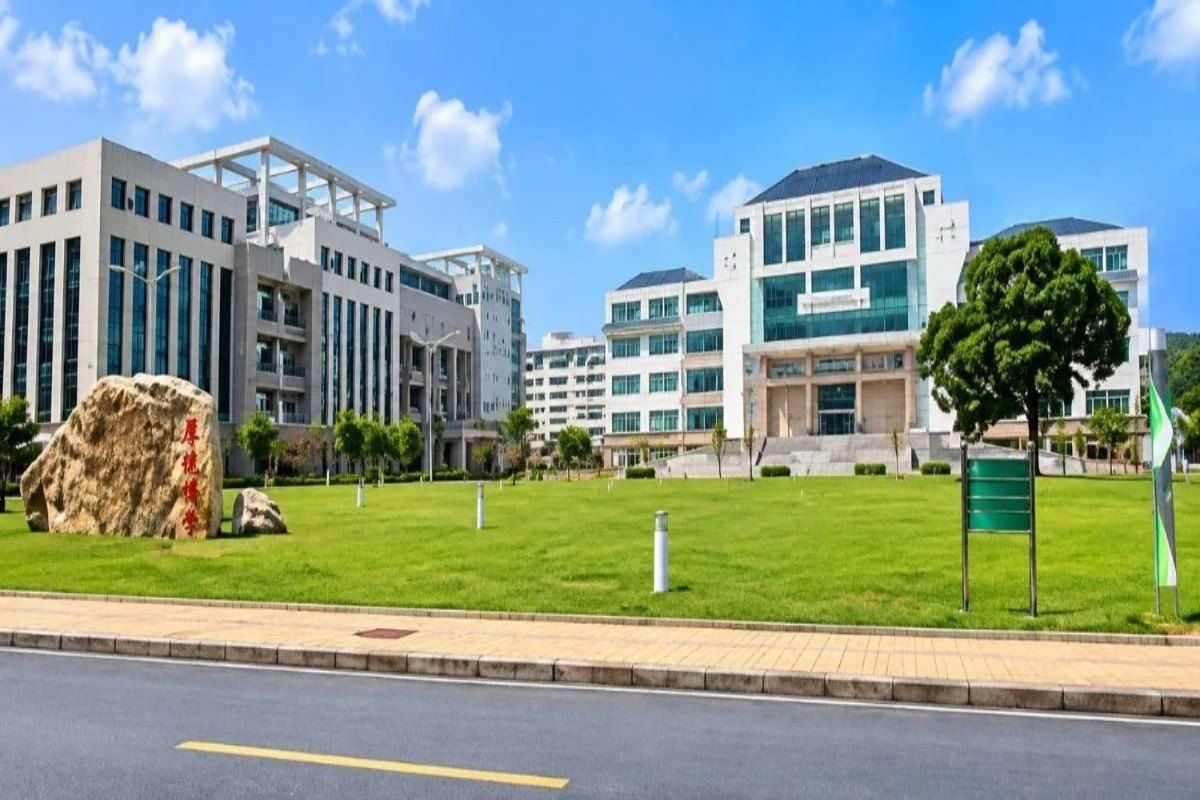
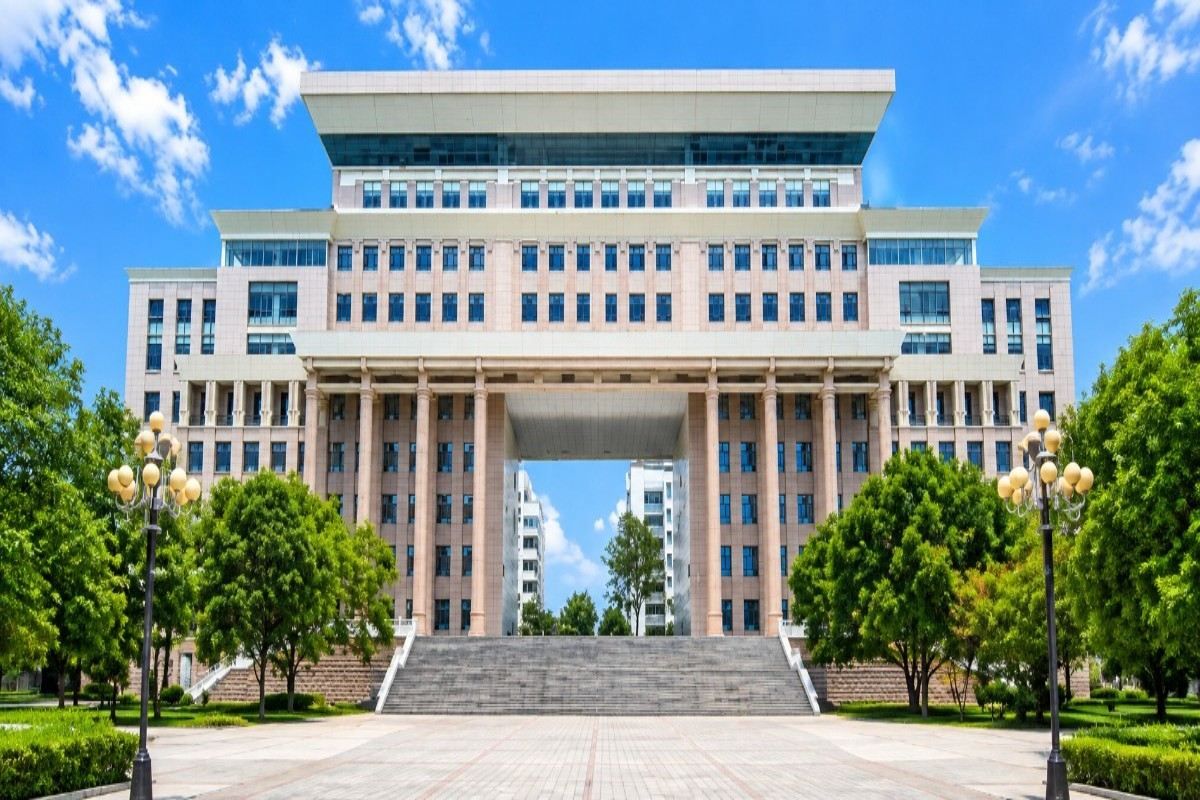
China Medical University (CMU) is one of China's oldest and most respected medical universities, recognised for its strong tradition in medical education, clinical training, biomedical research, and international student education. Located in Shenyang, the capital city of Liaoning Province, the university has played a significant role in the development of modern medical education in China for nearly a century. Today, it attracts students from across Asia, Africa, Europe, and the Middle East who seek internationally recognised medical qualifications and comprehensive clinical training.
Founded in 1931, China Medical University was originally established as the Chinese Workers' and Peasants' Red Army Military Medical School. It is regarded as the first medical school created by the Chinese Communist Party and has evolved into a major national medical university with a strong reputation for healthcare education, scientific research, and medical services.
The university offers a six-year Bachelor of Medicine and Bachelor of Surgery (MBBS) programme taught in English for international students. The curriculum combines basic medical sciences, clinical medicine, research training, communication skills, professional ethics, and evidence-based healthcare, ensuring graduates are prepared for global medical practice and postgraduate education.
During the early years, students study anatomy, physiology, biochemistry, histology, embryology, molecular biology, genetics, microbiology, immunology, pathology, pharmacology, behavioural sciences, epidemiology, preventive medicine, and medical ethics. These subjects provide the scientific foundation necessary for understanding disease processes and clinical medicine.
The educational approach integrates classroom teaching with anatomy dissections, laboratory practicals, simulation-based learning, case discussions, problem-based learning, and digital educational resources. Students are encouraged to develop analytical thinking, clinical reasoning, teamwork, and effective communication skills throughout the programme.
Clinical exposure begins progressively through communication workshops, physical examination training, simulation exercises, and supervised hospital observations. Students then advance to extensive clinical rotations in affiliated teaching hospitals.
China Medical University is affiliated with several major hospitals in Shenyang, including the First Hospital of China Medical University, Shengjing Hospital, and the Fourth Affiliated Hospital. These institutions are among the leading tertiary care centres in northeastern China and provide students with exposure to a wide variety of medical and surgical cases.
Clinical rotations cover internal medicine, general surgery, paediatrics, obstetrics and gynaecology, cardiology, neurology, psychiatry, orthopaedics, emergency medicine, anaesthesiology, ophthalmology, dermatology, radiology, oncology, nephrology, endocrinology, pulmonology, gastroenterology, infectious diseases, rehabilitation medicine, family medicine, and community healthcare.
Students participate in ward rounds, outpatient clinics, operating theatres, emergency departments, multidisciplinary meetings, and supervised patient management. This extensive practical training helps them integrate theoretical knowledge with real clinical experience.
The university's teaching hospitals are equipped with advanced diagnostic imaging systems, specialised surgical units, intensive care facilities, oncology centres, cardiovascular institutes, transplantation services, molecular diagnostic laboratories, and modern simulation centres, allowing students to train in a technologically advanced healthcare environment.
Research is a major strength of China Medical University. Faculty members conduct internationally recognised research in oncology, neuroscience, cardiovascular medicine, immunology, molecular biology, genetics, regenerative medicine, infectious diseases, public health, pharmaceutical sciences, precision medicine, digital healthcare, and biomedical innovation. Students are encouraged to participate in research projects, scientific conferences, publications, and laboratory work during their studies.
International collaboration is another important feature of the university. China Medical University maintains partnerships with universities, hospitals, and research institutions across Asia, Europe, North America, and other regions. Exchange programmes, collaborative research, international conferences, and academic partnerships provide students with valuable global exposure.
The curriculum also incorporates modern healthcare topics such as evidence-based medicine, digital health, artificial intelligence in medicine, healthcare management, patient safety, preventive medicine, and interdisciplinary teamwork, preparing graduates for contemporary healthcare systems.
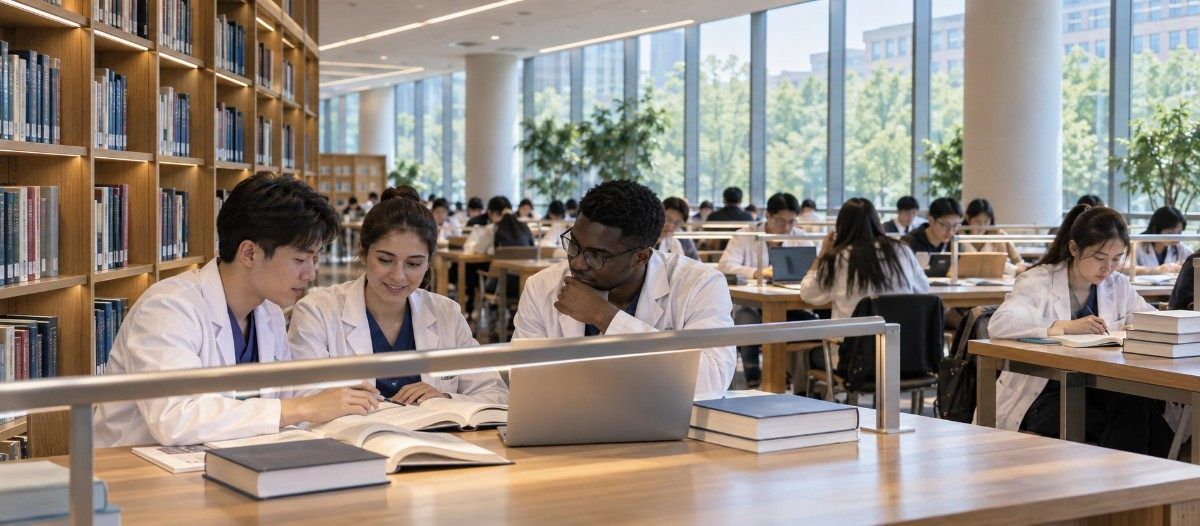
Student life at China Medical University is vibrant and multicultural. International students participate in medical societies, research clubs, sports activities, cultural events, volunteer programmes, and student organisations that contribute to both professional and personal development.
Shenyang offers an affordable and comfortable environment for international students, with modern infrastructure, efficient transportation, reputable hospitals, historical attractions, and a growing international academic community.
The university provides comprehensive support services including academic advising, international student offices, accommodation assistance, counselling, language support, digital libraries, career guidance, and wellbeing services.
Graduates of China Medical University pursue careers in clinical medicine, specialist residency programmes, postgraduate education, biomedical research, public health, healthcare administration, and international medical practice. Many continue their professional training in China, India, Europe, and other countries according to local licensing regulations.
Today, China Medical University remains one of China's most established medical institutions, combining historical tradition with modern medical education, advanced clinical training, scientific research, and international collaboration to prepare future healthcare professionals for global careers.