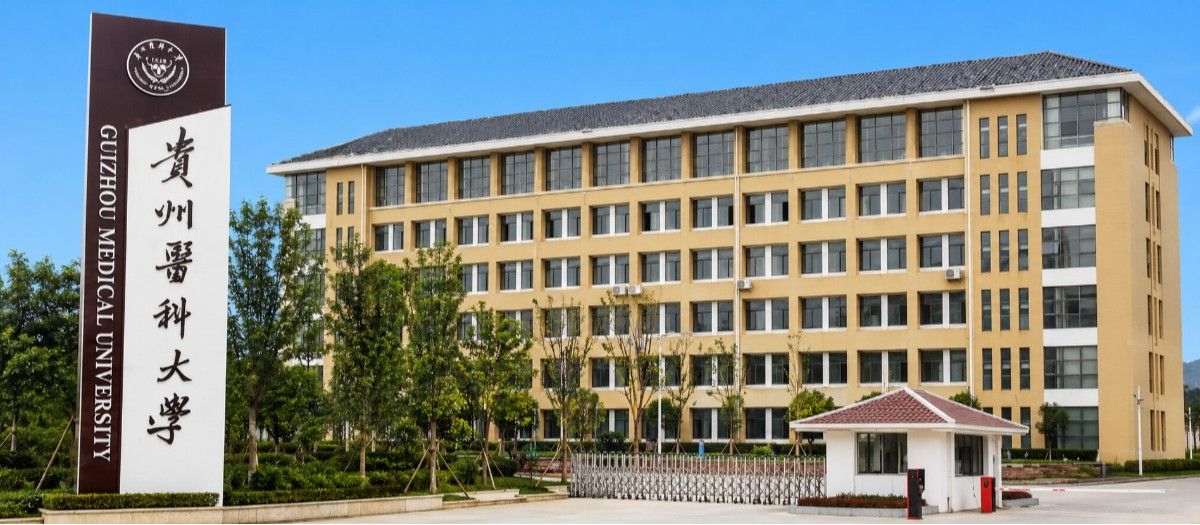
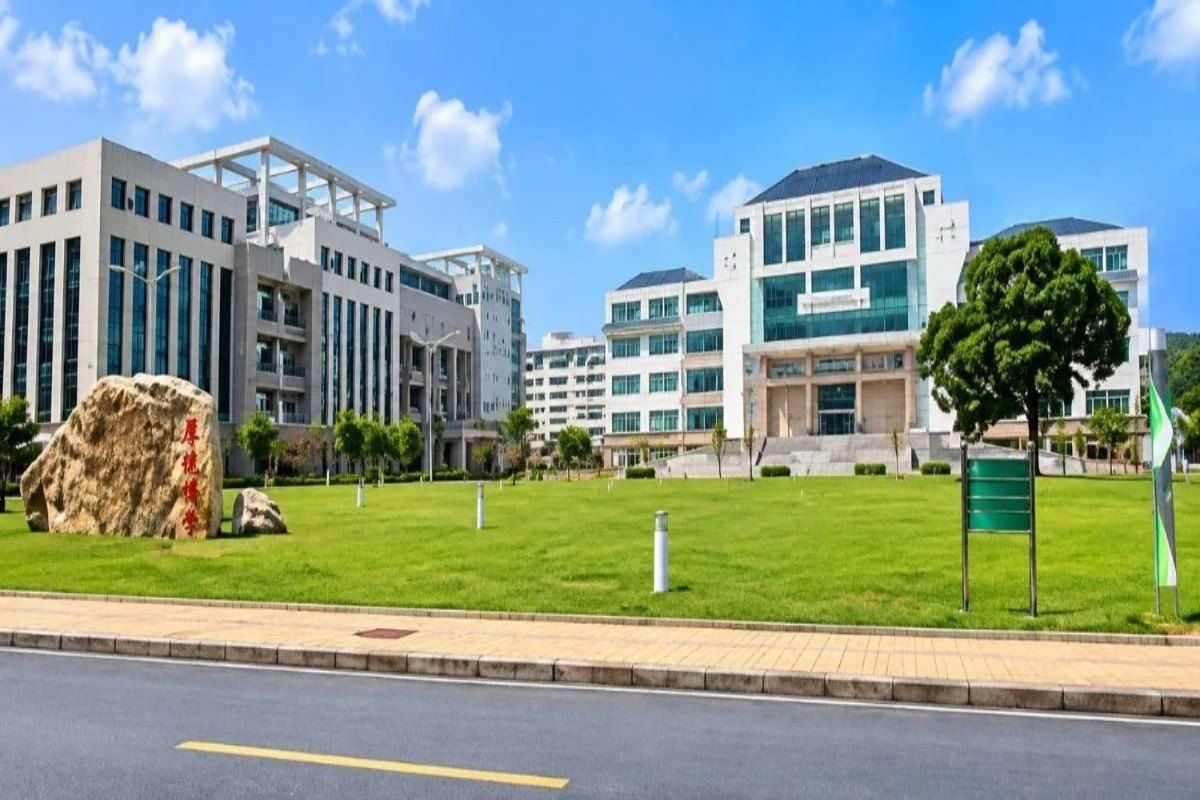
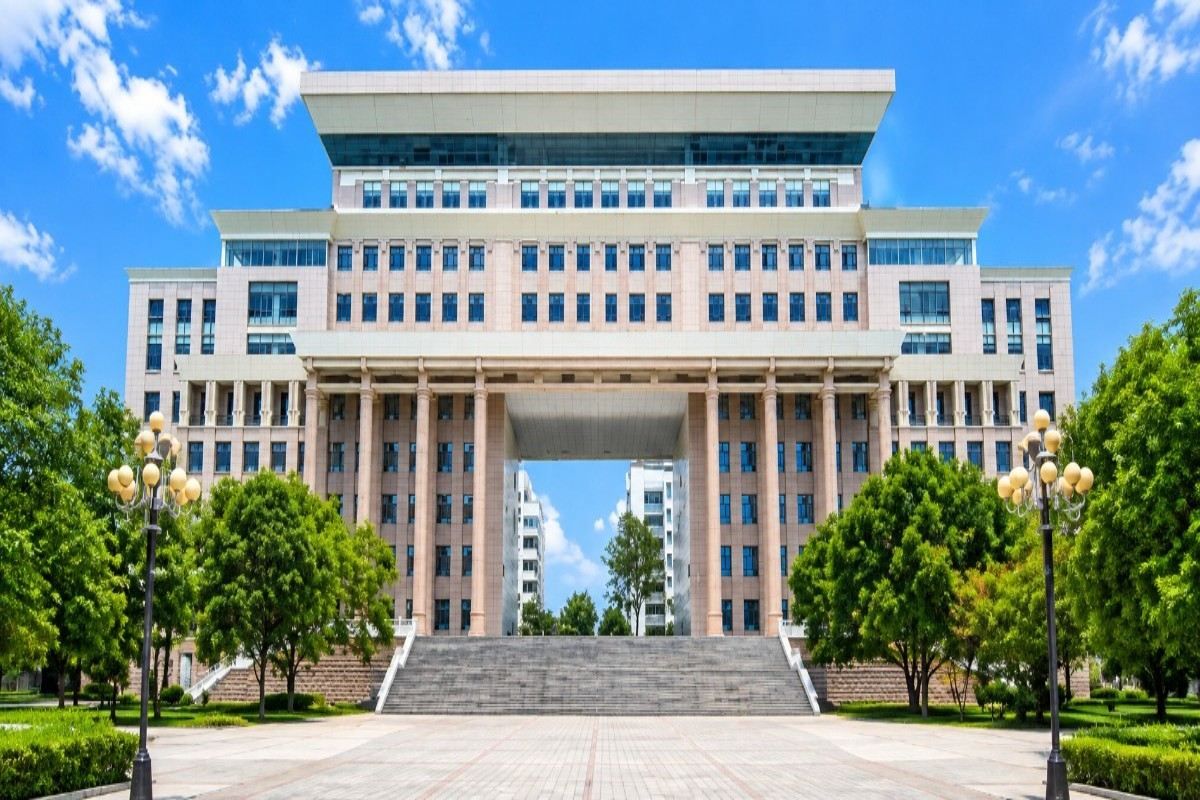
People mostly just call it GMU for short. Here is genuinely one of the most specifically, repeatedly dated naming histories covered in guides like this one. The university was founded in 1938 as the National Guiyang Medical University, or National Guiyang Medical College depending on the specific source, directly administered by China's own central government in Beijing, reflecting its own status as a "National" institution rather than a provincial one at that time.
In 2008, the university was officially renamed Guiyang Medical University, with administrative supervision specifically transferred from Beijing's central government to Guizhou's own provincial government, a real, dated shift in institutional governance. In June 2015, the university was renamed again, this time to its current title, Guizhou Medical University, meaning this institution has genuinely carried three distinct official names across its own history.
Here is genuinely current, specific, and directly sourced ranking data worth knowing in full. Per QS's own TopUniversities platform, GMU is ranked within the #1201-1300 band in the QS Asian University Rankings 2026, a real, specific, dated 2026 figure directly confirmed for this institution, interestingly sitting within the exact same ranking band as Guangxi University of Science and Technology, a separate institution covered elsewhere in comparable guides.
Here is a fact most guides skip entirely. GMU was among the first universities in China to be approved by the Ministry of Education to grant master's degrees, back in 1981, a genuinely early, specific national distinction. The university remains the only provincial medical postgraduate university within Guizhou province specifically. GMU currently comprises 21 teaching units and 37 undergraduate majors, holding 2 doctoral degree authorisation points for first-level disciplines, specifically in Basic Medicine and Public Health and Preventive Medicine, alongside a further doctoral authorisation point in Clinical Medicine, and 10 doctoral authorisation points for secondary disciplines.
GMU currently teaches more than 22,300 full-time students, including over 2,100 graduate students and more than 300 international students, having produced more than 58,500 full-time graduates across its own history, including over 7,300 graduate-level alumni. The university maintains a genuinely substantial research infrastructure, comprising 4 national-level scientific research platforms, 7 ministerial-level committees, 22 provincial-level platforms, and 21 provincial-ministerial innovation teams.
GMU offers courses spanning pharmacy, medical laboratory science, preventive medicine, nursing, and clinical medicine. The university's own School of Overseas Education, SOE, was established in 2014, specifically managing the recruitment and teaching of international students, including dedicated Chinese-language instruction developed through its own specific teaching model.
Guiyang itself, the capital of Guizhou Province, sits in south-west China on the eastern side of the Yunnan-Guizhou Plateau, described as a genuine transfer point connecting most major Chinese cities, alongside considerable ethnic-minority village communities across the wider province. The city carries the local nickname "Zhu," tied to its own historical association with dense bamboo groves and a traditional bamboo musical instrument.
NEET remains a genuine requirement for Indian applicants pursuing medical study in China generally, and Indian graduates would still need to clear the FMGE or NExT exam to practise medicine back in India, though this profile could not independently confirm this specific requirement for GMU's own current admission process given the genuinely limited detailed information available.
Fee figures here are reported with genuine specificity by at least one detailed source covering GMU's own Medicine programme directly.
Cost Item | Amount | Notes |
Tuition Fee (Bachelor's/Undergraduate, English Medium) | Approx. RMB 25,000/year (approx. USD 3,500/year) | Reported specifically for GMU's own Medicine programme, per a detailed source |
Tuition Fee (Master's/Postgraduate, English Medium) | Approx. RMB 35,000/year (approx. USD 4,900/year) | Reported specifically for GMU's own postgraduate Medicine programme |
Hostel Fee (specific figure) | Approx. RMB 6,000/year (approx. USD 840/year), double room | A specific, confirmed figure for on-campus hostel accommodation |
Food/Meal Expenses (specific figure) | Approx. USD 150/month | Genuinely confirmed for GMU specifically, per the same detailed source |
Initial Deposit | RMB 2,000 (approx. USD 150), non-refundable | Payable after issuance of the Admission Letter |
Health Insurance (estimated) | Approx. USD 100-200/year | Not separately itemised in the sources reviewed; a general estimate for international student health coverage in China |
Note: no capitation fee is confirmed at any stage. Given the genuine naming overlaps identified across this province's medical institutions, request GMU's own current, official, itemised fee schedule directly, specifically confirming which institution the figures describe.
Why GMU Deserves a Harder Look, and a More Careful One
Most lists mention Guizhou Medical University without addressing the real, significant naming overlaps found across this province's own medical education landscape, or questioning a specific, potentially incorrect presidential claim repeated across sources. However, they do not explain these specific issues directly. The reason is simple. It is about a real, multi-layered naming confusion most guides skip entirely, and a genuinely worthwhile caution around one specific, repeated claim.
GMU is not like most other Chinese medical universities covered in comparable guides when it comes to the sheer number of similarly named institutions sharing its own province. In fact, Guizhou is home to at least three genuinely distinct medical or TCM-focused universities, GMU itself, Guizhou University of Traditional Chinese Medicine, and Zunyi Medical University, with the first two even sharing an identical former name in their own respective Wikipedia records. Furthermore, this represents a genuinely unusual concentration of naming overlap, considerably more layered than at most other Chinese provinces covered in comparable guides.
The specific presidential claim also matters more than most guides let on. For example, most guides repeat a Wikipedia infobox's claims without question. This specific source lists Zhong Nanshan, a globally recognised figure, as GMU's own President, yet considerably stronger, more substantively documented evidence ties his real institutional affiliation to Guangzhou Medical University's own National Center for Respiratory Medicine instead. Moreover, given how easily "Guangzhou" and "Guizhou" are confused, this specific claim deserves genuine scepticism rather than confident repetition.
One thing most other blogs miss is GMU's own genuinely current, specific 2026 QS ranking. In addition to standard due diligence, GMU is confirmed at #1201-1300 in the QS Asian University Rankings 2026, a real, dated, verifiable figure rather than a vague or absent ranking claim. Since this genuinely modest position deserves honest, direct acknowledgement rather than omission, applicants get a considerably more complete, current picture of GMU's own global academic standing here.