
 Partner
📍Philippines, Quezon City
 Study destination: Philippines
MBBS in Philippines offers Indian students a chance to study medicine abroad, with doctor of medicine programs taught in English Medium at established medical colleges and with supervised clinical training.
The key issues for Indian students considering MBBS in Philippines for 2026-27 will be the cost of tuition, eligibility for NEET, the requirement to take the NMAT examination, the need to complete a pre-medical bachelor’s degree, the length of the MD course, opportunities for internships, and medical licensing.
The Philippines attracts international medical students through its English-medium education, established medical schools, hospital-based learning and opportunities to study in an international academic environment.
Students considering Study MBBS Abroad may explore the Philippines because of its medical curriculum, English-language instruction and clinical training opportunities.
The Philippines has a well-developed medical education system maintained by universities, specialist hospitals, medical colleges and healthcare institutions.
The medical curriculum in Philippines covers the basics of science, clinical medicine, lab sessions, hospital rotations and practical studies under the supervision of professional medical staff.
Medical colleges such as Davao Medical School Foundation, University of Santo Tomas, Our Lady of Fatima University and University of Perpetual Help System DALTA offer a program of medical education which is available through their college of medicine?
However, the standard of facilities, hospital connections and student exchange programs may differ from college to college
One of the major attractions of MBBS in Philippines for Indian students is the widespread use of English in medical education. English is used for lectures, medical textbooks, examinations, academic communication and clinical education at many medical institutions.Students should nevertheless verify that the complete qualifying medical programme is officially conducted in English.
Although English is widely spoken, Filipino and regional languages may be helpful when communicating with patients during clinical rotations.
The medical qualification obtained by studying in the Philippine medical universities is generally the Doctor of Medicine (MD). Unlike in India, where the Medical Graduate can be referred to as MBBS, the Philippine medical education requires a bachelor’s degree as a prerequisite for the MD programme.
The traditional four-year MD course with clerkship has been a standard for most medical schools. However, according to reports, some of the CHED-accredited medical universities offer direct MD courses for international students under the special 54-month programme.
Therefore, it is always recommended to clarify the exact duration of the desired study programme rather than relying on vague information such as the four-year MD course or the five-and-a-half year MBBS course.
Clinical education is an important part of medical education in Philippines.
Depending on the medical college and affiliated hospitals, students may participate in:
Hospital ward rounds
Patient history taking
Physical examinations
Clinical case discussions
Diagnostic investigations
Surgical observations
Emergency Medicine
Internal Medicine
Pediatrics
Obstetrics and Gynaecology
Community Medicine
The duration, availability and supervision of practical training depend on the medical college.
The Philippines takes care of medical students from all over the world, including India. Therefore, international students have a great opportunity to join medical conferences, attend clinical workshops, participate in research activities, engage in student organizations, and experience cultural exchange programs.
However, the MD degree from the Philippine universities does not entitle you to get an unrestricted license to practice in India or any country. You will still have to pass the licensing exams to practice your profession.
MBBS in Philippines fees differ significantly depending on a medical college, pre-medical qualification, internship, and accommodation.
It is noteworthy that some universities provide a cheaper option compared to many other countries, for those students who already have a bachelor's degree.
For others, that have to complete the pre-medical program, the overall expenses should be estimated considering the whole education package.
Therefore, it is a better choice to compare the full-time education rather than tuition fee for MD in Philippines.
The Philippines has public and private healthcare institutions offering clinical services, medical education and research.
Depending on the university, students may gain access to:
Teaching hospitals
Anatomy laboratories
Clinical laboratories
Simulation facilities
Diagnostic departments
Specialist medical units
Medical libraries
Research departments
Students should verify the clinical training facilities available specifically to international medical students.
There are several benefits of studying MBBS in Philippines, below we have listed the major ones:
English-medium medical education
Established Doctor of Medicine programmes
Medical colleges with affiliated hospitals
Supervised clinical training
International student communities
Research and academic opportunities
Modern medical teaching facilities
English-language textbooks and examinations
Clinical case-based learning
Access to student accommodation
Medical conferences and workshops
Opportunities for postgraduate medical education
Exposure to Southeast Asian healthcare systems
Students must also consider pre-medical bachelor's degree eligibility, NMAT requirements, the MD programme's qualifying duration, internship arrangements and NMC eligibility after MBBS in Philippines.
The Philippines is an archipelago country situated in Southeast Asia, in the western Pacific Ocean. Manila is the capital city within the country, whereas Metro Manila is the biggest metropolitan area in the Philippines.
The official languages are Filipino and English, and the official currency is the Philippine Peso (PHP). The most important cities for education in this country are:
Manila
Quezon City
Cebu City
Davao City
Dasmariñas
Las Piñas
Valenzuela
Cagayan de Oro
Iloilo City
Angeles City
Students planning MBBS admission in Philippines should compare universities based on academic requirements, tuition fees, accommodation, transportation and clinical facilities.
A Filipino culture is a blend of Southeast Asian cultural elements, historic influences, regional traditions, music, and festivals. Students have the chance to enjoy Christmas, New Year, local celebrations, and university cultural events.
Moreover, thanks to the popularity of the English language, communication will generally be understandable for many international students. However, note that local languages and traditions may vary depending on the region.
The Philippines has a tropical climate, which is characterized by high temperatures and humidity. In the Philippines, there are distinct wet and dry seasons, with tropical convection storms and occasional typhoons.
Students need to be prepared for heavy rainfalls, warm weather and occasional travel disruptions. Accommodation arrangements should also be assessed for safety, ventilation and access to essential services.
The Philippines offers traditional Filipino cuisine alongside international food options.
Indian students may find:
Rice
Bread
Noodles
Vegetables
Soups
Salads
Chicken dishes
Seafood
Vegetarian meals
Indian food
Self-cooked meals
Indian restaurants and grocery stores are generally more accessible in major cities.
Students following vegetarian diets should verify ingredients and kitchen availability.
Students studying medicine in the Philippines may find opportunities to participate in academic clubs, sports, research, cultural centers, and community service.
International student organizations can help students adjust to the new academic environment.
Being able to communicate in English is an advantage, although learning a few words of Filipino can be helpful when working in hospitals.
Particular | Details |
Course Name | Doctor of Medicine |
Common Search Term | MBBS in Philippines |
Official Medical Qualification | MD |
Education System | Generally graduate-entry |
Pre-Medical Requirement | Recognised bachelor's degree or qualifying approved pathway |
Traditional MD Duration | Commonly 5.5 Years(4.5 Years+1 Year Internship) |
Extended MD Pathways | Some institutions report 54-month programmes |
Foreign Internship | Separate 12-month requirement must be verified |
Medium of Instruction | Primarily English |
Clinical Languages | English, Filipino and regional languages |
Academic Eligibility | Recognised bachelor's degree for standard MD admission |
NEET | Relevant under applicable Indian regulations |
Entrance Examination | NMAT |
Medical Education Regulator | Commission on Higher Education (CHED) |
Medical Licensing Authority | Professional Regulation Commission (PRC) |
Philippine Licensing Examination | Physician Licensure Examination (PLE) |
Tuition Fees | Institution- and pathway-specific |
Indicative Living Expenses | PHP 15,000–30,000 monthly (₹22,500–₹45,000) |
Main Intake | University-specific |
Indian Registration | Subject to NMC requirements |
Student Visa | Philippine 9(f) student visa, where applicable |
Capital | Manila |
Currency | Philippine Peso (PHP) |
All INR conversions use an illustrative rate of PHP 1 = ₹1.50. Exchange rates and tuition payments may vary.
Students frequently ask, how many years is MBBS in Philippines? The answer depends on the student's previous education and the particular MD programme.
Philippine medical education generally follows a bachelor's-degree-plus-MD structure rather than direct entry from Class 12 into an Indian-style MBBS.
The customary route for MBBS at the Philippines incorporates a 4-year bachelor's degree, 4 years MD education, and one-year postgraduate internship making it about 9 years in total from the completion of Class 12.
But some of the CHED-recognised institutes provide 54-month (4.5-year) MD programmes followed by a separate 12-month (1-year) clinical internship, making the medical education and internship period 5.5 years, excluding the pre-medical degree. Indian students need to confirm if the MD programme, internship and local medical licensing eligibility abide by the NMC FMGL Regulations, 2021, to ensure their admission.
Students normally need a recognised bachelor's degree before entering a Philippine medical college.
Possible backgrounds include:
Biology
Medical Technology
Nursing
Pharmacy
Psychology
Biochemistry
Other recognised bachelor's degrees
The standard bachelor's degree typically lasts four years, although recognised accelerated or special pathways may have different structures.
Students should not assume that a short pre-medical course automatically satisfies the Philippine bachelor's degree requirement.
The initial MD years focus on fundamental medical education.
Common subjects include:
Human Anatomy
Physiology
Biochemistry
Histology
Embryology
Medical Genetics
Neuroscience
Medical Ethics
Introduction to Clinical Medicine
Students attend lectures, laboratory sessions and practical assessments.
Some institutions also introduce patient-centred learning and clinical case discussions.
During the next phase, students study disease processes, diagnosis and treatment.
Common subjects include:
Pathology
Pharmacology
Microbiology
Immunology
Internal Medicine
General Surgery
Pediatrics
Obstetrics and Gynaecology
Psychiatry
Community Medicine
Supervised clinical learning becomes increasingly important.
The last year of a standard four-year MD program is typically clinical clerkship. During this phase, students complete supervised hospital rotations in all core medical specialties. Clinical clerkship is a component of the medical education curriculum and should not be conflated with a stand-alone postgraduate internship experience.
Some medical institutions in the Philippines provide MD programmes for 54 months for international students. The Embassy of India in Manila published an advisory on 17 June 2026 regarding information provided by CHED on the mentioned medical programs.
However, it is mandatory for students to confirm the exact curriculum, academic calendar, study course length, and graduation requirements. The pre-medical bachelor's degree cannot be simply added to a short MD program to comply with the minimum medical education period in India.
The internship after MBBS in Philippines is particularly important for Indian students.
The Philippine pathway commonly involves a one-year postgraduate internship following the MD degree before taking the Physician Licensure Examination.
This is separate from the clinical clerkship completed during the MD programme.
Training Stage | Purpose |
MD Clinical Clerkship | Supervised clinical education during the degree |
Postgraduate Internship | Supervised practical training after the MD programme |
Physician Licensure Examination | Philippine licensing assessment |
Indian Internship | Additional training under applicable NMC rules |
Students should ensure the internship duration, hospital affiliation and eligibility meet the rules applicable to their intended medical registration.
Indian students need to ensure that their preferred medical college can provide at least 54 months of qualifying MD education, excluding the pre-medical bachelor’s degree, plus an additional 12-month internship, as mandated by the relevant NMC regulations.
A written confirmation of clinical training, internship eligibility, and local professional registration is mandatory for admission.
The medium of instruction for MBBS in Philippines is primarily English at many medical institutions.
Students considering English-medium MBBS in Philippines should confirm the language used in:
Classroom teaching
Laboratory instruction
Written examinations
Clinical assessments
Practical examinations
Final examinations
Official curriculum
English-medium education should be confirmed for the entire qualifying MD programme.
Although English is widely used in medicine, patients may prefer Filipino or another regional language.
Students may encounter local languages during hospital placements, particularly outside major cities.
Basic local-language knowledge can help with patient interviews and communication.
Graduates intending to practise medicine in the Philippines must satisfy the applicable professional and communication requirements.
English-medium education alone does not guarantee eligibility for local medical registration.
The main MBBS admission intake in Philippines varies depending on the universities. Some medical colleges start their academic year in around July or August while some may follow a different admission calendar. In addition to this, the pre-medical courses and MD programmes can have different application schedules.
Students considering MBBS in Philippines admission 2027 should check bachelor's degree eligibility, NMAT dates, admission deadlines and applicable international student procedures.
The total cost of MBBS in Philippines for Indian students depends on the university, pre-medical education, MD tuition, internship and accommodation.
MBBS in Philippines tuition fees vary considerably by medical university. For example, a published Davao Medical School Foundation (DMSF) fee schedule for 2026–27 lists MD tuition of approximately US$2,750 (₹2.61 lakh) per semester, equivalent to US$5,500 (₹5.22 lakh) annually, for specified academic years.
Students should confirm the official fee structure, including additional charges for extended MD education, clinical training, internship and other university expenses.
INR conversions are approximate, based on US$1 = ₹94.91, and may vary with exchange rates.
An approximate cost of living in the Philippines for an Indian student is around PHP 15000-30000 (₹22500-₹45000) per month. The actual cost depends on the city, where you are going to live, eat, pay for utilities, and travel. Metro Manila, for instance, may be more expensive than some other universities' cities.
Students should calculate the full educational pathway, including:
Recognised bachelor's degree
NMAT preparation and examination
MD tuition
Clinical education
Postgraduate internship
Hostel and food
Medical insurance
Visa and immigration services
Travel
Licensing-related expenses
Students should not assume that a quoted MD fee includes the necessary pre-medical education or postgraduate internship.
The MBBS in Philippines eligibility criteria for Indian students differ from those of countries offering direct-entry undergraduate medical degrees.
Medical colleges in the Philippines generally require a recognised bachelor's degree before admission to the Doctor of Medicine programme.
Indian applicants seeking standard MD admission generally need:
A recognised bachelor's degree
Relevant academic transcripts
A valid NMAT result
The minimum NMAT percentile required by the medical college
English-language proficiency where required
Applicable NEET qualification for Indian registration purposes
A valid passport
University-specific admission documents
Applicants entering a preparatory bachelor's programme after Class 12 must separately verify its admission and completion requirements.
Students searching for MBBS in Philippines after 12th should understand that completing Class 12 normally does not provide direct entry to a conventional Philippine MD programme.
A recognised bachelor's degree is generally required. Some medical institutions offer accelerated or integrated educational pathways, but students must confirm that the qualification meets CHED requirements.
Students should not assume that every one-year or 18-month pre-medical package provides a recognised bachelor's degree.
Students researching minimum percentage required for MBBS in Philippines should distinguish academic eligibility for a bachelor's degree from eligibility for the MD programme.
For medical school admission, universities consider undergraduate grades, NMAT performance and other selection requirements.
There is no single Class 12 percentage that guarantees admission to every Philippine medical college.
Indian students may need to submit secondary school or bachelor's degree records for academic evaluation.
Documents may require authentication, apostille or other prescribed verification.
Foreign applicants to Philippine medical colleges may also need a CHED Certificate of Eligibility for Admission to Medicine.
Students frequently ask, is NEET required for MBBS in Philippines? NEET is not the standard entrance examination used by Philippine medical colleges.
However, Indian students intending to return and practise medicine in India must satisfy the applicable NEET qualification requirements for MBBS abroad.
Students searching for NEET score required for MBBS in Philippines, NEET rank for Philippines MBBS and minimum NEET marks for MBBS abroad should understand that Philippine medical colleges do not generally select students according to Indian NEET ranks.
Admission depends on recognised undergraduate qualifications, NMAT performance, academic grades and medical college requirements.
A qualifying NEET score does not automatically guarantee MD admission.
Indian students should satisfy the age requirements applicable to NEET and future Indian medical registration. For the Indian NEET pathway, the minimum age is generally 17 years by 31 December of the relevant examination year. Philippine medical schools may impose additional conditions for international applicants.
Depending on the institution, applicants may need:
A completed bachelor's degree
Minimum NMAT percentile
Academic grade evaluation
Personal statement
Recommendation letters
Medical examination
Interview
English proficiency
Additional CHED documentation
Students should obtain the current admission checklist before applying.
Students searching for private medical universities in Philippines will find several established private colleges offering Doctor of Medicine programmes.
These include Davao Medical School Foundation, Our Lady of Fatima University, University of Santo Tomas, University of Perpetual Help System DALTA and De La Salle Medical and Health Sciences Institute.
Private medical colleges may apply different NMAT cutoffs, academic grade requirements and interview procedures.
However, admission is not guaranteed.
For financial planning, students may encounter MD tuition of approximately PHP 150,000–350,000 (₹2.25–₹5.25 lakh) annually at selected institutions, while some international programmes charge more. This is a broad budgeting range, not a verified fee quotation for every university.
Shared accommodation may cost approximately PHP 5,000–12,000 (₹7,500–₹18,000) monthly, excluding food where applicable.
Students should verify bachelor's degree eligibility, NMAT requirements, official tuition, internship entitlement and NMC compliance before admission.
The NMC rules for MBBS in Philippines require particular attention because the Philippines generally follows a graduate-entry medical education system.
The Foreign Medical Graduate Licentiate Regulations, 2021, specify requirements relating to qualifying medical education, English-medium instruction, internship and local licensing eligibility.
Requirement | Important Consideration |
Medical Education | Minimum 54 months |
Foreign Internship | Minimum 12 months |
Teaching Language | English |
Curriculum | Required medical subjects |
Clinical Training | Appropriate supervised education |
Local Licensing | Eligibility for professional registration in the awarding country |
Indian Examination | FMGE or prescribed licensing examination |
Indian Internship | Supervised internship under applicable regulations |
Registration | Competent Indian medical authority |
Under the FMGL framework, a foreign medical graduate must complete at least 54 months of qualifying medical education.
For the Philippines, the pre-medical bachelor's degree cannot automatically be counted toward this minimum.
A four-year MD programme should therefore not be treated as equivalent to a 54-month MD programme without official evidence.
The NMC issued a public notice dated 25 March 2022 clarifying that the Philippine BS and MD programmes are separate qualifications.
The BS course cannot simply be combined with the MD course to establish equivalence with the Indian MBBS qualification.
This makes accurate identification of the MD programme's duration particularly important.
In its advisory dated 17 June 2026, the Embassy of India in Manila reported information received from CHED regarding MD programmes at certain recognised institutions.
CHED described pathways involving:
54 months of MD education excluding the pre-medical BS programme
Required medical subjects
English-medium instruction
12 months of internship
A certificate concerning eligibility for professional registration
However, the advisory also identified an unresolved issue involving the Philippine medical licensing examination for foreign graduates.
Students must therefore assess the complete qualification and licensing pathway rather than treating the CHED statement as automatic NMC approval.
Philippine medical colleges commonly teach in English.
However, Indian students should obtain written confirmation that the complete qualifying programme, including required examinations and clinical education, meets the NMC English-medium requirement.
The FMGL framework generally requires at least 12 months of qualifying foreign internship.
Students must verify whether the internship is available to international graduates, where it takes place and whether the prescribed documentation will be issued.
Students should confirm teaching hospital affiliations, supervised rotations, practical education and the required medical subjects.
A college's hospital affiliation alone does not establish compliance with every applicable Indian regulation.
This is a particularly important issue for Indian students in the Philippines.
The Philippine Physician Licensure Examination (PLE) is used for professional registration.
Foreign graduates may face reciprocity requirements under Philippine law.
The Embassy of India reported in June 2026 that clarification from competent Indian authorities regarding the required reciprocity was still awaited.
Students should obtain authoritative written confirmation about their eligibility to pursue Philippine registration before admission.
Eligible foreign medical graduates may need to complete supervised internship in India under the applicable regulations.
The foreign internship and Indian internship are separate requirements.
Students researching NMC New Registration Rules, NMC Gazette 2021, FMGL Regulations 2021 and FMGE eligibility after MBBS in Philippines should verify the complete academic, internship and professional registration pathway.
No consultancy advertisement or directory listing should be treated as proof of automatic registration eligibility.
Students researching a medical licence after MBBS in Philippines should understand that obtaining an MD qualification and receiving permission to practise independently are separate stages.
The Philippine medical system uses the Physician Licensure Examination (PLE), administered through the Professional Regulation Commission.
Students completing an approved Doctor of Medicine programme receive the qualification specified by their institution.
The degree is normally awarded after completion of the prescribed academic subjects, examinations and clinical clerkship.
However, medical graduation alone does not automatically grant a professional licence.
The Philippines generally requires a one-year postgraduate internship as part of the pathway toward the Physician Licensure Examination.
Clinical training may involve:
Internal Medicine
General Surgery
Pediatrics
Obstetrics and Gynaecology
Community Medicine
Emergency Medicine
Psychiatry
Other required specialties
Students should confirm eligibility for internship placements, accreditation status and completion certificates.
The Physician Licensure Examination in Philippines is a professional examination for medical graduates seeking registration.
Applicants generally need an eligible MD qualification and the required postgraduate internship.
The Professional Regulation Commission administers the relevant examination and professional registration process.
The Philippines applies additional conditions to foreign nationals seeking professional licensure.
Reciprocity requirements are particularly important.
Students should verify whether Indian graduates can meet these conditions before assuming that passing the MD programme and internship will establish Philippine licensing eligibility.
Indian medical graduates may explore professional opportunities in the Philippines if they satisfy the applicable degree, internship, examination, reciprocity, immigration and registration requirements.
However, foreign nationality can affect access to the licensing examination.
Students should not assume that an English-medium MD degree guarantees professional practice rights.
No.
Philippine professional registration and Indian foreign medical graduate registration are separate systems.
Students intending to practise medicine in India must satisfy the applicable NMC requirements.
Students searching for NMC recognised medical universities in Philippines, WHO recognised medical colleges in Philippines and WDOMS listed medical universities in Philippines should distinguish educational recognition from medical licensing eligibility.
Students should verify that their medical college is authorised to offer its MD programme under the appropriate Philippine higher education framework.
The Commission on Higher Education (CHED) plays an important role in regulating higher education. Applicants should confirm the exact institution, authorised campus, MD programme and international student admission arrangements.
The World Directory of Medical Schools (WDOMS) provides information about medical education institutions.
Students may check whether their preferred medical college appears in the directory.
However, WDOMS listing does not automatically establish eligibility for Indian medical registration.
Students often search for WHO approved medical universities in Philippines.
The World Health Organization does not issue blanket university approvals guaranteeing medical practice rights in India.
International directory listings should not replace official regulatory verification.
A CHED-recognised medical institution may offer an academically valid Philippine MD qualification.
However, this does not automatically establish eligibility for Indian medical registration. Indian students must independently verify programme duration, English-medium education, internship and local medical licensing entitlement.
Students must check the complete MD programme, including:
Medical education duration
Bachelor's degree prerequisites
English-medium instruction
Required medical subjects
Clinical training
Separate foreign internship
Local licensing entitlement
Indian screening or licensing examination
Internship in India
Students researching the top 10 medical colleges in Philippines, best medical universities in Philippines for Indian students and English-medium medical colleges in Philippines may consider the following established institutions.
Medical Institution | Location | Institution Type |
University of the Philippines College of Medicine | Manila | Public |
University of Santo Tomas Faculty of Medicine and Surgery | Manila | Private |
Davao Medical School Foundation | Davao City | Private |
Our Lady of Fatima University – College of Medicine | Valenzuela / applicable campus | Private |
University of Perpetual Help System DALTA – College of Medicine | Las Piñas | Private |
De La Salle Medical and Health Sciences Institute | Dasmariñas | Private |
Cebu Institute of Medicine | Cebu City | Private |
Xavier University Dr. Jose P. Rizal School of Medicine | Cagayan de Oro | Private |
University of the East Ramon Magsaysay Memorial Medical Center | Quezon City | Private |
UV Gullas College of Medicine | Cebu | Private |
These institutions are listed for comparison, not as an official ranking. Admission requirements, degree duration, tuition and international student eligibility must be confirmed individually.
The University of the Philippines College of Medicine is an established public medical institution in Manila.
It offers medical education through its academic departments and associated clinical institutions.
The college's regular Medicine Proper admission pathway requires a recognised bachelor's degree and an NMAT percentile rank of at least 90.
Admission is competitive, and international applicant conditions must be verified.
The University of Santo Tomas (UST) is a long-established private university in Manila.
Its Faculty of Medicine and Surgery offers the Doctor of Medicine programme through a graduate-entry medical education system.
Students should verify bachelor's degree eligibility, NMAT requirements, tuition, clinical training and international student admission conditions.
The university's teaching hospital environment supports clinical education.
Davao Medical School Foundation (DMSF) is a private medical education institution in Davao City.
The college offers the Doctor of Medicine programme and clinical training through associated healthcare facilities.
Its international admission requirements include academic records, NMAT results, recommendation letters and other prescribed documents.
Students should verify the exact MD duration, separate internship arrangements, tuition and Philippine licensing eligibility.
Our Lady of Fatima University (OLFU) offers medical education through its College of Medicine.
The institution provides a Doctor of Medicine programme combining basic medical sciences and clinical education.
International students should confirm the authorised medical teaching campus, admission requirements, NMAT eligibility, tuition and hospital training.
University of Perpetual Help System DALTA offers medical education through its College of Medicine.
The institution provides the Doctor of Medicine programme with academic instruction and practical clinical learning.
Students should check the applicable campus, programme duration, tuition structure, international admission eligibility and internship arrangements.
De La Salle Medical and Health Sciences Institute (DLSMHSI) is a private medical and health sciences institution in Dasmariñas, Cavite.
It offers medical education supported by academic facilities and associated hospital training.
Applicants should verify undergraduate degree eligibility, NMAT requirements, tuition and clinical rotation arrangements.
Cebu Institute of Medicine (CIM) is an established medical institution in Cebu City.
Its Doctor of Medicine programme includes foundational medical sciences and clinical education.
Applicants should confirm NMAT requirements, academic selection criteria and international student eligibility.
Xavier University Dr. Jose P. Rizal School of Medicine is located in Cagayan de Oro.
It offers graduate-entry medical education with academic and hospital-based training.
International students should verify the applicable NMAT threshold, tuition and admission documentation.
University of the East Ramon Magsaysay Memorial Medical Center (UERMMMCI) offers medical education in Quezon City.
The institution provides an MD programme supported by medical academic departments and associated healthcare facilities. Applicants should check its NMAT requirements, academic standards, tuition and current international student procedures.
UV Gullas College of Medicine is a medical institution in Cebu associated with the University of the Visayas educational system.
Students exploring MBBS in UV Gullas College of Medicine should verify the current authorised MD programme, academic prerequisites, tuition, clinical clerkship and postgraduate internship.
Claims about guaranteed FMGE performance or automatic NMC eligibility should not be accepted without verifiable evidence.
Students searching for government medical colleges in Philippines or affordable public medical universities in Philippines should understand that public medical institutions may have highly competitive admission requirements. The University of the Philippines College of Medicine is an important public option.
However, international student eligibility, tuition arrangements and admission requirements must be confirmed individually.
Students should compare:
Institutional recognition
Bachelor's degree eligibility
NMAT requirements
MD programme duration
Tuition fees
Clinical training
Foreign internship availability
Philippine licensing requirements
NMC regulations
Private medical colleges form an important part of the Philippine medical education sector.
Popular institutions include DMSF, OLFU, UST, DLSMHSI, UV Gullas and University of Perpetual Help. Students should assess the actual university awarding the degree rather than relying only on the name of a medical admission package.
The MBBS in Philippines for Indian students fee structure depends on the chosen institution, degree pathway, medical programme duration, internship and living expenses.
Students should distinguish the cost of the pre-medical bachelor's programme from MD tuition.
Tuition varies between medical colleges. A published 2025–26 DMSF-related fee schedule listed MD tuition of approximately US$4,300 per semester during the first year and US$2,750 per semester during specified later years.
A separate 2026–27 recruitment fee schedule lists approximately US$2,750 per semester for specified MD academic years. Because these published schedules differ, students should obtain an official institution-issued fee confirmation before making payment.
Medical Institution | Tuition Information |
Davao Medical School Foundation | Published packages differ by academic year and admission arrangement |
UV Gullas College of Medicine | Current official MD and internship fee quotation required |
Our Lady of Fatima University | Campus- and academic-year-specific fees |
University of Perpetual Help System DALTA | Current university tuition confirmation required |
University of Santo Tomas | Institution-specific tuition and admission fees |
De La Salle Medical and Health Sciences Institute | Current MD tuition schedule required |
Cebu Institute of Medicine | Programme-specific tuition |
Xavier University School of Medicine | Current tuition and international category confirmation |
University of the East Ramon Magsaysay Memorial Medical Center | University-specific tuition |
University of the Philippines College of Medicine | Applicant-category-specific tuition |
Fees should not be inferred solely from old agent packages or advertised total costs.
The pre-medical course fees in Philippines depend on whether a student completes a recognised bachelor's degree, a formally approved accelerated programme or another qualifying pathway. For example, one published 2026–27 DMSF-related package quotes approximately ₹10.40 lakh for its advertised pre-medical arrangement and associated services.
However, the student must establish what qualification is awarded, how long the programme lasts and whether it meets Philippine MD admission requirements. A marketed pre-medical programme should not automatically be regarded as an accepted bachelor's degree.
Hostel expenses for Indian students studying MBBS in Philippines may be approximately PHP 5,000–12,000 (₹7,500–₹18,000) monthly for shared accommodation. Costs vary by city, room sharing, air conditioning, utilities and facilities. Some institutions or accommodation providers offer combined hostel and food packages.
Food expenses for Indian medical students in Philippines may be approximately PHP 5,000–9,000 (₹7,500–₹13,500) monthly, depending on dietary preferences and lifestyle.
However, students can reduce expenses through groceries, self-cooking and budget meal options.
International medical students should obtain health insurance meeting university and immigration requirements. A planning allowance of PHP 5,000–15,000 (₹7,500–₹22,500) annually may be considered, but actual premiums vary by insurer, eligibility and coverage.
Students may need to budget for:
University application fees
NMAT examination fees
CHED eligibility documentation
Academic verification
Document authentication
Visa fees
Immigration registration
Medical examinations
Health insurance
Academic supplies
Clinical training charges
Internship-related fees
Students should request an itemised fee schedule before paying any admission package.
The total cost of MBBS in Philippines is highly dependent on the student's academic starting point.
For a student who already holds a recognised bachelor's degree, the main costs involve the MD programme, internship, accommodation and living expenses.
For a student entering after Class 12, the required pre-medical degree or qualifying pathway creates additional expenses.
A practical budgeting range sometimes advertised for complete Indian student packages is approximately ₹28–45 lakh, but such estimates may omit a recognised full bachelor's degree, additional MD months, postgraduate internship or living expenses.
Therefore, this amount should not be treated as a guaranteed total for an NMC-compliant medical qualification.
For financial planning, assume an MD pathway with tuition of PHP 150,000–350,000 annually and living expenses of PHP 15,000–30,000 monthly.
Expense | Illustrative Amount |
MD Tuition per Year | PHP 150,000–350,000 (₹2.25–₹5.25 lakh) |
Living Expenses per Month | PHP 15,000–30,000 (₹22,500–₹45,000) |
Living Expenses per Year | PHP 180,000–360,000 (₹2.70–₹5.40 lakh) |
MD Tuition Over Five Years | PHP 750,000–1,750,000 (₹11.25–₹26.25 lakh) |
Living Expenses Over Five Years | PHP 900,000–1,800,000 (₹13.50–₹27 lakh) |
Combined Five-Year Illustration | PHP 1,650,000–3,550,000 (₹24.75–₹53.25 lakh) |
This calculation is illustrative, not a published five-year tuition quotation or an NMC compliance statement. It excludes any prerequisite bachelor's degree, separately charged internship, future fee changes and additional expenses.
Students searching for low-cost MBBS in Philippines, cheapest medical colleges in Philippines and affordable MBBS abroad for Indian students should calculate the full educational pathway.
A college with lower MD tuition may still involve substantial spending on bachelor's education, accommodation or internship. Recognition, MD duration, clinical training and licensing eligibility should remain important selection criteria.
Accommodation for international students depends on the university and city.
Students may choose:
University hostels
Student residences
Shared apartments
Private rented rooms
Independent accommodation
Accommodation packages with meals
Accommodation may include furnished rooms, internet, air conditioning, shared kitchens, laundry services and security arrangements. Students should check electricity charges, water bills, deposits and transportation to teaching hospitals.
Shared accommodation may cost approximately PHP 5,000–12,000 (₹7,500–₹18,000) monthly. Private apartments or accommodation in central Metro Manila may cost more.
Indian students can choose from the cafeteria, private messes, restaurants, and shared kitchens. The most popular food items are rice, vegetables, noodles, chicken, salads, soups, and Filipino dishes. Indian meals are also offered in some private messes.It is essential to clarify whether the hostel package includes all meals or not.
The cost of living in Philippines for Indian students depends on location, accommodation and lifestyle.
Expense | Approximate Monthly Cost |
Shared Accommodation | PHP 5,000–12,000 (₹7,500–₹18,000) |
Food | PHP 5,000–9,000 (₹7,500–₹13,500) |
Local Transportation | PHP 1,000–3,000 (₹1,500–₹4,500) |
Mobile and Internet | PHP 500–1,500 (₹750–₹2,250) |
Personal Expenses | PHP 2,000–5,000 (₹3,000–₹7,500) |
Students should budget approximately PHP 15,000–30,000 (₹22,500–₹45,000) monthly for general living expenses.
Expenses may exceed this range in Metro Manila or with private accommodation.
Annual living expenses in Philippines may be approximately PHP 180,000–360,000 (₹2.70–₹5.40 lakh).
Scholarships for MBBS in Philippines may be available through medical schools, institutional assistance programmes or other funding arrangements.
Eligibility may depend on:
Academic performance
Undergraduate grades
NMAT percentile
Financial circumstances
Nationality
Available funding
University policies
Students should confirm whether a scholarship is available to foreign MD students.
Fully funded medical education scholarships for international students may be limited.
Students should obtain written confirmation of the scholarship amount, renewal conditions and duration.
Indian students planning MBBS in the Philippines may travel from Delhi, Mumbai, Bengaluru, Hyderabad, Chennai or Kolkata. Popular arrival airports include Manila, Cebu and Davao. Flight routes may include connecting services depending on the departure city.
Students may budget approximately PHP 12,000–30,000 (₹18,000–₹45,000) for a one-way economy flight from India to the Philippines.
Actual airfare depends on booking date, airline, departure city, connections and baggage allowances.
Students may use buses, jeepneys, taxis, ride-hailing services, ferries and domestic flights. Students attending universities outside Manila should also budget for onward travel.
Indian students studying for the MBBS degree in the Philippines require a 9(f) student visa to pursue their studies. The fees for the student visa at the Philippine embassy in New Delhi are INR 24,000 according to 2026.
The students might also have to pay additional costs such as document apostille, medical tests, immigration registration, and Alien Certificate of Registration (ACR I-card). Additionally, the students who apply for a visa conversion upon their arrival in the Philippines will be responsible for paying additional immigration charges. The students must thus calculate and inquire about the entire cost of the visa and processing fees before they consider admission.
Applicants may need:
Valid passport
University admission confirmation
Academic certificates
Personal History Statement
Financial support documents
Medical certificate
Passport photographs
CHED eligibility documentation where required
Visa application
Additional immigration documents
Foreign students seeking admission to Philippine medical schools may need a Certificate of Eligibility for Admission to Medicine (CEM) issued through CHED procedures.
Required records can include undergraduate transcripts, degree certificates, NMAT results and the medical college's acceptance documentation.
The CHED administrative schedule lists a PHP 500 (₹750) processing fee for this particular certification service, separate from other admission and immigration charges.
The Philippines student visa fee depends on the applicant's nationality, processing arrangements and the fees applicable at the time of application.
Students should confirm the current official 9(f) visa fee rather than relying on tourist visa quotations.
Additional expenses may include document authentication, medical examinations, immigration registration and visa-related services.
International students must maintain valid immigration status during their academic programme.
The university may assist with visa processing, registration and permitted extensions. Students remain responsible for complying with Philippine immigration rules.
Graduates seeking postgraduate internship, clinical training or employment must verify whether their immigration status permits the activity. A student visa does not automatically authorise independent medical practice.
The Philippines offers urban buses, jeepneys, rail transit in parts of Metro Manila, ferries, domestic flights and taxi services. Transportation options vary considerably between cities and islands. Students should assess commuting time between accommodation, campus and teaching hospitals.
Manila is the capital and an important educational centre.
It is home to the University of the Philippines College of Medicine and University of Santo Tomas.
The city provides hospitals, public transport and academic facilities, although accommodation costs can be high.
Quezon City forms part of Metro Manila and has universities, medical institutions and healthcare facilities.
Students should compare campus locations, transportation and housing expenses.
Cebu City is an important education and healthcare centre in the Visayas region.
It is associated with Cebu Institute of Medicine and medical education options including UV Gullas.
Students should confirm university location and clinical training arrangements.
Davao City is located on Mindanao and is home to Davao Medical School Foundation.
The city has healthcare institutions, educational facilities and international student communities.
Dasmariñas is located in Cavite and is associated with De La Salle Medical and Health Sciences Institute.
Students should assess accommodation, transportation and hospital placements.
Las Piñas is part of Metro Manila and is home to University of Perpetual Help System DALTA.
Students should verify the medical campus and accommodation arrangements.
Cagayan de Oro is an educational and commercial centre in Mindanao.
It is home to Xavier University Dr. Jose P. Rizal School of Medicine.
Medical students may participate in basketball, volleyball, swimming, fitness activities, academic clubs, research societies and community volunteering. University cultural events and student associations help international students build connections outside the classroom.
Students comparing MBBS in Philippines vs MBBS in India should understand the differences in admission, qualification, course duration, internship and licensing.
Feature | MBBS in Philippines | MBBS in India |
Medical Qualification | Doctor of Medicine (MD) | MBBS |
Entry System | Generally graduate-entry | Directly after Class 12 |
Pre-Medical Degree | Normally required | Not required |
Medical Course Duration | Traditional four-year MD; selected extended pathways report 54 months | Approximately 5.5 years including internship |
Medium of Instruction | English | Generally English |
NEET | Relevant under Indian regulations | Required |
Entrance Examination | NMAT | NEET |
Clinical Training | Philippine teaching hospitals | Indian teaching hospitals |
Internship | Philippine postgraduate internship; eligibility must be verified | One-year compulsory rotating internship |
Tuition | Institution-dependent | Government/private college-dependent |
Indian Registration | Foreign medical graduate pathway | Domestic medical graduate pathway |
Indian students intending to practise medicine in India should prioritise the NMC requirements concerning medical education duration, internship and local professional licensing eligibility.
Country | Typical Medical Education Pathway | Main Teaching Language | Tuition Level |
Philippines | Bachelor's degree followed by MD and applicable internship | English | Variable |
Generally six-year medical programme | English/Russian | Moderate | |
Generally six-year medical programme | English at selected universities | Moderate | |
Institution-specific, often five to six years | English/local languages | Moderate | |
Institution-specific, often five to six years | English/local languages | Lower–Moderate | |
Generally six-year medical programme | English/local languages | Lower–Moderate | |
Generally six-year medical programme | English/Armenian/Russian | Lower–Moderate | |
Generally six-year medical programme | English/Tajik/Russian | Lower–Moderate | |
Generally six-year medical programme | English/Russian | Moderate | |
Six-year Medicine and Surgery degree | English/Italian | Variable | |
Approximately six years and three months | Primarily German | Variable | |
Approximately 5.5 years | English | Moderate–High |
These are broad educational comparisons, not guarantees of compliance with Indian regulations.
The MBBS syllabus in Philippines generally progresses from foundational medical sciences to clinical subjects, hospital clerkships and practical medical training.
Academic Stage | Common Subjects |
Pre-Medical Bachelor's Degree | Degree-specific science and general education |
Early MD Education | Anatomy, Physiology, Biochemistry, Histology |
Middle MD Education | Pathology, Pharmacology, Microbiology |
Clinical Phase | Internal Medicine, Surgery, Diagnostics |
Advanced Clinical Phase | Pediatrics, Obstetrics and Gynaecology, Psychiatry |
Clinical Clerkship | Supervised hospital rotations |
Postgraduate Internship | Practical training under the applicable internship system |
The exact curriculum depends on the medical college and programme.
Students study Human Anatomy, Physiology, Biochemistry, Histology, Embryology and other foundational subjects.
Laboratory sessions and academic assessments establish basic medical knowledge.
Para-clinical education includes Pathology, Pharmacology, Microbiology and Immunology.
Students learn about disease mechanisms, infection, medicines and diagnostic methods.
Clinical education includes Internal Medicine, General Surgery, Pediatrics, Obstetrics and Gynaecology, Psychiatry, Orthopaedics and other specialties.
Students develop clinical examination, diagnosis and treatment-planning skills.
Clinical clerkship allows students to learn in hospitals under professional supervision.
Students participate in clinical discussions, patient assessments and practical educational activities.
A qualifying postgraduate internship is generally a separate stage following the MD qualification.
Students should verify access to the required internship and its relevance under Indian regulations.
Clinical training in Philippines involves supervised learning in hospitals and affiliated healthcare institutions.
Students may participate in:
Hospital ward rounds
Patient interviews
Physical examinations
Diagnostic discussions
Clinical case presentations
Surgical observations
Emergency care
Internal Medicine
Pediatrics
Community healthcare
Clinical rotations introduce students to different medical specialties and patient-care environments.
The duration and assessment of each rotation depend on the medical college.
Students observe medical procedures, participate in supervised patient assessments and learn about hospital operations.
The extent of practical learning depends on their academic level, hospital policies and programme.
Indian students must distinguish clinical clerkship within the MD programme from the separate foreign internship required under the applicable NMC FMGL Regulations, 2021.
They should obtain written confirmation of the internship's duration, institution, eligibility and completion documents.
Confirm that the medical institution is legally authorised to award the Doctor of Medicine qualification.
Verify whether the student's existing qualification satisfies the pre-medical requirement.
Ensure that the actual qualifying MD education meets the minimum duration prescribed by the applicable Indian regulations.
Meet the applicable NEET requirements relevant to future medical registration in India.
Understand the NMAT examination, university cutoffs and admission procedures.
Obtain written confirmation that the complete qualifying medical programme is conducted in English.
Verify the availability, duration and eligibility of the required postgraduate internship.
Investigate the Physician Licensure Examination, foreign graduate conditions and reciprocity requirements.
Include bachelor's degree costs, MD tuition, internship, accommodation, visa, food and other expenses.
Review deposits, fee instalments, cancellation terms and university refund policies.
Students should review the latest Embassy of India guidance on Philippine medical education before accepting admission.
Medical graduates may explore different career pathways, subject to qualification recognition and licensing requirements.
Indian graduates must satisfy the applicable NMC foreign medical graduate requirements before practising medicine in India.
These may include:
Verification of the qualifying MD degree
Minimum medical education duration
English-medium instruction
Required medical subjects
Qualifying foreign internship
Philippine professional licensing entitlement
FMGE or prescribed Indian licensing examination
Supervised internship in India
Registration with the competent medical authority
Students assessing FMGE after MBBS in Philippines should recognise that passing the mandated examination serves as one element of the pathway to registration.
Deficiencies in the duration of qualification, eligibility for internship or local licensing entitlement may independently impact eligibility.
Graduates who intend to practice medicine in the Philippines are required to meet relevant professional registration, internship, examination, reciprocity, and immigration requirements.
Medical graduates should understand that passing the PLE will not grant them an automatic right to practice medicine in their home country.
Eligible graduates may explore specialisation in:
Internal Medicine
General Surgery
Pediatrics
Orthopaedics
Radiology
Dermatology
Psychiatry
Anaesthesiology
Obstetrics and Gynaecology
Neurology
Admission depends on recognised qualifications and applicable professional licensing requirements.
Graduates interested in the United States must assess ECFMG eligibility, USMLE examinations and residency requirements.
Applicants must satisfy the relevant General Medical Council registration pathway, including applicable licensing assessment requirements.
Graduates may explore the appropriate Australian Medical Council assessment and professional registration pathway.
Graduates may also pursue public health, medical research, healthcare administration and academic medicine.
The MBBS admission process in Philippines for Indian students depends on previous academic qualifications, NMAT performance and the selected medical college.
AMW Career Point can assist students in understanding admission requirements, comparing institutions and preparing applications.
Confirm Class 12 science qualifications, existing bachelor's degree recognition and applicable NEET eligibility.
Compare institutional recognition, MD duration, NMAT requirements, tuition fees, teaching hospitals, internship arrangements and licensing eligibility.
Determine whether the applicant holds an acceptable bachelor's degree or needs to complete an approved preparatory pathway.
Study the relevant reasoning and academic subjects.
Complete registration and payment through the prescribed examination process.
Appear for NMAT according to the relevant testing instructions.
Review the score report and percentile rank.
Submit academic records, NMAT results and other required documents.
Attend interviews or additional assessments where required.
Verify the official medical college offer, programme duration, tuition and clinical training structure.
Arrange the required certificate of eligibility and academic verification.
Complete payments through authorised university channels and retain official receipts.
Prepare the appropriate Philippine student visa documents.
Confirm hostel accommodation, health insurance and international flights.
After arrival, complete final enrolment, immigration registration, orientation and other institutional formalities.
Indian students may need:
Class 10 certificate and marksheet
Class 12 certificate and marksheet
Recognised bachelor's degree
Undergraduate academic transcripts
NEET scorecard
NMAT result
Valid passport
Passport-size photographs
University application form
Personal History Statement
Recommendation letters
Academic qualification verification
CHED eligibility certificate
Admission letter
Tuition payment receipt
Medical fitness certificate
Health insurance
Proof of financial resources
Accommodation confirmation
Visa application documents
Requirements may differ according to the medical college and admission cycle.
Graduates pursuing professional medical registration may need following documents for medical licensing in Philippines:
MD degree certificate
Academic transcripts
Clinical clerkship records
Postgraduate internship certificate
Valid passport or identification
Professional licensing application
Proof of foreign applicant eligibility
Reciprocity-related documentation where required
Immigration documents
Additional records required by the Professional Regulation Commission
The requirements must be confirmed under the rules applicable when the graduate applies.
Indian applicants generally need:
Valid passport
Student visa application
Medical college admission confirmation
Academic certificates
Personal History Statement
Financial support documents
Medical examination records
Passport-size photographs
CHED documentation where required
Additional consular documents
Students should follow the current checklist for the applicable Philippine 9(f) student visa.
Explore active university options with fee, duration, and accreditation details before you shortlist your preferred campus.
PartnerChoose the right country, shortlist the right university, and understand your next steps with one clear plan built around your NEET score and budget.
Arrange a free counselling sessionMBBS in Uzbekistan 2026-27: Fees, Universities, NMC Advisory & Everything Else Nobody Tells You Upfront
Lowest-Cost NMC-Compliant MBBS Abroad | English Medium | No Donation | ₹15-35 Lakh Total | National FMGE Average 25%
MBBS in Russia 2026 Affordable Fees, NMC-Compliant Universities & Global Recognition
MBBS in Belarus 2026-27: Fees, Universities, Eligibility, Admission & NEET
MBBS in Bulgaria: Fees, Top Medical Universities, Admission & Eligibility 2026–27
The MBBS program offered in the Philippines to Indian students is considered ideal since it offers English-medium MD courses, medical colleges equipped with clinical facilities and an opportunity to gain hospital experience. However, students need to consider such factors as bachelor’s degree requirements, the NMAT exam, the MD program’s duration, internship opportunities, and NMC eligibility.
The MBBS course duration in Philippines depends on the educational pathway. Conventional medical admission generally requires a recognised bachelor's degree followed by a four-year MD programme and postgraduate internship. Some CHED-recognised institutions report extended 54-month MD programmes. The pre-medical degree cannot simply be counted toward the NMC's minimum medical education duration.
MBBS in Philippines fees for Indian students vary by medical college, bachelor's degree requirement, MD duration and internship. Selected institutions advertise packages of approximately ₹28–45 lakh, but these may not include every qualification, internship and living expense. Students should obtain a complete official fee quotation
Expert will call you within 2 hours
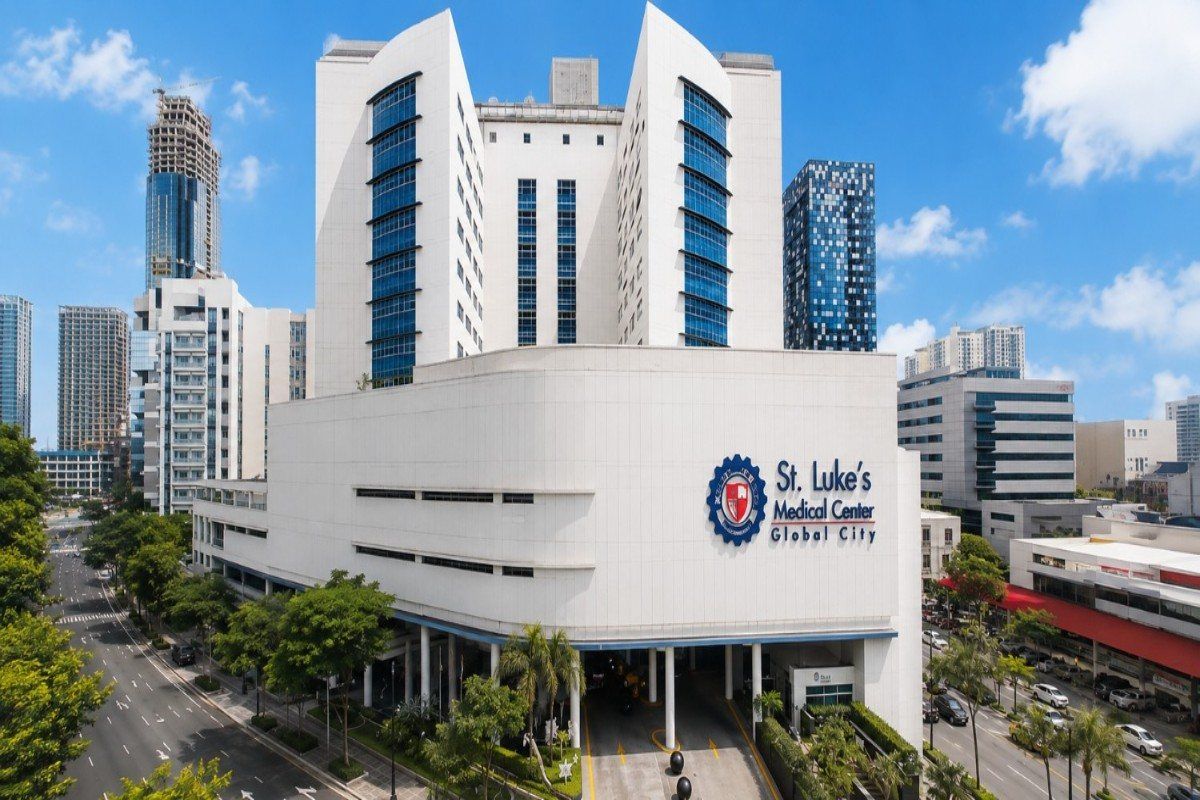
Explore fees, eligibility, and admission guidance for MBBS in St. Luke's Medical Center College of Medicine William in Philippines.
 Partner
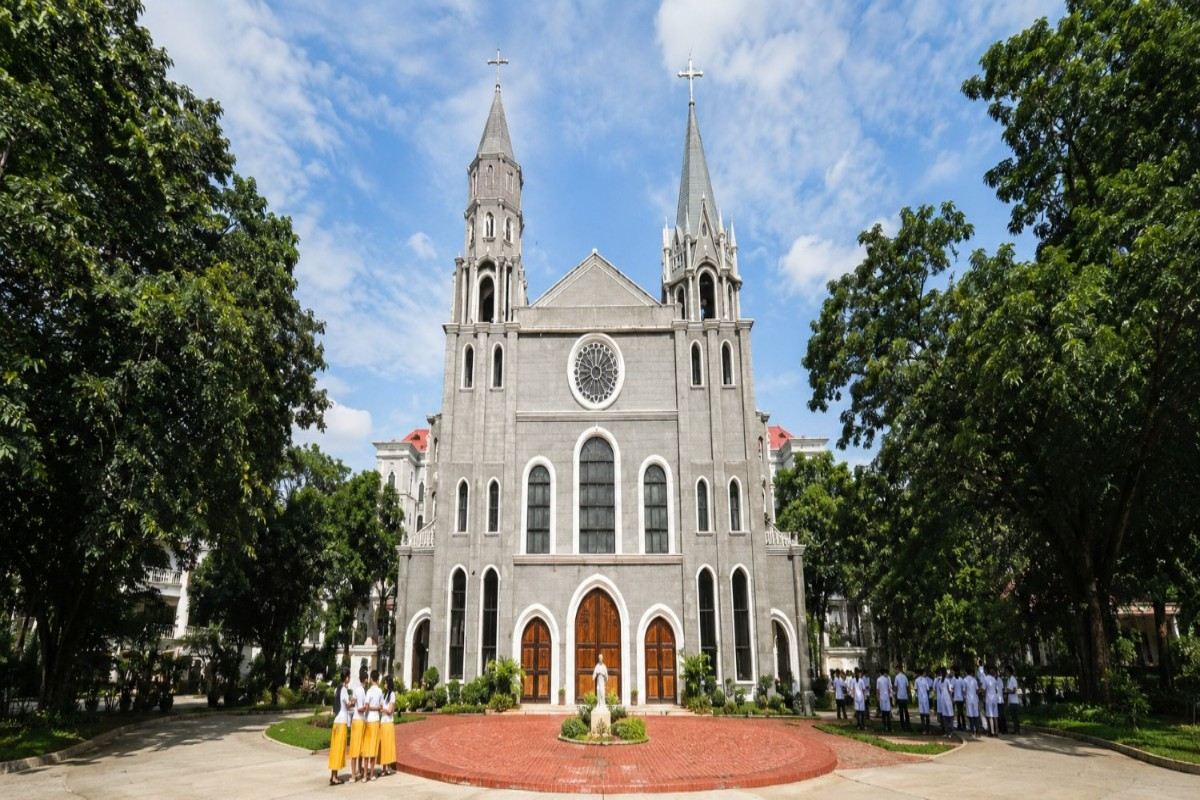
Explore fees, eligibility, and admission guidance for MBBS in St.Paul University Philippines School of Medicine in Philippines.
 Partner
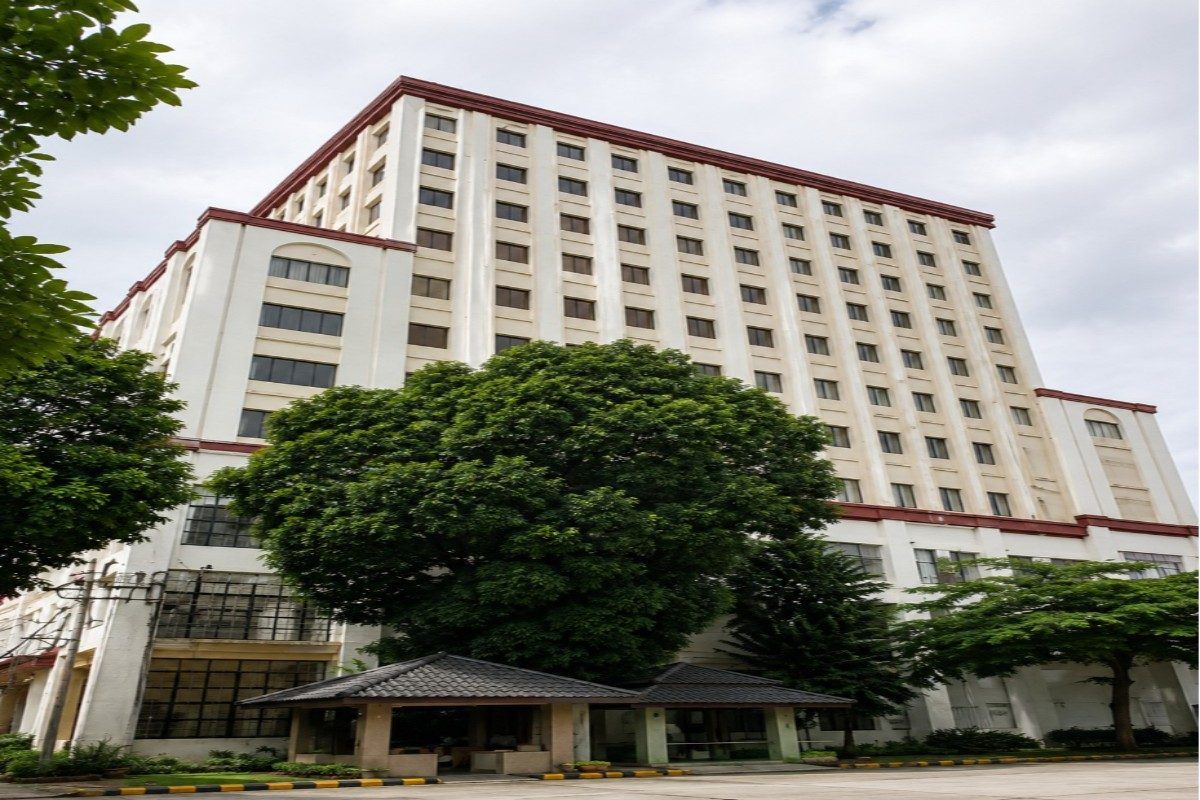
Explore fees, eligibility, and admission guidance for MBBS in University of Northern Philippines College of Medicine in Philippines.
 Partner
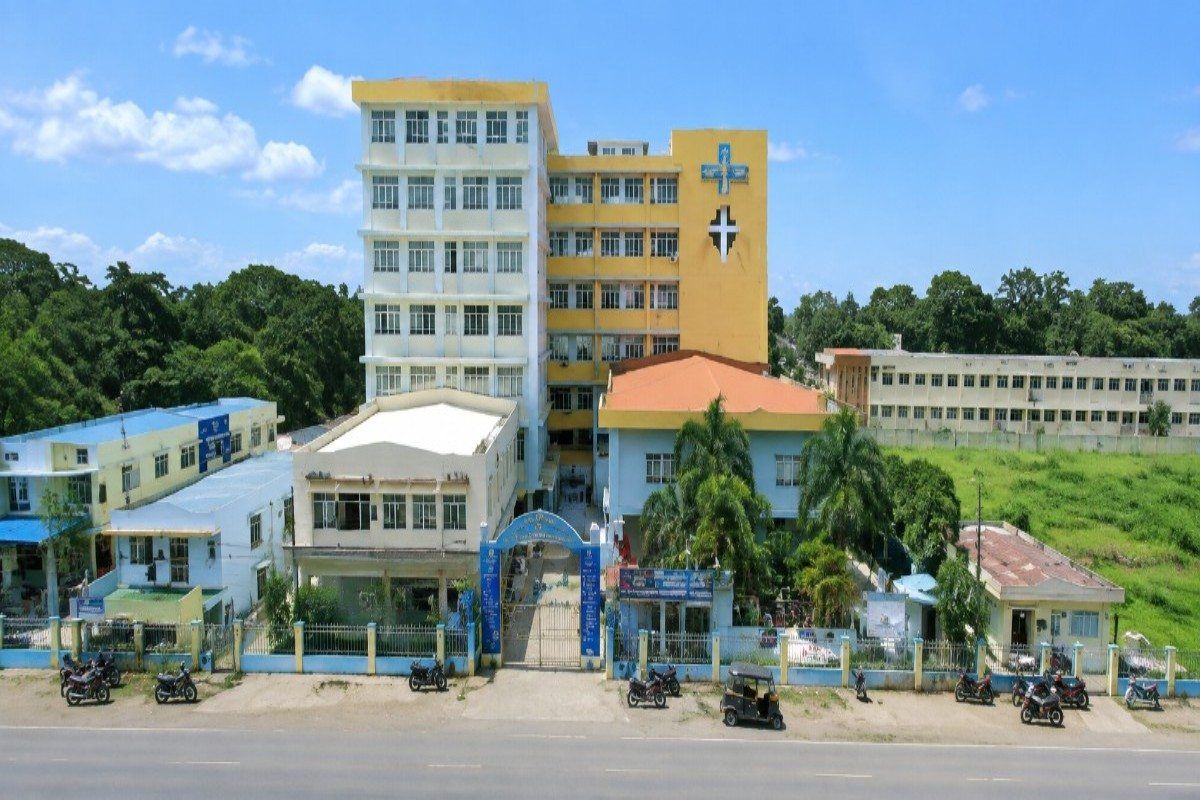
Explore fees, eligibility, and admission guidance for MBBS in Virgen Milagrosa University Foundation College of Medicine in Philippines.
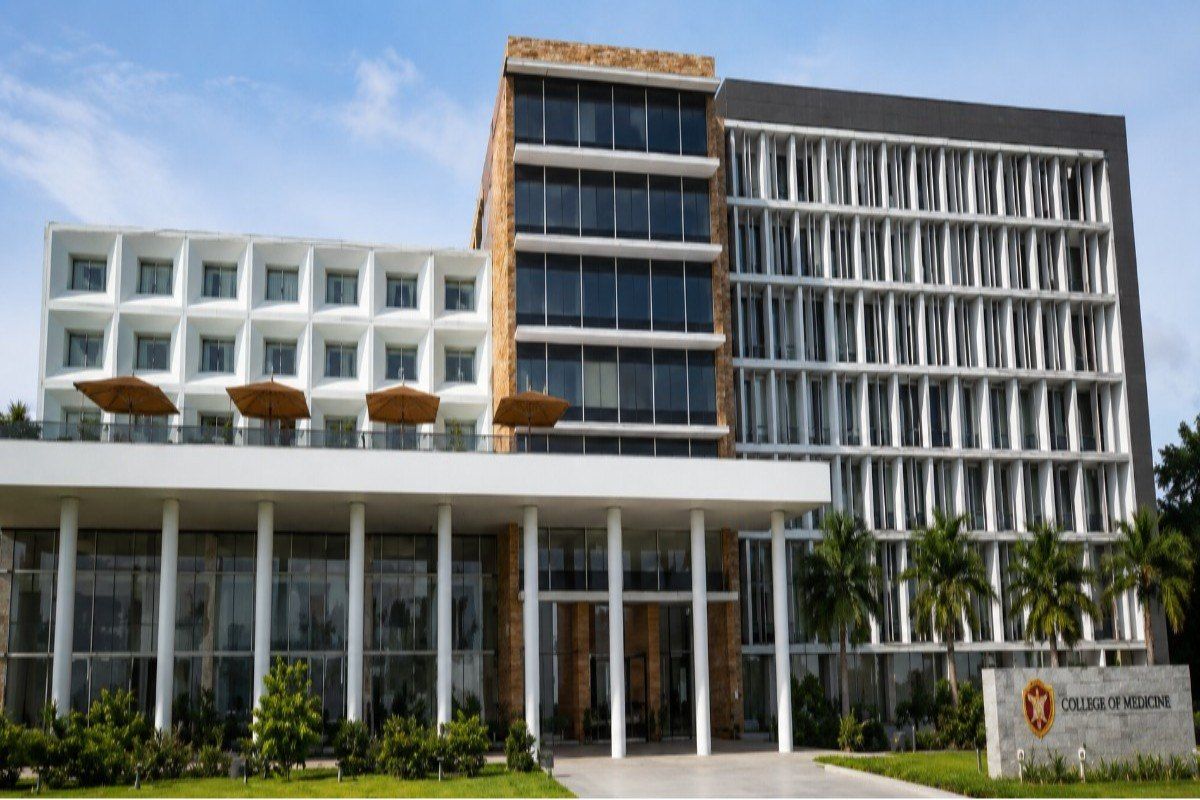 Partner
Explore fees, eligibility, and admission guidance for MBBS in Southwestern University PHINMA School of Medicine in Philippines.
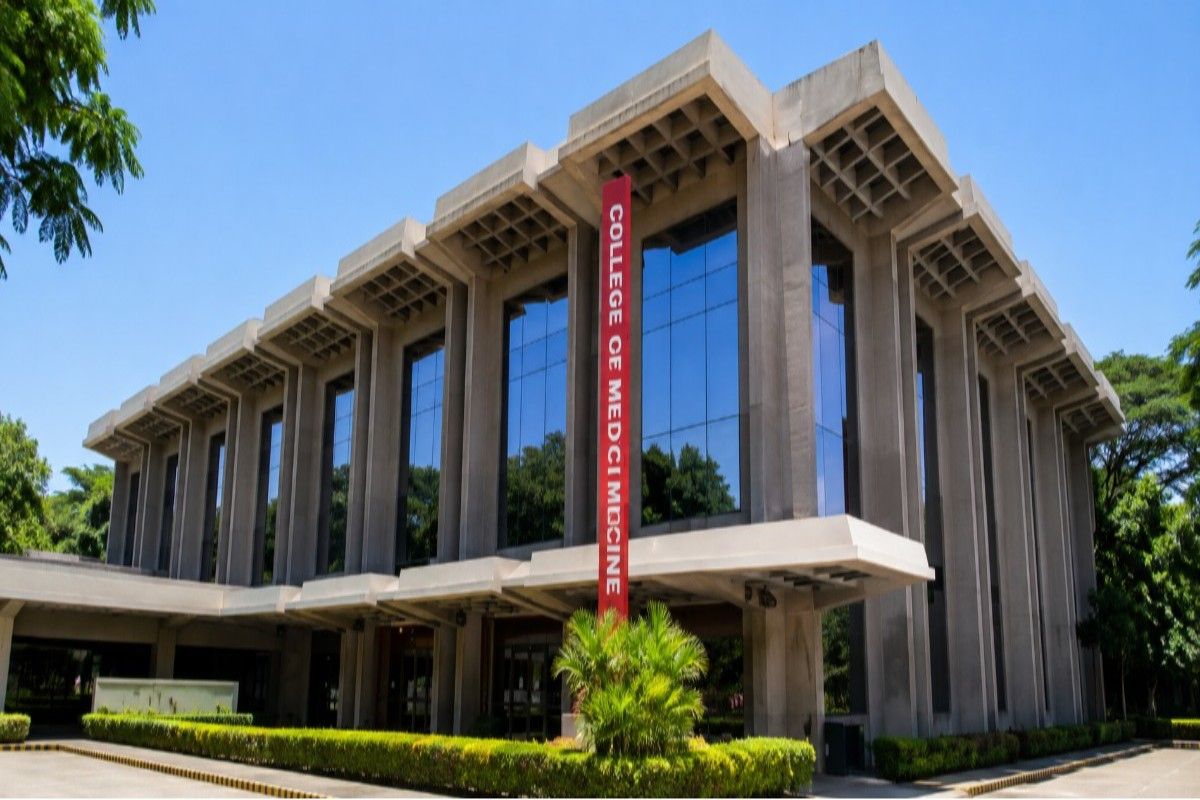 Partner
Explore fees, eligibility, and admission guidance for MBBS in Silliman University Medical School in Philippines.
Our team provides university-specific guidance and a full Philippines context briefing at every intake. Book a free counselling session →
Students from India planning to return and practice medicine in their home country should ensure that they meet the relevant NEET qualification criteria. However, medical colleges in the Philippines commonly utilize the NMAT and academic credentials for the admission of MD students instead of the Indian NEET ranks.
The National Medical Admission Test (NMAT) is utilized for the admission examinations of Philippine medical colleges. The test contains 240 multiple-choice questions relating to aptitude, Biology, Chemistry, Physics and Social Science. The medical schools set their own admission standards as well as the percentile ranks needed for admission.
Indian students may be able to pursue a recognized preparatory program or graduate into a bachelor's degree after completing class 12. However, the traditional MD programs in the Philippines typically require a bachelor's degree prior to enrollment. It is advisable for aspiring students to ensure that the accelerated pre-medical program is approved by the CHED.
Established institutions include Davao Medical School Foundation, University of Santo Tomas, Our Lady of Fatima University, UV Gullas College of Medicine, University of Perpetual Help System DALTA, De La Salle Medical and Health Sciences Institute, Cebu Institute of Medicine and University of the Philippines College of Medicine.
Yes. Many Philippine medical colleges teach their Doctor of Medicine programmes in English. However, students should obtain confirmation regarding the complete qualifying programme, including clinical education and examinations.
A Philippine qualifications doctorate degree cannot be automatically registered in India. The student must fulfill the applicable NMC FMGL Regulations 2021, which specify the minimum qualifying MD duration, English-medium education, foreign internship, and local professional licensing entitlement. The Embassy of India identified unresolved reciprocity concerns about the accessibility of the Philippine licensing to the foreign graduates in June 2026.
Eligible graduates may apply for registration in India upon fulfillment of the necessary National Medical Commission (NMC) requirements, which may include, but are not limited to, a qualifying examination, required foreign internship, local licensure entitlement, Indian screening or licensure examination, a supervised internship in India and registration under the appropriate medical authority.