Vietnam National University of Ho Chi Minh City School of Medicine

- Di An City, Vietnam
Abroad

General Information

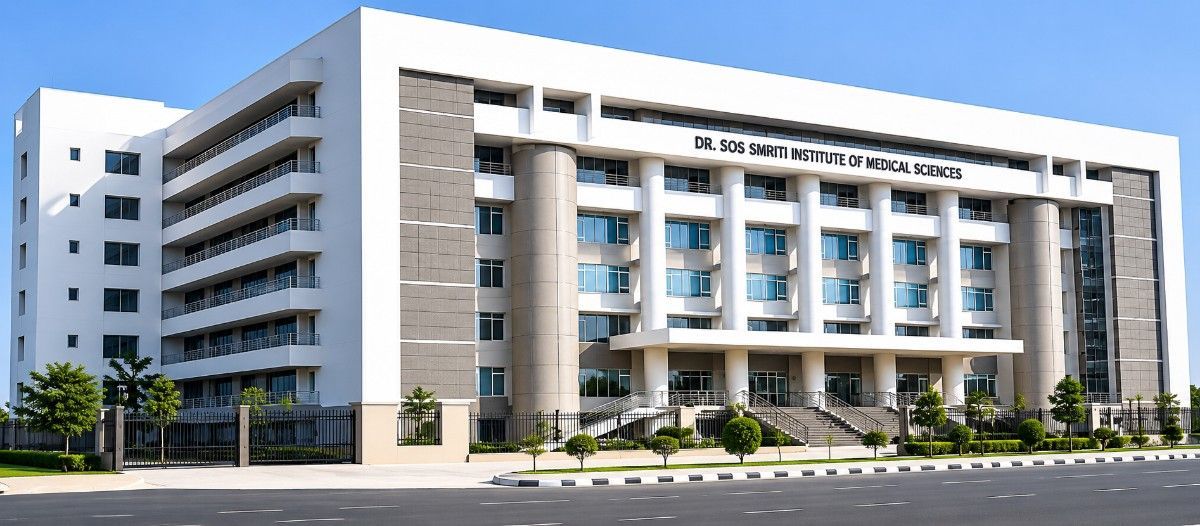
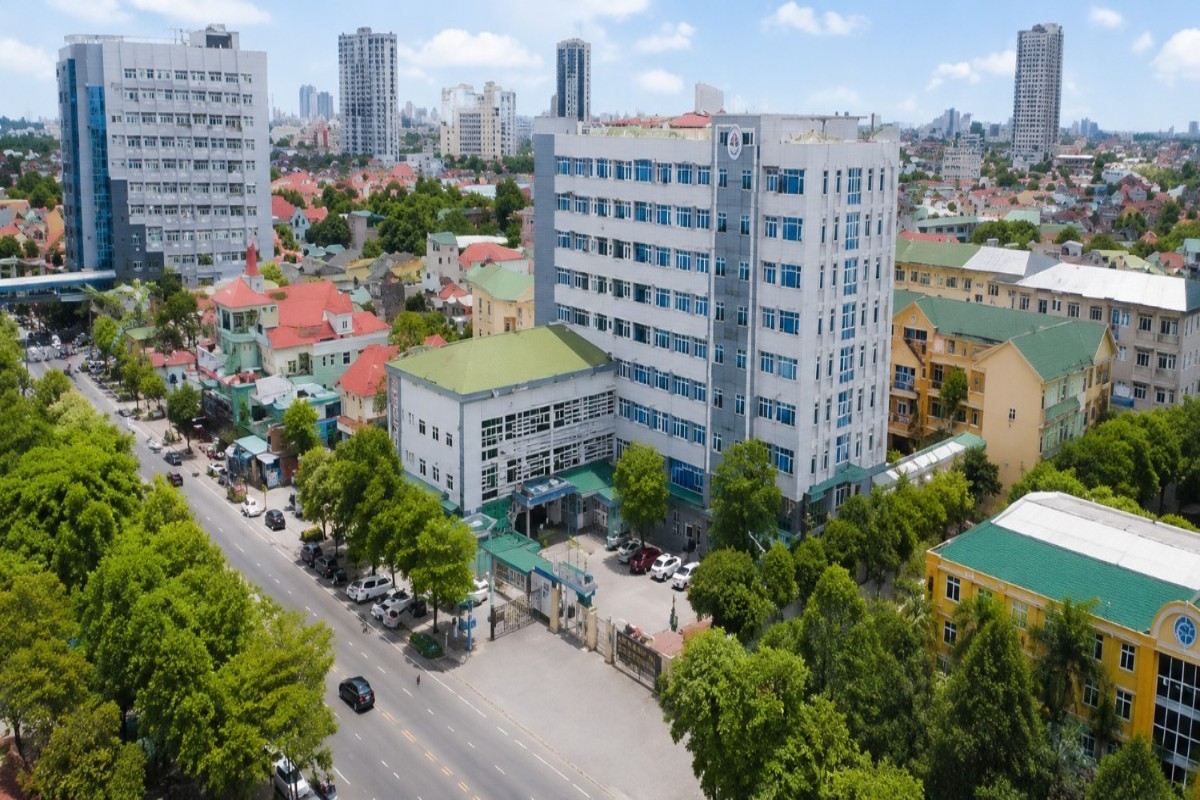
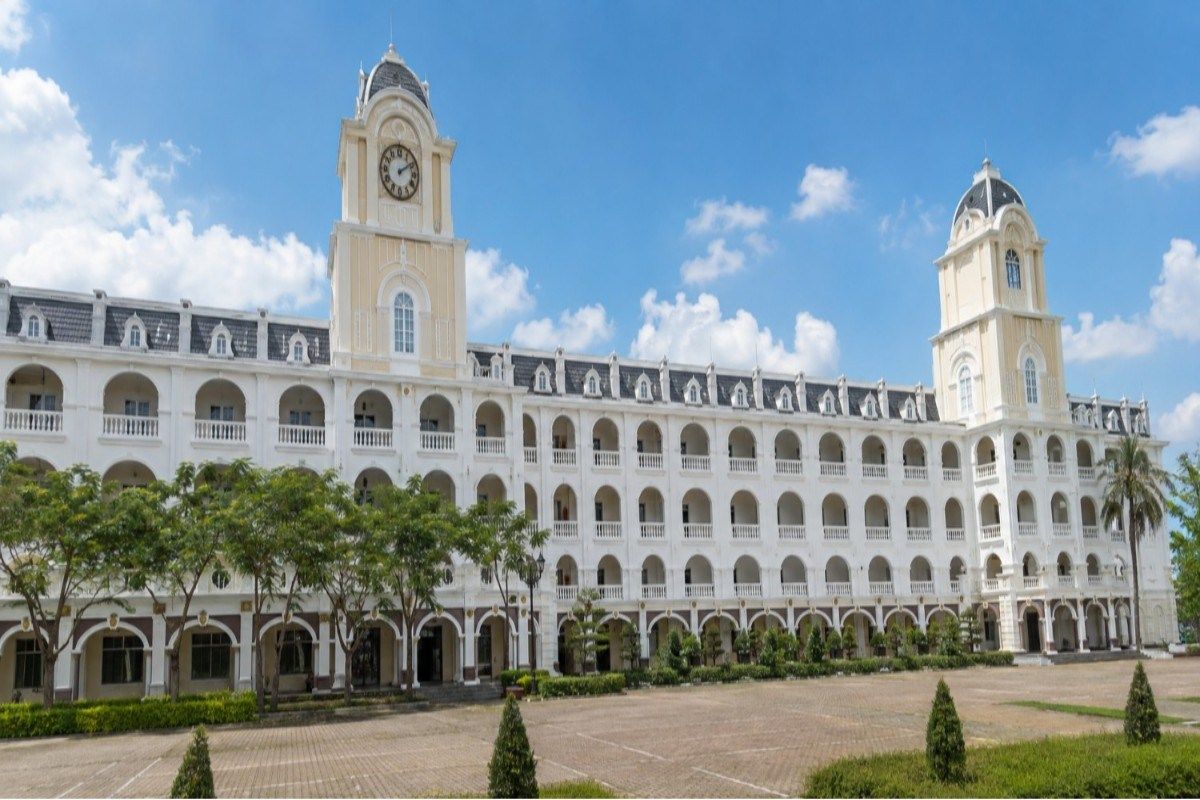
The School of Medicine at Vietnam National University, Ho Chi Minh City (VNU-HCM)—recently elevated to the University of Health Sciences—is a premier public medical institution in Southern Vietnam. Located in the VNU-HCM Urban Area in Di An City (bordering Ho Chi Minh City), it is known for its "University-Hospital" model and its status within the country’s most prestigious university system.


General Info

  • Established: 2009 (Upgraded to University of Health Sciences in 2024).

  • Location: Administrative Building YA1, Hai Thuong Lan Ong Street, VNU-HCM Urban Area, Di An City, Binh Duong Province.

  • Degree Conferred: Doctor of Medicine (MBBS).

  • Duration: 6 Years (including internship).

  • Language of Instruction: English (International Program) and Vietnamese (Standard Program).

  • Accreditation: Recognized by the Ministry of Health of Vietnam, WHO, and the NMC (India). It is part of the VNU-HCM system, which is consistently ranked in the top 1000 universities globally (QS World University Rankings).

Campus Facilities

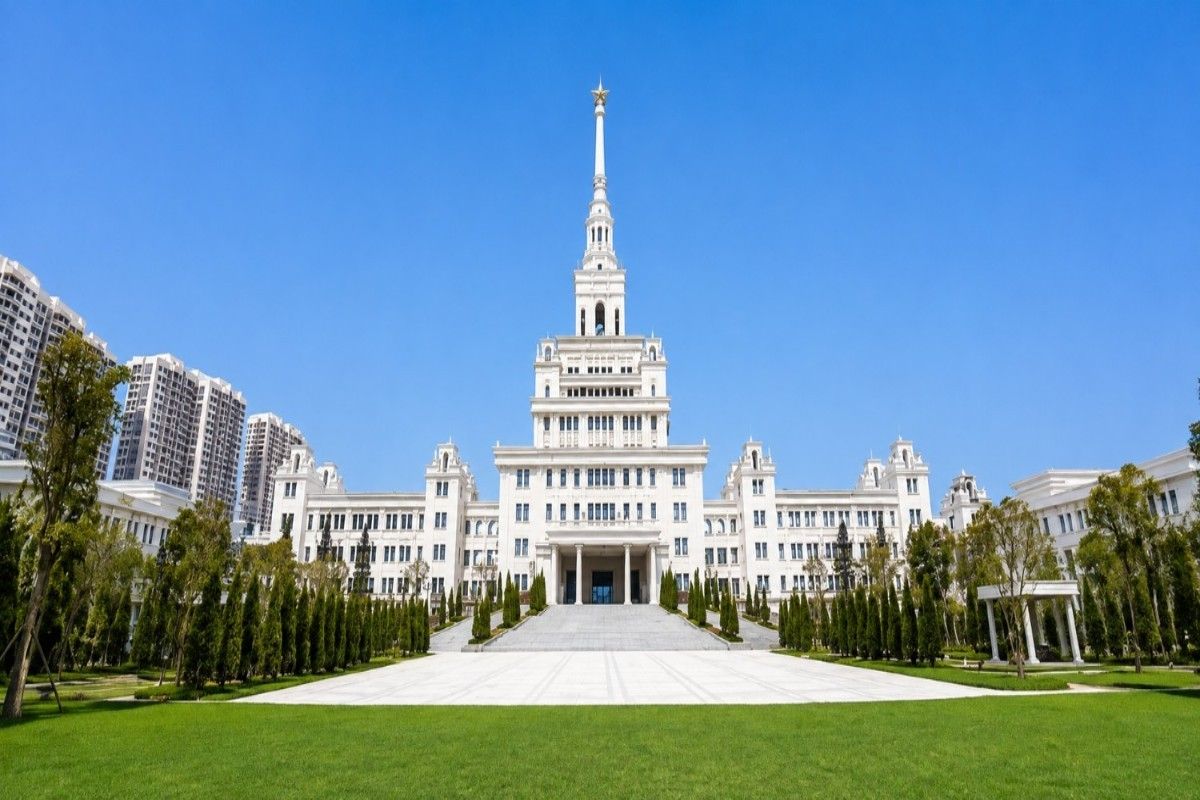
  • VNU-HCM Urban Area: The school is situated within a massive "University City" that spans 643 hectares, providing a green, modern, and high-tech academic environment shared by seven other member universities.

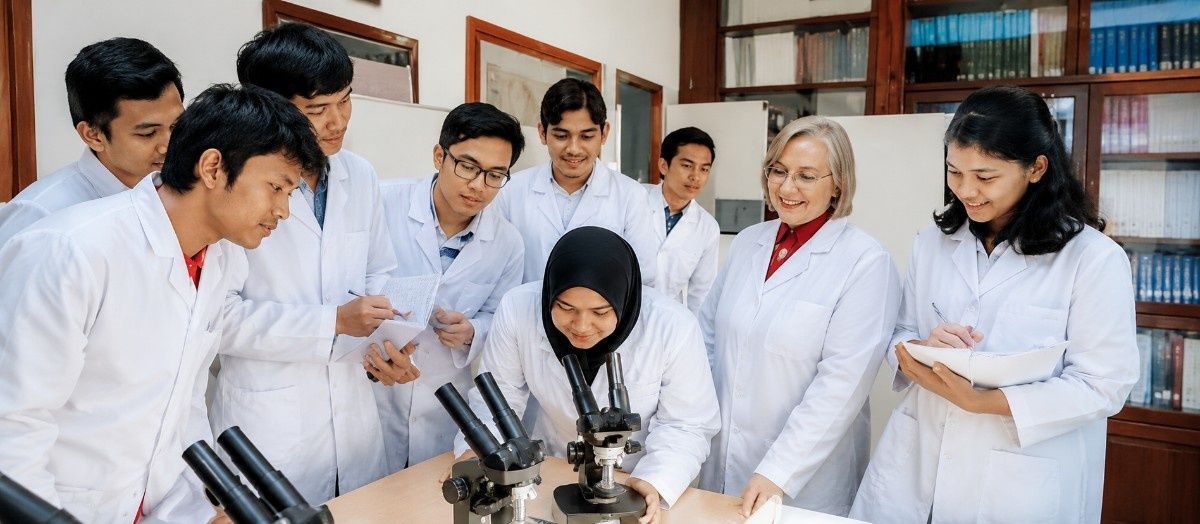
  • Integrated Modular Curriculum: The program uses a modern, student-centered, and integrated modular approach (similar to top Western schools) rather than traditional siloed subjects.

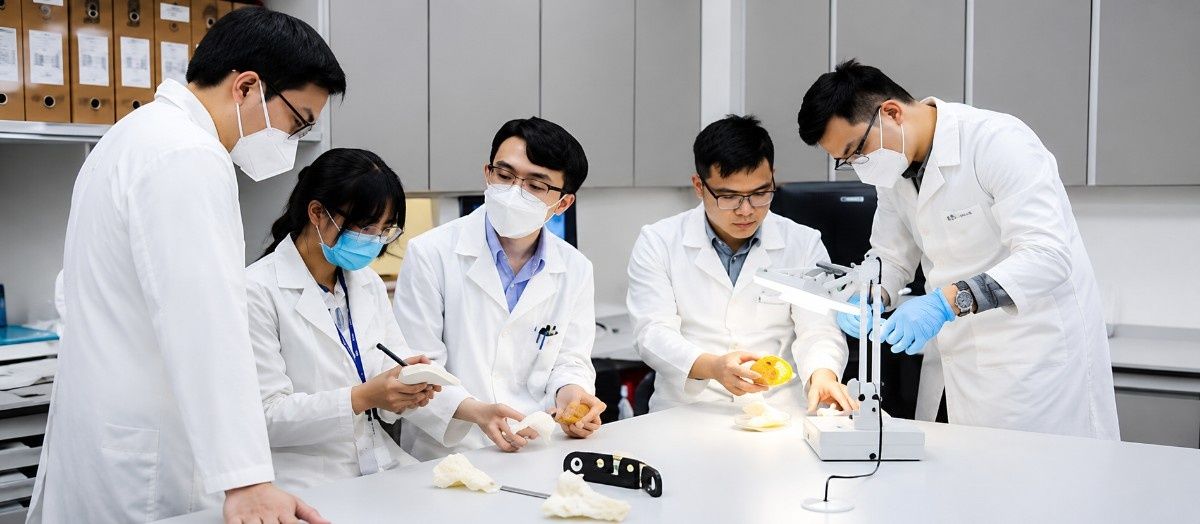
  • Infrastructure: Includes high-fidelity simulation labs, 300-to-500-seat auditoriums, and a massive 500-square-meter medical library with over 25,000 volumes and digital access.

  • Hospital & Medical Facilities

    Leading tertiary care hospital attached to the institution

    The school follows a robust "University-Hospital" alliance, partnering with the top-tier medical facilities in Ho Chi Minh City:

    • Binh Dan Hospital: A strategic partner for advanced surgical training and interdisciplinary research.

    • Vinmec Healthcare System: A recent strategic partner providing international-standard clinical training and access to advanced medical technology like AI and Big Data.

    • Cho Ray Hospital: One of Vietnam's largest and most famous general hospitals, used for specialized clinical rotations.

    • Thống Nhất Hospital & Children’s Hospital 2: Key sites for internal medicine and pediatric training.

    • Future Project: VNU-HCM is currently in the process of building its own 55,000 m² University Hospital within the Di An campus.

    Fee Structure

    State University Affordability

    VNU-HCM offers high-quality training at a competitive public-university rate for domestic students and a mid-range rate for international cohorts.

    • Annual Tuition (International Program): Approximately $6,000 – $6,500 USD per year.

    • Total Program Cost: Estimated at roughly $36,000 – $40,000 USD for the full 6-year duration.

    • Administrative Fees: Approx. $500 – $1,000 USD (First year only).

    • Note: This is significantly more affordable than private international medical schools in Vietnam or many colleges in India/USA.

    City Details

    • Vibe: A serene, dedicated academic zone that is technically in Di An City but functions as part of Greater Ho Chi Minh City. It is safe, less congested, and surrounded by lakes and parks.

    • Transport: The HCMC Metro Line 1 connects the VNU campus directly to the heart of District 1 (central HCMC), providing easy access to hospitals and city amenities.

    • Safety: Extremely high; the area is a dedicated educational zone with private security and police patrols.

    • Climate: Tropical savanna climate; hot and humid throughout the year with a distinct monsoon season.

    Hostel & Mess

    • VNU-HCM Dormitories: Students have access to the largest dormitory system in Vietnam (Zones A and B), which can accommodate over 40,000 students.

      • Cost: Very affordable, approx. $500 – $800 USD per year.

      • Facilities: 24/7 security, high-speed internet, and self-contained rooms.

    • Dining & Mess: The campus features three large cafeterias and several juice/snack outlets.

      • Indian Mess: Increasingly available due to the rising number of Indian medical students; focuses on hygienic, freshly prepared meals.

      • Monthly Food Budget: Approx. $150 – $250 USD.

    • Off-Campus: Private apartments in Di An or the nearby Thu Duc District range from $300 – $500 USD per month.

    Miscellaneous

    • Academic: High School graduation with a minimum GPA of 2.5/4.0 (or 65% in local systems). Strong scores in Biology, Chemistry, and Physics are required.

    • NEET (For Indians): A qualifying NEET score is mandatory for admission and to ensure future practice eligibility in India.

    • English Proficiency: For the English stream, a minimum IELTS 4.5 – 5.5 (depending on the specific intake year) or equivalent is required.

    • Entrance Exam: Some international applicants may need to take a basic entrance test in Science (Physics, Chemistry, Biology) conducted by the university.

    • Application Timeline: Applications for the 2026 session typically open in early 2026 (Spring) with the main intake in September.

    Collage Images Gallery

    Best Learning

    Find Your Best-Fit Medical College Instantly

    Not sure which college you can get with your NEET rank?

    Use our College Predictor Tool , our experts will instantly suggest the best colleges where you stand a high chance of admission.


    Use College Predictor

    Facilities & Campus Life

    Well-equipped Library

    Experienced Faculty

    Computer Lab

    Sports Activities

    Heritage Campus

    ₹500/Per month

    Special monthly language

    package for everyone

    Get Started Now

    Frequently Asked Questions

    Students must typically have a minimum of 50% marks in PCB (Physics, Chemistry, Biology) in the 12th standard (40% for reserved categories) and must have qualified NEET in the current or previous two years, as per NMC guidelines.

    The duration is generally 6 years in total, which includes 5 years of academic study (54 months) and 1 year of compulsory internship (12 months), fully complying with the latest National Medical Commission (NMC) rules.

    The process is simple: 1. Submit scanned documents (10th, 11th, and 12th mark sheets, NEET result, Passport scan, and a recent passport-size photograph with a white background). 2. Receive the Admission Letter from the University. 3. Process the Invitation Letter for Visa. 4. Complete the Visa application with our assistance.

    Yes, all our partner universities are recognized by the World Health Organization (WHO) and the National Medical Commission (NMC). Graduate doctors can also write major global licensing exams such as USMLE (USA), PLAB (UK), AMC (Australia), and the FMGE/NExT exam for India.

    While most universities admit based on your 12th marks and NEET qualification, some may require a simple online entrance test or interview. We will guide you through any such requirement.

    Fees typically cover the Tuition Fee, Hostel Fee, Medical Insurance, Visa Extension, and administrative charges. A detailed, transparent fee structure showing Tuition Fee, Hostel Fee, Mess Charges, Visa/Invitation Fee, and Medical Assurance Fee for each country and university will be provided upfront.

    Payment schedules are determined by the individual university. Some universities allow semester-wise payments, while others require annual payments. We will provide clear guidance on the university's official payment schedule.

    We are committed to transparency. All costs, including consultation charges and university expenses, are detailed in your offer letter. We strongly advise against any form of donation.

    Yes, we coordinate group departures for students and assist with flight ticket booking. Our representative will meet the students at the destination airport and provide transport to the university hostel.

    Hostels offer secure accommodation with separate facilities for boys and girls. Indian meals are generally cooked and served by Indian caterers within the hostel premises or mess hall to ensure a suitable diet for students.

    Why Consult With Us?

    • 15+ years of experience in medical education counseling
    • 5000+ students successfully guided
    • 50+ partner universities worldwide
    • Free initial consultation with no obligation

    Enquiry Now

    Know about your college