 Partner
📍Canada, Ottawa
 Study destination: Canada

MBBS in Canada offers Indian students access to reputed medical universities, advanced healthcare facilities and research-based education. However, Canadian universities award a Doctor of Medicine (MD) degree rather than MBBS, generally requiring 3–4 years of undergraduate study followed by a 3–4-year medical programme.
MBBS in Canada for Indian students is highly competitive, with limited international admission opportunities. Students should carefully evaluate Canada MBBS fees, NEET eligibility, admission requirements, living expenses and medical residency options.
Indian students planning to practise in India must also verify compliance with NMC FMGL Regulations, 2021, as a Canadian MD(Equivalent to MBBS) degree does not automatically guarantee medical registration in India.
Canada offers an established medical education system supported by public universities, university-affiliated hospitals, medical research institutions and provincial healthcare services.
Students exploring Study MBBS Abroad may consider Canada for its research-focused medical programmes, advanced clinical learning, multicultural environment and opportunities for postgraduate medical training.
However, Canada should not be promoted as a destination offering easy direct MBBS admission immediately after Class 12.
Canada is famous for its well-developed medical education system, supported by accredited universities, teaching hospitals, healthcare organisations and professional regulatory authorities.
Medical programmes generally combine foundational medical sciences, clinical subjects, evidence-based medicine, patient communication and supervised hospital training.
Universities such as the University of Toronto, McGill University, University of British Columbia, McMaster University and University of Alberta offer established medical education programmes.
The Committee on Accreditation of Canadian Medical Schools (CACMS) accredits Canadian MD programmes, while provincial and territorial medical regulatory authorities oversee professional registration.
Students should compare institutional admission requirements, degree structure, academic duration, teaching facilities and licensing arrangements before selecting a medical programme.
MBBS Abroad Language Requirements are particularly important for international students considering Canada. Canadian medical universities offer instruction in English, French or both, depending on the institution and campus. Most medical schools outside Quebec conduct their principal medical education in English.
Selected universities in Quebec provide medical education in French, while McGill University offers an English-language MDCM programme at its Montreal campus.
However, clinical training may require communication with French-speaking patients, even where academic instruction is provided in English.
Students should verify the teaching language, examination language and clinical communication requirements of their selected programme.
The Canadian primary medical qualification generally takes three or four academic years after previous university study.
Students commonly complete:
Three or four years of undergraduate education
Medical school admission requirements
Three- or four-year MD programme
Clinical clerkships
Medical licensing assessments
Postgraduate residency training
Professional registration requirements
The complete pathway from Class 12 to medical graduation commonly takes approximately six to eight years, depending on the university and undergraduate education completed. Additional residency training is required for independent medical practice.
Clinical education is an important component of medical training in Canada.
Students may participate in:
Hospital ward rounds
Patient history taking
Physical examinations
Clinical case discussions
Diagnostic investigations
Surgical observations
Emergency Medicine
Internal Medicine
Pediatrics
Obstetrics and Gynaecology
Psychiatry
Family Medicine
Community healthcare
Rural and regional healthcare
The duration and structure of clinical clerkships vary by university.
Canada offers a multicultural academic environment with opportunities for medical research, clinical training and student activities. However, international medical admission is highly restricted, and many Canadian MD programmes require citizenship or permanent residency. Indian students should verify eligibility before applying.
Canadian medical universities place substantial emphasis on biomedical research, clinical medicine and public health.
Depending on university arrangements, students may explore:
Biomedical research
Clinical trials
Medical genetics
Epidemiology
Neuroscience
Oncology
Immunology
Population health
Public health research
Digital health
Medical technology
Healthcare innovation
Research participation depends on academic eligibility, institutional facilities and available projects.
Medical education in Canada is supported by teaching hospitals, research centres and provincial healthcare systems.
Depending on the institution, students may have access to:
Anatomy laboratories
Clinical simulation centres
Medical skills laboratories
Digital learning platforms
Diagnostic facilities
Biomedical research laboratories
University hospitals
Clinical examination facilities
Medical libraries
Community healthcare centres
Students should verify the facilities and clinical placements available through their selected medical programme.
Potential benefits of medical education in Canada include:
Established public medical universities
English- and French-medium medical programmes
Accredited medical education
Advanced teaching hospitals
Supervised clinical education
Modern simulation laboratories
Research-oriented academic learning
Evidence-based medical curriculum
International academic collaborations
Diverse student communities
Exposure to Canadian healthcare systems
Clinical research opportunities
University libraries and academic resources
Community healthcare training
Rural and urban clinical placements
Postgraduate medical residency programmes
Professional medical development opportunities
However, students must consider the restricted international admission system, high educational costs, previous degree requirements, competitive selection, postgraduate residency and NMC eligibility.
Canada is a country located in North America, bordered by the United States to the south and the Arctic Ocean to the north.
Ottawa is the national capital, while Toronto, Montreal, Vancouver, Calgary, Edmonton and other major cities are important centres for higher education, healthcare and research. The national currency is the Canadian Dollar (CAD or C$).
Canada is known for its multicultural society, educational institutions, natural landscapes, public healthcare system and medical research facilities. English and French are Canada's two official languages.
Major cities and educational destinations include:
Toronto
Montreal
Vancouver
Ottawa
Calgary
Edmonton
Hamilton
Kingston
London
Halifax
Quebec City
Winnipeg
Saskatoon
St. John's
Sherbrooke
Students considering MBBS in Canada for Indian students should compare locations according to university eligibility, accommodation expenses, transport facilities and available medical education programmes.
Particular | Details |
Country | Canada |
Capital | Ottawa |
Location | North America |
Official Languages | English and French |
Currency | Canadian Dollar (CAD) |
Major Medical Education Cities | Toronto, Montreal, Vancouver, Hamilton, Edmonton |
Primary Medical Qualification | Doctor of Medicine (MD) |
McGill Medical Qualification | MDCM |
Standard MD Duration | Generally 4 years |
Accelerated MD Duration | 3 years at selected universities |
Previous University Education | Generally required |
Direct MBBS After Class 12 | Not the standard Canadian pathway |
Medical Education Accreditation | CACMS |
Main Entrance Examination | MCAT at many institutions |
Additional Assessment | CASPer or interview, depending on university |
Medium of Instruction | English or French |
Main Intake | Generally August–September |
Professional Registration | Provincial or territorial medical regulatory authorities |
Indian Registration | Subject to applicable NMC regulations |
Canada offers a multicultural environment with diverse traditions, festivals and university activities. Cities like Toronto, Vancouver, Calgary and Brampton have large Indian communities, offering familiar food, cultural events and social support to Indian students.
Canada experiences cold winters with snowfall and mild to warm summers. Cities like Toronto and Montreal have freezing winters, while Vancouver has milder but rainy weather. Students should prepare for seasonal changes, winter clothing and suitable accommodation.
Canada offers diverse cuisine, including rice, roti, lentils, vegetables, curries, chicken dishes and vegetarian meals. Indian restaurants and grocery stores are widely available in major cities. Students can reduce food expenses through self-cooking and shared accommodation.
Medical students in Canada may participate in academic societies, university organisations, community volunteering, research programmes and sports.
International student services can help with housing, academic orientation and everyday adjustment. Medical education is demanding and requires substantial time for lectures, clinical training, examinations and independent study.
Particular | Details |
Common Search Term | mbbs in canada |
Primary Medical Degree | MD |
McGill Qualification | MDCM |
MD Programme Duration | Generally 4 years |
Accelerated MD | 3 years at selected institutions |
Previous Education | Normally 3–4 years of university study |
Direct Admission After 12th | Generally unavailable |
Medium of Instruction | English or French |
Academic Eligibility | Recognised undergraduate university education |
International Admission | Highly restricted |
Entrance Examination | MCAT where required |
Additional Assessment | CASPer, MMI or other university assessments |
NEET | Relevant under applicable Indian regulations |
McGill 2026 International First-Year Tuition | C$69,339.06 (approximately ₹46.46 lakh) |
McGill 2026 First-Year Total Including Listed Fees and Insurance | C$73,295.02 (approximately ₹49.11 lakh) |
McGill 2027 International Seats | 1 anticipated seat |
Living Expenses | City- and lifestyle-dependent |
Federal Study Permit Living Funds, Outside Quebec | C$23,448 annually for one applicant, from September 2026 |
Main Intake | Generally August–September |
Medical Education Accreditation | CACMS |
Medical Licensing Examination | MCCQE Part I and applicable assessment pathways |
Postgraduate Training | Residency required for independent practice |
Student Permit | Canadian Study Permit |
Indian Registration | Subject to NMC requirements |
Currency | Canadian Dollar |
Currency Note: 1 CAD ≈ ₹67 (illustrative rate). McGill University's 2026 fees may vary.
Important Admission Note: McGill University anticipates only one international MDCM seat for fall 2027. University of British Columbia, Toronto Metropolitan University and University of Toronto do not accept international MD applicants. Indian students must verify admission eligibility and residency requirements before applying.
The standard mbbs degree in Canada is generally called the Doctor of Medicine (MD) which is equivalent to MBBS in India. Unlike India, Canada usually follows a graduate-entry medical education model.
Students generally complete at least three or four years of university education before applying to medical school.
Common undergraduate programmes include:
Biological Sciences
Biomedical Sciences
Life Sciences
Biochemistry
Health Sciences
Psychology
Chemistry
Other recognised university disciplines
A specific science major is not compulsory at every medical school.
However, universities may require particular academic prerequisites.
Many Canadian medical universities offer a four-year MD programme.
The curriculum generally includes:
Foundational medical sciences
Clinical skills
Patient-centred learning
Disease mechanisms
Clinical clerkships
Practical assessments
Professional development
Preparation for postgraduate medical training
McMaster University offers a three-year MD programme that operates across an accelerated academic calendar. In addition to this, The University of Calgary also offers an accelerated three-year medical programme.
Students should understand that a three-year MD is a completely accredited Canadian medical degree within the Canadian educational system, but its structure requires particular scrutiny under India's foreign medical graduate regulations.
The early phase generally introduces the scientific foundations of medicine.
Subjects may include:
Human Anatomy
Physiology
Biochemistry
Cell Biology
Histology
Medical Genetics
Microbiology
Immunology
Medical Ethics
Clinical Communication
Introduction to Patient Care
Universities may integrate basic and clinical sciences rather than teaching every subject in a separate traditional year.
The intermediate phase introduces more advanced clinical concepts.
Common subjects include:
Pathology
Pharmacology
Internal Medicine
General Surgery
Pediatrics
Obstetrics and Gynaecology
Psychiatry
Public Health
Clinical Diagnostics
Family Medicine
Students may complete simulated patient assessments, clinical case discussions and supervised learning activities.
The final medical years usually focus on clinical clerkships and hospital-based education.
Clinical Department | Main Training Focus |
Internal Medicine | Diagnosis and treatment of medical conditions |
General Surgery | Surgical assessment and patient management |
Pediatrics | Child healthcare |
Obstetrics and Gynaecology | Maternal and reproductive medicine |
Emergency Medicine | Urgent medical assessment |
Psychiatry | Mental health evaluation |
Family Medicine | Primary healthcare |
Orthopaedics | Musculoskeletal conditions |
Neurology | Nervous system disorders |
Community Medicine | Population health and preventive care |
The exact timing depends on whether the programme lasts three or four years.
The internship after medical graduation in Canada should not be confused with the one-year compulsory rotating internship followed in India.
Canada generally requires graduates to enter accredited postgraduate residency programmes before practising medicine independently.
Canadian medical graduates usually apply for postgraduate medical residency through the Canadian Resident Matching Service (CaRMS) or another applicable programme route.
Residency is supervised professional medical training in an approved specialty.
Common residency disciplines include:
Family Medicine
Internal Medicine
General Surgery
Pediatrics
Psychiatry
Anaesthesiology
Obstetrics and Gynaecology
Emergency Medicine
Residency duration depends on the chosen specialty and current training standards.
Indian students graduating from a Canadian medical school should not assume that residency positions are automatically guaranteed.
Residency eligibility depends on the medical graduate category, provincial requirements, citizenship or immigration status, programme availability and the relevant matching process.
Under the NMC FMGL Regulations, 2021, foreign medical graduates generally require at least 54 months of qualifying medical education and a separate 12-month foreign internship under prescribed conditions.
Canadian medical programmes commonly last three or four years after previous undergraduate education. Canadian postgraduate residency is structured differently from a conventional MBBS internship.
Therefore, students must not assume that their undergraduate bachelor's degree, MD and Canadian residency automatically satisfy the specific NMC duration and internship conditions.
Indian students should verify:
Duration of the primary medical qualification
Whether previous undergraduate study counts for NMC purposes
Clinical training structure
Availability of qualifying foreign internship
Training hospital or institution
Local professional licensing eligibility
Residency requirements
Indian medical registration conditions
Written regulatory clarification is strongly advisable before admission.
The medium of instruction for medical education in Canada depends on the medical university and campus.
Most Canadian medical schools outside Quebec offer English-medium medical programmes.
Students may complete lectures, examinations, practical learning and clinical assessments in English. However, universities may impose separate English-language proficiency requirements.
Selected Quebec medical schools conduct medical education in French. Examples include programmes at Université de Montréal, Université Laval and Université de Sherbrooke.
Students considering French-medium education should understand the possible implications under the NMC English-medium foreign medical education requirement.
Yes. Canada offers English-medium MD programmes at established medical universities.
However, an English-taught programme does not automatically establish eligibility for Indian medical registration. The academic duration and professional training arrangements must also comply with applicable regulations.
Medical universities may require international applicants to demonstrate English-language proficiency.
Accepted qualifications may include:
IELTS Academic
TOEFL iBT
PTE Academic, where accepted
Previous English-medium university education
Other institution-approved English qualifications
The minimum score depends on the university.
Some institutions may grant exemptions based on previous education.
Students frequently search for MBBS in Canada without IELTS. It must be noted that admission without IELTS may be possible where a university accepts an alternative English examination or provides an eligible exemption.
However, applicants must verify the institution's requirements and Canadian study permit conditions separately. Admission without IELTS does not automatically mean admission without English-language assessment.
Students attending medical school in Quebec may need French-language proficiency to communicate with patients and healthcare teams.
McGill University offers English-medium teaching at its Montreal campus, but clinical placements can involve French-speaking patients. Students should confirm the applicable French-language requirements before admission.
Canadian medical registration may require demonstration of English or French proficiency. Requirements differ by provincial or territorial regulatory authority. Students should distinguish medical university admission standards from professional registration requirements.
Most Canadian medical programmes admit students for an academic year beginning around August or September.
Particular | Details |
Main Intake | Generally August–September |
Application Period | University-specific |
Entrance Examination | MCAT where required |
Additional Assessment | CASPer or interview, depending on institution |
Admission Selection | Academic and non-academic evaluation |
Offer Letter | After successful selection |
Tuition Payment | According to university deadlines |
Study Permit | Before travel |
Course Commencement | University-specific |
Students researching MBBS admission in Canada for 2026–27 should understand that admission to medical schools often takes place many months before the programme begins.
As of November 2026, most fall 2026 medical intakes have already commenced.
For fall 2027, McGill University's published international MDCM application cycle opened on September 1, 2026, with an application deadline of November 1, 2026.
Students targeting later admission cycles should check newly published university application schedules.
The total cost of mbbs in canada for indian students depends on the admission category, previous undergraduate degree, medical university, living expenses and academic duration.
Canadian medical university tuition varies significantly. For example, McGill University's fall 2026 immigration supplement lists approximately C$69,339.06 as first-year tuition for international MDCM students.
This is approximately ₹46.46 lakh at the illustrative exchange rate. The published estimated tuition for each of the remaining three years is C$48,392.37, subject to the stated arrangements.
Students may use approximately C$20,000–35,000 (approximately ₹13.40–₹23.45 lakh annually as a preliminary living budget, depending on the city, housing and lifestyle.
Major cities such as Toronto and Vancouver may have higher accommodation costs.
Students should consider:
Previous undergraduate degree tuition
MD tuition fees
University application charges
MCAT and CASPer expenses
Accommodation
Food
Health insurance
Transportation
Study permit
International flights
Academic materials
Clinical placement expenses
Additional charges
The total pathway cost should be evaluated from undergraduate education through medical graduation, rather than counting only the MD programme.
The eligibility criteria for mbbs in canada for indian students depend on the university, previous education, citizenship or residency status, entrance examination performance and language proficiency.
Canadian medical school admission is highly competitive.
Applicants generally need:
Recognised undergraduate university education
Required academic credits or bachelor's degree
Competitive GPA
MCAT result where required
CASPer assessment where required
English or French proficiency
University interview
Academic references
Supporting application documents
Eligible citizenship or immigration status
Relevant NEET qualification for future Indian registration
Students should note that Canadian citizenship or permanent residency is an admission requirement at many medical schools.
Students frequently search for MBBS in Canada after 12th and direct MBBS admission in Canada. Unlike India, Canada generally does not provide a standard five-and-a-half-year MBBS programme immediately after Class 12. Indian students normally need to complete university education before applying for an MD.
For example, McMaster University requires at least three years of undergraduate education before medical admission.
Students may initially apply for a bachelor's degree in Life Sciences, Biological Sciences or another eligible discipline. However, admission to a bachelor's programme does not guarantee future admission to medical school.
There is no universal Class 12 percentage cutoff for all Canadian medical schools. Class 12 marks are important for admission to the preceding undergraduate degree. Medical schools generally evaluate university-level academic performance.
Applicants should therefore distinguish undergraduate university admission requirements from MD admission requirements.
Canadian medical schools place considerable emphasis on undergraduate academic performance. Universities may assess GPA using a 4.0 scale or another institutional conversion system.
For example, McGill University's international MD admission information indicates that an undergraduate degree GPA of approximately 3.5 or higher is considered competitive, while applicants below 3.3 are generally considered only in exceptional circumstances.bHowever, this is not a universal Canadian medical admission cutoff.
Indian applicants with an undergraduate degree may need to submit academic transcripts for credential evaluation. Requirements vary among institutions.
Universities may request:
Degree certificate
Academic transcripts
Course descriptions
Credential evaluation
GPA equivalency
English-language evidence
Supporting academic documents
Students should verify whether their Indian three-year bachelor's degree is accepted as equivalent to the required Canadian undergraduate education.
The Medical College Admission Test (MCAT) is required by many Canadian medical schools.
The examination assesses knowledge and reasoning relevant to medical education. However, not every university requires MCAT, and some institutions evaluate only particular sections. Students should verify the examination requirements of the selected medical school.
CASPer is an online situational judgement assessment used by selected Canadian medical schools. It evaluates personal and professional characteristics relevant to healthcare education. The assessment may examine communication, ethical reasoning, professionalism and decision-making.
Students frequently ask whether NEET is required for mbbs in Canada. Canadian medical universities generally do not use India's NEET examination for admission. However, Indian students intending to return and practise medicine in India must consider applicable NEET eligibility and NMC regulations. NEET qualification does not replace Canadian medical admission assessments.
Students researching NEET score, NEET rank, minimum marks for MBBS abroad and Canadian medical admission should understand that there is no nationwide Canadian NEET cutoff.
Medical school selection generally depends on university-level academic achievement, entrance tests, interviews and institutional eligibility. A qualifying NEET result does not guarantee admission to a Canadian MD programme. Likewise, a high NEET rank does not remove citizenship or permanent residency requirements.
The typical age for MD admission in Canada is approximately 21–25 years, as most medical universities require 3–4 years of undergraduate education. However, there is no universal upper age limit, and requirements vary by university.
Indian students following the NMC pathway must also meet the minimum NEET eligibility age of 17 years by 31 December of the examination year.
One of the most important requirements is the applicant's immigration status.
Many Canadian medical schools do not accept international students who hold only a study permit.
For example:
University of British Columbia: international MD applicants are not accepted.
McMaster University: the published 2027 application categories are restricted to Canadian citizens, permanent residents and eligible protected persons.
Toronto Metropolitan University: international applicants are not accepted.
University of Toronto: its current MD programme information states that applications from international students are not accepted.
McGill University: publishes a limited international MDCM category.
Students must verify the admission policy for their exact application year before applying.
Students researching medical entrance examinations in Canada should understand that the selection process differs from India's NEET-based medical counselling system. Canadian universities generally evaluate previous university education along with applicable entrance examinations and non-academic assessments.
Assessment | Purpose |
Undergraduate Degree Evaluation | Verify previous university education |
GPA Assessment | Evaluate academic performance |
MCAT | Assess scientific knowledge and reasoning |
CASPer | Evaluate situational judgement |
Multiple Mini Interview | Assess communication and professional suitability |
Academic References | Evaluate academic and personal qualities |
Language Proficiency | Confirm English or French ability |
Citizenship or Residency Verification | Confirm admission-category eligibility |
NEET | Relevant under applicable Indian regulations |
Not every university requires all these assessments.
There is no single national medical entrance examination used by every Canadian university. The MCAT is widely used, while some institutions also require CASPer and admission interviews. Applicants should confirm their selected institution's entrance examination rules.
The MCAT comprises four sections:
Chemical and Physical Foundations of Biological Systems
Critical Analysis and Reasoning Skills
Biological and Biochemical Foundations of Living Systems
Psychological, Social and Biological Foundations of Behaviour
The examination assesses scientific understanding and reasoning.
It differs from NEET UG in both content and purpose.
Particular | Details |
Examination | Medical College Admission Test |
Common Name | MCAT |
Main Purpose | Medical school admission |
Administrator | Association of American Medical Colleges |
Examination Language | English |
Number of Sections | 4 |
Total Questions | 230 |
Total Testing Time | Approximately 6 hours 15 minutes |
Total Seated Time | Approximately 7 hours 30 minutes |
Score Range | 472–528 |
Section Score Range | 118–132 |
Acceptance | University-specific |
Score Validity | Institution-specific |
MCAT is administered on scheduled dates during the examination year.
Students planning the 2027 or 2028 medical intake should check the official test calendar and university score-submission deadlines. The accepted test year may differ among medical schools.
CASPer presents situational scenarios and asks applicants to respond to questions related to judgement and behaviour. The assessment is designed to evaluate characteristics relevant to professional education. Students should confirm whether CASPer is required for their selected institution and admission cycle.
Many Canadian medical schools use Multiple Mini Interviews (MMIs).
Interview stations may assess:
Communication
Empathy
Ethical judgement
Critical thinking
Problem-solving
Professional behaviour
Teamwork
Healthcare awareness
Motivation to become a doctor
Interview structure varies by institution.
There is no single nationwide medical admission cutoff.
Selection may depend on:
GPA
MCAT results
CASPer performance
Interview results
Academic references
Applicant category
Available medical seats
Regional admission policies
Meeting the minimum requirements does not guarantee an admission offer.
Feature | Canada | India |
Main Medical Admission | University-specific | NEET UG |
Previous Degree | Generally required | Not required for standard MBBS |
Entrance Examination | MCAT where applicable | NEET UG |
Additional Assessment | CASPer, interviews and academic review | NEET counselling |
Main Academic Evaluation | Undergraduate GPA | Class 12 eligibility and NEET |
International Places | Highly restricted | Applicable foreign/NRI categories |
Professional Licensing | Canadian regulatory framework | Indian medical registration |
Students planning MBBS admission in Canada should first verify whether they qualify for the selected university's applicant category.
Confirm whether the university accepts international applicants or requires Canadian citizenship or permanent residency.
Check the undergraduate education, GPA and subject prerequisites.
Confirm whether previous Indian university education is accepted.
Indian applicants intending to practise in India should evaluate applicable NEET and NMC regulations.
Complete MCAT registration if required by the chosen medical school.
Register for CASPer where required.
Arrange transcripts, degree certificates and supporting documents.
Follow the medical school's prescribed application process.
Participate in the interview or MMI if invited.
Review the university's official selection decision.
Verify the exact qualification, duration, tuition, clinical training and future licensing arrangements.
Applicants may need:
Valid passport
Bachelor's degree certificate
Undergraduate transcripts
Academic credential evaluation
MCAT registration
CASPer registration
English or French language certificate
University application form
Academic references
Passport-size photographs
Application fee receipt
Additional supporting documents
Requirements depend on the medical school.
Feature | Canadian Medical Admission | NEET UG |
Country | Canada | India |
Main Test | MCAT where required | NEET UG |
Previous Education | University-level study | Class 12 |
Subject Coverage | Science, reasoning and behavioural sciences | Physics, Chemistry and Biology |
Interview | Common at many medical schools | Not generally part of standard counselling |
Selection | Institution-specific | National and state counselling |
Professional Registration | Canadian medical authorities | Indian medical authorities |
Students searching for private medical colleges in Canada should understand that most established Canadian MD programmes are offered through publicly funded universities.
A private educational institution offering biomedical sciences, healthcare management or preparatory courses is not necessarily an accredited medical school.
International admission opportunities are extremely limited.
McGill University publishes an international university-level MDCM applicant category.
For fall 2027, its published information anticipates only one international seat.
Applicants must generally hold an eligible undergraduate degree and satisfy academic, language and other admission requirements.
Students should verify whether a private institution has an accredited primary medical programme. A preparatory medical course or pre-medical certificate does not award an MD qualification.
Students should not assume that private medical education provides an easier route to Canadian physician registration. Institutional accreditation, qualification recognition and professional licensing conditions remain essential.
The NMC Rules for MBBS Abroad 2026 are particularly important for Indian students considering Canadian medical education.
The NMC Foreign Medical Graduate Licentiate Regulations, 2021, establish requirements concerning course duration, teaching language, medical subjects, foreign internship, clinical education and professional licensing entitlement.
Requirement | Important Consideration |
Medical Education | Minimum 54 months |
Foreign Internship | Minimum 12 months under applicable regulations |
Teaching Language | English |
Medical Curriculum | Prescribed medical subjects |
Clinical Training | Appropriate supervised medical education |
Internship Institution | Must meet applicable FMGL conditions |
Local Licensing | Eligibility for professional medical registration |
Indian Examination | FMGE or applicable prescribed licensing examination |
Indian Internship | Supervised internship as required |
Registration | Competent Indian medical authority |
Canadian MD programmes generally last 3 or 4 academic years. This is shorter than the minimum 54-month qualifying foreign medical education period prescribed by the FMGL framework.
Students should not assume that a previous non-medical bachelor's degree can simply be added to the MD duration to establish NMC compliance. The academic structure must be assessed under the actual regulatory requirements.
Canadian medical education commonly requires previous undergraduate study. However, Canada's medical degree is generally a separate professional programme following that education.
For Indian students intending to return and practise in India, this structure raises an important eligibility concern.
Students should obtain clarification from the competent Indian regulatory authorities before enrolling with the expectation of future Indian registration.
English-medium Canadian medical programmes may satisfy the language requirement. However, French-medium programmes require separate consideration. The teaching language alone does not establish complete NMC compliance.
Canada generally follows a postgraduate residency system. Students must not automatically treat Canadian residency as equivalent to the separate foreign internship described under the FMGL regulations. The duration, institution, training arrangements and licensing conditions require verification.
Canadian MD programmes provide clinical clerkships as part of medical education. However, ordinary clinical placements during the medical curriculum are not automatically equivalent to the separately required foreign internship.
Students should verify:
Academic course duration
Clinical training schedule
Internship or residency structure
Hospital supervision
Degree-awarding institution
Training location
Professional registration eligibility
NMC regulatory compliance
Canadian medical graduates must satisfy provincial or territorial registration requirements.A medical degree alone does not automatically provide unrestricted professional licensing.
Indian students should verify whether the completed qualification and postgraduate training provide the licensing entitlement required under the applicable Indian foreign medical graduate framework.
Eligible foreign medical graduates may need to complete supervised internship in India. However, an Indian internship does not automatically correct deficiencies in a foreign medical programme's academic duration or prescribed training structure.
Students researching NMC Rules for MBBS Abroad 2026, NMC Gazette 2021, FMGL Regulations, foreign medical graduate registration and FMGE eligibility after medical education in Canada should verify:
Qualifying medical education duration
Teaching language
Mandatory medical subjects
Clinical education
Foreign internship
Local medical registration entitlement
Screening or licensing examination
Internship in India
Professional registration conditions
Students should not rely solely on claims that a Canadian university is internationally recognised.
Students researching Canadian medical licensing should distinguish between medical graduation, postgraduate residency and independent professional registration.
Canadian medical universities generally award the Doctor of Medicine (MD).
McGill University awards the MDCM qualification, formally Doctor of Medicine and Master of Surgery.
These qualifications provide the academic foundation for postgraduate medical training.
The Medical Council of Canada (MCC) administers national medical assessments and maintains relevant qualification-related processes.
The MCC Qualification Examination Part I evaluates medical knowledge and clinical decision-making.
Medical practice in Canada is regulated by provincial and territorial medical regulatory authorities. Examples include the College of Physicians and Surgeons of Ontario and the Collège des médecins du Québec. Registration requirements differ by jurisdiction and applicant category.
Canadian medical graduates generally need residency training before independent medical practice. Residency programmes provide supervised clinical training in a chosen specialty.
The Canadian Residency Matching Service's standard R-1 matching process generally requires Canadian citizenship or permanent residency, subject to specific exceptions. This creates a significant issue for international students who are not Canadian permanent residents at the time of applying for residency.
Indian applicants should not assume that admission to a Canadian MD programme guarantees access to postgraduate residency.
Indian citizens graduating from eligible Canadian medical programmes may pursue Canadian professional registration if they meet the applicable residency, licensing and immigration requirements. However, medical graduation alone does not guarantee professional practice rights or employment.
No.
Canadian and Indian medical regulatory systems operate independently. Graduates intending to practise in India must satisfy the applicable NMC requirements.
Students searching for NMC recognised medical colleges in Canada, WHO recognised medical universities and WDOMS listed medical schools in Canada should distinguish programme accreditation from professional licensing eligibility.
Canadian medical degree programmes are accredited through the Committee on Accreditation of Canadian Medical Schools.
Students should verify the programme's current accreditation status and exact qualification.
The WDOMS provides information about medical schools worldwide. Students may check institutional identity, qualifications and other relevant directory information. However, WDOMS inclusion does not automatically establish eligibility for Indian medical registration.
Students frequently search for WHO certified or WHO approved medical colleges in Canada. The World Health Organization does not provide blanket medical university certification guaranteeing that graduates can practise medicine in India.
Students should check the relevant national accreditation authorities and NMC requirements rather than relying on claims of WHO approval.
The NMC does not automatically guarantee professional registration for graduates of Canadian medical universities.
The exact academic duration, teaching language, foreign internship and local professional licensing arrangements must be evaluated.
Students researching the best medical colleges in Canada, top medical universities in Canada and Canadian medical colleges for Indian students should compare established MD programmes and their admission policies.
Canada has multiple accredited medical schools, but many do not admit international applicants without Canadian citizenship or permanent residency.
Medical University | Location | Qualification | Typical Duration |
Toronto | MD | 4 years | |
Montreal | MDCM | 4 years | |
Vancouver | MD | 4 years | |
Hamilton | MD | 3 years | |
Edmonton | MD | 4 years | |
Calgary | MD | 3 years | |
Ottawa | MD | 4 years | |
Kingston | MD | 4 years | |
Sherbrooke | MD | Programme-specific | |
Halifax | MD | 4 years | |
Winnipeg | MD | 4 years | |
Saskatoon | MD | 4 years | |
St. John's | MD | 4 years | |
Montreal | MD | Programme-specific | |
Quebec City | MD | Programme-specific |
These institutions are listed for comparison, not as an official ranking or a list of universities accepting international students.
The University of Toronto's Temerty Faculty of Medicine offers a four-year MD programme covering medical sciences, clinical training and hospital practice. However, international MD applications are not accepted. For 2026–27, first-year domestic tuition is C$23,550 (₹15.78 lakh) for Ontario students and C$28,880 (₹19.35 lakh) for eligible non-Ontario students, excluding additional charges.
McGill University, located in Montreal, Quebec, offers a four-year MDCM programme with medical sciences, clinical training and hospital-based learning. For fall 2027, only one international seat is anticipated. Applicants generally need B2 French proficiency (Montreal) or C1 (Outaouais). First-year international tuition for 2026 is approximately C$69,339 (₹46.46 lakh). Admission is highly competitive.
The University of British Columbia (UBC), located in British Columbia, offers a four-year MD programme with clinical training across multiple teaching hospitals. For 2026–27, annual domestic tuition is C$21,219.27 (approximately ₹14.22 lakh), excluding additional charges. However, international students are not eligible for MD admission, and international tuition is not applicable.
McMaster University, located in Hamilton, Ontario, offers a three-year accelerated MD programme through its Michael G. DeGroote School of Medicine, featuring early clinical exposure. For 2026–27, first-year domestic tuition is C$25,130 (approximately ₹16.84 lakh) for Ontario residents and C$29,963.78 (approximately ₹20.08 lakh) for other Canadian residents, excluding additional charges. International MD applicants are not eligible under the current admission policy.
The University of Alberta, located in Edmonton, offers a four-year MD programme through its Faculty of Medicine and Dentistry, combining medical sciences and clinical training. For 2026–27, annual domestic tuition is C$16,463.52 (approximately ₹11.03 lakh), including the programme differential fee, but excluding other university charges. International applicants must verify admission eligibility.
The University of Calgary's Cumming School of Medicine offers a three-year accelerated MD programme with integrated clinical training. Its published tuition is C$8,582.94 per term for domestic students, approximately C$25,748.82 (₹17.25 lakh) annually across three terms. The fee schedule also lists international tuition, but admission eligibility must be confirmed separately.
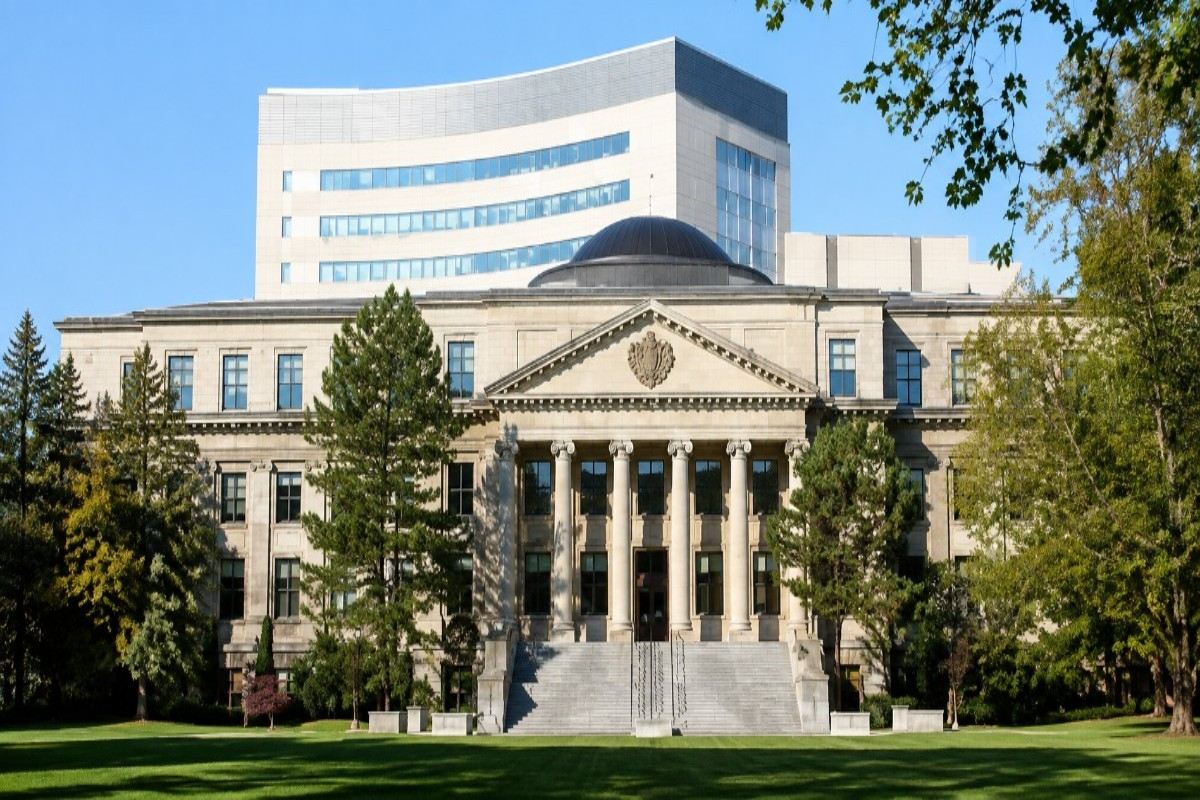
The University of Ottawa offers a four-year MD programme through its Faculty of Medicine, with English- and French-language streams and supervised clinical training. Its 2026–27 MD tuition is programme- and residency-category-specific; a reliable annual MD tuition amount could not be confirmed from the published fee information reviewed. Applicants must verify the exact tuition and citizenship eligibility before applying.
Queen's University, located in Kingston, Ontario, offers a four-year MD programme with medical sciences and hospital-based clinical education. For 2026–27, annual domestic tuition is C$23,983 (approximately ₹16.07 lakh), excluding additional charges. Its fee schedule also lists international tuition of C$99,908.54 (approximately ₹66.94 lakh), but payment categories do not guarantee international admission eligibility.
Western University's Schulich School of Medicine & Dentistry, located in London, Ontario, offers a four-year MD programme combining medical sciences and supervised clinical training. Published tuition guidance estimates C$24,000 (approximately ₹16.08 lakh) annually for eligible domestic students and C$28,000 (approximately ₹18.76 lakh) for out-of-province students. Applicants must satisfy citizenship and academic eligibility requirements.
Dalhousie University, located in Halifax, Nova Scotia, offers a four-year MD programme through its Faculty of Medicine, including clinical education and hospital training. For 2026–27, annual MD tuition is C$25,568.40 (approximately ₹17.13 lakh), excluding additional charges. Admission is subject to citizenship eligibility and regional selection policies.
The University of Manitoba's Max Rady College of Medicine, located in Winnipeg, offers a four-year MD programme combining foundational medical sciences and clinical training. For 2026–27, first-year domestic tuition is C$12,548.34 (approximately ₹8.41 lakh), excluding additional charges. International students are not eligible for the regular MD admission category.
The University of Saskatchewan, located in Saskatoon, offers a four-year MD programme focused on medical sciences, clinical training and community healthcare. For 2026–27, annual domestic tuition is C$22,773 (approximately ₹15.26 lakh), excluding additional fees. International MD tuition is not applicable, and admission is restricted to eligible applicants.
Memorial University of Newfoundland, located in St. John's, offers a four-year MD programme covering medical sciences, clinical clerkships and hospital-based training. For 2026–27, annual domestic tuition is C$14,250 (approximately ₹9.55 lakh), excluding additional charges. Although a published fee schedule also lists international tuition, international students are not eligible to apply for its regular MD programme.
Université de Montréal, Université Laval and Université de Sherbrooke offer medical education through French-language programmes.
Students should verify:
French-language proficiency
Degree pathway
Admission category
Academic duration
Previous university requirements
Professional licensing
NMC eligibility
Most established Canadian medical universities are public institutions.However, public university status does not guarantee low-cost education or international admission. Students should carefully distinguish domestic tuition from international fee quotations.
Applicants should verify the accreditation status of any private institution advertising an MD programme. The existence of a private medical preparatory school or healthcare college does not establish that it awards a recognised primary medical qualification.
The canada mbbs fees for indian students depend on the medical university, admission category, previous undergraduate education and applicable international tuition policies.
Most Canadian medical schools do not publish an international MD tuition figure because their programmes do not admit regular international applicants.
McGill University provides a published international MDCM fee example.
For fall 2026, its medical programme immigration supplement estimates:
First-year tuition: C$69,339.06 (approximately ₹46.46 lakh)
First-year university fees: C$2,650.96 (approximately ₹1.78 lakh)
First-year insurance: C$1,305 (approximately ₹87,435)
First-year combined amount: C$73,295.02 (approximately ₹49.11 lakh)
The university estimates average tuition of C$48,392.37 annually for the remaining three years.
These figures are applicable to McGill's published international applicant category and should not be treated as standard tuition across Canada.
Fee Particular | Indicative McGill 2026 International Cost |
First-Year Tuition | C$69,339.06 (₹46.46 lakh) |
First-Year University Fees | C$2,650.96 (₹1.78 lakh) |
First-Year Insurance | C$1,305 (₹87,435) |
First-Year Combined Charges | C$73,295.02 (₹49.11 lakh) |
Average Remaining Annual Tuition | C$48,392.37 (₹32.42 lakh) |
Average Remaining Annual Total With Listed Fees and Insurance | C$52,235.25 (₹35.00 lakh) |
MD Academic Duration | 4 years |
Previous Undergraduate Education | Additional cost |
The values are indicative and exclude personal living expenses.
Medical University | Fee Information |
McGill University | Published international MDCM fee schedule; highly limited international admission |
University of Toronto | Domestic tuition published; international MD applicants currently not accepted |
University of British Columbia | International MD applicants not accepted |
McMaster University | Restricted applicant categories; domestic fee schedule applies to eligible students |
University of Calgary | Applicant-category-specific fee confirmation required |
University of Alberta | Applicant-category-specific fee confirmation required |
University of Ottawa | Applicant-category-specific fee confirmation required |
Western University | Applicant-category-specific fee confirmation required |
Memorial University | Applicant-category-specific fee confirmation required |
Students should not use domestic tuition to estimate mbbs in canada for indian students fees unless they genuinely qualify for the relevant domestic category.
Using an illustrative conversion of C$1 = ₹67:
Canadian Dollar Amount | Approximate INR |
C$100 | ₹6,700 |
C$500 | ₹33,500 |
C$1,000 | ₹67,000 |
C$2,500 | ₹1.68 lakh |
C$5,000 | ₹3.35 lakh |
C$10,000 | ₹6.70 lakh |
C$20,000 | ₹13.40 lakh |
C$30,000 | ₹20.10 lakh |
C$40,000 | ₹26.80 lakh |
C$50,000 | ₹33.50 lakh |
C$60,000 | ₹40.20 lakh |
C$70,000 | ₹46.90 lakh |
C$100,000 | ₹67.00 lakh |
C$200,000 | ₹1.34 crore |
Actual INR costs depend on exchange rates and university billing arrangements.
Medical universities charge their own application and administrative fees.
Applicants may also need to pay for:
MCAT registration
CASPer assessment
Credential evaluation
Transcript processing
English or French language tests
University application submission
Students should confirm refund and cancellation policies.
Accommodation costs in Canada vary considerably by city.
Students may provisionally budget approximately C$800–1,800 or more monthly (₹53,600–₹1.21 lakh) for shared student accommodation.
Toronto and Vancouver can be significantly more expensive than some smaller cities.
These are illustrative rental estimates, not official university hostel quotations.
Food expenses may range from approximately C$300–600 monthly (₹20,100–₹40,200).
Students can manage costs through grocery shopping, shared kitchens and self-cooking.
International students must arrange healthcare coverage according to provincial, university and immigration requirements. Health insurance costs differ by province and institution.
McGill's published fall 2026 international MDCM first-year estimate includes C$1,305 for insurance. Students should obtain an actual insurance quotation rather than using one university's fee for every province.
International students should budget for:
Medical entrance examinations
University applications
Academic credential evaluation
Study permit processing
Biometrics
Medical examinations
Health insurance
Accommodation deposits
International flights
Winter clothing
Academic materials
Personal expenses
Students searching for canada mbbs fees in indian rupees should understand that the full medical education pathway may include an undergraduate degree followed by an MD.
The following calculation illustrates McGill University's four-year international MDCM stage.
Expense | Approximate Four-Year Cost |
First-Year Tuition, Fees and Insurance | C$73,295.02 |
Remaining Three Years at C$52,235.25 Annually | C$156,705.75 |
Combined Published Fee Components | C$230,000.77 |
Approximate INR | ₹1.54 crore |
This calculation uses the 2026 estimates and assumes the stated average annual amounts remain applicable. It excludes accommodation, food, transportation, travel and the previous undergraduate degree.
Using a hypothetical annual living budget of C$30,000:
Expense | Approximate Cost |
Annual Living Budget | C$30,000 (₹20.10 lakh) |
Four-Year Living Budget | C$120,000 (₹80.40 lakh) |
McGill Illustrative Four-Year Fee Components | C$230,000.77 (₹1.54 crore) |
Combined MD-Stage Estimate | C$350,000.77 |
Approximate INR | ₹2.35 crore |
This amount excludes the tuition and living expenses of a previous undergraduate degree.
It is a planning illustration rather than a guaranteed package.
A student beginning from Class 12 must also consider the cost of a previous bachelor's degree.
For example, an illustrative four-year undergraduate programme costing C30,000annuallyintuitionwouldaddC120,000 (₹80.40 lakh) before living expenses.
Four years of living expenses at C30,000annuallywouldaddanotherC120,000.
The previous undergraduate stage in this hypothetical example would therefore cost C$240,000 (₹1.61 crore).
Combined with the illustrative McGill MD-stage budget, the overall eight-year education budget would be approximately C$590,001 (₹3.95 crore).
Important: The undergraduate amounts are hypothetical. Completing a Canadian bachelor's degree does not guarantee admission to medical school, and a student must still qualify for the medical school's citizenship or international admission category.
Students searching for cheapest medical college in Canada, low-cost MD in Canada and affordable MBBS abroad should compare eligibility before tuition.
Low domestic tuition may not be available to international applicants. A university may publish affordable fees for Canadian students while accepting no regular international MD applications.
Accommodation for medical students depends on university location, local rental conditions and availability.
Students may choose:
University residences
Shared apartments
Private rented rooms
Homestays
Student housing complexes
Independent accommodation
Student housing may include:
Furnished rooms
Study tables
Internet access
Shared kitchens
Laundry facilities
Heating
Security arrangements
Public transportation access
Study areas
Students should confirm whether utilities and internet are included in rent.
Shared accommodation may cost approximately C$800–1,800 or more monthly (₹53,600–₹1.21 lakh). Private apartments can cost considerably more in major cities. Accommodation deposits and advance payments should be considered in the initial budget.
Indian students living in Canada may use university cafeterias, restaurants, supermarkets and home-cooking facilities.
Students may find rice, lentils, vegetables, spices, flour and other ingredients used in Indian cooking.Indian restaurants and grocery stores are common in several metropolitan areas. However, students should not assume that every medical university operates a dedicated Indian mess facility.
Students may provisionally budget C$300–600 monthly (₹20,100–₹40,200) for the food expense. The actual cost depends on dietary preferences and lifestyle.
The cost of living in Canada varies significantly by city, accommodation type and personal spending habits.
Expense | Approximate Monthly Cost |
Shared Accommodation | C$800–1,800+ (₹53,600–₹1.21 lakh) |
Food | C$300–600 (₹20,100–₹40,200) |
Transportation | C$80–180 (₹5,360–₹12,060) |
Mobile and Internet | C$40–100 (₹2,680–₹6,700) |
Personal Expenses | C$150–350 (₹10,050–₹23,450) |
Health Insurance | Province- and institution-dependent |
Students may use a preliminary budget of approximately C$1,700–3,000 or more monthly.
Actual spending may be higher, particularly with private accommodation.
At C$20,000–35,000 annually, estimated living expenses would be approximately ₹13.40–₹23.45 lakh. These are illustrative student budgets rather than university-approved costs.
For Canadian study permit applications submitted on or after September 1, 2026, a single applicant studying outside Quebec generally needs to demonstrate C$23,448 annually for living expenses.
This is approximately ₹15.71 lakh. The requirement excludes tuition and transportation. Students studying in Quebec must follow the separate financial capacity requirements applicable to that province.
Scholarships for medical education in Canada depend on university policies, citizenship status, academic merit and financial need. However, international MD scholarships are limited because international admission itself is highly restricted.
Potential funding arrangements include:
Academic merit scholarships
Need-based assistance
University bursaries
Research funding
External educational scholarships
Institutional financial aid
Government-supported funding for eligible categories
Applicants may need:
Excellent academic performance
Eligible admission status
Supporting financial documents
Strong academic references
Scholarship application
Compliance with deadlines
Fully funded medical scholarships for international students should not be assumed. Many Canadian government and university funding programmes restrict eligibility according to citizenship, residency or programme type.
Research scholarships for master's or doctoral programmes should not automatically be presented as scholarships for a primary MD qualification.
Indian students travelling to Canada may depart from major international airports.
Departure cities may include:
Delhi
Mumbai
Bengaluru
Hyderabad
Chennai
Kolkata
Flight routes depend on destination and airline.
Common international arrival airports include:
Toronto Pearson International Airport (YYZ)
Vancouver International Airport (YVR)
Montréal–Trudeau International Airport (YUL)
Calgary International Airport (YYC)
Edmonton International Airport (YEG)
Ottawa International Airport (YOW)
Halifax Stanfield International Airport (YHZ)
Students should choose an arrival airport based on their university location.
Students may provisionally budget approximately ₹45,000–₹1,20,000 or more for a one-way economy flight from India to Canada. Direct flights operate on selected routes, while other journeys require international connections.
Actual prices depend on the departure city, airline, travel season, baggage allowance and stopovers.
Students should arrange transportation from the arrival airport to their accommodation. Options may include buses, trains, airport transfers, taxis and rideshare services.
Indian students intending to pursue long-term medical or undergraduate education in Canada generally require a valid Study Permit. A Canadian study permit is not the same as a visitor visa. Students must meet the applicable immigration and educational requirements.
Students generally need admission from a Designated Learning Institution (DLI).
The process may involve:
Letter of Acceptance
Proof of financial support
Passport
Academic documents
Immigration application
Biometrics
Medical examination
Provincial or territorial attestation where applicable
Additional supporting documents
The exact requirements depend on the applicant's programme and immigration category.
The published study permit processing fee is C$150 (approximately ₹10,050). Additional biometric and other charges may apply.
Students generally need to demonstrate sufficient funds for:
Tuition fees
Living expenses
Transportation to and from Canada
Accompanying family members where applicable
For a single applicant studying outside Quebec, the published minimum annual living support amount for applications submitted on or after September 1, 2026, is C$23,448 (approximately ₹15.71 lakh). The amount is separate from tuition and transportation.
Medical students may need an immigration medical examination and additional health documentation. Students planning clinical training may also need vaccinations and health screening according to university or hospital requirements.
International students must comply with applicable provincial, university and institutional healthcare coverage requirements.
Students must maintain the required academic enrolment and comply with the conditions attached to their study permit.
Eligible international students may be permitted to work subject to applicable study permit conditions.However, medical education involves intensive academic and clinical training. Part-time work should not be relied upon to finance the entire cost of medical education.
Canada has public transportation systems in major cities. Depending on the location, students may use:
Buses
Metro and subway systems
Local trains
Light rail
Taxis
Rideshare services
University transport
Walking and cycling
Transportation options vary between metropolitan and regional areas.
Students should consider accommodation close to the university or clinical training centre.
Toronto is a major centre for healthcare, education and research. The University of Toronto offers an established MD programme.Students should note that the university's current admission policy does not accept international MD applicants.Toronto also has substantial living expenses.
Montreal is home to McGill University and Université de Montréal. The city offers university facilities, teaching hospitals, public transportation and multicultural communities. Students should consider the role of French-language proficiency in medical education and clinical practice.
Vancouver is home to the University of British Columbia. The city provides access to medical research and healthcare institutions. However, UBC's MD programme does not accept international applicants.
Hamilton is associated with McMaster University. Its three-year MD programme is known for an accelerated curriculum and integrated learning. Medical admission is restricted to eligible applicant categories.
Edmonton is home to the University of Alberta. Students may access university facilities and healthcare institutions. Cold winter weather should be considered when planning accommodation and travel.
Calgary is associated with the University of Calgary's medical programme.The city offers healthcare facilities and research institutions.Applicants should verify the university's current admissions policy.
Ottawa is Canada's capital and home to the University of Ottawa. Medical education is offered through English- and French-language streams.
Halifax is an important higher education city in Atlantic Canada. Dalhousie University offers medical education through its Faculty of Medicine.
Kingston is home to Queen's University. The city offers a university-focused environment and healthcare training facilities.
St. John's is home to Memorial University of Newfoundland. Its Faculty of Medicine offers a four-year MD programme, subject to the applicable admission requirements.
Medical students may participate in:
Cricket
Football
Basketball
Ice hockey
Swimming
Fitness activities
Medical student societies
Research groups
Volunteering
Cultural festivals
Community healthcare programmes
University clubs
Extracurricular activities may help students build friendships and develop professional communication skills.
However, medical education requires substantial academic commitment.
Students comparing mbbs in canada vs MBBS in India should understand differences in academic pathways, admission, tuition, clinical training and medical licensing.
Feature | MBBS in Canada | MBBS in India |
Primary Medical Qualification | MD or MDCM | MBBS |
Previous Undergraduate Study | Generally required | Not required |
Medical Programme Duration | Generally 3–4 years after university education | Approximately 5.5 years including internship |
Total Pathway After Class 12 | Commonly 6–8 years to medical graduation | Approximately 5.5 years |
Medium of Instruction | English or French | Generally English |
NEET | Not used for Canadian medical admission | Required |
Medical Entrance Test | MCAT at many institutions | NEET UG |
Admission | University-specific and highly restricted | NEET counselling |
Clinical Training | Canadian teaching hospitals | Indian teaching hospitals |
Postgraduate Training | Medical residency | Postgraduate specialty training after MBBS |
Tuition | Applicant-category-dependent | Government/private college-dependent |
Medical Licensing | Provincial or territorial registration | Indian medical registration |
Indian Registration | Subject to foreign graduate requirements | Domestic graduate pathway |
Indian students intending to return to India should carefully evaluate the shorter Canadian MD academic structure and the separate postgraduate residency system under the NMC FMGL framework.
Students comparing the Best Countries for MBBS Abroad should evaluate direct-entry availability, tuition fees, language requirements, academic duration and professional registration eligibility.
Country | Typical Medical Education Duration | Tuition Level | Main Teaching Language |
Canada | 3–4 years MD after previous university study | High for eligible international applicants | English/French |
United States | Generally 4-year MD after undergraduate degree | High | English |
Generally 5–6 years direct entry; graduate routes also offered | High | English | |
Generally 5–6 years | High | English | |
Generally 5–6 years; graduate-entry options available | High | English | |
Approximately 6 years | Moderate–High | English at selected universities | |
Approximately 6 years | Variable | Italian/English | |
Approximately 6 years | Moderate | English/Romanian | |
Approximately 6 years | Moderate | English at selected universities | |
Approximately 6 years | Moderate | English/Russian | |
Approximately 5–6 years | Moderate | English/local languages | |
Approximately 5–6 years | Lower–Moderate | English/local languages | |
Approximately 5–6 years | Lower–Moderate | English/local languages |
These comparisons are general and do not guarantee eligibility for medical registration in India.
The medical syllabus in Canada generally combines foundational medical sciences, clinical education, professional development and supervised practical training.
Medical programmes may use integrated, system-based or problem-based learning rather than following a traditional subject-by-subject curriculum.
Academic Stage | Common Subjects |
Foundational Medical Education | Anatomy, Physiology, Biochemistry |
Basic Medical Sciences | Cell Biology, Histology, Genetics |
Disease and Diagnostic Sciences | Pathology, Pharmacology, Microbiology |
Early Clinical Education | Clinical Communication, Patient Assessment |
Core Clinical Clerkships | Internal Medicine, General Surgery, Pediatrics |
Advanced Clinical Training | Obstetrics, Gynaecology, Psychiatry, Emergency Medicine |
Postgraduate Residency | Supervised specialty training |
The exact structure depends on the university and whether the programme lasts three or four years.
Students study Anatomy, Physiology, Biochemistry and related subjects to understand the structure and functions of the human body.
Practical activities and laboratory learning support foundational medical education.
Para-clinical education may cover:
Pathology
Pharmacology
Microbiology
Immunology
Medical Genetics
Epidemiology
Public Health
Medical Ethics
Students develop an understanding of disease mechanisms, diagnostic principles and treatment approaches.
Clinical education generally includes:
Internal Medicine
General Surgery
Pediatrics
Obstetrics and Gynaecology
Psychiatry
Orthopaedics
Neurology
Dermatology
Ophthalmology
ENT
Emergency Medicine
Family Medicine
Students learn patient assessment, clinical reasoning and treatment planning.
Canadian MD programmes provide clinical learning through accredited teaching hospitals and healthcare institutions.
Students should verify the academic curriculum, clinical clerkships and postgraduate residency requirements separately.
Clinical training helps medical students apply scientific knowledge to supervised patient-care settings.
Students may develop foundational skills in:
Medical communication
Patient interviewing
Physical examination
Clinical documentation
Professional behaviour
Ethical decision-making
Clinical reasoning
Clinical clerkships involve supervised hospital and healthcare placements.
Students may participate in:
Ward rounds
Patient assessments
Clinical case discussions
Diagnostic investigations
Medical documentation
Surgical observations
Emergency care
Community healthcare
The final medical education stage generally involves more extensive clinical clerkships and elective placements. Students may gain experience across multiple medical specialties.
Selected Canadian medical programmes include rural, community and regional healthcare placements. Students may learn about primary healthcare, preventive medicine and healthcare access in different populations.
Indian students must distinguish medical school clerkships from the separate postgraduate residency or foreign internship requirements under applicable NMC regulations. The complete educational pathway should be verified before admission.
Confirm that the medical programme is accredited by CACMS and authorised to award the stated medical qualification.
Determine whether the medical school accepts Indian applicants without Canadian citizenship or permanent residency.
Canadian universities generally award an MD or MDCM rather than a traditional Indian-style MBBS.
Check whether the medical school requires three or four years of undergraduate education or a completed bachelor's degree.
Verify GPA requirements, academic prerequisites and accepted Indian qualifications.
Confirm whether MCAT, CASPer or other assessments are necessary.
Students should obtain written confirmation of the complete teaching language and any clinical communication requirements.
Indian students planning to return and practise medicine in India should satisfy applicable NEET eligibility requirements.
Pay particular attention to the minimum qualifying medical education duration and the separate foreign internship requirement.
Canadian residency matching can involve citizenship and permanent residency restrictions.
Include previous undergraduate education, MD tuition, accommodation, food, insurance, transportation and immigration expenses.
Confirm whether the available funding applies to international MD students.
Understand application fees, tuition deposits and cancellation conditions.
Students should confirm study permit eligibility, financial proof, healthcare coverage and applicable employment conditions.
Graduates of eligible medical programs in Canada may be eligible to undertake postgraduate residency training, qualify as a health professional, undertake research or work internationally.
You will need to meet the requirements for your qualification, residency training, licensing exams and immigration.
Indian graduates seeking medical registration in India must satisfy the applicable NMC foreign medical graduate regulations.
These may include:
Verification of the Canadian medical qualification
Qualifying medical education duration
English-medium instruction
Prescribed medical subjects
Clinical training
Foreign internship compliance
Local professional licensing entitlement
FMGE or the applicable prescribed examination
Supervised internship in India
Registration with the competent medical authority
To practice medicine in Canada you will need to complete a number of professional registration and post graduate training requirements.
The general process involves completing your medical degree, assessment for eligibility, completing residency training and obtaining a license to practice in your province/territory.
Eligible graduates may pursue specialisation in:
Internal Medicine
General Surgery
Pediatrics
Orthopaedics
Radiology
Dermatology
Psychiatry
Anaesthesiology
Obstetrics and Gynaecology
Neurology
Emergency Medicine
Family Medicine
Residency admission is competitive and depends on the relevant programme's eligibility rules.
Canadian medical graduates planning to practise medicine in the United States generally need to qualify through the United States Medical Licensing Examination (USMLE), which includes USMLE Step 1, Step 2 CK and Step 3. Graduates must also meet applicable ECFMG certification, residency and state medical licensing requirements.
Graduates planning to practise medicine in the United Kingdom may need to pass the Professional and Linguistic Assessments Board (PLAB 1 and PLAB 2) examinations, which meet the relevant UK Medical Licensing Assessment (UKMLA) standards. Registration is regulated by the General Medical Council (GMC). Some graduates may qualify through alternative registration pathways.
Medical graduates considering practice in Australia may need to pass the Australian Medical Council (AMC) examinations, including the AMC CAT MCQ Examination and AMC Clinical Examination, or complete an approved Workplace-Based Assessment.
However, eligible Canadian-trained doctors may qualify through Australia's Competent Authority Pathway, which can allow registration without the standard AMC examinations, subject to Medical Board requirements.
Graduates may also pursue:
Biomedical research
Clinical research
Public health
Healthcare administration
Medical education
Epidemiology
Health policy
Medical technology
Admission and employment depend on academic and professional eligibility.
The MBBS Abroad Admission process for Canada differ from direct-entry medical education destinations. Indian students generally need to complete prior university education before applying for an MD programme.
AMW Career Point can assist students in understanding the admission pathway, comparing university requirements and preparing the necessary application documentation.
Verify academic qualifications, previous university education and relevant NMC requirements.
Determine whether the medical university accepts applicants holding Indian citizenship without Canadian permanent residency.
Choose between completing undergraduate education in Canada or applying with an existing recognised bachelor's degree.
Compare accreditation, admission criteria, programme duration, tuition and residency eligibility.
Confirm degree equivalency, GPA conversion and academic prerequisites.
Complete the examination if required by the selected university.
Register for the relevant situational judgement assessment.
Obtain English or French proficiency evidence where required.
Follow the institution's prescribed application process and deadline.
Participate in the interview or MMI(multiple mini interviews) if invited.
Review the official admission offer and academic conditions.
Confirm the professional training and registration pathway before accepting the offer.
Complete payments through authorised university channels.
Prepare documents demonstrating sufficient funds for tuition and living expenses.
Complete the applicable Canadian immigration application.
Confirm housing, insurance, flights and arrival arrangements.
After arrival, complete enrolment and applicable university formalities.
Indian applicants may need:
Class 10 certificate and marksheet
Class 12 certificate and marksheet
Bachelor's degree certificate
Undergraduate transcripts
Academic credential evaluation
GPA equivalency
Valid passport
Passport-size photographs
MCAT scorecard
CASPer result where required
IELTS, TOEFL or other English-language evidence
French-language certificate where required
University application form
Personal statement
Academic recommendations
Curriculum vitae where requested
Admission interview confirmation
Official offer letter
Fee payment confirmation
Financial documents
Additional university-specific records
The exact requirements vary by institution and admission category.
Medical graduates applying for professional registration may need below listed documents for medical licensing and professional registration:
MD or MDCM degree certificate
Academic transcripts
Clinical training documentation
Residency training records
Medical licensing examination results
Evidence of teaching language
Professional registration application
Identity documents
Immigration status documentation
Background verification
Additional records required by the applicable regulatory authority
Requirements depend on the relevant province, professional registration category and applicant circumstances.
Indian applicants may need:
Valid passport
Letter of Acceptance
Academic certificates
Study permit application
Proof of financial support
Tuition payment evidence
Biometrics
Medical examination documents
Passport photographs
Applicable provincial or territorial attestation
Immigration supporting documents
Additional documents requested by IRCC
Students should follow the current study permit checklist for their specific programme and location.
Explore active university options with fee, duration, and accreditation details before you shortlist your preferred campus.
PartnerChoose the right country, shortlist the right university, and understand your next steps with one clear plan built around your NEET score and budget.
Arrange a free counselling sessionMBBS in Uzbekistan 2026-27: Fees, Universities, NMC Advisory & Everything Else Nobody Tells You Upfront
Lowest-Cost NMC-Compliant MBBS Abroad | English Medium | No Donation | ₹15-35 Lakh Total | National FMGE Average 25%
MBBS in Russia 2026 Affordable Fees, NMC-Compliant Universities & Global Recognition
MBBS in Belarus 2026-27: Fees, Universities, Eligibility, Admission & NEET
MBBS in Bulgaria: Fees, Top Medical Universities, Admission & Eligibility 2026–27
MBBS in canada for Indian students offers access to established medical universities, research facilities and advanced clinical education. However, admission is highly restricted for international students, and most programmes require previous university education. Indian applicants should also verify NMC eligibility before admission.
Canadian medical programmes generally last three or four years after previous undergraduate education. The total pathway from Class 12 to medical graduation commonly takes six to eight years. Additional residency training is required for independent medical practice.
mbbs fees in canada for indian students depend on the university and applicant category. McGill University's published fall 2026 international MDCM information estimates first-year tuition of C$69,339.06 (approximately ₹46.46 lakh), excluding other charges and living expenses.
Expert will call you within 2 hours
Explore fees, eligibility, and admission guidance for MBBS in University of Ottawa Faculty of Medicine in Canada.
 Partner
Explore fees, eligibility, and admission guidance for MBBS in University of Saskatchewan College of Medicine in Canada.
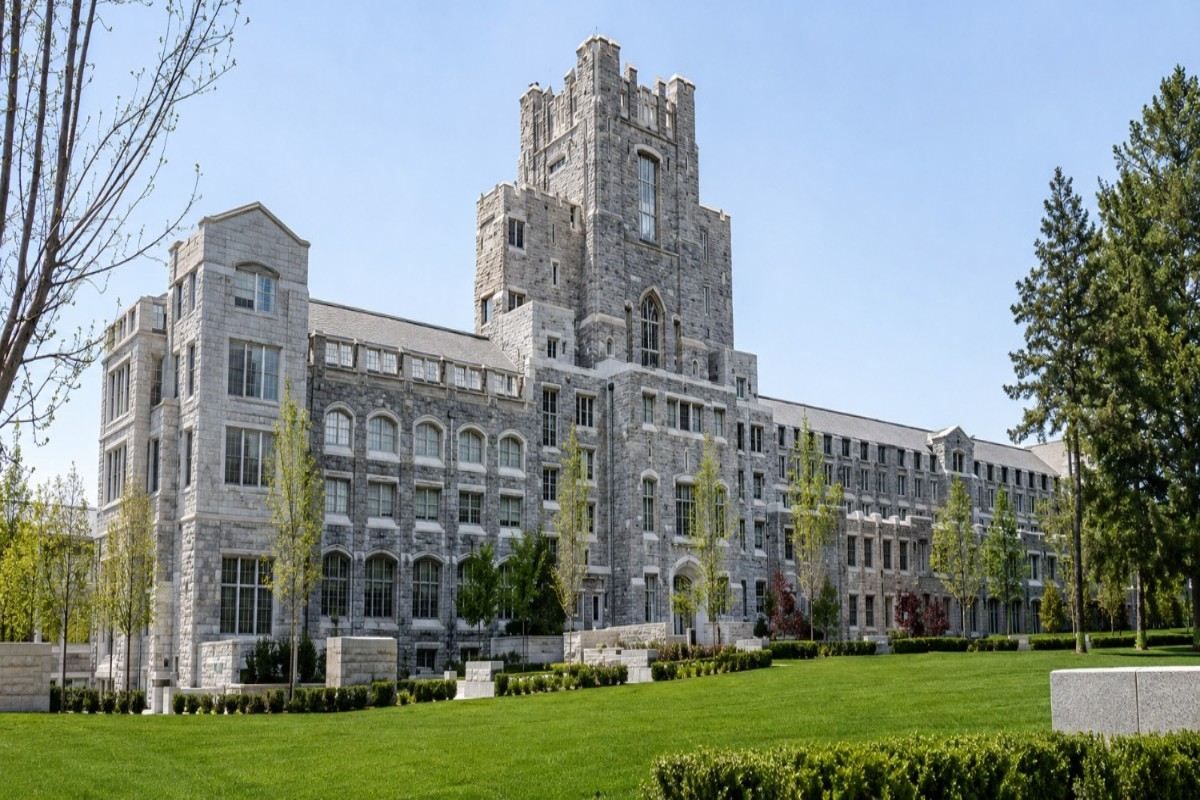 Partner
Explore fees, eligibility, and admission guidance for MBBS in University of British Columbia Faculty of Medicine in Canada.
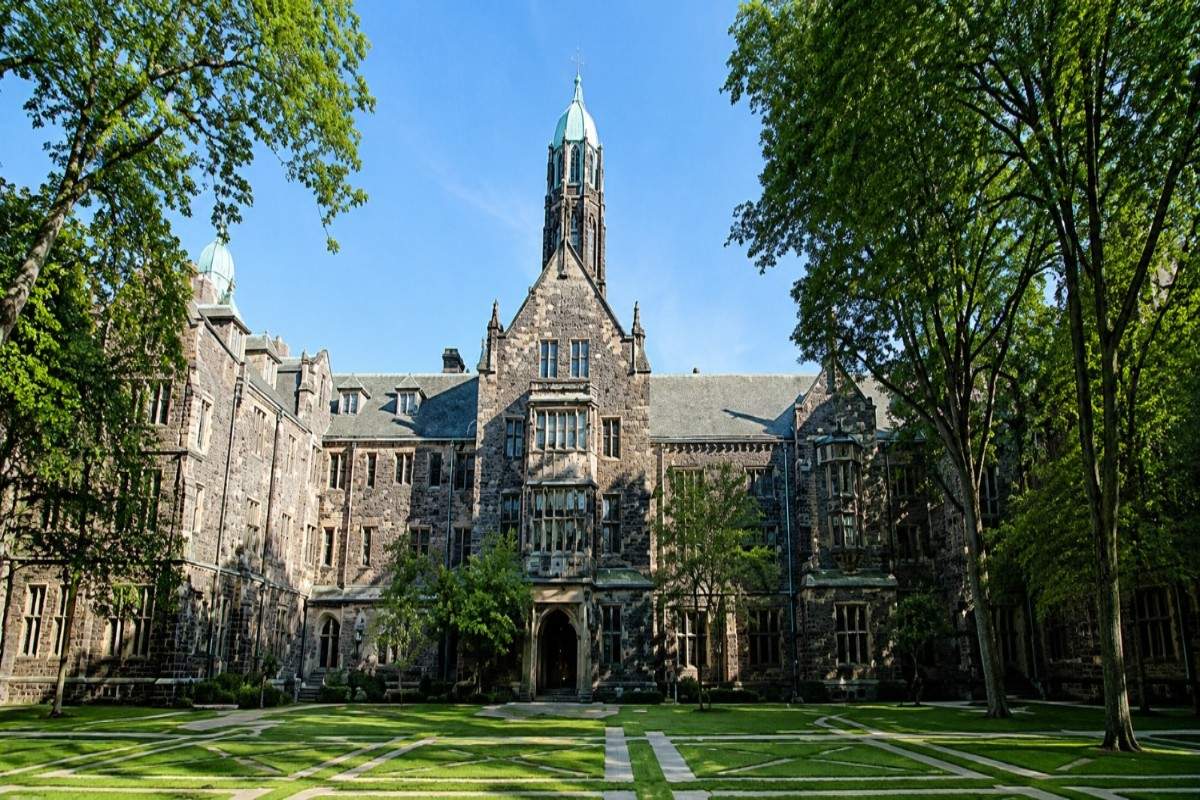 Partner
Explore fees, eligibility, and admission guidance for MBBS in University of Toronto Temerty Faculty of Medicine in Canada.
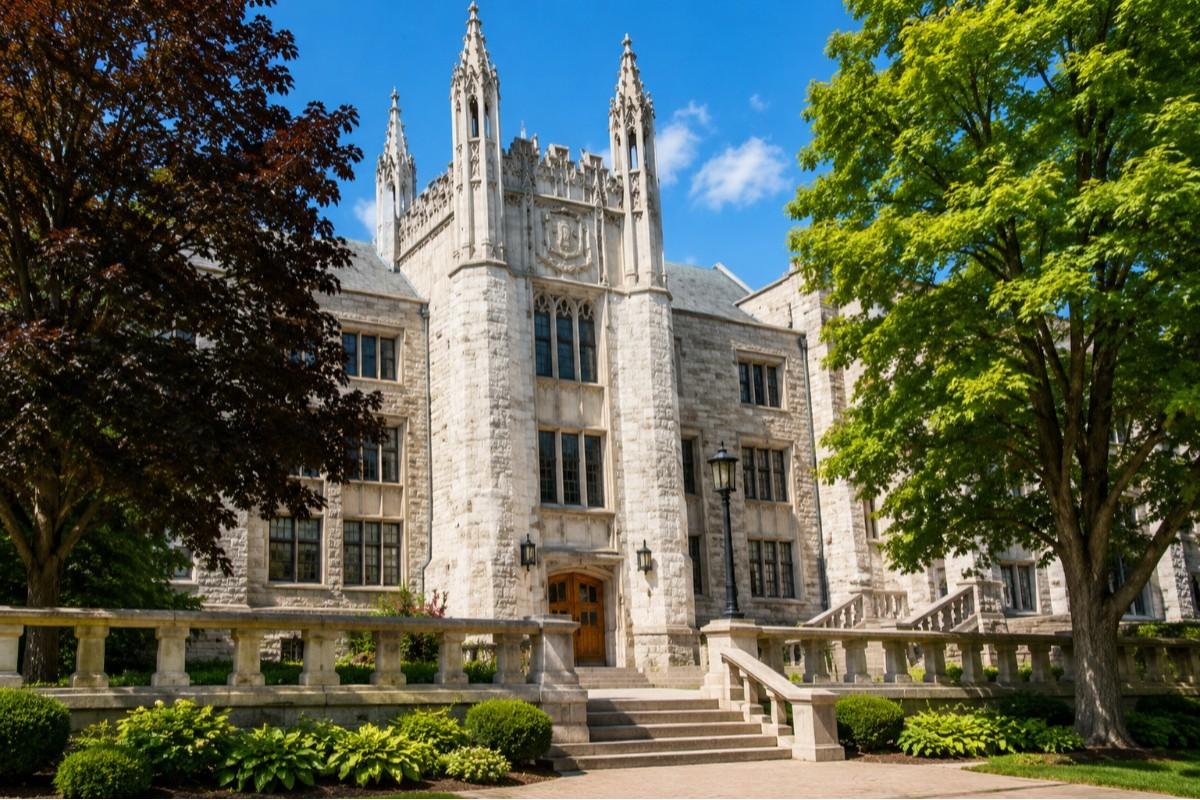 Partner
Explore fees, eligibility, and admission guidance for MBBS in Queen's University Faculty of Health Sciences School of Medicine in Canada.
 Partner
Explore fees, eligibility, and admission guidance for MBBS in Schulich School of Medicine & Dentistry in Canada.
Our team provides university-specific guidance and a full Canada context briefing at every intake. Book a free counselling session →
The canada mbbs fees for indian students must include previous undergraduate education and the MD programme. Using McGill's published international fee components and a hypothetical C$30,000 annual living budget, the four-year MD stage may cost approximately ₹2.35 crore. The preceding bachelor's degree is additional.
Canadian medical universities generally do not admit students directly into a standard MBBS programme after Class 12. Students normally complete several years of undergraduate university education before applying for an MD.
Canadian medical universities generally do not use NEET for admission. However, Indian students planning to return and practise medicine in India must consider applicable NEET and NMC requirements.
The best medical colleges in Canada commonly discussed include the University of Toronto, McGill University, University of British Columbia, McMaster University, University of Alberta and University of Calgary. However, several of these institutions do not accept regular international MD applicants, so eligibility must be checked first.
Canadian medical schools generally require previous university education, strong academic performance, language proficiency and relevant admission assessments such as MCAT or CASPer. Many universities also require Canadian citizenship or permanent residency.
Language requirements vary by medical school. Some programmes may accept previous English-medium education or approved alternatives to IELTS. Medical education in Quebec may involve French-language proficiency requirements.
Many Canadian medical schools require MCAT, but the requirement is not universal. Students must verify the examination criteria of their chosen university.