
Q1. Can international students, including those from India, apply to UBC's MD program?
+No. UBC states directly that it cannot admit international students. Only Canadian citizens, permanent residents, and refugee-status holders may apply.
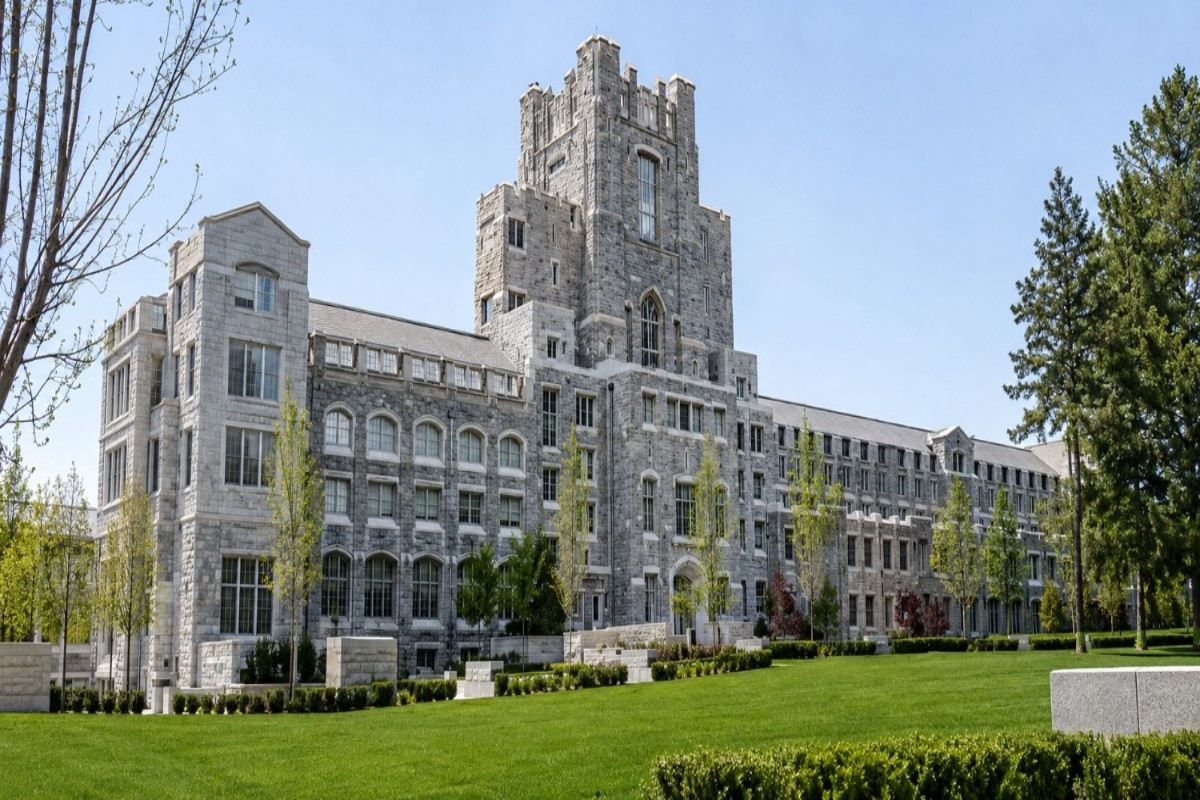
 Canada | Est. 1950
Canada | Committee on Accreditation of Canadian Medical Schools (CACMS) | English medium
Expert will call you within 2 hours
People mostly just call it UBC Medicine for short. It was set up in 1950, and it is still the only medical school in the whole of British Columbia. So, this is not one option among many in its own province. It is the only one. For more than seventy years, this single Faculty has carried the full weight of training doctors for a province that now has over five million people spread across a huge, varied landscape. That is a genuinely large responsibility for one school to carry alone.
Here is the single most important fact to know before anything else. UBC does not accept international students into its MD program. This is stated plainly on the university's own admissions pages, not hidden away in fine print somewhere. Only Canadian citizens, permanent residents, and people with Canadian refugee status can apply. So, unlike most schools covered in guides like this, this one is simply not open to international applicants, no matter how strong their marks are, and no matter how well they perform on tests like the MCAT. This single fact should shape how any reader from outside Canada, including from India, approaches the rest of this page. It is not a small footnote. It is the starting point.
What makes UBC genuinely different, for the Canadian students who can apply, is how the course is spread out. It was the first fully distributed medical program in Canada. Instead of training everyone in one city, students are split across four separate sites. These are the Vancouver-Fraser Medical Program in Vancouver itself, the Southern Medical Program at UBC Okanagan in Kelowna, the Island Medical Program with the University of Victoria, and the Northern Medical Program with the University of Northern British Columbia in Prince George. So, roughly a third of each class ends up training somewhere other than Vancouver for most of their four years. This was a deliberate choice, made to build up doctors for rural and smaller communities across the province, not just its biggest city. Each of these four sites runs its own full teaching program, with its own faculty, its own hospital partners, and its own community connections, rather than simply being a smaller copy of the Vancouver campus.educa
This distributed model did not happen by accident. British Columbia has long faced a real shortage of doctors in its smaller towns and rural regions, since most new graduates from a typical, single-city medical school tend to stay close to wherever they trained. By building genuine, full four-year teaching sites in Kelowna, Victoria, and Prince George, UBC gives students real, sustained exposure to rural and community medicine throughout their whole degree, not just during a short placement near the end. Students who train in Prince George, for example, spend years working alongside doctors who serve Northern British Columbia's genuinely remote communities, building both the clinical skill and the personal comfort needed to consider practising there themselves after graduation.
UBC also runs Canada's largest MD program by class size, with intakes that have grown to 288 students a year. It is the fifth largest program across both Canada and the United States combined. This scale means the Faculty can support a genuinely wide range of teaching resources, research centres, and specialised training opportunities that a smaller program simply could not sustain. In addition, the Faculty has grown well past medicine alone. It now also teaches physical therapy, occupational science and therapy, audiology and speech sciences, midwifery, and population and public health, all under one roof. So, MD students study within a genuinely broad health sciences community, working alongside future physiotherapists, midwives, and public health specialists, not in isolation from the rest of the healthcare system they will eventually join.
Since this is graduate-entry only, applicants need a completed bachelor's degree before they can even apply. A strong MCAT score is required too, alongside a full, competitive application through Canada's standard national process. There is no direct-entry route straight from high school here, which is a real difference from many MBBS-style programs covered elsewhere in guides like this one, where a strong Class 12 result and a qualifying entrance score can be enough to secure a place. At UBC, medicine sits on top of an already-completed undergraduate degree, meaning most successful applicants are already in their early twenties by the time they begin their MD, having spent three or four years building a strong academic record in a related science, or sometimes an entirely unrelated field, beforehand.
UBC's own history traces back to a period when Canada, like many countries, faced a genuine shortage of trained physicians following the Second World War. The Faculty of Medicine was created specifically to address this need within British Columbia itself, rather than leaving the province permanently dependent on doctors trained elsewhere in Canada. Over the decades since, the Faculty has grown from a single small cohort into the large, four-site network it runs today, while keeping its original mission largely the same: training enough doctors, with the right range of skills and community connections, to genuinely serve every part of British Columbia, not just its largest city.
Since UBC does not admit international students, there is no NEET pathway, no international tuition line, and no overseas fee table to give here. What follows instead is the real, published domestic fee structure for eligible Canadian applicants. These are the actual numbers, not just a single average line.
Cost Item | Per Year (CAD) | Notes |
Tuition Fee (Year 1) | CAD 21,006-21,219 | Approx. CAD 21,100 over Year 1 |
Tuition Fee (Year 2) | CAD 19,878-20,348 | Approx. CAD 20,100 over Year 2 |
Tuition Fee (Year 3) | CAD 20,000-21,000 (est.) | Approx. CAD 20,500 over Year 3 |
Tuition Fee (Year 4) | CAD 27,130 | The highest single year, due to added clinical costs |
MD/PhD Combined Rate | CAD 5,850-5,996/year | Replaces standard MD tuition; stipend also given |
Total Estimated (4-Year MD) | — | Approx. CAD 88,000-96,000 over 4 years |
Note: figures are in Canadian dollars, not US dollars or Indian rupees, since this fee structure only applies to Canadian citizens, permanent residents, and refugee-status holders. There is no separate international rate because international applicants are not admitted at all. No capitation fee, no donation, and no hidden charge is asked at any stage for eligible domestic students.
Most lists mention UBC as just another Canadian medical school. However, they do not explain what actually makes it different. The reason is simple. It is about how the whole program is built, and about who can even walk through the door.
UBC is not like most other medical schools. In fact, it runs across four separate cities at once, not one. Furthermore, it was the very first Canadian school to build its whole MD program this way. As a result, a UBC degree carries real weight for training doctors who actually work in smaller, rural communities, not just big cities. Graduates prove this by going on to serve across the whole province, not just Vancouver.
The international restriction also matters more than most guides let on. For example, many other Canadian schools quietly leave the door open a crack for a handful of international seats. UBC does not. Moreover, this is stated directly, not buried in fine print. So, any applicant outside Canada should know this before spending time or money looking into it further.
One thing most other blogs miss is the sheer size of the program. In addition to being spread across four sites, UBC trains 288 students in a single class, more than any other Canadian medical school. Since this scale comes with 71 separate residency programs across the province, graduates get real choice in where they later specialise. They do not need to leave British Columbia to find good training options after their MD.
No hidden charges, no donation. The full picture of costs at MBBS in University of British Columbia Faculty of Medicine.
Tuition Fee
CAD 21,000-27,130/year depending on year of study; no capitation fee
CAD 21,006-27,130, depending on year of study
Hostel Fee
CAD 10,876 to CAD 23,400 for year-round housing,
CAD 10,876 to CAD 23,400 for year-round housing,
Food & Meals
$4,200 to $5,400 CAD per year
per year
Insurance
$7.00 per year for Accident Insurance
per year
Donation
No Donation
No hidden fee
Total Estimated Cost
Approx. CAD 88,000-96,000, tuition only, for eligible domestic students
4 year
25–35%
Average FMGE first-attempt pass rates for students from many overseas medical universities. Students from structured programs consistently score higher.
Students returning to India need to clear the FMGE/NExT exam. MBBS in University of British Columbia Faculty of Medicine integrates exam-oriented coaching into the regular curriculum so students are prepared from day one.
A structured program that takes you from foundational sciences to clinical mastery.
● In addition, students are placed at their assigned distributed site from day one of the program
● First, Anatomy, Physiology, and Biochemistry build the pre-clinical base for the whole course
● Furthermore, early clinical exposure deepens across hospital wards and community clinics
● Next, clinical reasoning and communication skills are added on top of continued basic science
● Moreover, rotations run across both urban and rural settings, depending on the student's site
● Then, full clerkship rotations begin in Medicine, Surgery, and other core specialties
Specialized clinical postings across departments with case presentations.
Paediatrics, Neurology, Ophthalmology, ENT
Students handle patient cases with increasing responsibility.
● In addition, this final year carries the highest single-year tuition, due to added clinical costs
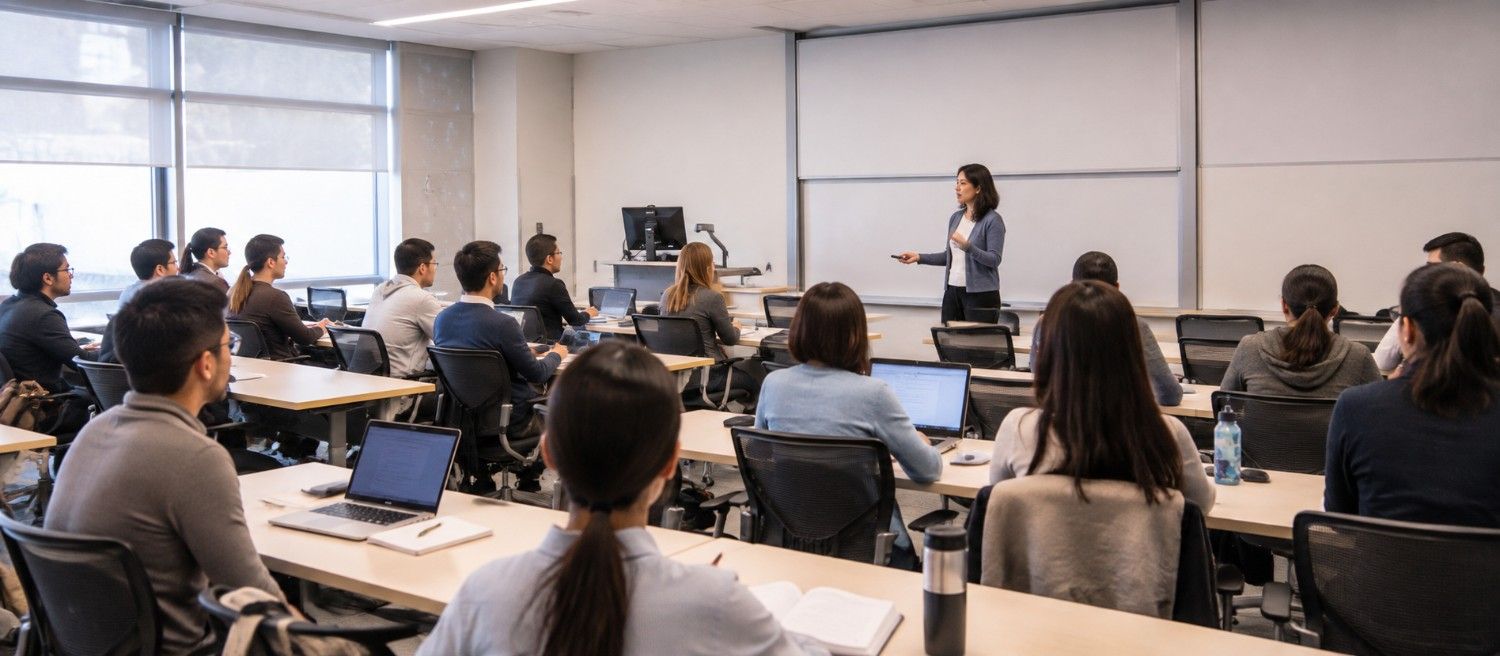
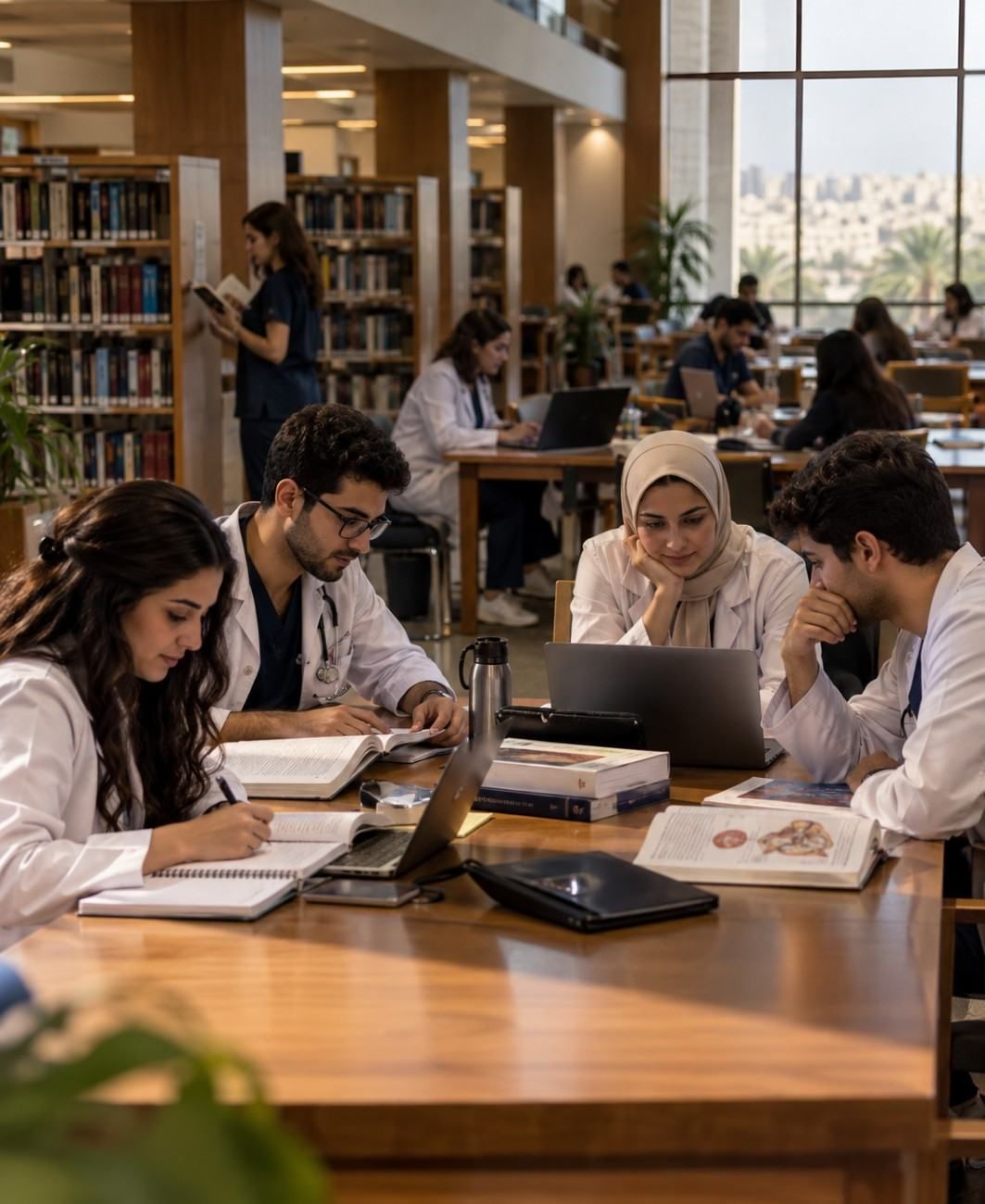
Furnished hostel rooms with Wi-Fi, laundry, 24/7 security, and Indian mess on or near campus.
Indian restaurants and mess facilities serving vegetarian and non-vegetarian home-style food daily.
Strong Indian community with cultural events, festival celebrations, and peer support groups.
Students get hands-on clinical training in government and private hospitals affiliated with the university.
Practical information for students planning to study at MBBS in University of British Columbia Faculty of Medicine.
Prepare for all seasons. Thermal wear for winters, light clothing for summers. University provides heating in hostels.
Student visa processed with university invitation letter. Direct and connecting flights from major Indian cities.
Health insurance included in fees. Medical facility on campus plus city hospitals easily accessible.
Local SIM cards available. WhatsApp and video calls keep you connected with family back home.
Average monthly expenses of $150–$250 covering food, transport, and personal needs.
University library, online databases, and study groups. Seniors mentor juniors through academic challenges.
Our team guides you through every step — from application to arriving on campus.
Our Canada specialist maps your full 7–9-year pathway with the right bachelor's degree, MD application timeline, MCAT preparation, and financial planning.
Our team assists with selecting a pre-med bachelor's programme (in Canada or India) that maximises MD application eligibility at MUN.
Our team manages the IRCC Study Permit for the bachelor's degree stage — biometrics, medical exam, full documentation.
We provide MCAT coaching resources and strategies covering the Biology, Chemistry, Physics, Psychology, and Sociology sections.
We prepare your full MUN MD application package — personal statement, academic references, and transcript management.
Our team submits directly to Memorial University of Newfoundland's Faculty of Medicine admissions office
We receive the MUN offer letter, explain the terms, and manage the initial fee deposit to secure your MD seat.
We manage the second IRCC Study Permit required for the MD programme stage with all updated documentation
Our team coordinate St John's arrival, accommodation check-in, and MUN Faculty of Medicine registration.
Our team maps your 4-year MD academic plan and post-graduation strategy, Canadian residency (CaRMS), USMLE, or India FMGE from the first day onwards.
Admission Helpline — Contact our counsellors for step-by-step assistance.
“The faculty here is incredibly supportive. The clinical training during hospital rotations has given me real confidence in patient care.”
“Affordable fees without compromising on quality. The campus facilities and hostel life made my transition abroad very smooth.”
“English medium instruction and WHO-recognized curriculum were the deciding factors for me. No regrets so far — excellent experience overall.”
“The university helped with everything from visa to accommodation. Hospital exposure from year three has been invaluable for my FMGE prep.”
“Just cleared my licensing exam on the first attempt. The structured coaching and mock exams during final year were a game-changer.”
“Safe campus, good food options, and a strong Indian student community. The teaching methodology is very practical and hands-on.”
No. UBC states directly that it cannot admit international students. Only Canadian citizens, permanent residents, and refugee-status holders may apply.
No, because international applicants cannot apply to this program at all. NEET plays no role in UBC's own admission process.
Around CAD 88,000 to 96,000 for the full four years, tuition only, for eligible Canadian applicants. This does not include living costs.
No. UBC is graduate-entry only. A completed bachelor's degree and a strong MCAT score are both required before applying.
It is not affiliated with another school. UBC runs its own MD program directly, distributed across four sites in British Columbia.
Early clinical exposure begins from Year 1. Full clerkship rotations begin in Year 3, at the student's assigned site.
This is not applicable, since international students, including those from India, cannot enrol in this program in the first place.
Yes, all in English. No separate language test route or bilingual track is offered for this program.
No. Roughly a third of each class trains at one of the other three sites instead, in Kelowna, Victoria, or Prince George.
Yes. The combined MD/PhD program charges a considerably lower tuition rate, and it also comes with an annual research stipend.
Our expert counsellors will guide you through the complete admission process — from documents to airport pickup.