
Q1. Is this program taught in English?
+A. No. The entire MD program runs in French, with no English-taught track.
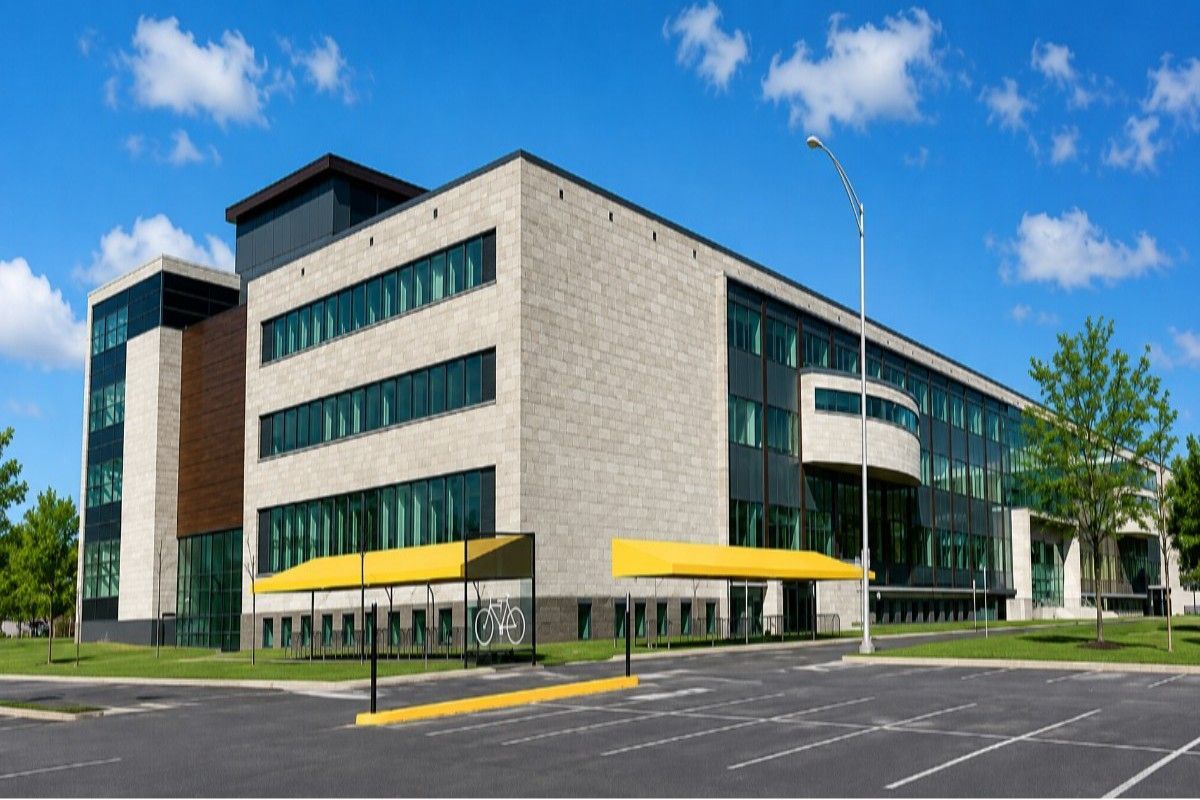
 Canada | Est. 1852
Canada | Accredited under Canada's standard Committee on Accreditation of Canadian Medical Schools (CACMS) framework. Listed in the WHO/WFME World Directory of Medical Schools. | French only. No English-taught track exists at any stage medium
Expert will call you within 2 hours
Université Laval holds a truly unique spot in the story of French-language schools in North America. It was founded in 1852. It was the first fully French-speaking university built anywhere on the continent. Its roots run even deeper, back to the Séminaire de Québec, founded in the 1600s. Its Faculty of Medicine was one of Laval's four first faculties, along with Arts, Theology, and Law. It began in 1854. This makes it one of the oldest medical faculties in North America. It was also the very first French-language medical faculty ever built in Canada.
That start was not just a proud moment on paper. It solved a real, everyday problem. This problem hit French-speaking people in Quebec at the time. Before Laval's Faculty of Medicine existed, French-speaking students had one real choice. That choice was McGill University. McGill held near full control over medical training in the province. It taught only in English. This left many bright French-speaking students stuck. They could study in a language that was not their own. Or they could give up on medicine as a career.
Laval's first dean was a doctor named Jean Blanchet. He opened the faculty's first classes on 25 September 1854. Only six professors worked there at first. That was a small start for what grew into one of Canada's largest medical schools. By 2016, the faculty held close to 4,541 teachers, professors, and lecturers on staff. It trained around 4,250 students across its health science courses. The faculty ran for its early years from a downtown Quebec City site, dating back to 1851. It later moved to its current Sainte-Foy campus in 1957. That move matched the university's wider growth after the war. This growth mirrored a wider trend across Canada, where many older universities expanded fast in the postwar decades to meet rising student demand.
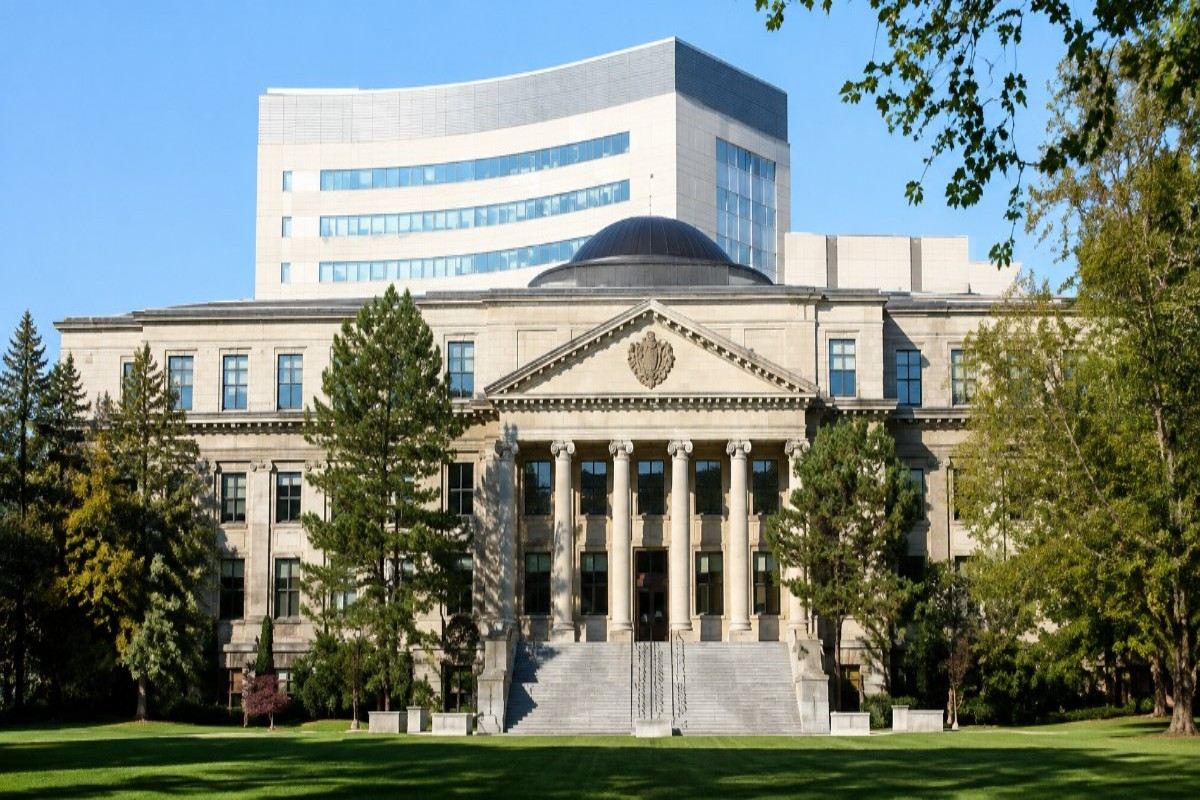
Today, the Faculty of Medicine sits inside a university tightly bound to Quebec City itself. It sits between the city's old fortified walls and the banks of the Saint Lawrence River. This mix blends centuries of history with a real, active student community. The faculty's own materials call Quebec City a strong balance of lively city life and easy nature access. That is a fair way to describe a capital city that feels both old and alive at once. Students here walk past stone buildings that date back hundreds of years, then head into modern labs and lecture halls built for today's medical training.
What truly sets Laval apart from other Quebec medical schools is the size of its clinical training network. Laval's training sites spread across a huge stretch of Quebec's own land. This runs from Joliette, north of Montreal, all the way to the Îles-de-la-Madeleine. That is a remote island chain, far out in the Gulf of Saint Lawrence. It stretches even further, to Kuujjuaq. This is a town deep in Quebec's north. It sits in the Nunavik region, home to a large Inuit population. Few medical schools anywhere can match a training net this wide. It spans big city hospitals and remote northern towns alike. A student who trains across even part of this network sees a slice of Quebec's full mix of places and people. A single city hospital could never offer that same range. This spread also teaches students to work with very different levels of gear on hand. One day it might be a fully stocked city hospital. The next, it might be a tiny clinic reachable only by plane.
The MD course itself carries a French name: the Doctorat de 1er cycle en médecine. It follows the same basic four-year shape used across Canadian medical schools. It centres on the faculty's main hospital partner, CHU de Québec. This is the chief hospital network serving Quebec City and the wider area. As with Quebec's other French-language medical schools, the whole course runs in French. No English-taught track exists at any stage. This means every lecture, every exam, and every conversation with a patient happens in French, right from a student's very first day.
Now comes the single most important fact for anyone reading this from outside Quebec. It needs to be said plainly, not softened. Laval's own pattern, per outside admissions research looking at the faculty's own category setup, typically holds just one seat for candidates from other Canadian provinces. It holds just one seat for the entire pool of international applicants. This applies to any given incoming class. This is not a one-off dip in an unusually tough year. It reflects how Laval sets up its admission groups as standing policy. It splits applicants into Quebec-based groups, such as CEGEP students, Quebec university students, and Quebec workers. Each group follows its own entry rules. Alongside these sit two razor-thin non-Quebec groups. Laval's own materials say this plainly too. The faculty gives what it calls strong, near-total preference to Quebec-based candidates. For scale, this makes Laval's international intake even tighter than McGill's roughly one-seat mark, UdeM's small handful of non-Quebec seats, or Sherbrooke's looser "limited numbers" rule. Among every school in this series, Laval holds the tightest real path for a true international applicant. It is worth being honest about this early, rather than letting a hopeful applicant discover it only after months of preparation.
Some candidates already hold a finished foreign medical degree. They are not fresh undergraduates chasing a first MD. For them, Laval runs a separate track. As with UdeM, this path runs through Quebec's Collège des médecins, known as the CMQ. This body handles medical licences and checks foreign medical training for anyone who wants to practise in the province. This path exists only for doctors trained abroad who want their training recognised, and later, a licence to work in Quebec. It is not for a first-time medical student picking a school. It carries its own full, separate set of rules, apart from the normal undergraduate MD process above. Anyone already holding a medical degree from another country should treat this as a completely different application process, with its own paperwork, timelines, and review steps.
On cost, Laval follows the same broad Quebec fee system used across the province's public schools. This includes the higher, open-market rate long applied to professional courses like medicine, for international students. As with UdeM and Sherbrooke, no single, clear, medicine-specific fee for international students turned up in public search. Given how few real seats exist here, this sits low on the list of real concerns. In truth, the fee question mostly matters to the one lucky international candidate, out of maybe hundreds or thousands of hopefuls, who might land that single seat in a given year. That candidate should check exact costs straight with Laval's Bureau du registraire before making any real plans. Spending a great deal of time and energy pricing out a seat that may never become available would not serve most readers well.
Life in Quebec City carries its own real flavour, apart from Montreal, Sherbrooke, or any other Canadian city in this series. It is home to Quebec's provincial government. It holds UNESCO World Heritage status for its old town centre. French gets spoken even more widely in daily life here than in Montreal itself. That makes it a genuinely useful place to sharpen strong academic French. Winters run long and cold, with heavy snow that shapes much of daily life for half the year, while summers bring a lively festival season and busy outdoor cafes along the old streets. Students who do make it here often speak warmly about the close, tight-knit feel of the campus, helped by the fact that the whole medical school shares one common language and culture.
For the rare international hopeful who might truly compete for that one open seat, ideally someone with excellent French already and a strong, well-rounded record, Laval offers one of the oldest, most meaningful medical educations in Canada. It sits inside one of the country's most distinct cities. For nearly everyone else, this page exists to give a clear, honest picture of just how narrow that door really is, rather than suggest otherwise. Readers weighing a serious application anywhere in Quebec's medical system should treat Laval as the toughest realistic option among them, and plan their broader strategy with that fact firmly in mind from the very start.
No hidden charges, no donation. The full picture of costs at MBBS In Université Laval Faculté de Médecine.
Tuition Fee
Approx. CAD 56,500–70,000/year (₹35–43 lakh/year)
₹28–34 lakh/year
Hostel Fee
Approx. CAD 7,000–10,000/year
₹4.5–6.5 lakh/year • Food: ₹2.3–3 lakh/year
Food & Meals
Approx. CAD 3,600–4,800/year (CAD 300–400/month)
per year
Insurance
Approx. CAD 900/year
per year
Donation
No Donation
No Capitation Fee
Total Estimated Cost
Approx. CAD 56,500–70,000/year (₹35–43 lakh/year)
total 4 year
25–35%
Average FMGE first-attempt pass rates for students from many overseas medical universities. Students from structured programs consistently score higher.
Students returning to India need to clear the FMGE/NExT exam. MBBS In Université Laval Faculté de Médecine integrates exam-oriented coaching into the regular curriculum so students are prepared from day one.
A structured program that takes you from foundational sciences to clinical mastery.
Students build a strong foundation in biomedical sciences through lectures, laboratory sessions, small-group learning, and introductory clinical skills while understanding the role of physicians in healthcare
Fundamental Medical Sciences I–III, Human Anatomy, Physiology, Biochemistry, Clinical Approach I, Physician, Medicine & Society I
The curriculum integrates organ-system-based learning with clinical reasoning, communication skills, patient-centered care, and interdisciplinary collaboration before entering clinical clerkships.
Respiratory System, Cardiovascular System, Digestive System, Urinary System, Clinical Approach II–III, Integration Courses, Interprofessional Collaboration
Students begin supervised clinical rotations across teaching hospitals and healthcare centers, gaining hands-on experience in patient assessment, diagnosis, and treatment.
Internal Medicine, General Surgery, Pediatrics, Obstetrics & Gynecology, Psychiatry, Family Medicine, Medical Imaging, Clinical Skills
The final year emphasizes advanced clinical responsibility, elective rotations, emergency and community care, research opportunities, and comprehensive preparation for residency training.
Emergency Medicine, Public Health, Geriatrics, Palliative Care, Elective Clinical Rotations, Research Electives, Transition to Residency
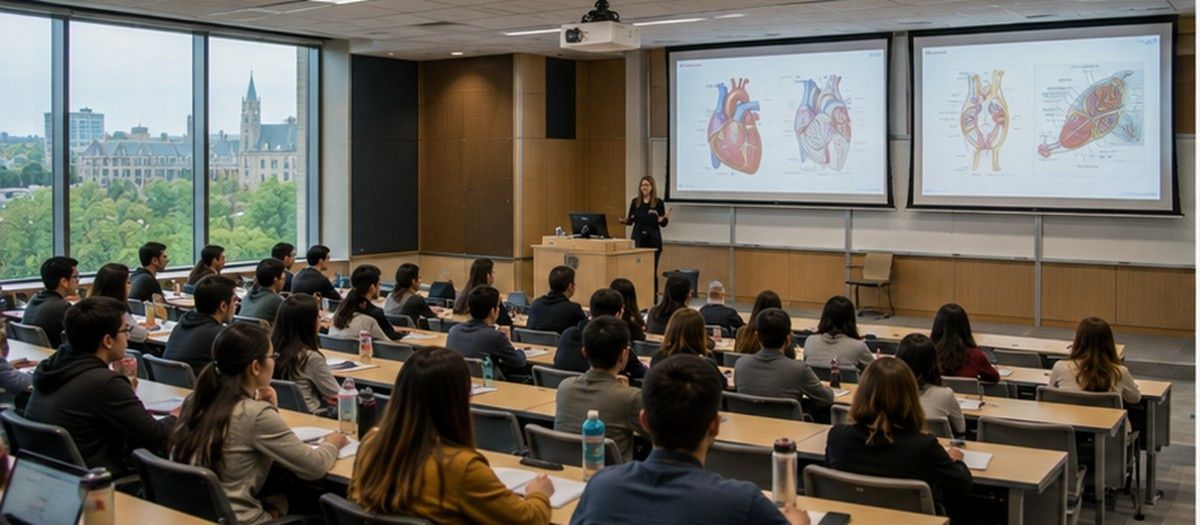
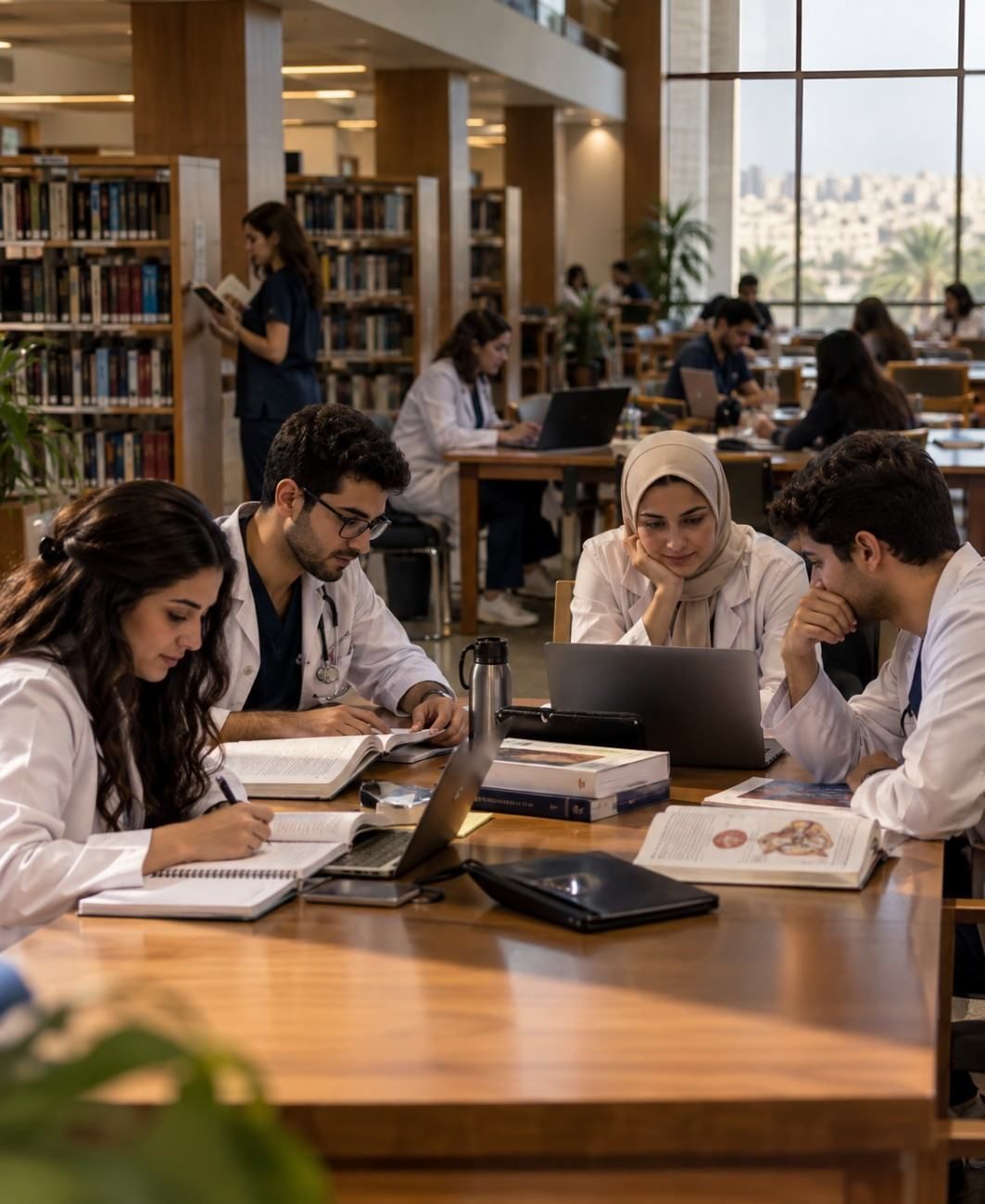
Furnished hostel rooms with Wi-Fi, laundry, 24/7 security, and Indian mess on or near campus.
Indian restaurants and mess facilities serving vegetarian and non-vegetarian home-style food daily.
Strong Indian community with cultural events, festival celebrations, and peer support groups.
Students get hands-on clinical training in government and private hospitals affiliated with the university.
Practical information for students planning to study at MBBS In Université Laval Faculté de Médecine.
Prepare for all seasons. Thermal wear for winters, light clothing for summers. University provides heating in hostels.
Student visa processed with university invitation letter. Direct and connecting flights from major Indian cities.
Health insurance included in fees. Medical facility on campus plus city hospitals easily accessible.
Local SIM cards available. WhatsApp and video calls keep you connected with family back home.
Average monthly expenses of $150–$250 covering food, transport, and personal needs.
University library, online databases, and study groups. Seniors mentor juniors through academic challenges.
Our team guides you through every step — from application to arriving on campus.
Our Canada specialist maps your full 7–9-year pathway with the right bachelor's degree, MD application timeline, MCAT preparation, and financial planning.
Our team assists with selecting a pre-med bachelor's programme (in Canada or India) that maximises MD application eligibility at MUN.
Our team manages the IRCC Study Permit for the bachelor's degree stage — biometrics, medical exam, full documentation.
We provide MCAT coaching resources and strategies covering the Biology, Chemistry, Physics, Psychology, and Sociology sections.
We prepare your full MUN MD application package — personal statement, academic references, and transcript management.
Our team submits directly to Memorial University of Newfoundland's Faculty of Medicine admissions office
We receive the MUN offer letter, explain the terms, and manage the initial fee deposit to secure your MD seat.
We manage the second IRCC Study Permit required for the MD programme stage with all updated documentation
Our team coordinate St John's arrival, accommodation check-in, and MUN Faculty of Medicine registration.
Our team maps your 4-year MD academic plan and post-graduation strategy, Canadian residency (CaRMS), USMLE, or India FMGE from the first day onwards.
Admission Helpline — Contact our counsellors for step-by-step assistance.
“The faculty here is incredibly supportive. The clinical training during hospital rotations has given me real confidence in patient care.”
“Affordable fees without compromising on quality. The campus facilities and hostel life made my transition abroad very smooth.”
“English medium instruction and WHO-recognized curriculum were the deciding factors for me. No regrets so far — excellent experience overall.”
“The university helped with everything from visa to accommodation. Hospital exposure from year three has been invaluable for my FMGE prep.”
“Just cleared my licensing exam on the first attempt. The structured coaching and mock exams during final year were a game-changer.”
“Safe campus, good food options, and a strong Indian student community. The teaching methodology is very practical and hands-on.”
A. No. The entire MD program runs in French, with no English-taught track.
A. Typically, just 1 per incoming class, according to independent admissions research, alongside 1 seat for applicants from other Canadian provinces. This is the narrowest international intake of any school in this series.
A. Not clearly published as a confirmed medicine-specific figure for international students; likely comparable to other Quebec medical program rates. Given the seat scarcity, confirm this only if genuinely shortlisted.
A. Yes, under standard National Medical Commission rules, though realistic admission odds here are extremely low.
A. It was the first Francophone medical faculty founded in Canada, created specifically because French-speaking Quebec students previously had only McGill's English-language program available to them.
A. Across an unusually wide network spanning from Joliette near Montreal to the remote Îles-de-la-Madeleine and Kuujjuaq in northern Quebec, anchored by CHU de Québec.
A. Yes, through Quebec's Collège des médecins (CMQ) equivalence process, though this is a separate track from standard undergraduate MD admissions.
A. Almost exclusively Quebec residents. This is the least accessible school in this entire series for a genuine international applicant, given both the 1-seat quota and the strict French-language requirement.
A. Laval is a publicly funded, French-language university built specifically to serve Quebec's French-speaking population. Its admissions categories are structured around Quebec residency status by design, not as an incidental side effect, which is why the non-Quebec and international categories stay so narrow year after year, rather than fluctuating with demand.
A,
Our expert counsellors will guide you through the complete admission process — from documents to airport pickup.