
Q1. Does NMC in India recognizes BSMI in 2026?
+Yes. BSMI has the recognition of NMC since 2007 and is listed with WDOMS since 1998. It is advised to check the present status in WDOMS website before joining as it is checked periodically.
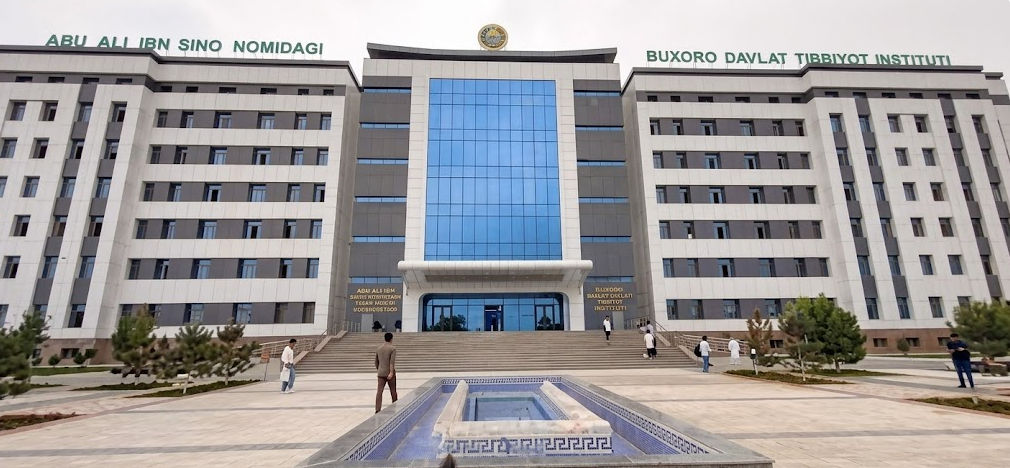
 Uzbekistan | Est. 1990
Uzbekistan | NMC (India), WHO, WDOMS listed — NOTE: Subject to NMC FMGL advisory April 2026; verify compliance before admission | English medium
Expert will call you within 2 hours
Scroll through enough "MBBS in Uzbekistan" blogs, and you'll notice they all reach for the same two lines about Bukhara State Medical Institute: cheap fees and a good FMGE result. Both are true, but neither tells you why, and neither mentions the one number that should make you ask a follow-up question before you sign anything.
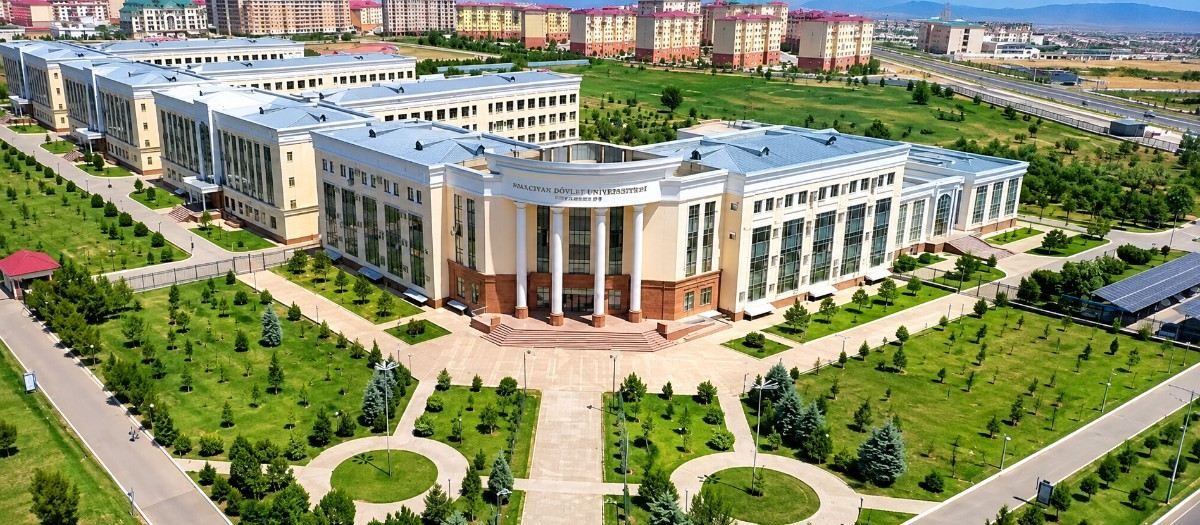
BSMI was established in 1990 and is named after Abu Ali ibn Sino, better known in the West as Avicenna, the 10th-century physician whose medical canon shaped both Islamic and European medicine for centuries. That's not just a nice historical footnote; the institute leans heavily on this legacy in its branding, and it's a genuinely old, established institution rather than a newer private setup chasing international enrolment.
The city itself is worth pausing on. Bukhara is a UNESCO World Heritage city, one of the oldest continuously inhabited cities in Central Asia, but it is not Tashkent. It's smaller, quieter, and far less internationally connected; the nearest airport handles a fraction of the traffic Tashkent's does, so most international students transit through the capital first. If you want a fast-paced, cosmopolitan campus city, this isn't quite it. If you want a calmer setting with a strong sense of history, it fits well.
The MBBS program moved to English medium in 2005, and NMC recognition followed in 2007, so the college has now run an English-taught, India-facing program for two decades, not just since the recent Uzbekistan MBBS boom. Current enrolment is roughly 2,800 students from about 18 countries, with the Indian cohort of around 600 students forming the largest international group on campus.
What the Cost Actually Looks Like
This is the one area where you genuinely cannot trust a single blog's number. Total 6-year cost estimates for BSMI floating around the internet right now range from about USD 19,000 on the low end to over USD 44,000 on the high end, a gap wide enough to change your entire family's budgeting conversation. Most of that spread comes down to whether food, visa extension, and one-time registration charges are folded into the headline number or listed separately. The table below reflects the figures that show up most consistently across current sources, but get the institute's own fee letter before transferring any money.
Cost Item | Per Year (USD / INR approx.) | 6-Year Total (INR approx.) |
Tuition Fee | USD 3,500 | INR 3.02 lakh | INR 18.1 lakh (6 years) |
Hostel Fee | USD 600 | INR 51,600 | INR 3.1 lakh (6 years) |
Food & Mess | USD 960–1,440 | INR 83,000–1.24 lakh | INR 5–7.4 lakh |
First-Year Extras (visa, registration) | USD 400–500 (Year 1 only) | INR 35,000–43,000 one-time |
Travel (India–Uzbekistan) | Depends on airline and season | INR 40,000–70,000 total |
Total Estimated (course + living) | — | INR 22–25 lakh approx. |
Note: INR conversions assume roughly 86 INR per USD. BSMI does not charge a donation or capitation fee; admission is based on NEET score and document verification, not a side payment, as several agents independently confirm.
Why Bukhara Gets Reduced to One Statistic
Every Uzbekistan MBBS blog this year leads with the same headline: BSMI's FMGE pass rate jumped to 47.83% in 2024, and to 35.76% in 2025, the highest among Uzbek universities with a meaningful number of candidates. That's accurate, and it's a genuinely strong result. What almost nobody puts next to it is the number from the year before, 15.79% in 2023. A jump from roughly 1 in 6 candidates passing to nearly 1 in 2 passing in a single year is a big enough swing that it deserves a question, not just a celebration. It could reflect a real, sustained improvement in teaching and FMGE coaching. It could also be one strong batch. Ask the institute or your consultant for the 2025 figure before you treat 47.83% as the new normal.
The Avicenna name is the other underused angle. Most competitor pages mention it in one throwaway sentence. BSMI actively markets its medical history programs and ties to Ibn Sino's legacy. For students who care about the institution having genuine academic roots rather than being a recently built enrolment factory, that history is a real point in its favor; two decades of English-medium, India-facing teaching is nothing.
And here's something no other Bukhara blog has covered yet because it happened this week: on August 30, 2026, Uzbekistan announced a 30-day visa-free entry regime for Indian citizens, alongside a broader push for tourism and trade cooperation during PM Modi's state visit to Tashkent. As of now, the announcement has been made, but the decree hasn't been formally published, so Indian travelers still need the standard e-visa. More importantly for MBBS aspirants — this applies to short tourist stays, not long-term student visas so that it won't change your actual admission or visa process for now. But it does signal warming ties between the two countries, and it's worth watching in case it eventually extends to easier student-visa processing down the line.
No hidden charges, no donation. The full picture of costs at Bukhara State Medical Institute.
Tuition Fee
Approx. USD 3,000–3,500 per year (approx. ₹2.5–2.9 lakh per year)
approximately USD 3,500/year
Hostel Fee
Approx. USD 600–700 per year (approx. ₹50,000–58,000 per year
approximately USD 600/year
Food & Meals
USD 80–120
month
Insurance
USD 100–150
year
Donation
no donation
no hidden fee
Total Estimated Cost
approximately INR 22–25 lakh
6 Year
25–35%
Average FMGE first-attempt pass rates for students from many overseas medical universities. Students from structured programs consistently score higher.
Students returning to India need to clear the FMGE/NExT exam. Bukhara State Medical Institute integrates exam-oriented coaching into the regular curriculum so students are prepared from day one.
A structured program that takes you from foundational sciences to clinical mastery.
● In addition, Latin medical terminology and basic Uzbek/Russian language orientation are introduced for day-to-day campus life
● First, Anatomy, Physiology, and Biochemistry form the academic core, taught through lectures and lab sessions
● Furthermore, early exposure to Public Health and Hygiene rounds out the classroom-heavy phase
● Next, Microbiology, Pathology, and Pharmacology are added to the coursework
● Moreover, supervised hospital observation begins at BSMI's affiliated teaching hospitals in Bukhara
● Then, Pathophysiology and Propaedeutics of Internal Diseases mark the shift toward clinical thinking
● In addition, Pediatrics and Infectious Diseases are introduced through dedicated postings
● After that, Internal Medicine, General Surgery, and Obstetrics & Gynecology form the backbone of this year
● Furthermore, state examinations conducted by the institute close out this year ahead of the internship
● Subsequently, advanced rotations continue across Surgery, Medicine, and the allied specialties, including Psychiatry and Dermatology
● Also, many Indian students use this year for structured FMGE or NExT preparation, often with support from BSMI's Indian faculty
● Finally, a 12-month rotating internship covers Medicine, Surgery, Pediatrics, and Obstetrics & Gynecology
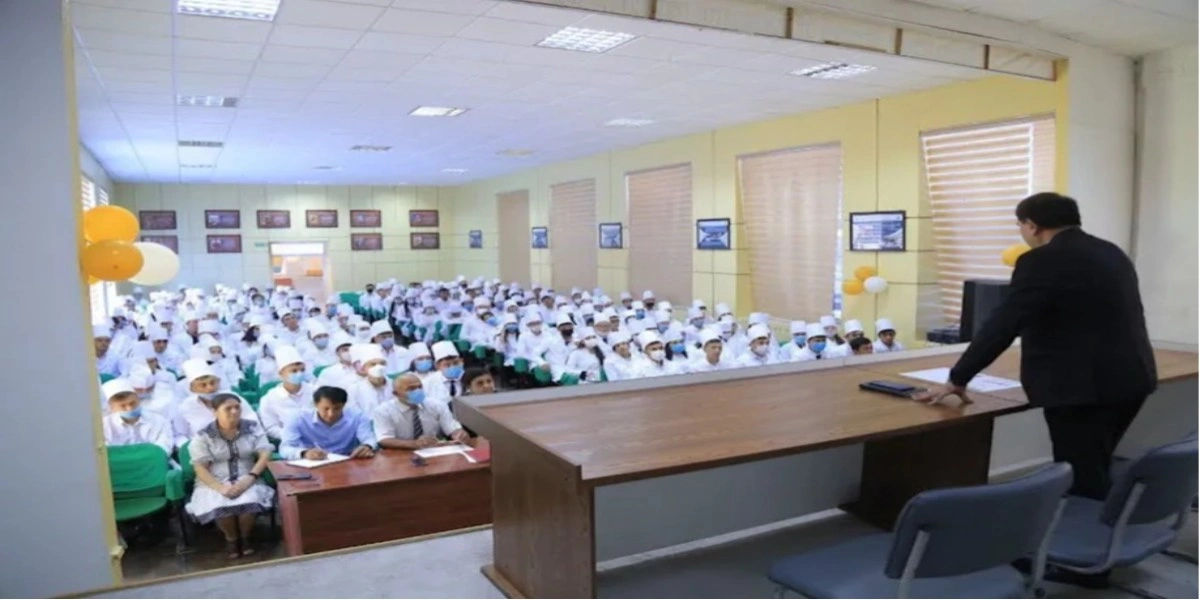
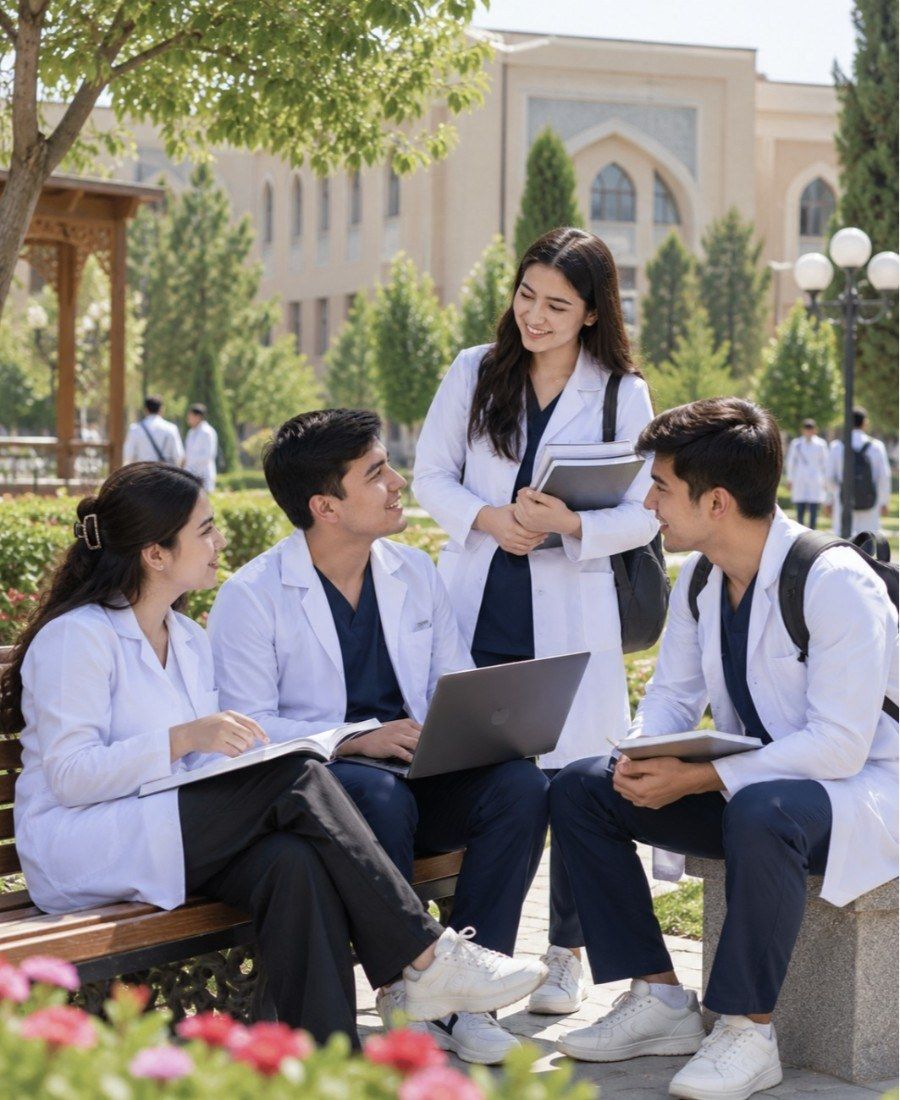
Furnished hostel rooms with Wi-Fi, laundry, 24/7 security, and Indian mess on or near campus.
Indian restaurants and mess facilities serving vegetarian and non-vegetarian home-style food daily.
Strong Indian community with cultural events, festival celebrations, and peer support groups.
Students get hands-on clinical training in government and private hospitals affiliated with the university.
Practical information for students planning to study at Bukhara State Medical Institute.
Prepare for all seasons. Thermal wear for winters, light clothing for summers. University provides heating in hostels.
Student visa processed with university invitation letter. Direct and connecting flights from major Indian cities.
Health insurance included in fees. Medical facility on campus plus city hospitals easily accessible.
Local SIM cards available. WhatsApp and video calls keep you connected with family back home.
Average monthly expenses of $150–$250 covering food, transport, and personal needs.
University library, online databases, and study groups. Seniors mentor juniors through academic challenges.
Our team guides you through every step — from application to arriving on campus.
Filter by current NMC advisory status first, then fees, city, and FMGE track record, immediately after the NEET result (May–June).
Mark sheets, NEET scorecard, and passport scans are submitted online (June–July), taking roughly 1–2 weeks.
The university checks eligibility and issues the admission/invitation letter, typically within 1–3 weeks.
Year 1 tuition and hostel fee are paid in USD, typically before visa processing begins.
Filed with the invitation letter, passport, and photographs; realistic processing time is 2–4 weeks (July–August).
Winter clothing, document folder, travel/health insurance, and confirmed airport-pickup arrangements finalized directly with the university’s international office in the final weeks before departure.
Travel to Uzbekistan (direct Delhi–Tashkent flight, 3–3.5 hours), airport pickup, and onward travel to the university city, by Afrosiyob high-speed train for Samarkand/Bukhara, or road transfer for Fergana Valley cities, followed by hostel check-in, timed to the intake date (August–September for the main intake, January–February for the smaller spring intake at select universities).
Residence permit and local registration with local authorities completed within the first week of arrival, alongside local SIM registration.
Admission Helpline — Contact our counsellors for step-by-step assistance.
“The faculty here is incredibly supportive. The clinical training during hospital rotations has given me real confidence in patient care.”
“Affordable fees without compromising on quality. The campus facilities and hostel life made my transition abroad very smooth.”
“English medium instruction and WHO-recognized curriculum were the deciding factors for me. No regrets so far — excellent experience overall.”
“The university helped with everything from visa to accommodation. Hospital exposure from year three has been invaluable for my FMGE prep.”
“Just cleared my licensing exam on the first attempt. The structured coaching and mock exams during final year were a game-changer.”
“Safe campus, good food options, and a strong Indian student community. The teaching methodology is very practical and hands-on.”
Yes. BSMI has the recognition of NMC since 2007 and is listed with WDOMS since 1998. It is advised to check the present status in WDOMS website before joining as it is checked periodically.
Indeed, Visa is required during the whole period of study. By late August 2026, Uzbekistan has adopted the policy of visa free entry for tourist visas for Indian citizens who stay for up to 30 days only, not for study visa. Hence, the procedure for admission and visa for MBBS aspirants remains unchanged till now.
There is a considerable variation in the fee quoted by different agencies. It could range from $19,000 to more than $44,000 for six years depending upon the inclusion of fee structure. The approximate fee would be about INR 22-25 Lakhs. Please verify the exact fee from BSMI Fee Letter.
Yes, NEET UG score is mandatory for all the Indian students without any other entrance exam.
It is indeed a good result for 2025, but there was a much worse percentage of 15.79% in 2023. You should take it as a good omen and ask for the recent percentages before taking anything for granted.
The systematic observation of hospitals begins in the 3rd year, while clinical rotations commence in the 4th year onward.
If they have cleared the FMGE or NExT, yes. The FMGE is an obligatory licensing exam for all foreign medical practitioners to practice in India.
Yes, entirely in English since 2005, though basic Russian or Uzbek helps in day-to-day life and in some clinical ward interactions with local patients.
No. According to several sources, admission to the program will be based on the NEET score and document verification, without any donation/capitation.
It's smaller, quieter, and steeped in history, but has noticeably less international flight connectivity than Tashkent, so most students transit through the capital. It suits students who prefer a calmer setting over a fast-paced capital-city campus life.
Our expert counsellors will guide you through the complete admission process — from documents to airport pickup.