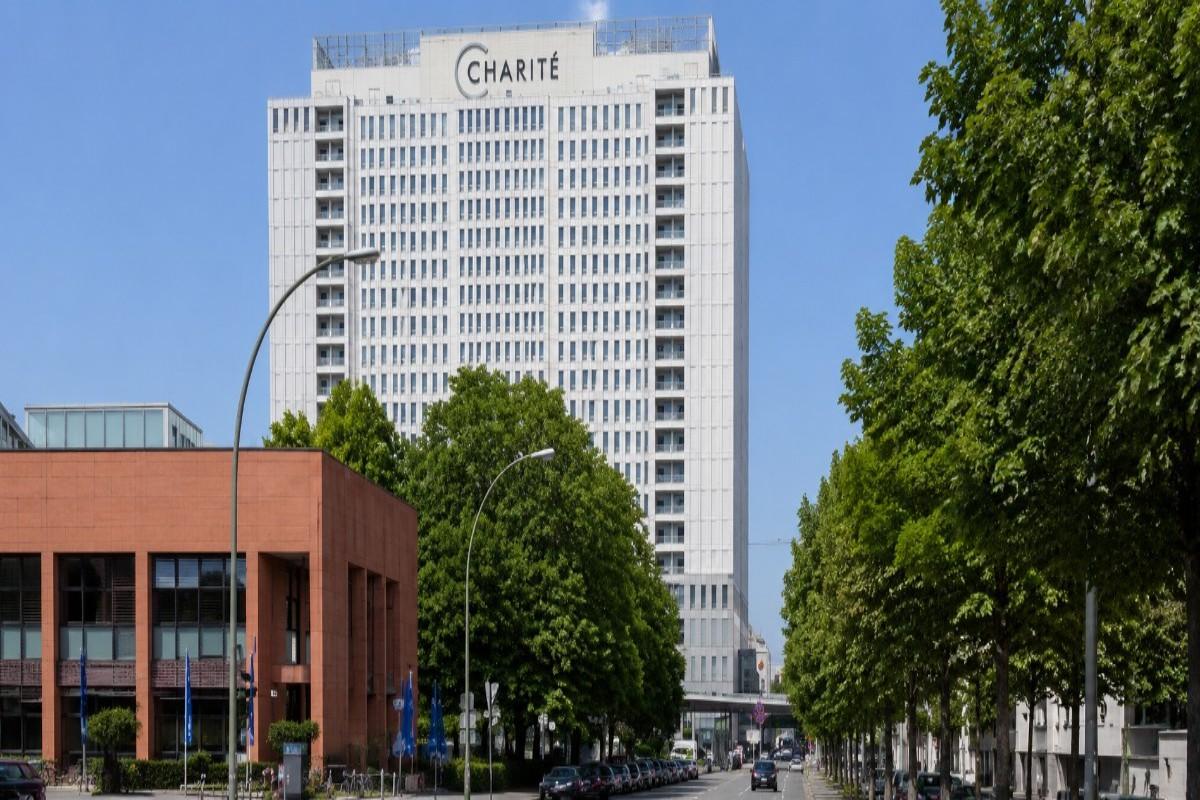
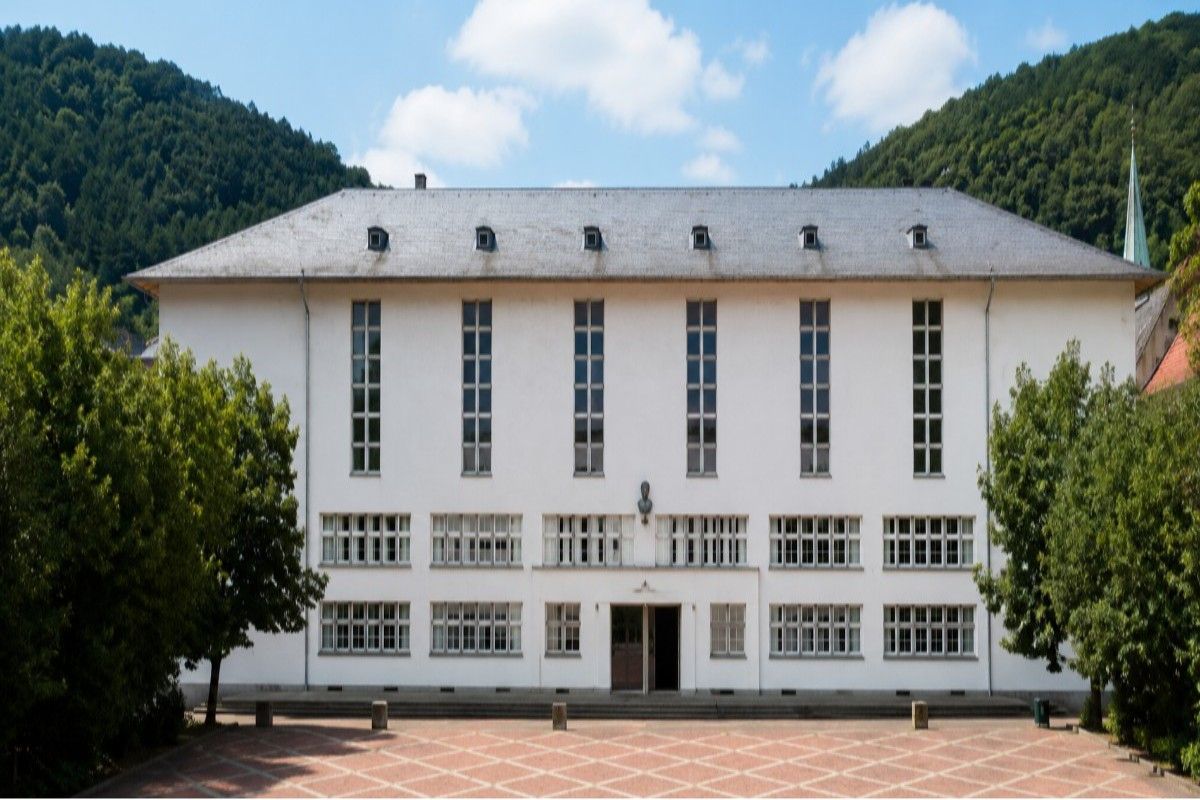
Charité – Universitätsmedizin Berlin is one of Europe's oldest and largest university hospitals. It has shaped medical progress for over 300 years. The institution was founded in 1710. Back then, Berlin faced a devastating plague epidemic. The city needed a hospital urgently. So they built one. That emergency response turned into something extraordinary.
By 1727, Charité had grown beyond a simple plague hospital. It became a military hospital. It also became a medical training centre. Fast forward to today. Charité now operates as the joint medical faculty of two prestigious Berlin universities. These are Freie Universität Berlin and Humboldt-Universität zu Berlin. This partnership creates something special. You get research depth and academic breadth that very few medical schools worldwide can match.
The name 'Charité' carries real weight in medical history. Think about German doctors who won Nobel Prizes in medicine and physiology. More than half of them studied or worked at Charité. This isn't coincidence. This is legacy.
Consider Robert Koch. He was a physician at Charité. He identified the bacteria that causes tuberculosis. TB was killing millions of people. Koch's discovery changed everything. Then there's Paul Ehrlich. He also worked at Charité. He laid the foundations of modern immunology. He taught us how our bodies fight disease.
These aren't just historical names in textbooks. They represent something living at Charité today. There's a culture here. It's a culture of scientific curiosity. It's a culture of rigour. It's a culture of asking difficult questions. And finding real answers. That spirit didn't die in the 1800s. It's alive right now.
Charité doesn't exist in one building. You'll find it across four major campuses in Berlin. There's Campus Charité Mitte. There's Campus Virchow-Klinikum. There's Campus Benjamin Franklin. And there's Campus Berlin Buch. Together, these campuses function as one connected university hospital system.
The numbers tell you something important. This system employs over 3,700 doctors. It has more than 100 departments and institutes. Think about that. More than 100 different specialities. Every year, Charité handles over 800,000 patient cases. It functions as a national referral centre. Patients come from across Germany. They come from across Europe. They come seeking treatment for complex cases.
When you study medicine at Charité, you're not training at a secondary teaching hospital. You're training inside one of Europe's most complex, well-resourced hospital systems. You see cases that would never appear at a smaller hospital. You learn from doctors dealing with the hardest problems in medicine. This isn't theory. This is real medicine, right now.
Charité's position in global rankings is striking. The Times Higher Education (THE) World University Subject Rankings 2024 tells an important story. Charité placed 27th globally in the Clinical and Health category. This ranking included over 1,059 universities. That's top 3%. Not top 10%. Top 3%.
Look at what matters more. Charité has held the top position among German medical schools for three years running. Three years in a row. German medical education is world-class. So being top in Germany means something serious.
In the THE World University Rankings 2025, Charité ranked 94th globally. Among all German universities, it placed 7th. These aren't niche rankings. These are major international assessments. They reflect genuine standing in three key areas. First, research quality. Second, teaching quality. Third, clinical output.
Here's something you need to understand clearly. Medicine at Charité is taught in German. This isn't a bureaucratic requirement you can ignore. This is fundamental to how medicine works.
From around Year 3, you interact directly with German-speaking patients. During clinical rotations, you conduct examinations. You take medical histories. You explain diagnoses. You discuss treatment options. All in German. Language isn't something separate from medicine here. Language is the tool through which diagnosis and treatment happen.
For admission, you need minimum B2 level German. This is intermediate-to-upper intermediate. But let's be honest. B2 gets you in. It doesn't make you a good clinician. C1 is strongly recommended. That's advanced fluency. Many German states require C2 for your medical licence. That's near-native proficiency.
Here's the practical truth. If you're serious about studying at Charité, start German preparation now. Ideally, begin 12 to 18 months before you apply. Or even earlier. This isn't optional. It's essential.
When you graduate from Charité, you receive the Staatsexamen. Don't think of this as just a university degree. Think of it as a medical licence. It's granted by the German state itself. The government has verified your knowledge and skills. You're now permitted to practise medicine legally.
This matters for your future. The European Union recognizes this degree completely. The EU Professional Qualifications Directive applies. Your Staatsexamen is automatically recognized across all 27 EU member states. Want to work in France? Your degree is valid. Spain? Valid. Poland? Valid. Italy? Valid. You don't need additional exams. You don't need special registration. Your German degree opens European doors.
Here's something that surprises international students. German public universities charge no tuition fees. Charité charges no tuition. You pay only a semester contribution of approximately €315–€365. That's roughly ₹29,000–33,500 per semester. What does this cover? Administrative costs. And something valuable: a public transport ticket for Berlin.
Over six years, you'll pay approximately €3,780–€4,380 in total contributions. That's less than ₹4 lakh for the entire six-year degree.
The main costs come from living. Berlin is a modern European city. Living here costs approximately €900–€1,100 per month. That covers accommodation, food, and daily expenses. Student housing is available. Accommodation ranges from €350–€500 monthly in dormitories to €400–€900 in apartments. Food is affordable. University canteens serve meals for €1.50–€4.00. These are heavily subsidized for students.
Health insurance is mandatory in Germany. You'll pay approximately €110–€130 monthly. This is student health insurance, which is affordable.
Calculate the total cost. Six years of accommodation, food, insurance, transport, and personal expenses. You're looking at approximately €65,000–€82,000 total. That's roughly ₹58–73 lakh. Add €2,000–€3,500 for German language preparation before arrival.
Compare this to medical schools in the UK, USA, or Australia. Charité costs a fraction of what those institutions charge. Yet Charité ranks 27th globally. You're getting world-class medical education at a price that makes sense.