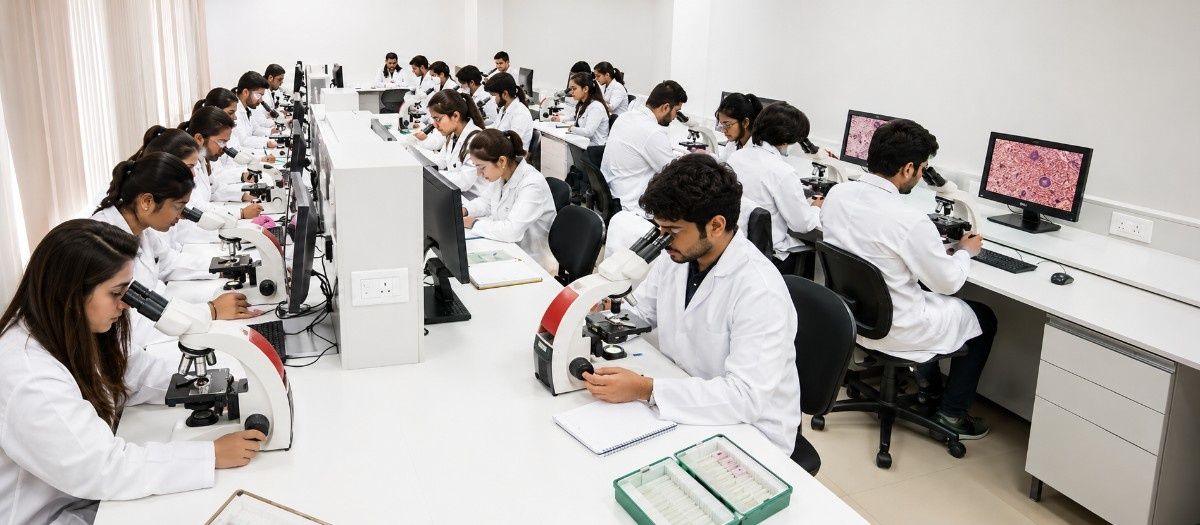
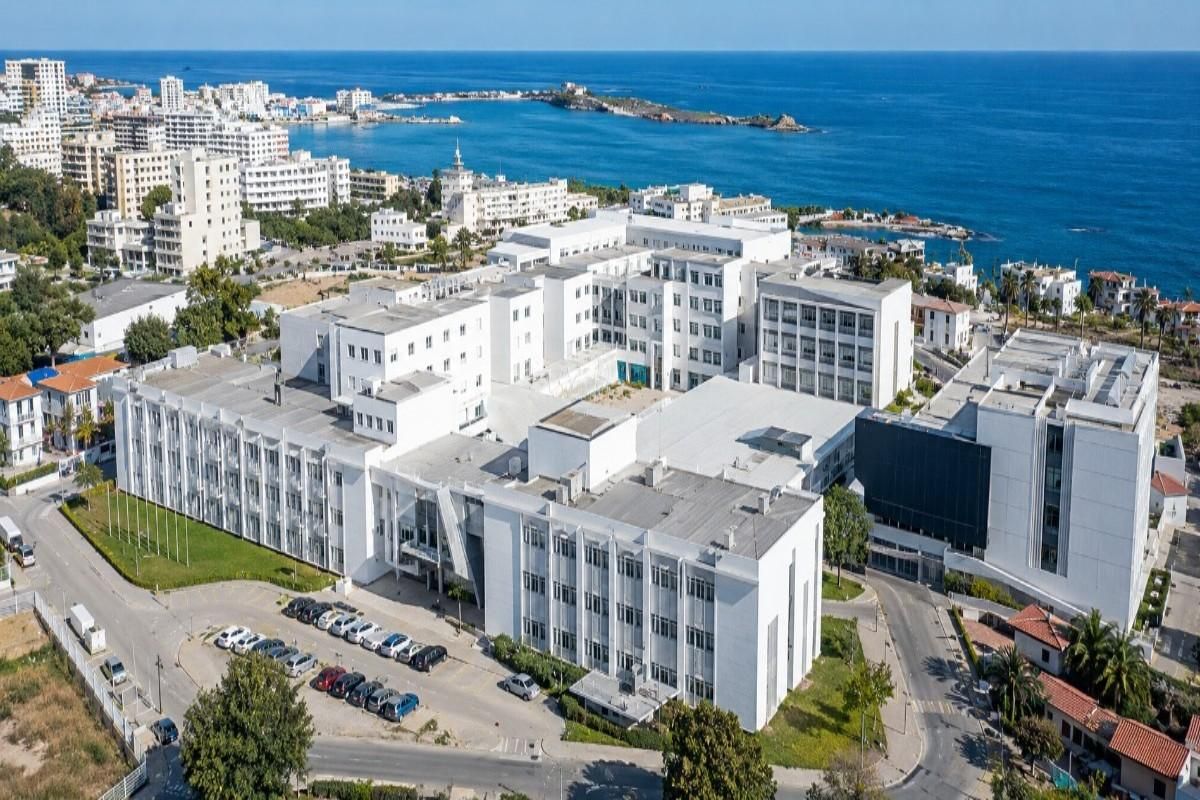
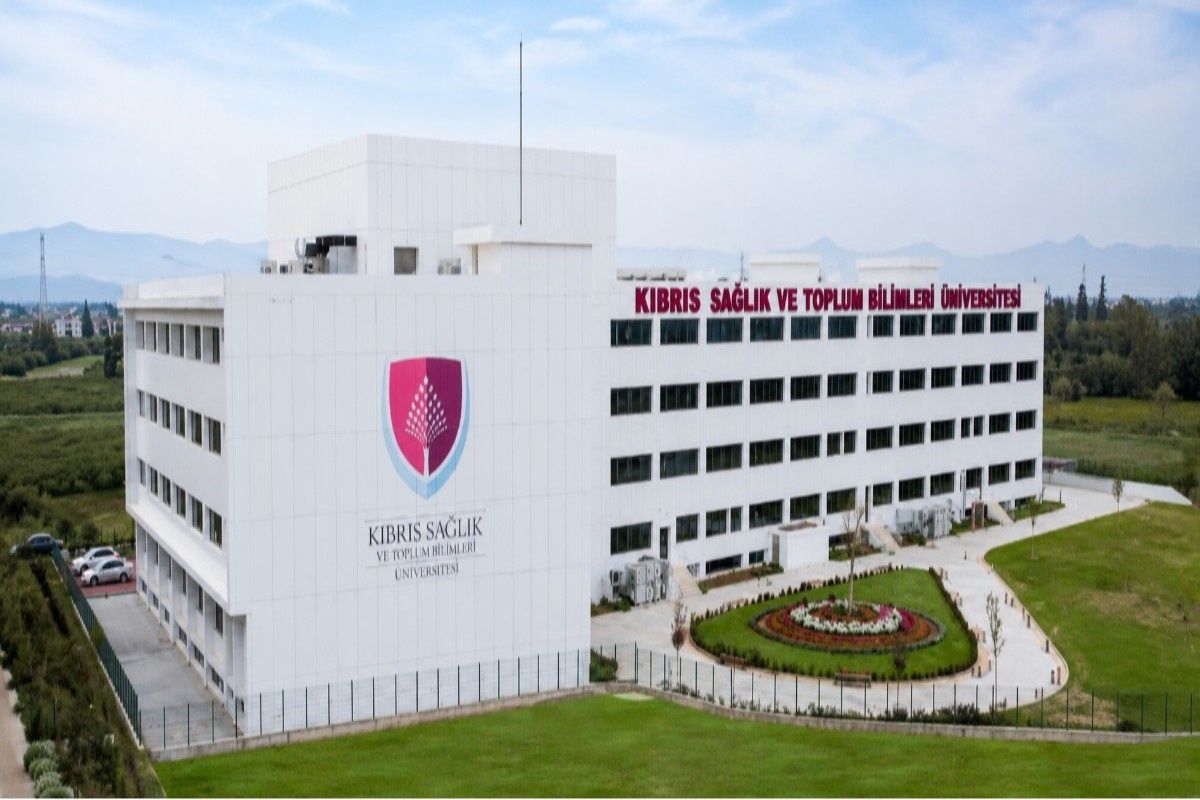
European University Cyprus (EUC) has quietly become one of the most internationally consequential medical institutions in the Mediterranean, a distinction it has earned not through historical age, but through a combination of institutional ambition, academic rigour, and an affiliation with the right people at exactly the right moment. Founded in 1961 as Cyprus College (making it one of the oldest higher education institutions on the island), EUC opened its School of Medicine in 2013 and has spent just over a decade building one of the most credentialled medical programmes available to international students in Europe.
The recognition story is what makes EUC genuinely distinctive. The university’s School of Medicine is recognised by the NMC of India, WHO, ECFMG (USA), WFME, and is listed in the WDOMS. In the year it opened, it won not one but two first-place prizes in the Crestron International Awards for Best Medical Installation and Best Education Solution, rare hardware for a medical school in its inaugural year. By 2014, the university had awarded Honorary Professorships to two Nobel Laureates in Chemistry: Ada E. Yonath (2009 Nobel Prize) and Robert Huber (1988 Nobel Prize), with Professor Huber joining the faculty as a Visiting Professor. The message this sends about the calibre of scientific culture EUC aspires to is not subtle. It has also earned a QS 5-Star rating. It is ranked among the world’s top 801–1,000 universities by the Times Higher Education (THE) World University Rankings 2026 within the top 3% of all higher education institutions globally, and specifically in the top 501–600 globally for Medicine, Dentistry and Health Sciences.
The six-year Doctor of Medicine (MD) programme is taught entirely in English, following a curriculum that integrates clinical exposure from the first year of study, a departure from the traditional pre-clinical/clinical split maintained by most older European medical schools. Students begin encountering patients, developing clinical communication skills, and engaging with the healthcare system from Year One, while simultaneously building their foundational science knowledge. This early integration produces graduates who are clinically confident and practically capable much earlier than the conventional model allows.
Annual tuition is approximately €23,000 (₹20.7 lakh), making EUC one of the higher-priced options in the Cyprus market, but one whose recognition credentials and research culture fully justify the premium over cheaper alternatives. Living costs in Nicosia are approximately €800–1,000 per month, and the total six-year investment, including living costs, is approximately €200,000 (roughly ₹1.8 crore). The university’s Unihalls Trinity student accommodation, with fully furnished modern studios and one-bedroom flats within minutes of campus, provides an unusually high standard of student living compared to the dormitory models of most other MBBS destinations abroad.
Cyprus itself is the third-largest island in the Mediterranean, an EU member state with stable, democratic governance, English widely spoken across the island, year-round warm Mediterranean sunshine, safe streets, and a cost of living significantly lower than in Western Europe. It is approximately a 4-hour flight from most major Indian cities. The island’s EU membership is the single most important regulatory factor for a medical student: EUC’s degree, conferred under EU regulatory frameworks, is recognised across all 27 EU member states, offering career breadth unavailable from almost any other MBBS destination abroad at a comparable price point.