Q1 Is ULIM recognized by NMC India?
+Yes. ULIM is listed in the World Directory of Medical Schools (WDOMS) and is recognized by NMC India for NExT eligibility. Always verify the current status at nmc.org.in before you apply.
 Moldova | Est. 1992
Moldova | National Council for Academic Assessment and Accreditation, Republic of Moldova | English (primary medium for international students); Romanian and Russian also available medium
Expert will call you within 2 hours
The Free International University of Moldova is known across the world as ULIM. It is one of the most internationally oriented private universities in Eastern Europe. ULIM was founded on October 16, 1992, by government decision. This was shortly after Moldova gained independence from the Soviet Union. What started as a simple alternative to the state education model has now grown into a well-known multi-faculty university. It draws students from dozens of countries every year. Today, ULIM is a recognized name in international medical and academic circles. Students from India, Africa, and the Middle East choose ULIM every year. They come here because it offers quality European medical education at a cost that makes real sense.
More than 30 percent of the student body is international. This gives ULIM a diverse campus feel that is rare in a city of this size. When you walk through the campus, you hear multiple languages. You see students from many different countries studying together. The social environment feels warm and inclusive. For students leaving home for the first time, this kind of diversity makes the move much easier to handle.
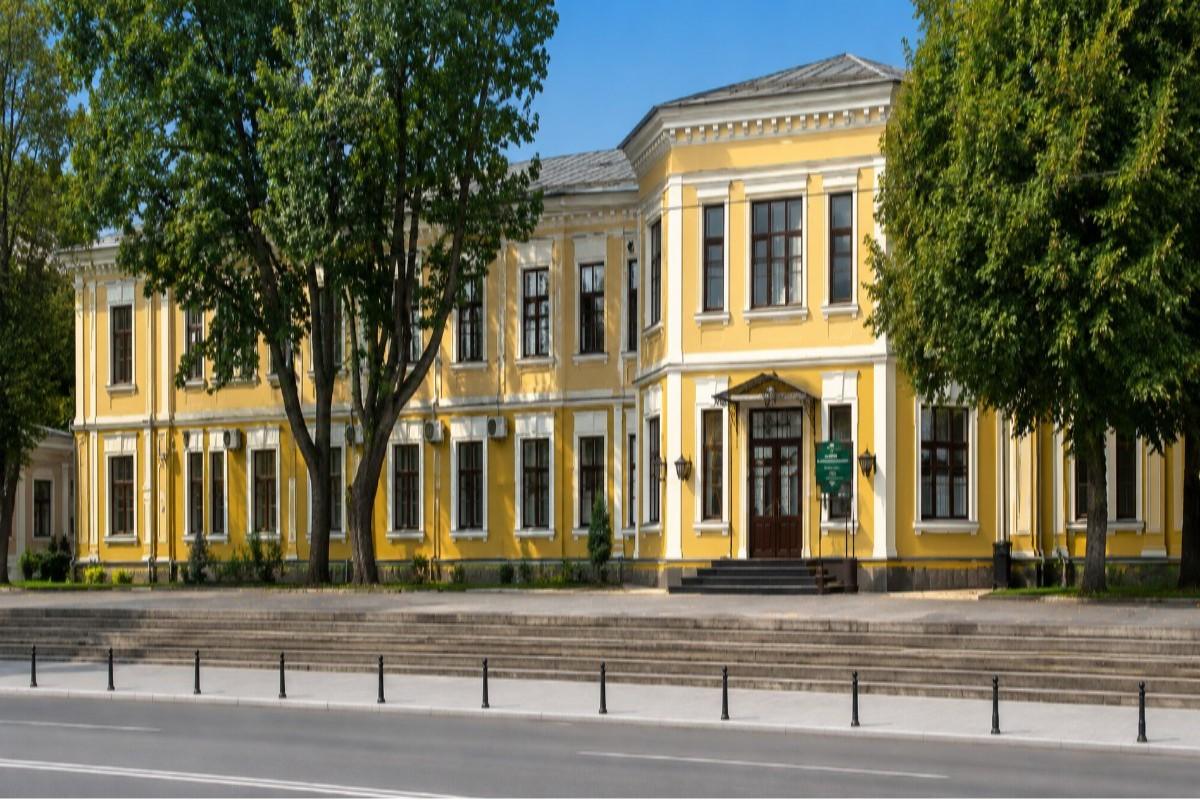
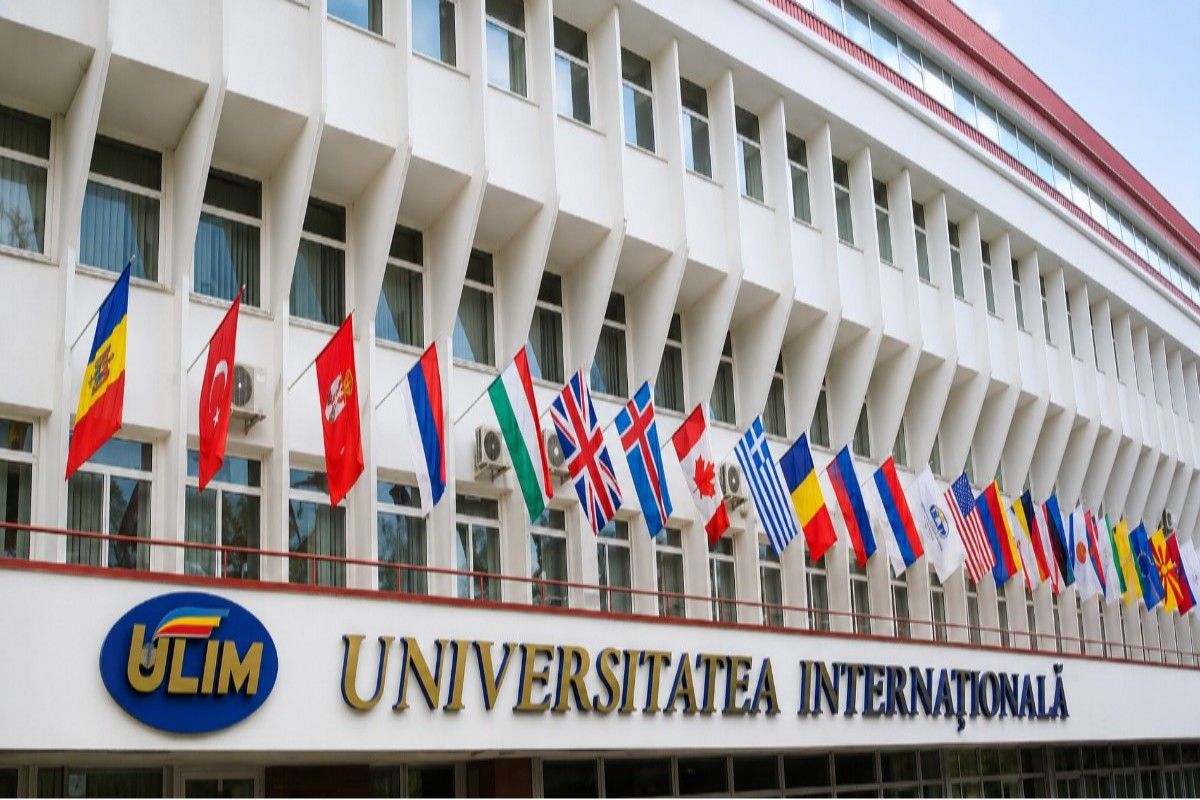
ULIM sits in the heart of Chișinău, Moldova's capital. The campus is on Vlaicu Pârcălab Street. It has a white-and-red exterior with distinctive red cupolas. The flags of student home countries are displayed on the facade all year round. Chișinău is a city of around 700,000 people. It is surrounded by rolling hills and vineyards. The city has a calm and easy pace of life. Many students find it much easier to settle into than larger cities like Paris, Berlin, or Warsaw. Public transport is cheap and well-connected. Food is affordable. The city has cafes, parks, and theatres. It has a young local population that gives it a lively feel. Moldova is a small country, but Chișinău is a great place for international students to live and study.
The university runs seven faculties. These are Law; Economic Sciences; Social and Educational Sciences; Letters; Biomedicine and Ecology; International Relations, Economic Sciences, and Journalism; and Informatics, Engineering, and Design. For Indian students who want to study medicine, the Faculty of Biomedicine and Ecology is the most important one. This faculty offers an MD (General Medicine) program. It is taught fully in English. The program runs for six years and includes clinical rotations. The degree is equal to an MBBS under Indian and international frameworks. It is not a lesser qualification. It is the same level of medical training, delivered in a European setting.
ULIM is accredited by the National Council for Academic Assessment and Accreditation of the Republic of Moldova. It runs on a non-profit principle. This means it focuses on academic quality rather than making money. Non-profit universities put their income back into facilities, faculty, and student services. ULIM is also a member of the European University Association (EUA), the International Association of Universities (IAU), the Agence Universitaire de la Francophonie, and the Magna Charta Universitatum network. These are not just names on a list. They show that ULIM takes part actively in international academic quality standards, peer reviews, and research work. These memberships keep ULIM connected to the wider global academic world.
One key thing to know about ULIM's medical program is its focus on practical training. The curriculum is not just classroom-based. Clinical exposure starts from Year 3. From that point, students go to affiliated hospitals in Chișinău. They take part in ward rounds, patient interviews, and diagnostic training under supervision. This early hospital exposure is very valuable. It means students are not entering a hospital ward for the first time in Year 4 or Year 5. By the time full rotations start, they already know how a ward works. They know how to talk to a patient. They know what is expected of them. By Years 5 and 6, students work across all major clinical areas. These include internal medicine, surgery, obstetrics and gynaecology, paediatrics, psychiatry, and emergency medicine. This hands-on experience helps students prepare well for licensing exams. These include NExT in India, USMLE in the United States, and PLAB in the United Kingdom.
For Indian students, the cost at ULIM is one of its biggest advantages. The total cost over six years; including tuition, accommodation, food, and insurance; is around ₹22–28 lakh. This covers everything. It is the full six-year cost of a globally recognized medical degree in Europe. This is much lower than what most private medical colleges in India charge. It is also lower than what students spend at many Eastern European alternatives when living costs are included. Chișinău is truly affordable. A student can live well on €250–350 per month outside of tuition. This is one of the lowest monthly living costs of any European capital. For families who are planning carefully, this level of affordability is very hard to find anywhere else.
ULIM is listed in the World Directory of Medical Schools (WDOMS). This is the key requirement for NMC eligibility in India. The NMC of India recognizes ULIM for NExT verification. Always check the current status at nmc.org.in before you apply. Recognition listings can change. The degree is also ECFMG-eligible. This opens the USMLE pathway to the United States. It is GMC-recognized too. This lets graduates pursue PLAB registration in the United Kingdom. In simple terms, a ULIM graduate has three major international licensing pathways open to them from one degree. This is a big advantage when planning a medical career abroad.
There are some honest trade-offs to know before you decide. ULIM was founded in 1992. It does not have the historical prestige of older European medical schools. Its teaching hospitals in Chișinău are smaller than major university hospitals in Germany or the UK. The Indian student community in Moldova is smaller than in Russia or Ukraine. But it has been growing steadily. For students and families who understand these trade-offs and want affordable, English-medium, globally recognized medical education in a safe European country, ULIM is a strong and legitimate option.
No hidden charges, no donation. The full picture of costs at MBBS In Free International University of Moldova.
Tuition Fee
Approx. €3,500–4,500/year for international students (approx. ₹3.2–4.1 lakh/year)
€3,500–4,500/year (approx. ₹3.2–4.1 lakh/year); total 6-year tuition approx
Hostel Fee
University residence hall: approx. €100–200/month; private shared apartment
University residence hall: approx. €100–200/month; private shared apartment
Food & Meals
€100–200
per month
Insurance
€100–200
per year
Donation
No Donation
No Hidden Fees
Total Estimated Cost
Approx. ₹22–28 lakh all-inclusive (tuition + accommodation + food + insurance + personal expenses)
total 6 year
25–35%
Average FMGE first-attempt pass rates for students from many overseas medical universities. Students from structured programs consistently score higher.
Students returning to India need to clear the FMGE/NExT exam. MBBS In Free International University of Moldova integrates exam-oriented coaching into the regular curriculum so students are prepared from day one.
A structured program that takes you from foundational sciences to clinical mastery.
Year 1 covers the basic structure and function of the human body. Anatomy is taught with practical lab sessions alongside theory classes. Cell biology, biophysics, and biochemistry are studied at the same time. They give students the scientific base they need for the years ahead. Latin for Medical Sciences is introduced early. It helps students understand medical terms used throughout the program.
Subjects: Anatomy I (Gross Anatomy & Histology), Biochemistry I, Cell Biology, Medical Physiology I, Introduction to Medicine, Biophysics, Latin for Medical Sciences
Year 2 builds on the pre-clinical base using a systems-based approach. Neuroanatomy and topographic anatomy are introduced. These have direct surgical relevance. Genetics and molecular medicine are studied alongside them. Microbiology and immunology start in Year 2. This is earlier than in many other programs. It gives students a strong foundation in infectious disease that remains relevant in all the clinical years ahead.
Anatomy II (Neuroanatomy & Topographic), Physiology II, Biochemistry II, Genetics, Microbiology & Immunology I, Embryology, Histology II
Year 3 is where the move from classroom to clinic begins. Medical Semiology; the study of signs and symptoms; is taught with structured patient sessions. Students learn how to do a physical examination. They also start visiting affiliated hospitals in Chișinău under supervision. Pharmacology is taught with clinical prescribing logic built in from the start. Evidence-based medicine and biostatistics prepare students for research and for licensing exam questions.
Subjects: General Pathology, Pharmacology I & II, Microbiology & Immunology II, Epidemiology & Biostatistics, Medical Semiology, Evidence-Based Medicine, Introduction to Clinical Practice
Year 4 is the first full clinical year. Students rotate through affiliated hospitals in Chișinău. They join ward rounds, clerk patients, and present cases. All major disciplines are covered. The focus is on clinical reasoning and making sound decisions. Radiology is included from Year 4. This helps students get familiar with modern diagnostic tools earlier than in many other programs.
Internal Medicine I, General Surgery I, Obstetrics & Gynaecology I, Paediatrics I, Psychiatry & Mental Health, Radiology & Medical Imaging
Year 5 expands clinical exposure across more specialities. Students rotate through hospital departments and also complete family medicine and community health placements. This gives a balanced view of both primary and secondary care. Research dissertation work runs alongside clinical rotations in this year.
Internal Medicine II, General Surgery II, Family & Community Medicine, Neurology, ENT, Ophthalmology, Dermatology, Orthopaedics & Trauma, Emergency Medicine
Year 6 is a fully supervised clinical internship. Students work across all core medical and surgical areas at ULIM-affiliated hospitals in Moldova. This year is required for NMC compliance. It must be done in Moldova. It cannot be transferred to India. After finishing the internship and graduating, students can sit for NExT in India.
Comprehensive supervised internship; Internal Medicine, Surgery, O&G, Paediatrics, Psychiatry, Emergency Medicine, Community Medicine, Elective Rotation
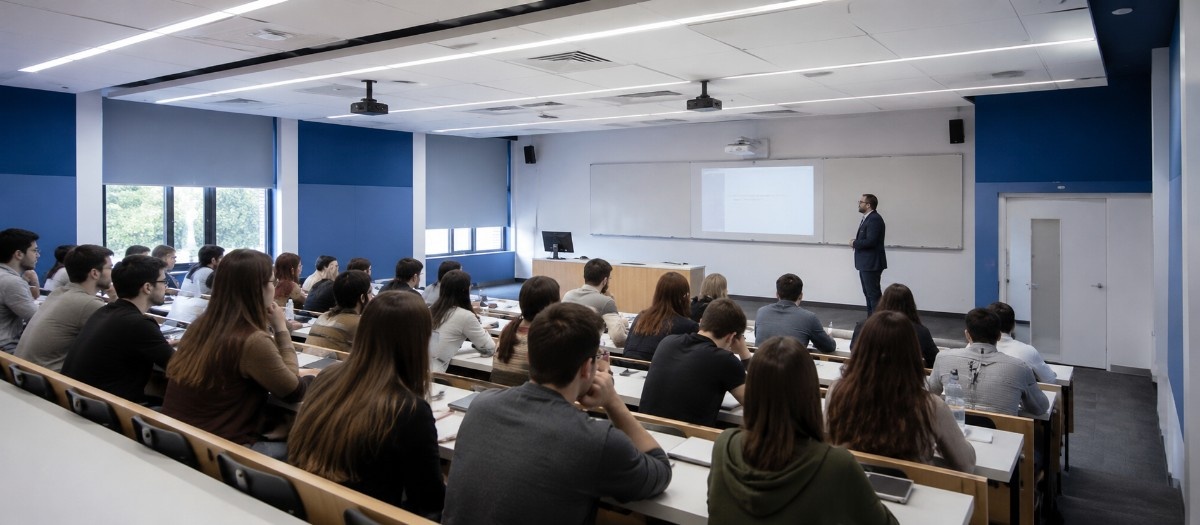
Furnished hostel rooms with Wi-Fi, laundry, 24/7 security, and Indian mess on or near campus.
Indian restaurants and mess facilities serving vegetarian and non-vegetarian home-style food daily.
Strong Indian community with cultural events, festival celebrations, and peer support groups.
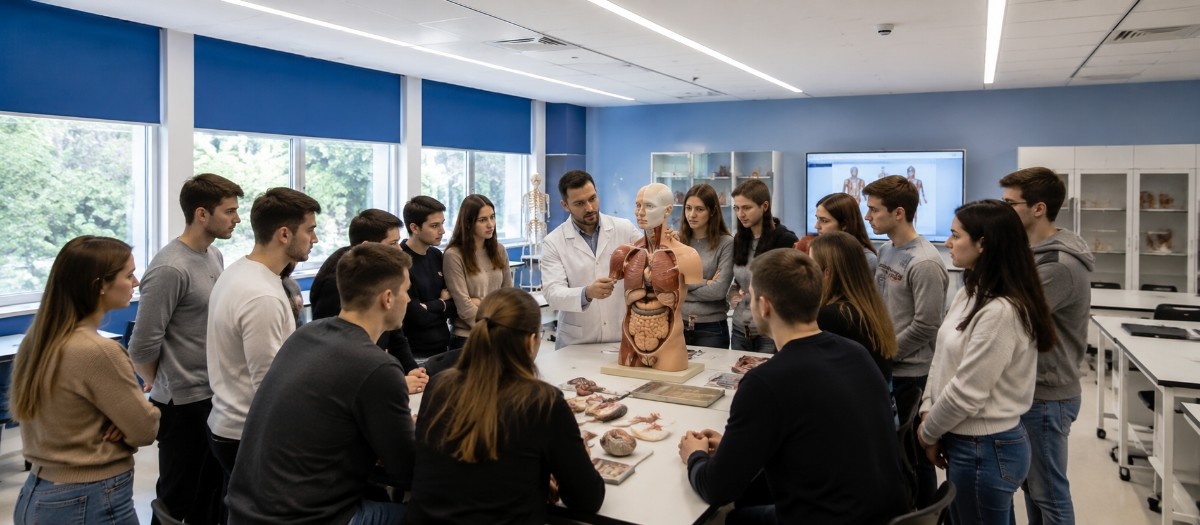
Students get hands-on clinical training in government and private hospitals affiliated with the university.
Practical information for students planning to study at MBBS In Free International University of Moldova.
Prepare for all seasons. Thermal wear for winters, light clothing for summers. University provides heating in hostels.
Student visa processed with university invitation letter. Direct and connecting flights from major Indian cities.
Health insurance included in fees. Medical facility on campus plus city hospitals easily accessible.
Local SIM cards available. WhatsApp and video calls keep you connected with family back home.
Average monthly expenses of $150–$250 covering food, transport, and personal needs.
University library, online databases, and study groups. Seniors mentor juniors through academic challenges.
Our team guides you through every step — from application to arriving on campus.
Our Moldova specialist provides an honest overview of the budget comparisons with Russia and Kazakhstan, Nicolae Testemițanu profile, FMGE outcomes, and Chișinău life.
Our team provides the Moldova-specific checklist. All documents are verified before university submission.
Direct submission to Nicolae Testemițanu. Offer letter typically within 7–14 days.
Our team receives the offer, walks you through the terms, and manages the initial fee payment.
Our team assists with the Moldova e-visa application via evisa.gov.md, processed within 3 working days.
Chișinău city orientation, accommodation, transport, currency, food options, and first-week university logistics.
Our team advises on routing to Chișinău International Airport (KIV). Confirms arrival with the local team.
Our local Chișinău representative meets you. No student arrives unsupported.
Hostel check-in and Nicolae Testemițanu registration handled by the local team in the first week.
Our team files the student residence permit at the Bureau of Migration and Asylum within your first two weeks. Renewed annually.
Admission Helpline — Contact our counsellors for step-by-step assistance.
“The faculty here is incredibly supportive. The clinical training during hospital rotations has given me real confidence in patient care.”
“Affordable fees without compromising on quality. The campus facilities and hostel life made my transition abroad very smooth.”
“English medium instruction and WHO-recognized curriculum were the deciding factors for me. No regrets so far — excellent experience overall.”
“The university helped with everything from visa to accommodation. Hospital exposure from year three has been invaluable for my FMGE prep.”
“Just cleared my licensing exam on the first attempt. The structured coaching and mock exams during final year were a game-changer.”
“Safe campus, good food options, and a strong Indian student community. The teaching methodology is very practical and hands-on.”
Yes. ULIM is listed in the World Directory of Medical Schools (WDOMS) and is recognized by NMC India for NExT eligibility. Always verify the current status at nmc.org.in before you apply.
Yes. A valid NEET score is mandatory for all Indian students who plan to practice medicine in India later. ULIM has no minimum NEET cutoff, but NMC compliance requires a valid score.
The MD program is taught in English. No IELTS or TOEFL score is needed. You can apply directly without any language test.
The program is six years long. It includes pre-clinical years, clinical rotations & a final internship year. The internship must be completed in Moldova as per NMC rules.
Tuition is around €3,500–4,500 per year. The full six-year cost, including accommodation, food, and personal expenses, comes to approximately ₹22–28 lakh in total.
Clinical exposure starts from Year 3 with supervised hospital visits. Full rotations begin in Year 4 and continue through Year 6.
Yes. After passing NExT, the National Exit Test required by NMC. A WDOMS-listed MD from ULIM makes you eligible to sit for the exam.
ULIM graduates can pursue USMLE in the USA, PLAB in the UK & NExT in India. All three major international career pathways are open to them.
Yes. Chișinău is calm, safe & welcoming. Indian groceries are easy to find. Most students report settling in quickly and comfortably.
No. ULIM is a non-profit university. There are no donation or capitation fees. The published tuition is what you pay. Contact relex@ulim.md or visit ulim.md for the latest fee details.
Our expert counsellors will guide you through the complete admission process — from documents to airport pickup.