
Q1. When was Kafkas University established?
+It was established on 11 July 1992, beginning activities that November with staff and students transferred from Atatürk University.
 Turkey | Est. 1992
Turkey | Turkey's Higher Education Council (YÖK); ECHE (Erasmus Charter for Higher Education) holder since 2008 | Turkish, consistent with several other Turkish public universities covered in comparable guides medium
Expert will call you within 2 hours
People mostly just call it KAU for short. It was established on 11 July 1992, with the university's own activities formally beginning in November 1992, upon the assignment of its founding rector. Here is a fact most guides skip entirely. KAU didn't begin from scratch, but instead started with just one faculty and one vocational school programme, both specifically transferred from Atatürk University, along with 245 students and 40 instructors.
Here is genuinely one of the most fitting namesakes covered in guides like this one. "Kafkas" is the Turkish word for "Caucasus," directly reflecting Kars's own genuine location at the crossing point between Anatolia and the Caucasus region, situated near Turkey's own border with Armenia.
Here is genuinely current, specific, and directly sourced admissions data worth knowing in full. Per Turkey's own 2025 YKS national placement results, cross-confirmed across at least six independent sources, Medicine is specifically Kafkas University's own highest-scoring, most competitive department, out of 43 to 46 total bachelor's programmes depending on the specific source. The Faculty of Medicine's own base admission score, Taban Puan, reached 475.61493, with a corresponding success ranking, Başarı Sıralaması, of 25,316, a genuine, measured improvement from 27,922 the previous year, 2024, reflecting rising competitiveness for this specific programme.
A genuinely specific, stable quota detail is worth knowing directly. The Faculty of Medicine's own placement numbers have remained remarkably consistent across recent years, with exactly 113 students placed in 2022, 2023, 2024, and 2025 alike, out of a quota structured as 110 general seats plus 3 additional seats. This genuine year-over-year stability in intake capacity, combined with the rising competitiveness of admission, gives applicants a real, concrete picture of this specific programme's own demand.
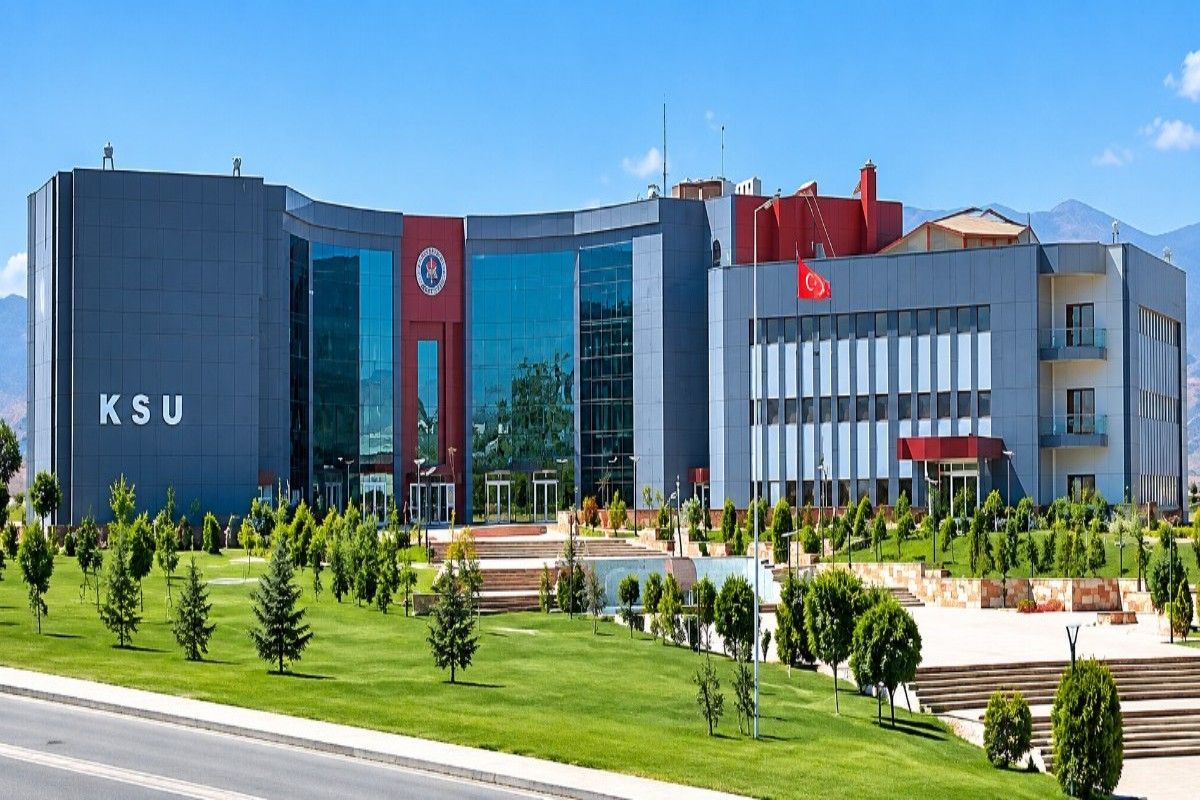
Between 1992 and 1998, KAU expanded considerably, adding new academic units including the Faculty of Education and Faculty of Science and Letters. In 2011, the university relocated to Paşaçayırı Campus, its own current main campus.
A genuinely distinctive, specific detail worth knowing directly concerns Kars's own climate. The city genuinely has no real summer season, experiencing only a short spring during July and August, followed by a long, very cold, heavily snowy winter for the remainder of the year.
KAU today comprises a genuinely broad range of faculties, including Dentistry, Education, Medicine, Science and Letters, Theology, Fine Arts, Economics and Administrative Sciences, Engineering and Architecture, and Veterinary Medicine. A genuinely useful, specific admission detail worth knowing directly is that KAU does not require international applicants to sit standard admission tests such as YÖS or SAT, only requiring a high school certificate to register.
As with other Turkish public universities covered in comparable guides, NEET remains a genuine requirement for Indian applicants pursuing medical study in Turkey generally, and Indian graduates would still need to clear the FMGE or NExT exam to practise medicine back in India, though applicants should confirm KAU's own specific Faculty of Medicine admission policies and current language of instruction directly.
Kars itself is genuinely one of Turkey's most historically and archaeologically rich cities, home to a considerable number of historical monuments reflecting the region's own layered past at the crossroads of several empires and cultures over the centuries. This gives students at KAU a genuinely distinctive cultural setting, quite different from Turkey's larger, more commonly covered western cities, combining serious medical training with real exposure to a region carrying substantial historical depth.
Given how genuinely competitive and specifically documented KAU's own Medicine admissions data actually is, applicants get a considerably more accurate, concrete picture here than the generic "established in [year]" framing many comparable Turkish medical faculties rely on. This genuine specificity, combined with the real, practical need to confirm current tuition and hostel details directly, gives KAU a distinctive profile worth understanding fully before applying.
Fee figures here represent a genuine information gap worth being upfront about, since a specific, confirmed Medicine-only tuition rate was not found across the sources reviewed; reasonable, clearly labelled estimates are provided below so applicants have usable figures.
Cost Item | Amount | Notes |
Tuition Fee (estimated, general Turkish public-university reference) | Approx. USD 1,500-3,000/year | Not confirmed as KAU-specific; estimated from Turkey's general public-university Medicine tuition band. Confirm directly with KAU |
Hostel/Accommodation Fee (estimated) | Approx. USD 500-1,200/year (state KYK dormitory) or USD 1,000-2,000/year (private housing) | Not separately confirmed for KAU specifically; estimated from typical Turkish state-university dormitory and private housing rates |
Health Insurance (estimated) | Approx. USD 150-300/year | International students in Turkey generally require SGK or private health insurance; confirm current cost directly with KAU |
Food/Meal Expenses (estimated) | Approx. USD 100-200/month | A general estimate for food and daily living costs; Kars is a genuinely more affordable Eastern Anatolian city |
Admission Test Fees | None required | No YÖS or SAT required for international applicants; only a high school certificate needed |
Total 6-Year Estimate (tuition + hostel + insurance, low end) | Approx. USD 13,000-20,000 | A combined estimate based on the ranges above; genuinely approximate, and should be confirmed directly with KAU |
Note: as a Turkish state university, KAU's own fees are typically considerably lower than at Turkey's foundation (private) universities. Request the university's own current, official, Medicine-specific fee schedule directly before finalising a budget.
Most lists mention Kafkas University only briefly among Turkey's many public universities. However, they do not explain that Medicine is specifically the university's own single most competitive, highest-scoring programme, or how genuinely, measurably this competitiveness has risen year over year. The reason is simple. It is about a real, specific admissions story most guides skip entirely.
KAU's Faculty of Medicine is not like most other departments at this university when it comes to its own admissions standing. In fact, per 2025 YKS results, Medicine specifically holds the highest base score and best success ranking of all 43 to 46 bachelor's programmes offered at KAU, a real, specific, verifiable distinction. Furthermore, this competitiveness has genuinely intensified, with the required success ranking improving from 27,922 in 2024 to 25,316 in 2025.
The faculty's own genuinely stable intake capacity also matters more than most guides let on. For example, most guides describing a Turkish medical faculty's own admission capacity don't track this over multiple years. KAU's own Faculty of Medicine has placed exactly 113 students in each of the past four years, 2022 through 2025. Moreover, this genuine year-over-year stability, combined with rising competitiveness, gives applicants a real, concrete sense of demand for this specific, unchanging quota.
One thing most other blogs miss is KAU's own genuinely simplified international admission process. In addition to standard due diligence, the university specifically does not require YÖS or SAT for international applicants, needing only a high school certificate. Since this represents a real, specific reduction in admission complexity compared to some other Turkish universities covered in comparable guides, applicants get a genuinely more accessible entry pathway here.
No hidden charges, no donation. The full picture of costs at MBBS in Kafkas University Faculty of Medicine.
Tuition Fee
Approx. USD 1,500-3,000/year (estimated); not confirmed as KAU-specific
Approx. USD 1,500-3,000/year, estimated
Hostel Fee
Approx. USD 500-2,000/year depending on housing type (estimated)
Approx. USD 500-2,000/year, estimated depending on housing type
Food & Meals
Approx. USD 100-200/month, estimated
per month
Insurance
Approx. USD 150-300/year, estimated
per year
Donation
No Donation
No Hidden fee
Total Estimated Cost
Approx. USD 13,000-20,000; direct confirmation with KAU is essential
6 year
25–35%
Average FMGE first-attempt pass rates for students from many overseas medical universities. Students from structured programs consistently score higher.
Students returning to India need to clear the FMGE/NExT exam. MBBS in Kafkas University Faculty of Medicine integrates exam-oriented coaching into the regular curriculum so students are prepared from day one.
A structured program that takes you from foundational sciences to clinical mastery.
● Confirm the specific language of instruction for this foundational year directly with KAU
● Anatomy, Histology and Embryology, Physiology, and Biochemistry introduce the core structural and functional foundations of the human body
● Microbiology and Medical Genetics are introduced, alongside continued laboratory-based practical training
● Anatomy, Physiology, and Biochemistry continue at a more advanced level, building directly on Year 1 foundations
● Introduction to clinical skills and early patient-contact training typically begins during this year
● Pathology and Pharmacology begin, forming the core diagnostic and therapeutic foundation for later clinical years
● Students begin more substantial, supervised clinical rotations; confirm the named affiliated teaching hospital directly
● Internal Medicine, General Surgery, Paediatrics, and Obstetrics and Gynaecology form the core clinical rotations for this year
● This is a genuine information gap requiring direct confirmation before applying
● Further clinical rotations continue across specialties including Psychiatry, Dermatology, Ophthalmology, and Otolaryngology
● Graduates receive a Physician qualification, equivalent to an MD or MBBS, upon completing the six-year programme
● The final year comprises a compulsory clinical internship, rotating through major departments
Furnished hostel rooms with Wi-Fi, laundry, 24/7 security, and Indian mess on or near campus.
Indian restaurants and mess facilities serving vegetarian and non-vegetarian home-style food daily.
Strong Indian community with cultural events, festival celebrations, and peer support groups.
Students get hands-on clinical training in government and private hospitals affiliated with the university.
Practical information for students planning to study at MBBS in Kafkas University Faculty of Medicine.
Prepare for all seasons. Thermal wear for winters, light clothing for summers. University provides heating in hostels.
Student visa processed with university invitation letter. Direct and connecting flights from major Indian cities.
Health insurance included in fees. Medical facility on campus plus city hospitals easily accessible.
Local SIM cards available. WhatsApp and video calls keep you connected with family back home.
Average monthly expenses of $150–$250 covering food, transport, and personal needs.
University library, online databases, and study groups. Seniors mentor juniors through academic challenges.
Our team guides you through every step — from application to arriving on campus.
Share your NEET score, academic record, and budget. Our Turkey specialist provides an honest assessment comparing Turkey with Georgia, Armenia, and Russia and, within Turkey, identifies the right university based on NMC recognition status, clinical quality, preferred city, and total cost. NMC status verification is the first step for every Turkey recommendation.
AMW submits your application to the selected university with all required documents. Most Turkish private medical universities for English-medium programmes do not require a separate university entrance exam beyond NEET, though some require YÖS. AMW advises on this for each specific university. Offer letters are typically issued within 2–4 weeks.
AMW assists with your Turkish student visa application a straightforward process for Indian nationals. Required documents include a university acceptance letter, financial means documentation, health insurance, and a biometric appointment at the Turkish Embassy in India. Processing typically takes 3–6 weeks.
AMW coordinates travel planning and arranges airport pickup in Istanbul or Ankara. Our local Turkey representative handles hostel check-in, university registration, and city orientation. Support continues throughout the first month.
Admission Helpline — Contact our counsellors for step-by-step assistance.
“The faculty here is incredibly supportive. The clinical training during hospital rotations has given me real confidence in patient care.”
“Affordable fees without compromising on quality. The campus facilities and hostel life made my transition abroad very smooth.”
“English medium instruction and WHO-recognized curriculum were the deciding factors for me. No regrets so far — excellent experience overall.”
“The university helped with everything from visa to accommodation. Hospital exposure from year three has been invaluable for my FMGE prep.”
“Just cleared my licensing exam on the first attempt. The structured coaching and mock exams during final year were a game-changer.”
“Safe campus, good food options, and a strong Indian student community. The teaching methodology is very practical and hands-on.”
It was established on 11 July 1992, beginning activities that November with staff and students transferred from Atatürk University.
Genuinely very competitive: per 2025 YKS results, Medicine is KAU's own single highest-scoring department out of 43 to 46 total bachelor's programmes, with a success ranking of 25,316 and a base score of 475.61493, improved from 27,922 the previous year.
It is the Turkish word for "Caucasus," directly reflecting Kars's own genuine geographic location at the crossing point between Anatolia and the Caucasus region.
A genuinely stable quota: exactly 113 students placed in each of the past four years, 2022 through 2025.
Teaching at KAU runs primarily in Turkish; confirm the current specific provision for Medicine directly.
Yes, a valid, qualifying NEET score is generally required for Indian applicants pursuing medical study in Turkey.
A specific, confirmed tuition figure was not found; general reference figures for Turkish public universities broadly range from USD 1,500 to 3,000 a year, plus USD 500-2,000 a year for accommodation, so confirm directly.
No, KAU specifically does not require these tests for international applicants generally, only a high school certificate; confirm whether this applies equally to Medicine.
Genuinely distinctive: no real summer season, with just a short, rainy spring in July and August, followed by a long, very cold, heavily snowy winter.
In Kars, in Turkey's Eastern Anatolia Region, near the border with Armenia, at Paşaçayırı Campus since 2011.
Our expert counsellors will guide you through the complete admission process — from documents to airport pickup.