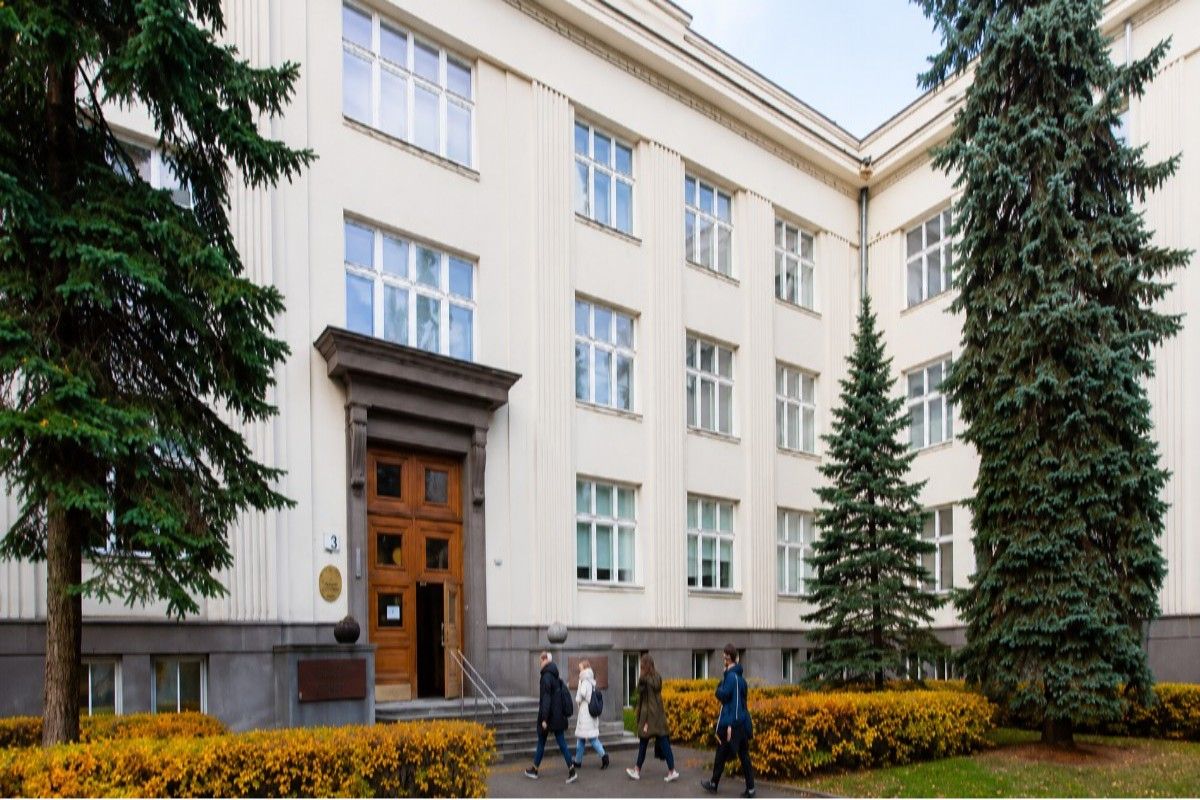
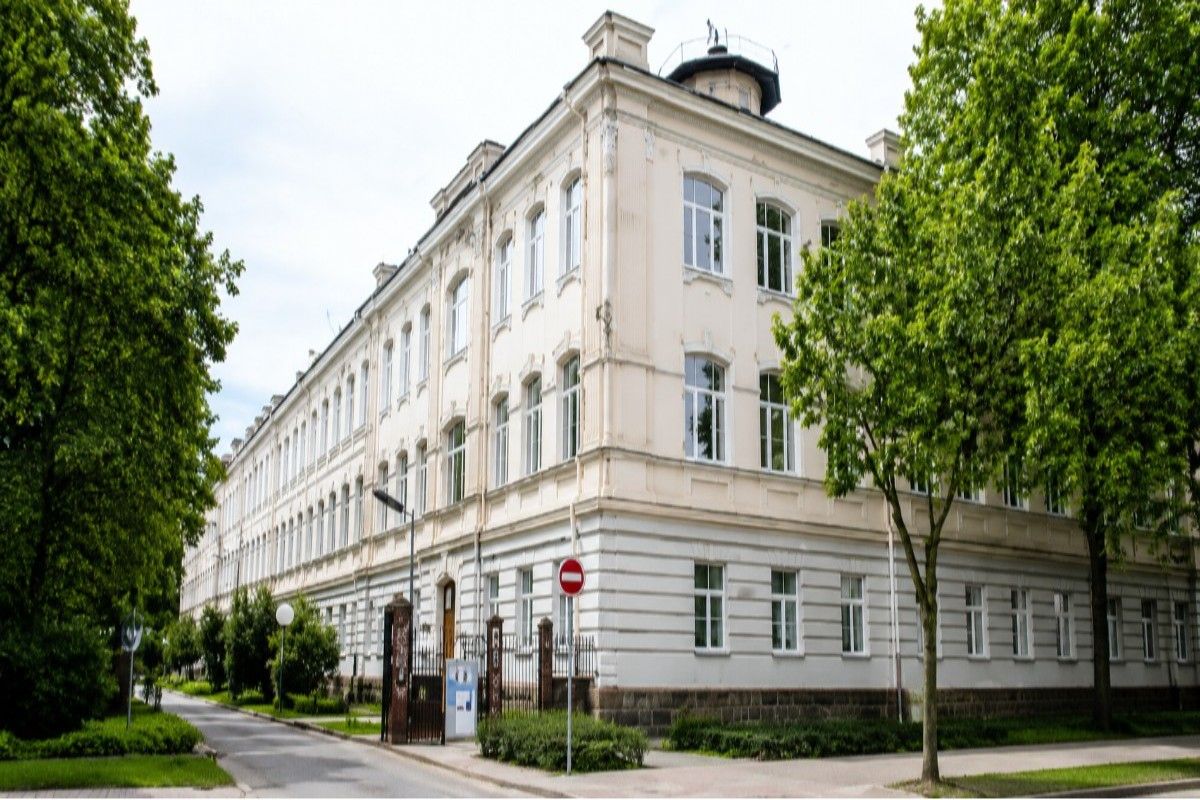
The Faculty of Medicine at the Lithuanian University of Health Sciences; LSMU; sits at the heart of the largest biomedical university in Lithuania and one of the most established medical institutions in the entire Baltic region. The Faculty's origins trace back to 16 February 1922, when the University of Lithuania opened with a Faculty of Medicine among its founding departments. That is over a century of continuous medical education in Kaunas, carried through several institutional reorganisations; from the Kaunas Medical Institute, to the Kaunas Medical Academy, then the Kaunas University of Medicine, and finally to its current form when LSMU was established in 2010 following the merger of Kaunas University of Medicine and the Lithuanian Veterinary Academy. The name changed, but the lineage did not. What exists today is the accumulated product of more than a hundred years of training doctors, building clinical networks, and embedding a medical school into the actual healthcare infrastructure of a country.
That integration with real healthcare is one of the defining features of studying medicine at LSMU. The Faculty of Medicine's primary teaching hospital is Kaunas Clinics; the Hospital of the Lithuanian University of Health Sciences; which is the largest and most technically advanced hospital in Lithuania and, by most measures, in the entire Baltic region. With a capacity of up to 2,000 beds and a Level III Trauma and Emergency Centre, Kaunas Clinics handles the most complex referrals from across Lithuania and beyond. It is not a peripheral facility that exists primarily to serve the university; it is the main tertiary hospital for the region, and LSMU students rotate through its 38 specialised departments during their clinical years. Beyond Kaunas Clinics, LSMU maintains an affiliated network of 48 hospitals and clinics across Lithuania and holds clinical practice partnerships in Germany, Sweden, Spain, the UK, the United States, and Israel. The scale and variety of clinical exposure this provides is genuinely unusual; most students studying medicine in Europe have nothing like this range available to them.
The six-year Medicine programme at LSMU is delivered in English, which is immediately relevant for international students. There is no requirement to learn Lithuanian before starting or during the programme; the full degree, including clinical rotations and examinations, is conducted in English. This makes LSMU one of the very few fully English-medium medical programmes in a Baltic EU member state. The curriculum uses Problem-Based Learning as a central method, which means students engage with real clinical cases from early in their studies, developing clinical reasoning and practical thinking well before full hospital rotations begin. The structure moves from biomedical and pre-clinical foundations in Years 1 to 3, into integrated problem-based modules in Years 2 and 3, and then into full clinical rotations at Kaunas Clinics and affiliated hospitals from Year 4 through Year 6. The degree awarded is a Master of Medicine, equivalent to an MD or MBBS under EU directive.
LSMU's recognition profile covers the major licensing markets that matter to internationally mobile graduates. The university is listed in the World Directory of Medical Schools and holds NMC recognition, making graduates eligible to sit the NExT examination for practice in India. As always with overseas institutions, current NMC status should be confirmed at nmc.org.in before applying. LSMU is ECFMG-recognised, which means the USMLE pathway to US residency is open to graduates. The UK General Medical Council also recognises the degree, and GMC registration via the PLAB route is available. The EU Professional Qualifications Directive 2005/36/EC applies fully, giving graduates the right to seek medical registration across all 27 EU member states without additional licensing examinations; a structural advantage that only an EU-regulated degree can provide.
On the rankings side, LSMU sits in the 601–650 band globally in the QS World University Rankings by Subject 2026, and in the 801–1000 range in the Times Higher Education World University Rankings 2025. Within Lithuania it is the largest biomedical university, and across the Baltic states it is widely regarded as the leading institution for health sciences education. It has over 240 international academic partnerships, more than 8,000 enrolled students from over 70 countries, and a student body where over 20% are international; giving it a genuinely diverse academic environment that most single-country medical schools simply do not have.
The tuition fee for international students is €12,800 per year for Years 1–3 and €13,300 per year for Years 4–6 for Years 4 to 6, making the total six-year tuition approximately €77,100. This is competitive for a fully English-medium, EU-regulated medical programme with the clinical infrastructure that LSMU offers. Registration fees are €250 plus a €1,000 non-refundable deposit. There is no donation or capitation fee, and no hidden charges.
Kaunas itself is Lithuania's second-largest city and its historical cultural capital. It is a student city in the genuine sense; affordable, walkable, and with a substantial student population that gives it an active social and academic atmosphere. Living costs are among the lowest of any EU capital-region city in Europe: accommodation, food, and transport are all significantly cheaper than Vilnius, let alone Western European cities. LSMU operates 11 student dormitories, all affordable and close to campus, giving first-year students straightforward access to housing from arrival. For a student spending six years building toward a medical career, Kaunas offers a quality of daily life that is hard to fault at the price point.