Yerevan Haybusak University, known as YHU, is one of the largest private medical universities in Armenia. Academician Levon Harutyunyan founded it in 1991. He was a Doctor of Biological Sciences and the author of more than 400 scientific works. The university started with three faculties: medicine, economics, and food technology. It was a modest beginning, but the vision behind it was not modest at all.
It grew steadily over the years. The Faculty of Humanities was added in 1997. The Institute of Oriental Studies and International Relations joined in 2000. More institutes and colleges followed through the next decade. Today, YHU is the biggest non-state educational institution in Armenia. It offers both higher and vocational professional education across a wide range of subjects and disciplines.
In 2001, the Government of Armenia granted the university full state accreditation. All study programmes now carry state-recognised diplomas that are valid internationally. YHU is also accredited by EKKA, a Greek quality assurance body. It has adopted the Bologna three-cycle system of bachelor, master, and postgraduate education. This brings the university in line with European academic standards. That matters a great deal for students planning careers outside Armenia, whether in Europe, India, or elsewhere.
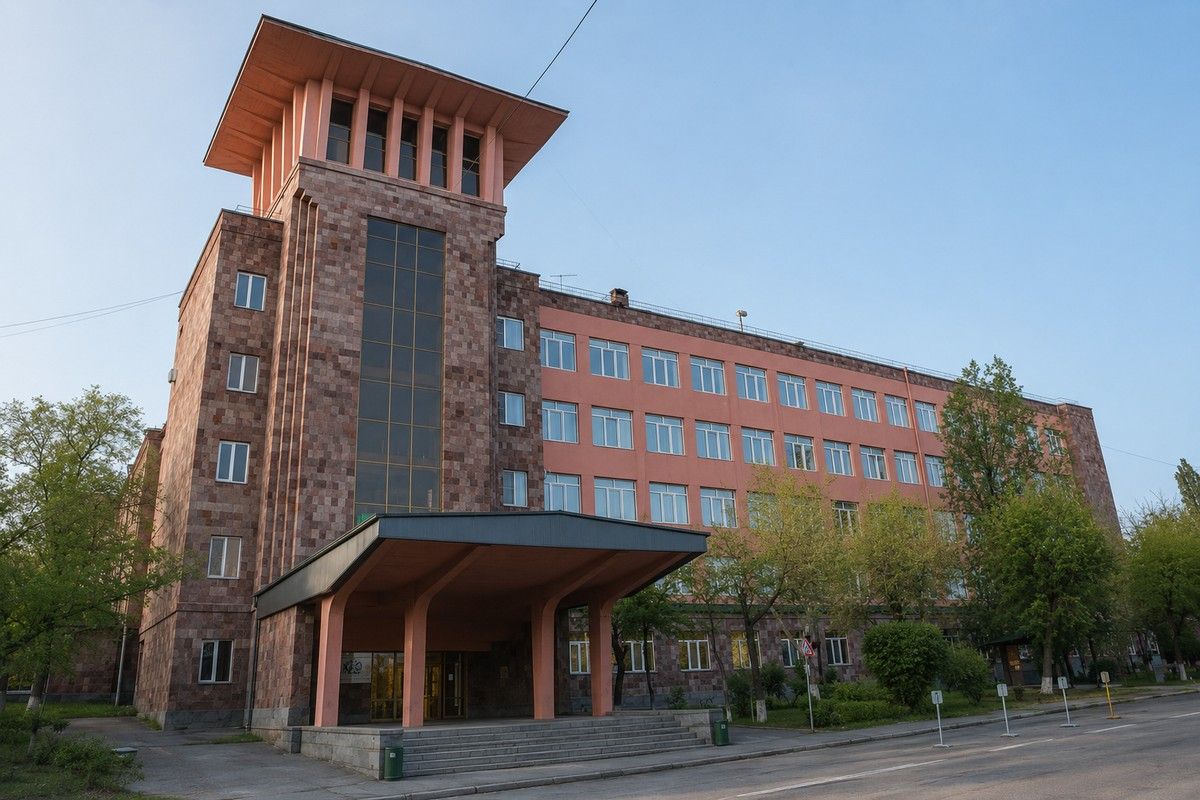
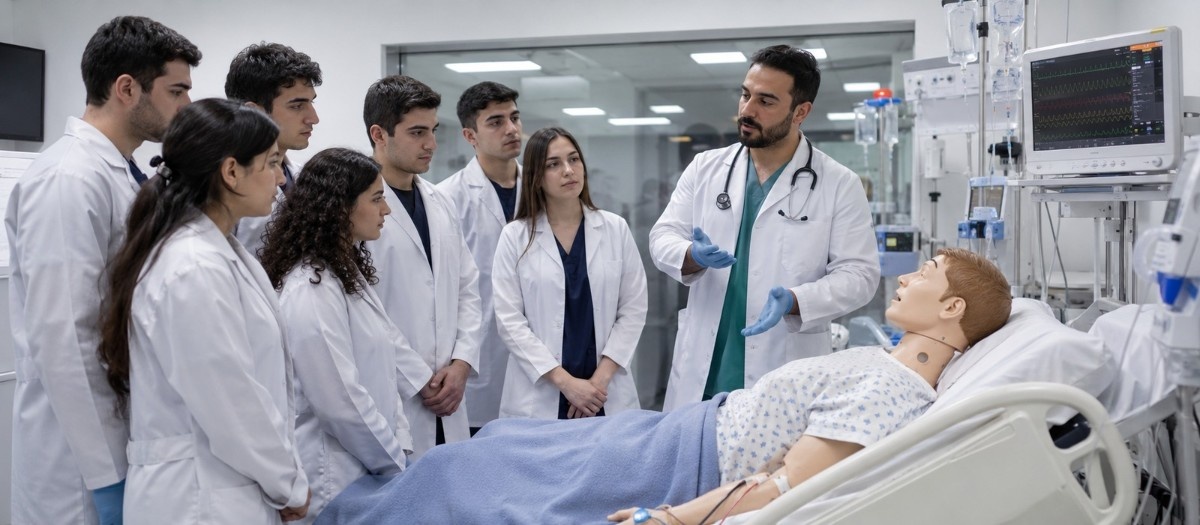
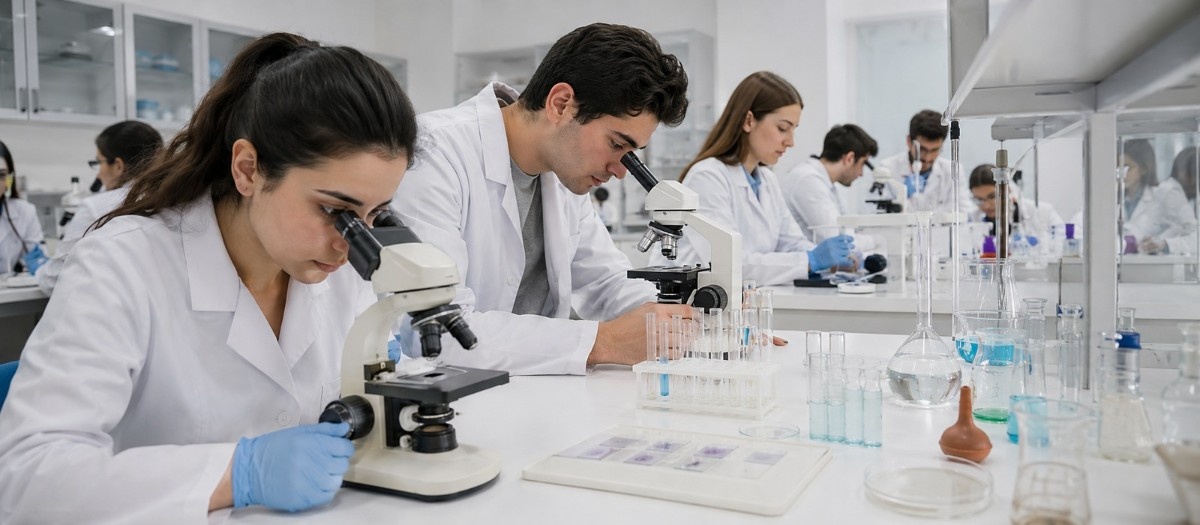
The university is located at 6 Abelyan Street in Yerevan, the capital city of Armenia. Since 2006, YHU has operated from two campus buildings in the city. The main campus has academic departments, lecture halls, science laboratories, a library, a canteen, and administrative offices. Everything a student needs for daily academic life is in one place. The campus is well maintained and equipped with modern teaching facilities. Labs and simulation rooms support practical learning from the early years of the programme.
Student hostels are available around 4 to 5 kilometres from the main campus. They are furnished and well looked after. Rooms come with central heating, internet access, reading halls, grocery facilities, transport links, and CCTV security. Students from abroad, particularly those from India, find the hostel environment safe and comfortable. The university has worked hard to make the transition from home to a foreign country as smooth as possible.
There is also a dedicated faculty for the welfare of international and Indian students. This includes Indian food options in the hostel cafeteria, coaching support for NExT and FMGE exams, and a functioning anti-ragging department. Indian families tend to pay close attention to these things when choosing a university abroad. YHU has built its student support systems around exactly that reality. Students have been coming here from India since 2002, and the support structure reflects over two decades of experience in hosting them.
The university currently has over 6,000 students enrolled across its programmes. More than 300 faculty members teach at YHU. This includes 48 professors, 64 PhD holders, and 12 academicians. The quality of teaching at any university comes down to the people in the room. At YHU, that means experienced clinicians and researchers who also hold academic positions. Students come from over 40 countries, which makes the campus environment genuinely international. That kind of diversity in a classroom changes how students learn, how they think, and how they approach clinical problems.
The faculty for international students was formally set up in 2002. Since then, international enrolment has grown consistently. YHU has academic ties with Preston University and the University of Louisiana. It also runs student exchange programmes with partner universities in the United States and Europe. Between 1997 and 2014, the university participated in more than seventy international education exhibitions and received multiple awards for the quality of its education. That track record of engagement with the global education community is not something that happens by accident.
One of the biggest practical advantages of YHU for Indian students is the language of instruction. The entire MBBS programme is taught in English. There is no requirement to learn Armenian or Russian for academic study. Armenia has a reasonably high level of English comprehension among urban residents, which also helps outside the classroom. This removes the language preparation burden that comes with studying medicine in countries like Austria, Germany, or Poland. At those universities, students must spend a year or more learning the local language before they can even begin the medical programme. At YHU, you start medicine from day one. That is a significant advantage, both in terms of time and cost.
The recognition profile of YHU covers the key bodies that Indian and international students check before making a decision. The university is recognised by the World Health Organization. It is listed in the World Directory of Medical Schools, which is a mandatory requirement for NMC eligibility verification in India. YHU is also recognised by the National Medical Commission of India, ECFMG, and FAIMER. These recognitions together mean that YHU graduates can sit the NExT exam in India, the USMLE in the United States, and the PLAB in the United Kingdom, subject to passing each respective exam. Students should always check the current NMC listing at nmc.org.in before applying, as recognition databases are reviewed and updated from time to time.
The MBBS programme runs for six years. The initial five years deal with medical sciences in an incremental way from preclinical to clinical training within hospitals linked with the university. Sixth year will be one year internship under supervision. They are trained in hospital settings under the mentorship of senior doctors. It adheres to international MBBS program standards and conforms to NMC guidelines. This helps in ensuring that the students are well equipped not only to pass the qualifying exams but also to practice medicine.
Tuition fees at YHU are among the most affordable for a WHO-recognised, English-medium MBBS degree anywhere in the region. The annual tuition fee is approximately USD 3,800, which works out to around ₹3.2 to ₹3.5 lakh per year at current exchange rates. The total tuition for the full six-year course comes to around USD 22,000 to 23,000, or roughly ₹18 to ₹22 lakh in total. There are no donation or capitation fees at all. Admission is based entirely on academic eligibility and NEET qualification for Indian students. The university does not conduct its own entrance exam. This makes the application process straightforward compared to universities in countries like Austria or Germany, where a separate entrance test is mandatory before any offer is made.