
Q1. Is UiT medicine taught in English?
+No. The Cand. The medical programme is fully in Norwegian. Norwegian B2-C1 proficiency is required throughout.

 Norway | Est. 1968
Norway | QS ranking 577 globally in 2025; top 200 in Europe; WHO Collaboration Centre in telemedicine. | Medicine programme Cand.Med. 6 years; taught fully in Norwegian; B2 to C1 language level needed medium
Expert will call you within 2 hours
The University and Its Arctic Identity
Most blogs about UiT lead with the Northern Lights. They mention cheap fees and move on. But if you are a student considering medicine here, you need a much more honest picture. So let me give you one.
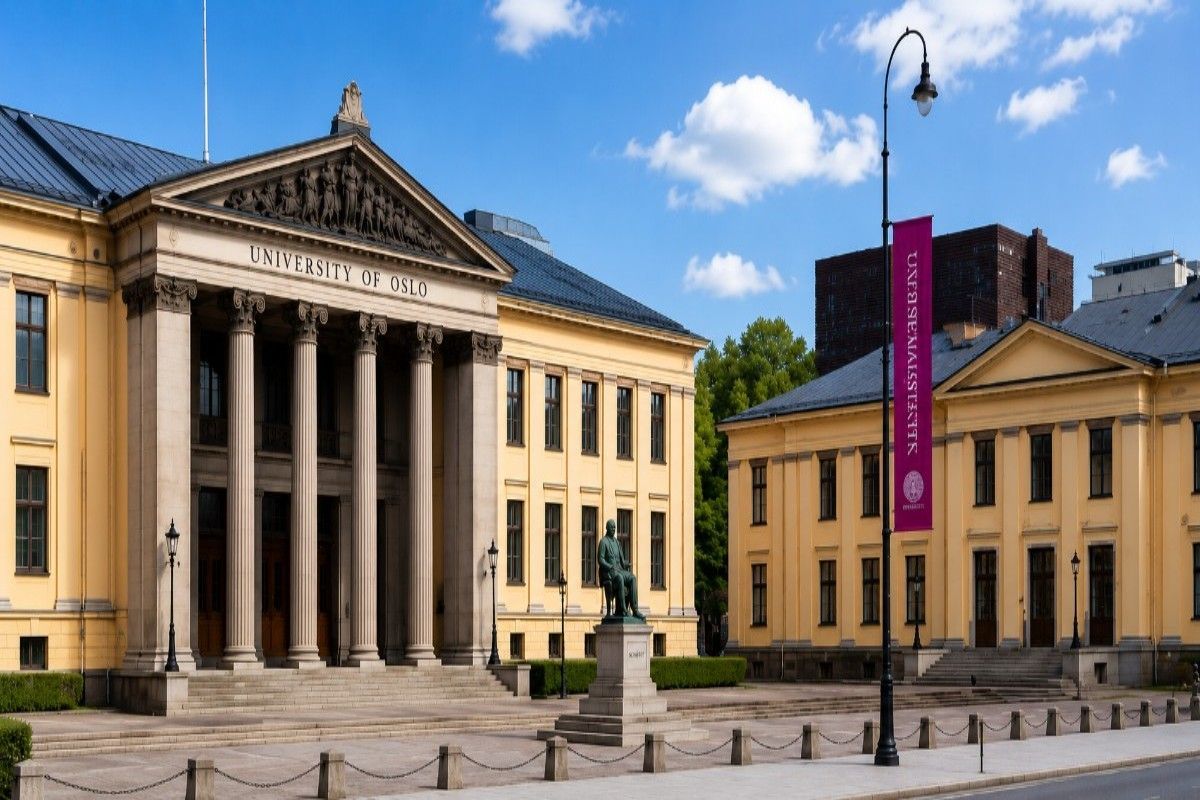
The Arctic University of Norway sits in Tromso, at 70 degrees north. It is the northernmost university in the world. Moreover, it was established in 1968 and opened in 1972. The Norwegian National Assembly approved it as part of a regional education policy. So, it was built specifically to bring world-class education to the High North of Europe.
Today, UiT has over 16,700 students across four main campuses: Tromso, Alta, Narvik, and Harstad. About 11% of students are international. Furthermore, around 20% of academic staff are non-Norwegian. So, the campus is genuinely international in its character. One third of Master's programmes are taught in English. However, the professional medicine programme is not one of them.
That is the central fact most Indian blogs either skip or bury. The Cand.The med. The degree, Norway's equivalent of the MBBS, is taught in Norwegian. Not English. So, to study medicine here, you need Norwegian language proficiency at the B2 to C1 level. Furthermore, clinical years are especially Norwegian-heavy. Patients speak Norwegian. Ward notes are in Norwegian. Assessment is in Norwegian. So, language is not just an entry requirement. It is a daily reality for the entire 6-year course.
What Makes UiT Medicine Unique
Now here is what almost no Indian blog explains. UiT's Faculty of Health Sciences has a research profile that is unique worldwide. It is a global leader in Arctic medicine, telemedicine, and epidemiology. The Norwegian Centre for Telemedicine, based at UiT, was designated a WHO Collaboration Centre in 2002. Moreover, UiT has two Centres of Excellence: CASTL in theoretical linguistics and CTCC in theoretical chemistry. The Department of Physics focuses on auroral light and space research. So, the research environment here is not generic. The Arctic defines it.
Furthermore, UiT runs the Arctic Frontiers conference every January. Researchers, politicians, and business leaders gather in Tromso to discuss Arctic issues across disciplines. Medical students at UiT are part of that world. They learn about cold-weather medicine, remote healthcare delivery, indigenous Sami health, and disease patterns specific to Arctic populations. That clinical profile is available nowhere else.
The teaching hospital is the University Hospital of North Norway, known as UNN. It is the largest hospital in Northern Norway and handles complex cases from across the entire Barents Region. Moreover, UNN has a telemedicine unit that runs consultations for patients in remote Arctic communities. Students who rotate there see a clinical scope that goes well beyond a standard hospital.
Costs, Language, and Who This Suits
On fees, UiT has a unique position. As of 2023, Norway introduced tuition fees for non-EU students at most public universities at around NOK 150,000 per year. However, UiT has maintained free tuition as of this writing. So, the only cost is a small semester fee of around NOK 600-800. But living costs are high. Tromso is more expensive than most European cities. NOK 11,000-14,000 is the monthly expenditure on accommodation and food. This is approximately INR 85,000-1,10,000 per month. Thus, the total cost for 6 years comes to INR 60-80 lakhs, excluding fees.
Nevertheless, Norwegian students and qualified candidates may apply for the Norwegian State Educational Loan Fund (Lånekassen). Moreover, the government's quota scheme awards scholarships to students from underdeveloped countries like India. So financial support exists, but it requires planning and eligibility.
Who is this university for, then? It suits students who have already invested in learning Norwegian. Moreover, it suits those who want a career in Europe, specifically in Arctic medicine. It is not a good fit for students who want a quick MBBS pathway back to India. The language barrier, the high cost of living, and the Norwegian-medium curriculum make it one of the hardest routes for an Indian student. But for the right student, one who is serious about Norway and European practice, it is one of the world's best medical universities.
Quick Overview
Parameter | Details |
Established | 1968 (Opened 1972), World's Northernmost University at 70° North |
Location | Tromso, Northern Norway, Also Campuses in Alta, Narvik, and Harstad |
University Type | Public Research University, Norway's 3rd Largest University |
Teaching Hospital | University Hospital of North Norway (UNN), the largest in Northern Norway |
Medicine Programme | Cand.Med. 6 Years, Norwegian Medium, EU Directive 2005/36/EC |
Language of Instruction | Norwegian (B2–C1 Required), NOT English Medium for Medicine |
QS World Ranking | #577 (2025) | Top 200 in Europe | WHO Collaboration Centre in Telemedicine |
Tuition Fee | Currently Free for All Students (UiT) + Semester Fee NOK 600–800/Year |
Fee Structure Approximate, Norwegian-Medium Medicine
Fee Component | Per Year (Approx.) | 6-Year Total (Approx.) |
Tuition Fee | Currently Free | Semester Fee NOK 600–800 | NIL Tuition (Semester Fee INR 45,000 Total) |
Norwegian Language Prep | NOK 30,000–60,000 | INR 2.3–4.6 Lakhs (One-Time) | INR 2.3–4.6 Lakhs (Before Admission) |
Accommodation | NOK 5,000–7,000/Month | INR 38,500–54,000/Month | INR 27.7–38.9 Lakhs |
Food and Living | NOK 4,000–6,000/Month | INR 30,800–46,200/Month | INR 22.2–33.3 Lakhs |
Visa and Insurance | NOK 10,000–15,000/Year | INR 77,000–1.16 Lakhs/Year | INR 4.6–7 Lakhs |
Donation | NIL | NIL |
Total Estimated | — | INR 57–84 Lakhs (Language Prep + 6 Years Living) |
Why UiT Faculty of Health Sciences Deserves a Harder Look Than You've Given It
The Arctic Medicine Advantage
Most pages about UiT list it as a Norway option and stop. But they miss what makes this specific faculty extraordinary. So here is the real picture.
First, no other university in the world studies medicine from inside the Arctic. UiT's Faculty of Health Sciences covers Arctic medicine, cold injury treatment, remote healthcare delivery, Sami indigenous health, and disease patterns unique to polar populations. Moreover, the WHO designated UiT's telemedicine centre as a global collaboration hub in 2002. So, research here does not just happen in labs. It happens in the real Arctic, with real communities.
Second, the University Hospital of North Norway is a genuinely unique clinical environment. It is the only major hospital in Norway's High North. As a result, it receives complex cases from across the entire Barents Region, including patients from Russia, Greenland, and the Svalbard archipelago. Furthermore, it runs a telemedicine unit that delivers clinical consultations to patients in remote communities by satellite. Students who rotate here see a clinical mix that no standard hospital can offer.
Third, the depth of the research is exceptional. QS ranks UiT at 577th globally, but that does not capture its research intensity. UiT accounts for a significant share of Norway's Arctic research output. Furthermore, the Arctic Frontiers conference, held every January, makes UiT a meeting point for global scientists, policymakers, and doctors who study the North. Students are embedded in that world from Day 1.
Honest Assessment: Is This Right For You?
Also, the fee structure is genuinely unusual. Most public Norwegian universities now charge non-EU students around NOK 150,000 per year. However, UiT has kept tuition free as of 2025. So, the cost burden is all in living expenses, not tuition. Furthermore, the Quota Scheme scholarship can cover living costs for eligible students from developing countries, including India.
Finally, the truth. This route is not for most Indian students. The Norwegian language requirement is the single biggest barrier. Moreover, B2 or C1 Norwegian takes one to two years of serious study. The cost of living in Tromso is also among the highest in Europe. So, this college suits a very specific student, one who is fully committed to Norway, has begun learning Norwegian, and wants a career in European or Arctic medicine. For that student, UiT is one of the best choices on the planet. For everyone else, other routes in Romania, Estonia, or Nepal make more practical sense.
No hidden charges, no donation. The full picture of costs at MBBS in UiT The Arctic University of Norway Faculty of Health Sciences Tromso.
Tuition Fee
NOK 600-800 per year for all students
Around INR 7,500 per semesterc
Hostel Fee
NOK 5,000-7,000 per month; Tromso is among the pricier cities in the EU.
NOK 5,000 to 7,000 per month; student housing available via the welfare organisa
Food & Meals
NOK 4,000 to 6,000 for groceries, transport, and personal costs
per month
Insurance
NOK 2,000 to 3,000
per year
Donation
No donation
No capitation fee
Total Estimated Cost
Around INR 57 to 84 lakhs
Total 6 years inclusive
25–35%
Average FMGE first-attempt pass rates for students from many overseas medical universities. Students from structured programs consistently score higher.
Students returning to India need to clear the FMGE/NExT exam. MBBS in UiT The Arctic University of Norway Faculty of Health Sciences Tromso integrates exam-oriented coaching into the regular curriculum so students are prepared from day one.
A structured program that takes you from foundational sciences to clinical mastery.
• Norwegian language use intensifies from Day 1; all lectures, assessments, and labs are in Norwegian
• Anatomy, Physiology, Biochemistry, and Cell Biology form the full pre-clinical base in Year 1
• Lab sessions and small group seminars run in Norwegian alongside all theory coursework
• Pathology, Microbiology, Pharmacology, and Immunology form the Year 2 core subjects
• Hospital rounds at University Hospital of North Norway start; telemedicine unit visits begin
• Pathophysiology, Forensic Medicine, and Clinical Orientation begin during the third year
• Emergency Medicine, Arctic trauma, and Dermatology postings were also added this year
• Full rotations in Internal Medicine, Surgery, Paediatrics, OB-GYN, Psychiatry, and Neurology
• FMGE coaching can begin this year for India-return students alongside clinical rotations
• Advanced postings in Cardiology, Oncology, Remote Medicine, and Barents Region case rotations
• Graduates apply for Helsedirektoratet authorisation; those returning to India prepare for NExT
• Final clinical rotations cover all major departments; Norwegian medical authorisation prep runs here

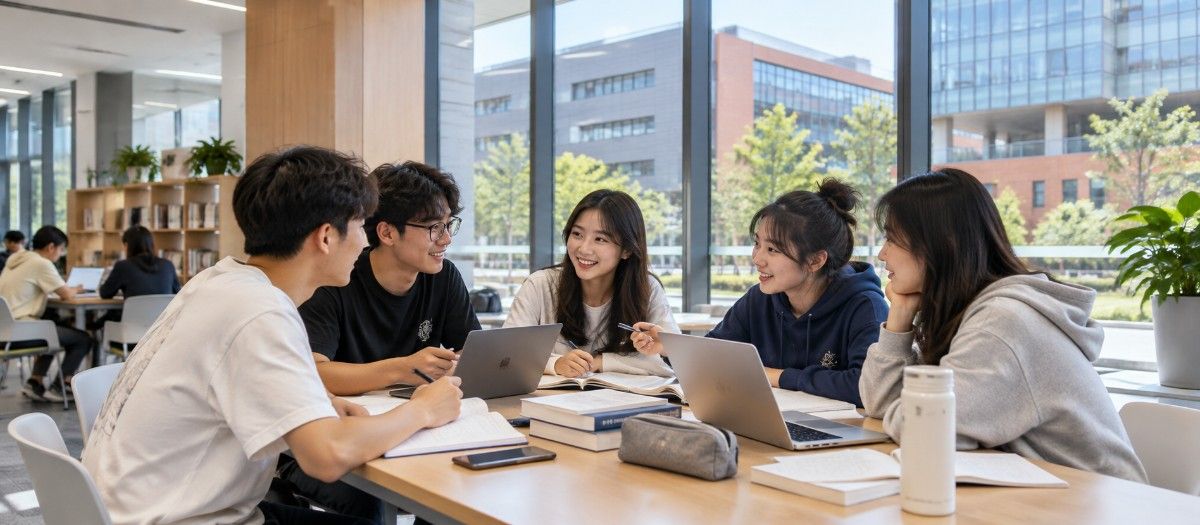
Furnished hostel rooms with Wi-Fi, laundry, 24/7 security, and Indian mess on or near campus.
Indian restaurants and mess facilities serving vegetarian and non-vegetarian home-style food daily.
Strong Indian community with cultural events, festival celebrations, and peer support groups.
Students get hands-on clinical training in government and private hospitals affiliated with the university.
Practical information for students planning to study at MBBS in UiT The Arctic University of Norway Faculty of Health Sciences Tromso.
Prepare for all seasons. Thermal wear for winters, light clothing for summers. University provides heating in hostels.
Student visa processed with university invitation letter. Direct and connecting flights from major Indian cities.
Health insurance included in fees. Medical facility on campus plus city hospitals easily accessible.
Local SIM cards available. WhatsApp and video calls keep you connected with family back home.
Average monthly expenses of $150–$250 covering food, transport, and personal needs.
University library, online databases, and study groups. Seniors mentor juniors through academic challenges.
Our team guides you through every step — from application to arriving on campus.
Confirm your Indian academic background against the GSU list and your NEET status for future India-return purposes.
Begin 12–18 months before your intended intake; this is the single most time-consuming prerequisite.
Choose between UiO, UiB, NTNU, and UiT based on verified current fees, language pathway, and city fit.
Gather the full checklist above, including certified translations where required.
Samordna Opptak for most professional-degree routes, or the university's own direct international portal where applicable (UiT runs a separate, earlier non-EU deadline).
The university or Samordna Opptak assesses your application.
Tilbud om studieplass, confirming your place.
Pay tuition where applicable and document funds meeting the current UDI threshold.
Submit your studietillatelse application to UDI as soon as you accept your offer.
Complete on-arrival registration, secure student housing, open a local bank account, and begin your Norwegian student life.
Admission Helpline — Contact our counsellors for step-by-step assistance.
“The faculty here is incredibly supportive. The clinical training during hospital rotations has given me real confidence in patient care.”
“Affordable fees without compromising on quality. The campus facilities and hostel life made my transition abroad very smooth.”
“English medium instruction and WHO-recognized curriculum were the deciding factors for me. No regrets so far — excellent experience overall.”
“The university helped with everything from visa to accommodation. Hospital exposure from year three has been invaluable for my FMGE prep.”
“Just cleared my licensing exam on the first attempt. The structured coaching and mock exams during final year were a game-changer.”
“Safe campus, good food options, and a strong Indian student community. The teaching methodology is very practical and hands-on.”
No. The Cand. The medical programme is fully in Norwegian. Norwegian B2-C1 proficiency is required throughout.
Yes, for FMGE and NExT. However, always verify the current NMC Gazette 2021 listed before you enrol.
Around INR 57 to 84 lakhs for 6 years. Tuition is free. But living costs in Tromso are high.
If you opt to return to your native country, India, and take the FMGE or NExT test, you must also appear for the NEET test.
According to QS, its world ranking is 577 in 2025. It is also ranked amongst the top 200 in Europe and is a WHO collaborating centre.
Government scholarships are available to students from developing countries such as India. Covers living costs.
Yes. Tromso is the world's best city for aurora viewing. Northern Lights are visible from October to March.
Yes. Several Master's programmes in health sciences are in English. But medicine itself is in Norwegian.
Around one to two years of serious study to reach the B2 to C1 level. Plan a language prep year first.
Yes. PhD, MD specialisation, Master's in health sciences, and nursing all run at UiT in English and Norwegian.


Our expert counsellors will guide you through the complete admission process — from documents to airport pickup.