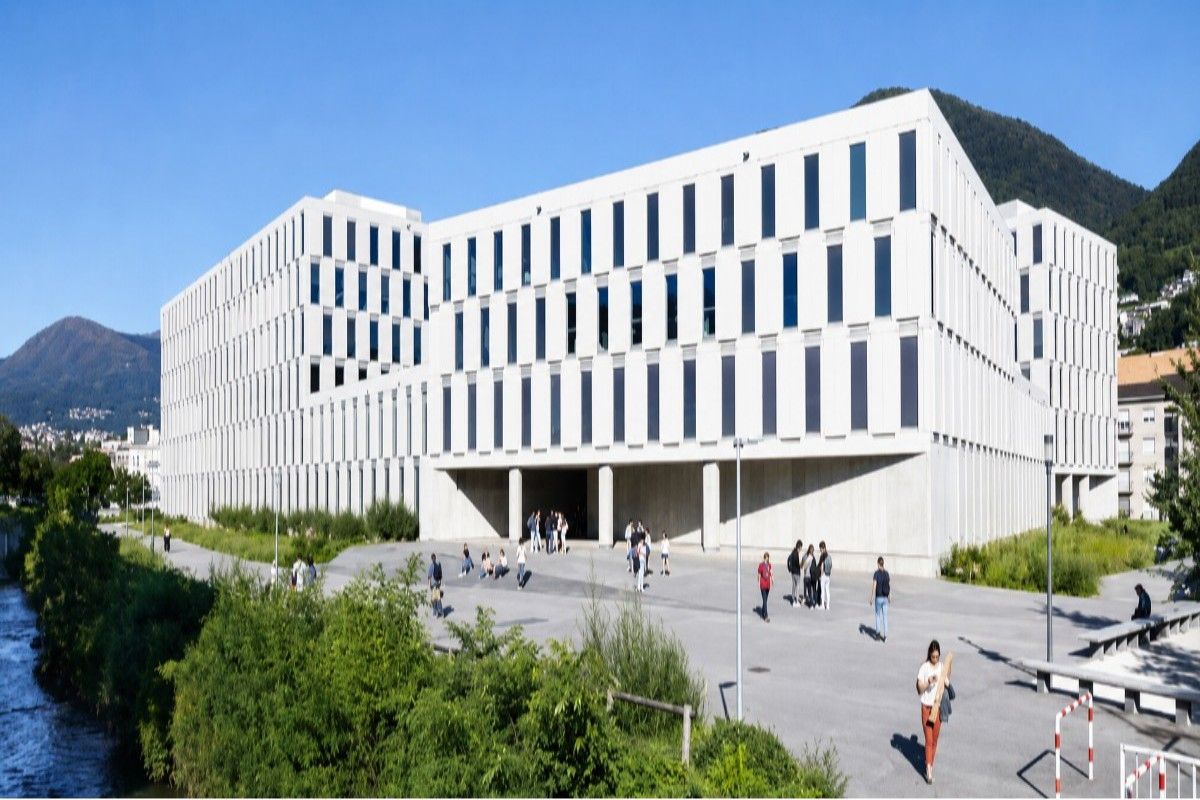
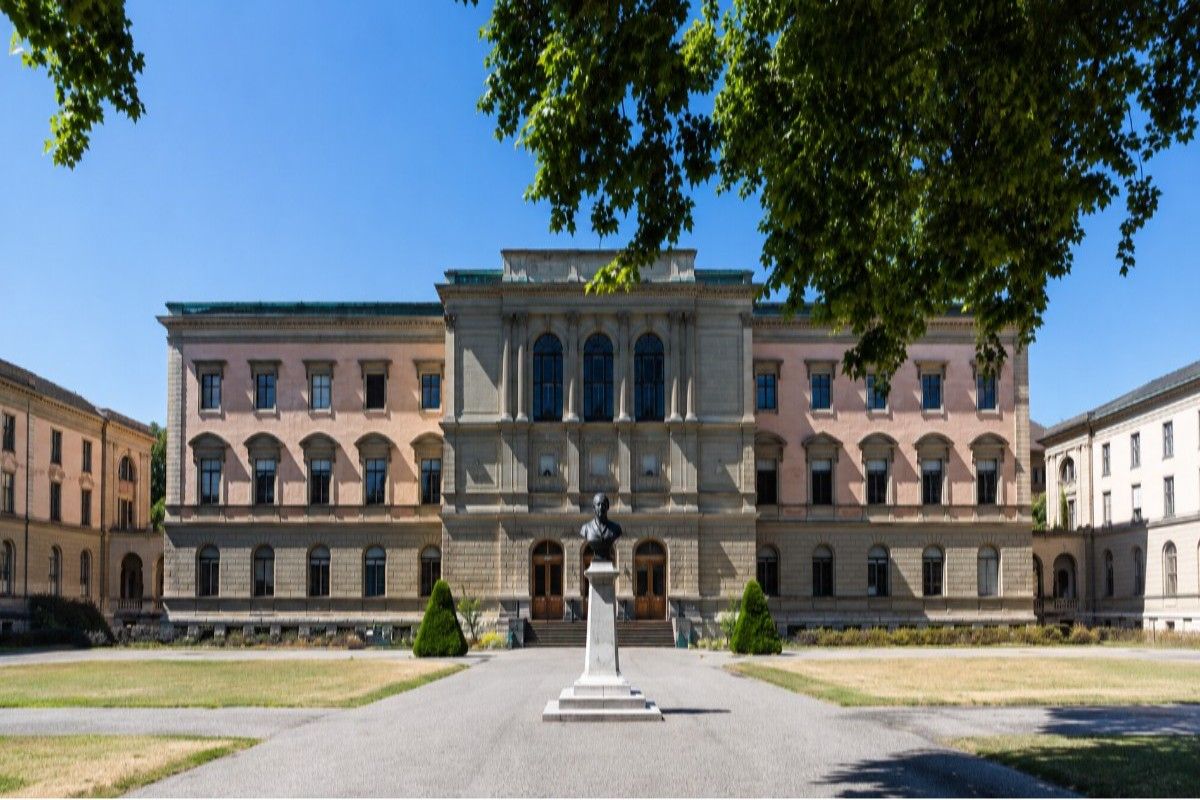
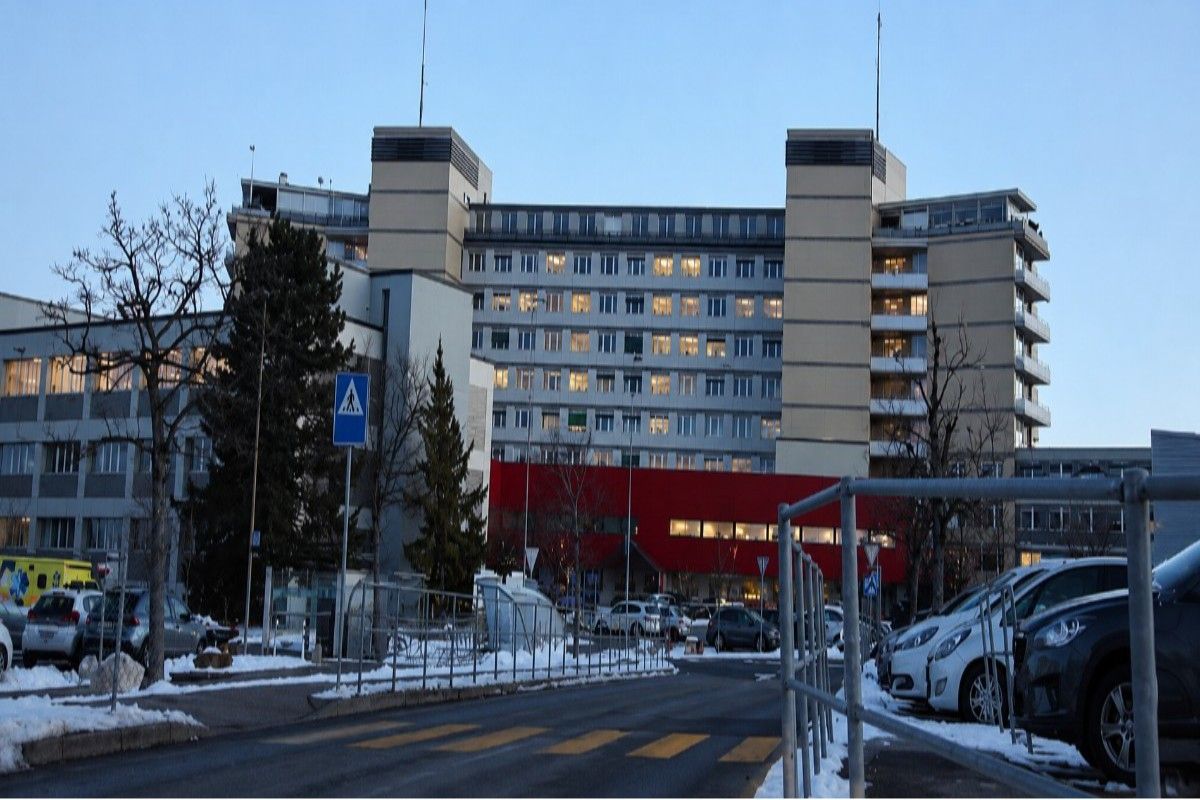
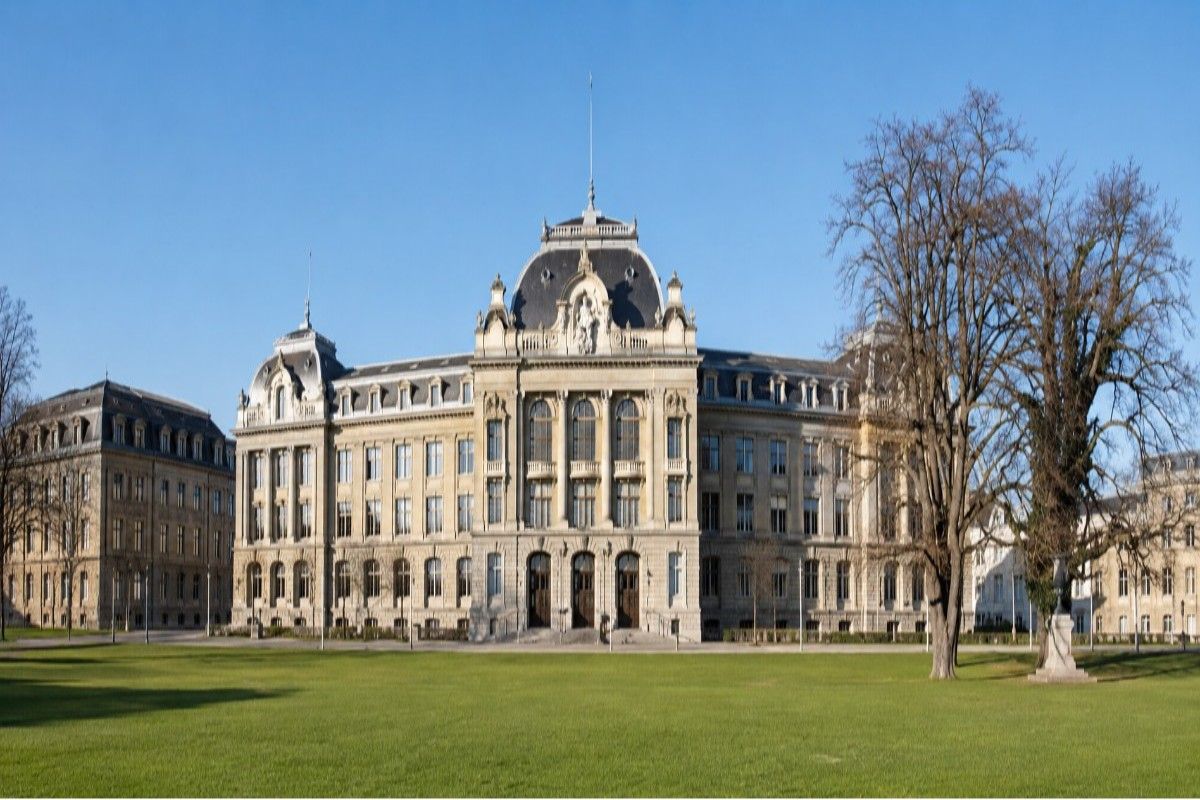
The Faculty of Biomedical Sciences at Università della Svizzera Italiana (USI) is one of Switzerland's newest and fastest-growing medical faculties, recognised for its innovative approach to medical education, biomedical research, and international collaboration. Located in Lugano, the largest city in the Italian-speaking canton of Ticino, the faculty combines modern teaching methodologies, cutting-edge scientific research, and close integration with leading hospitals to prepare future physicians for the rapidly evolving healthcare landscape.
Università della Svizzera Italiana was established in 1996 as the youngest public university in Switzerland. Although comparatively young, the university quickly gained recognition for academic excellence, international outlook, interdisciplinary research, and close partnerships with industry and healthcare institutions. The creation of the Faculty of Biomedical Sciences in 2014 marked a significant milestone in Switzerland's medical education system by expanding opportunities for physician training and biomedical innovation in the southern region of the country.
The faculty was established in response to Switzerland's growing demand for highly qualified medical professionals and biomedical researchers. Working closely with the Swiss Federal Government, partner universities, and regional healthcare providers, USI developed a modern curriculum that complements existing Swiss medical education while introducing innovative teaching methods focused on problem-solving, research, and personalised healthcare.
One of the faculty's defining characteristics is its collaborative education model. Rather than functioning independently, the medical programme is delivered in partnership with several leading Swiss universities, particularly the University of Basel and ETH Zurich, ensuring students receive education aligned with the highest national academic standards. This collaborative structure enables students to benefit from expertise across multiple institutions while maintaining continuity throughout their medical education.
The curriculum integrates biomedical sciences, clinical medicine, digital healthcare, public health, and research methodology from the earliest stages of study. Students develop a strong understanding of anatomy, physiology, molecular biology, biochemistry, genetics, pathology, pharmacology, microbiology, immunology, and behavioural sciences before progressing into advanced clinical medicine.
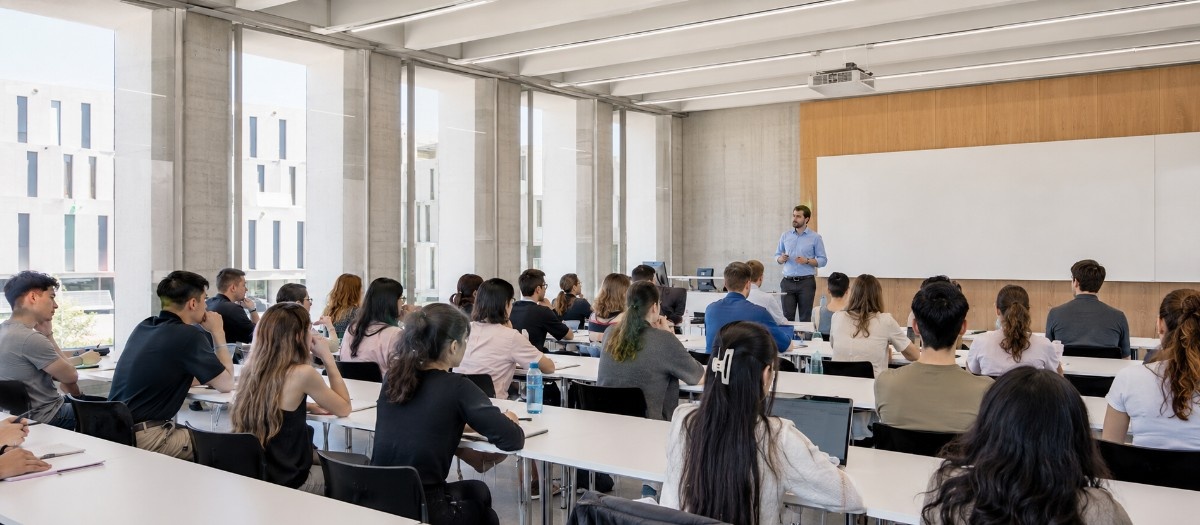
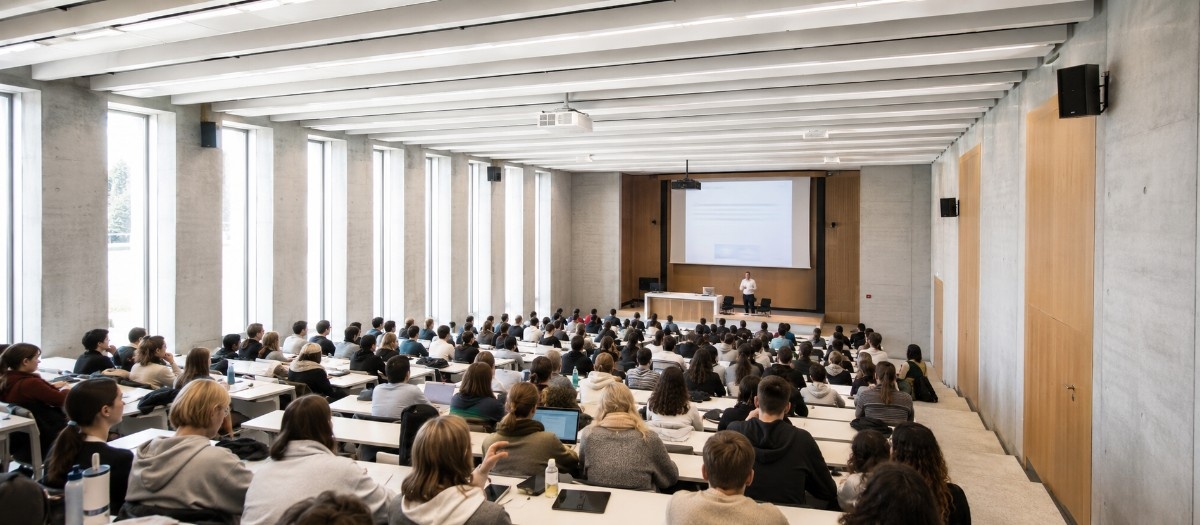
Teaching follows a student-centred approach that incorporates lectures, small-group discussions, problem-based learning, simulation exercises, laboratory practicals, digital learning platforms, and case-based clinical teaching. Early patient exposure allows students to develop communication skills, clinical reasoning, and professional confidence while interacting with patients under faculty supervision.
Clinical education takes place through collaborations with the Ente Ospedaliero Cantonale (EOC), the regional hospital network of Ticino. Students receive practical experience across modern teaching hospitals and specialised healthcare centres, gaining exposure to internal medicine, surgery, paediatrics, obstetrics and gynaecology, psychiatry, neurology, cardiology, oncology, emergency medicine, and community healthcare. These hospitals provide access to advanced diagnostic technologies and multidisciplinary clinical teams that support comprehensive medical training.
Research represents one of the strongest pillars of the Faculty of Biomedical Sciences. Faculty members and students participate in internationally recognised research projects involving neuroscience, oncology, molecular medicine, immunology, precision medicine, computational biology, digital health, regenerative medicine, cardiovascular medicine, and public health. The university encourages students to engage in scientific research early, enabling them to integrate evidence-based thinking into their clinical education.
USI is particularly recognised for interdisciplinary research that brings together medicine, computer science, artificial intelligence, biomedical engineering, economics, and public policy. This multidisciplinary environment allows researchers to address complex healthcare challenges using innovative technological solutions, making the faculty an important contributor to modern healthcare transformation.
International collaboration remains central to the faculty's mission. The university maintains partnerships with leading institutions across Europe, North America, and Asia while participating actively in international research networks and student exchange programmes. Students benefit from opportunities to undertake electives, collaborative research, international conferences, and academic exchanges that broaden their understanding of global healthcare systems.
Medical education follows the Bologna Process framework and complies with Swiss national educational standards. The curriculum emphasises ethical medical practice, evidence-based healthcare, interdisciplinary teamwork, patient-centred medicine, digital innovation, and lifelong professional development. Students are encouraged to become adaptable physicians capable of working in technologically advanced healthcare environments.
Lugano provides an exceptional environment for medical education. Located on the shores of Lake Lugano and surrounded by the Alps, the city offers a unique combination of Swiss efficiency and Mediterranean culture. The pleasant climate, beautiful natural scenery, and excellent infrastructure contribute to an outstanding quality of life for students.
The city is recognised as an important financial, technological, and educational centre within southern Switzerland. Students benefit from efficient public transportation, modern healthcare facilities, sports complexes, libraries, cultural festivals, museums, theatres, and numerous outdoor recreational opportunities including hiking, cycling, and water sports.
Accommodation options include university residences, student apartments, shared housing, and private accommodation throughout Lugano. Although living expenses are relatively high compared to many European countries, students enjoy exceptional public services, high safety standards, and an excellent healthcare system.
The Faculty of Biomedical Sciences attracts international students because of its innovative curriculum, strong research environment, interdisciplinary learning model, and close collaboration with Switzerland's leading universities and hospitals. Graduates are well prepared for postgraduate medical education, specialised residency programmes, clinical practice, and biomedical research.
What distinguishes Università della Svizzera Italiana is its modern vision of medical education, where traditional clinical excellence is combined with digital innovation, interdisciplinary collaboration, and internationally recognised biomedical research. Despite being one of Switzerland's youngest medical faculties, it has rapidly established itself as an important centre for educating the next generation of physicians and healthcare innovators.