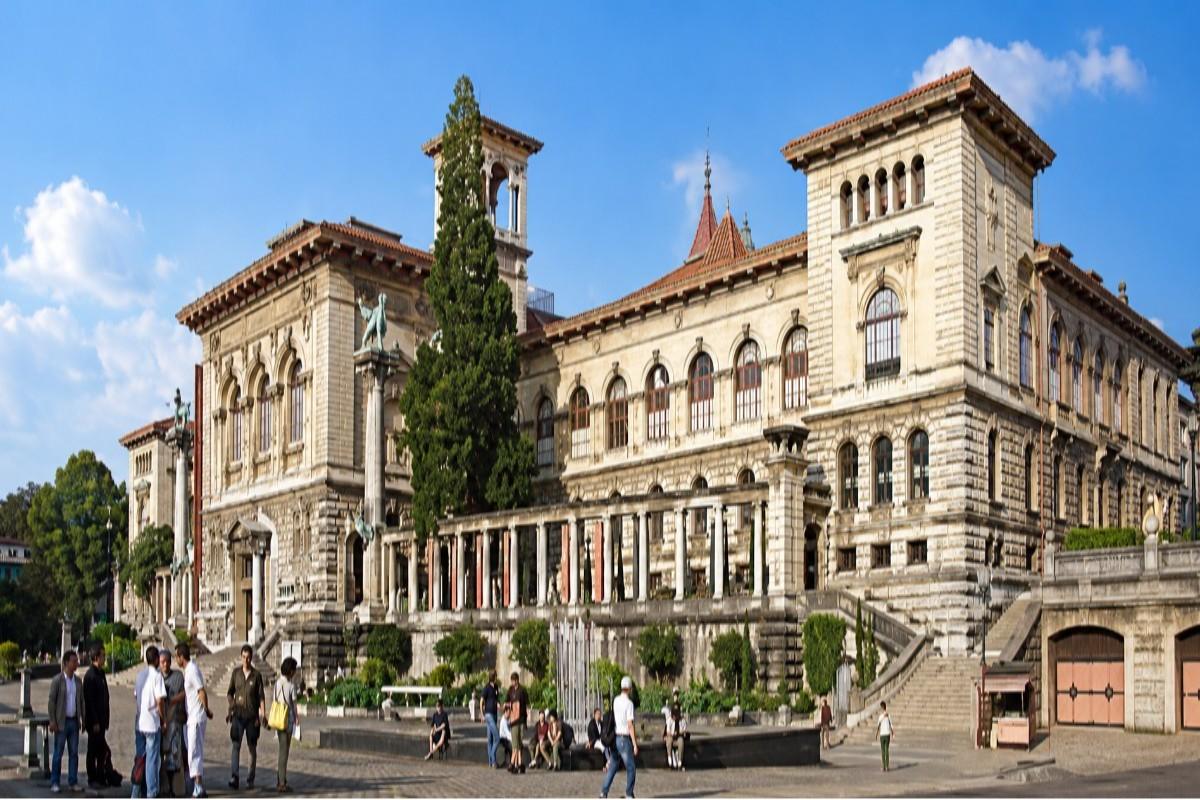
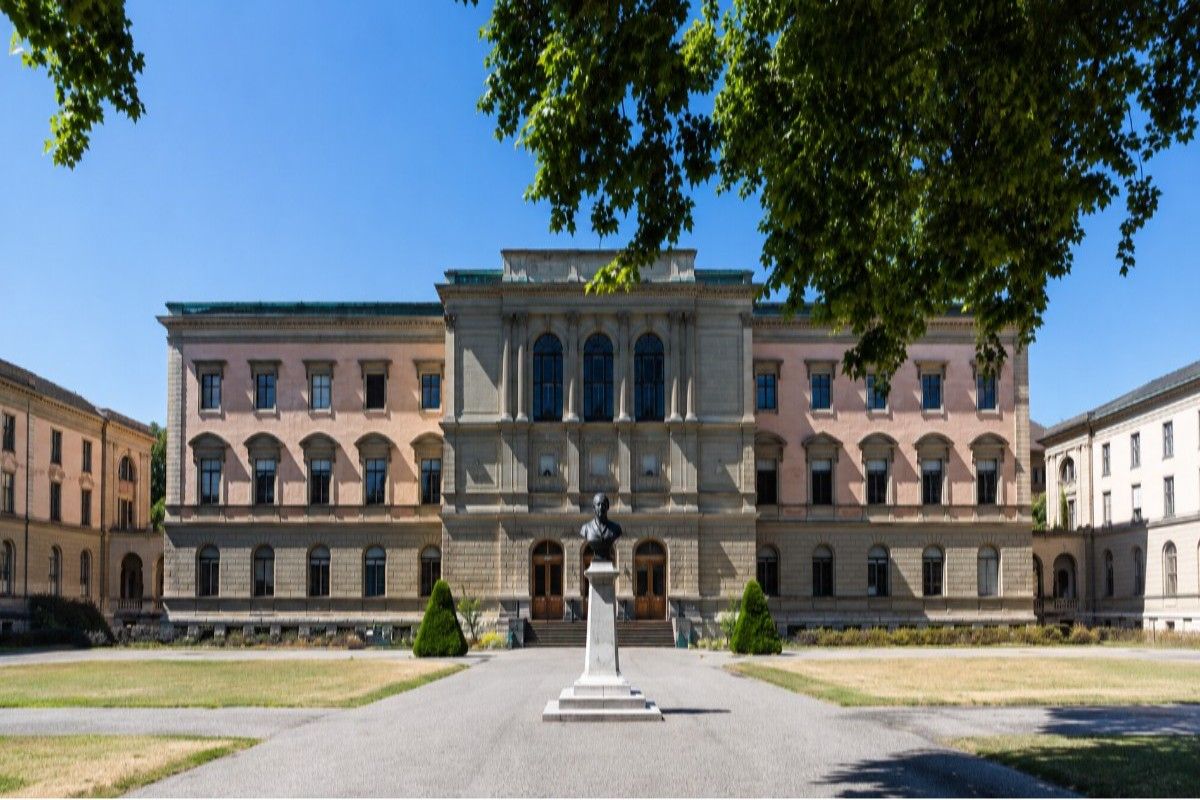
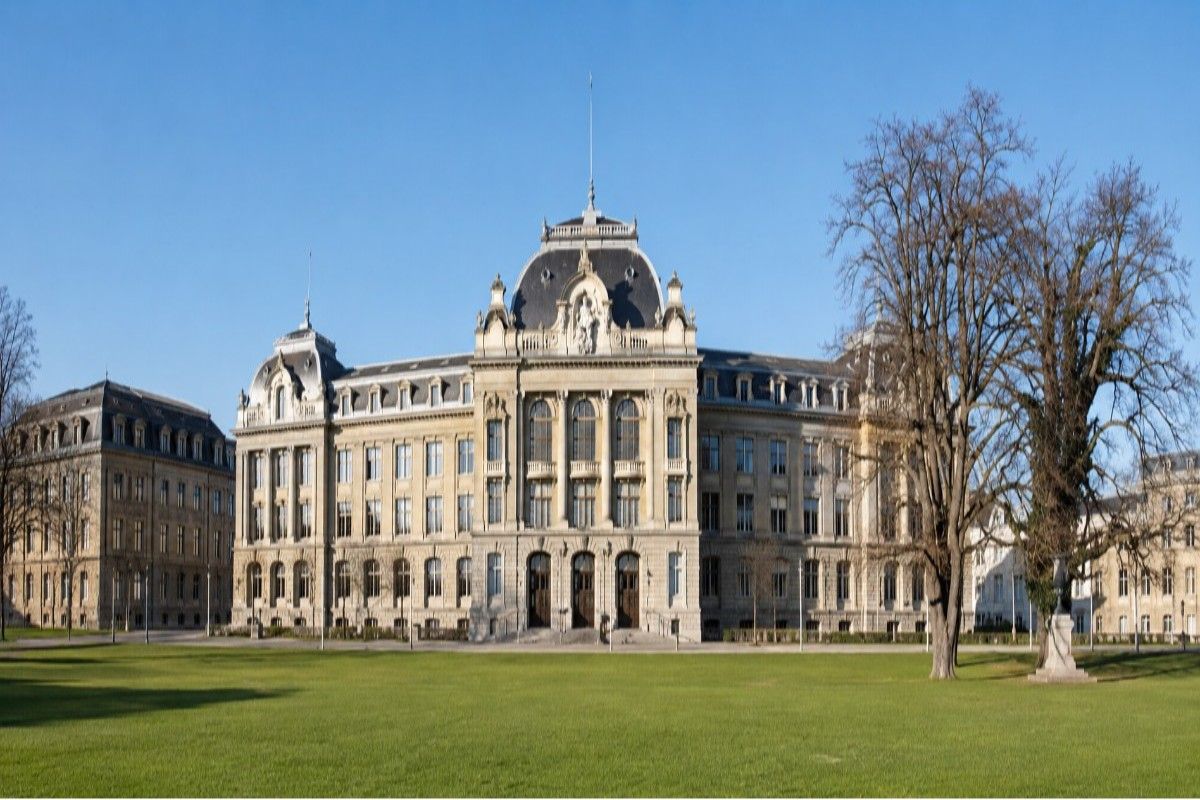
The Université de Lausanne was founded in 1537 as the Schola Lausannensis during the Protestant Reformation period in the region. It was created after the city came under Bernese control, and the aim at that time was to train Protestant pastors and support religious education in the region. The early institution was small and focused mainly on theology and classical studies. Over time, as political and social structures in Switzerland evolved, the school slowly expanded its academic scope beyond religious education.
In 1890, the institution was officially upgraded to university status and renamed the Université de Lausanne. This change marked a major shift from a regional theological academy into a modern university system. New faculties were gradually introduced, including law, arts, and sciences. Medicine developed later as part of Switzerland’s structured approach to higher education and hospital-based training. During the twentieth century, medical teaching became more formalized, especially as university hospitals became central to clinical education.
A major structural change took place in 2003 when the Faculty of Biology and Medicine was created. This was done by merging medical education with life sciences disciplines. The goal was to bring laboratory science, clinical medicine, and biomedical research into one integrated system. This structure is still in place today and is one of the defining features of the university. It allows students to move between scientific research and clinical exposure more smoothly compared to many traditional medical schools.
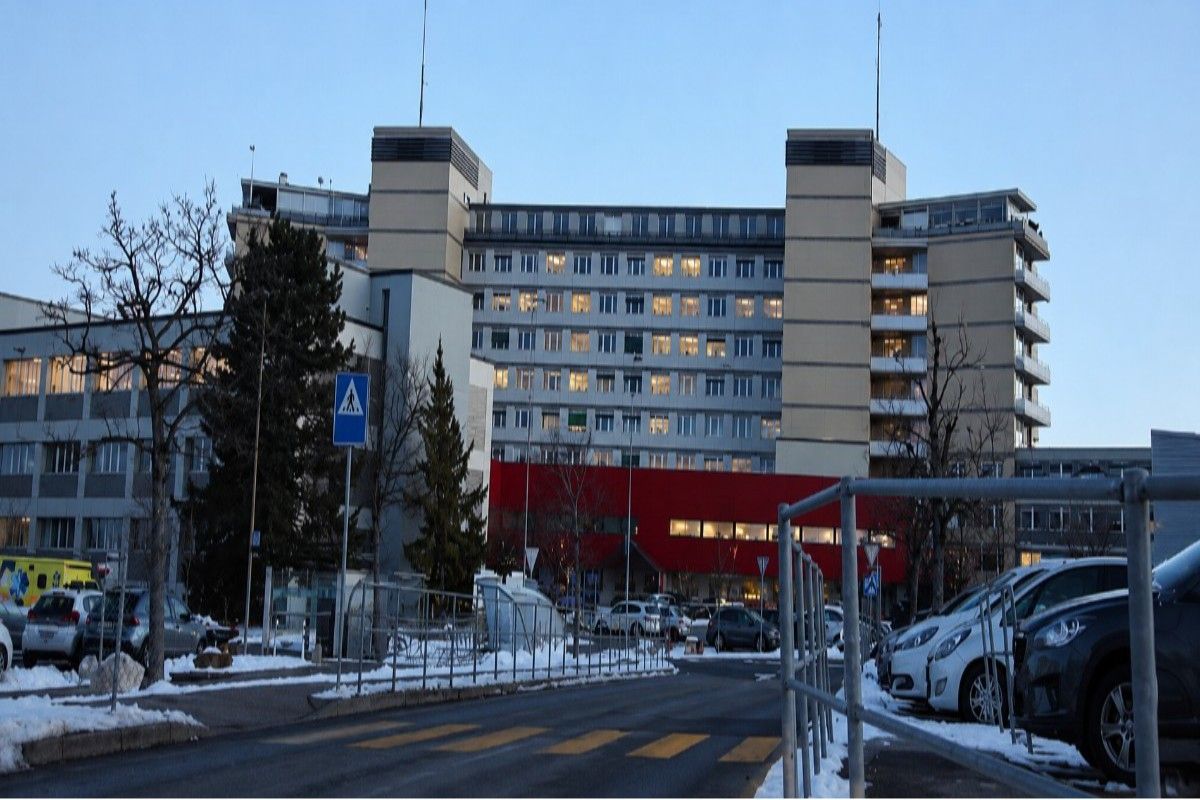
The Faculty of Biology and Medicine works closely with the Centre Hospitalier Universitaire Vaudois (CHUV), which is the main teaching hospital in Lausanne. CHUV is one of the leading university hospitals in Switzerland and plays a central role in training medical students. It is also a major research hospital involved in clinical trials, advanced surgical procedures, and international medical collaborations. Students at UNIL spend a significant part of their training in this hospital environment, especially during the clinical years of study.
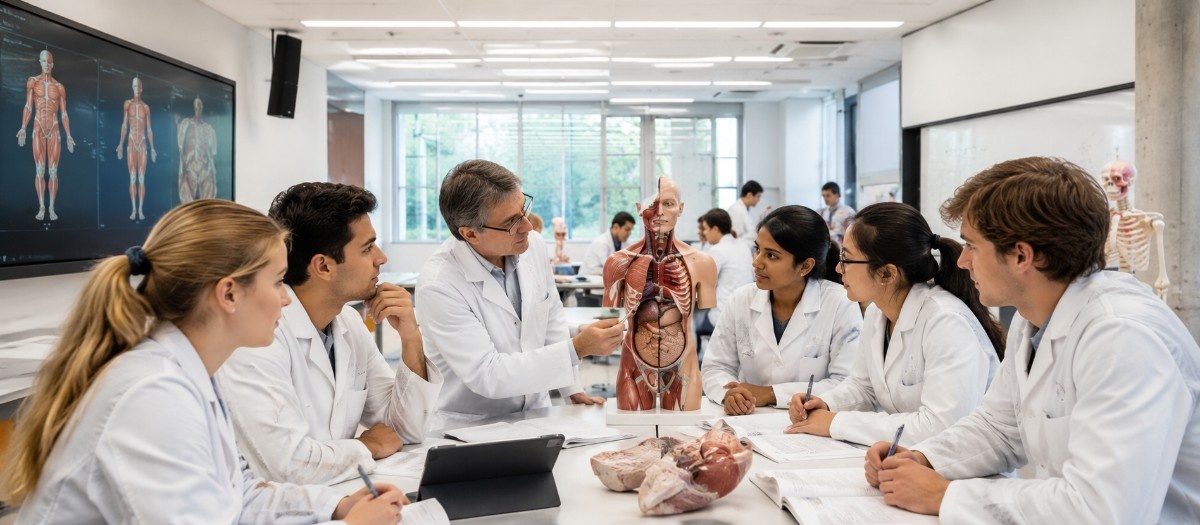
The medical program at UNIL follows the Swiss national medical education structure, which is divided into Bachelor of Medicine and Master of Medicine, followed by postgraduate specialization. The Bachelor phase focuses on foundational medical sciences such as anatomy, physiology, biochemistry, genetics, and introductory pathology. The Master phase is more clinically oriented, with students rotating through hospital departments under supervision. The final qualification is equivalent to a Doctor of Medicine degree in structure, but it is delivered under the Swiss education framework rather than a traditional MBBS format.
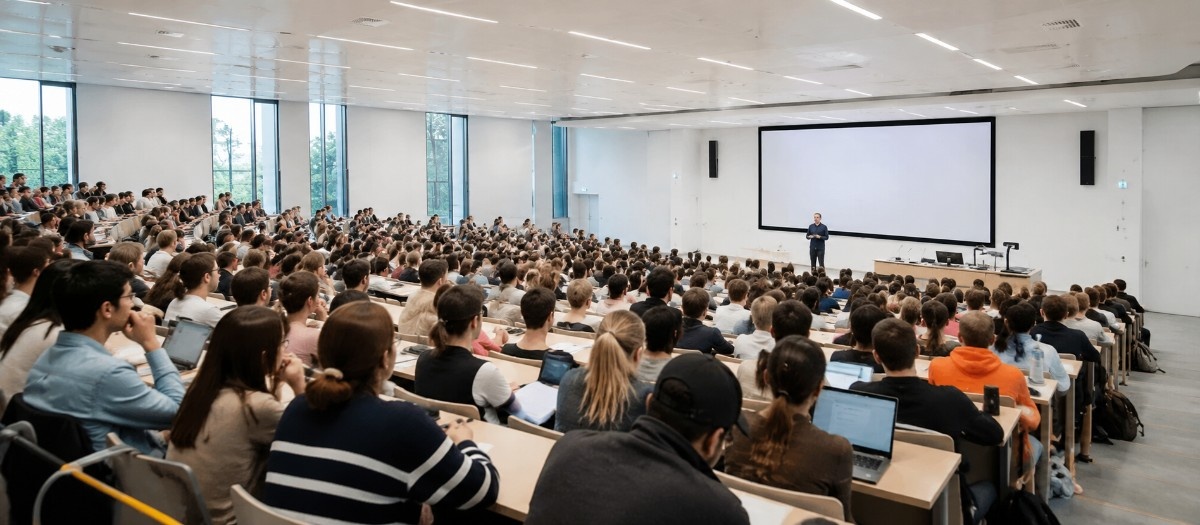
Teaching at UNIL is primarily conducted in French. The Bachelor level requires strong academic French skills because lectures, examinations, and practical sessions are delivered in this language. During clinical training at CHUV, communication with patients and hospital staff is also conducted in French. For this reason, international students must meet language requirements before entering clinical phases. This language structure makes the program academically demanding for non-French-speaking students but also ensures full integration into the Swiss healthcare system.
The Faculty of Biology and Medicine is known for its close link between research and clinical practice. Unlike many universities where research and hospital training are separate, UNIL combines both within the same ecosystem. Students are exposed to biomedical laboratories early in their studies and are encouraged to participate in research projects in areas such as neuroscience, oncology, immunology, genetics, and systems biology. This integration helps students understand how laboratory discoveries translate into patient care.
Another defining feature of UNIL is its collaboration with the École Polytechnique Fédérale de Lausanne (EPFL), one of Europe’s leading technical universities. This partnership strengthens biomedical engineering, digital health, and computational biology research. Students and researchers often work across both institutions, which creates a strong interdisciplinary environment. Lausanne itself benefits from this academic concentration, making it one of the most research-active cities in Switzerland.
The city of Lausanne is located in the French-speaking canton of Vaud, on the northern shore of Lake Geneva. It has a population of around 145,000 people, while the wider metropolitan region is larger. The city is built on sloping terrain overlooking the lake, with views of the Alps on clear days. Lausanne has a long historical background and has been an important administrative and cultural center in Switzerland for centuries.
Student life in Lausanne is shaped by its academic environment. The city hosts multiple higher education institutions, which creates a strong student population. Public transport is well developed, with metro lines, buses, and regional trains connecting different parts of the city and nearby regions. Travel to cities like Geneva, Bern, and Zurich is efficient through the Swiss rail network. The climate is moderate, with cold winters, mild summers, and consistent rainfall spread across the year.
Housing in Lausanne is one of the main challenges for students. University-managed accommodation exists but is limited in availability. Many students rent shared apartments or rooms in private housing. International students often rely on student housing networks or private rental systems. Despite the housing pressure, the city is considered safe and well organized, with strong public services and infrastructure.
The Faculty of Biology and Medicine also maintains strong international academic connections. It participates in European research programs and collaborates with universities and hospitals across Europe and North America. Research output is particularly strong in clinical medicine and biomedical sciences. CHUV’s role in clinical trials and advanced medical procedures gives students exposure to modern healthcare systems during training.
Overall, the Université de Lausanne Faculty of Biology and Medicine is structured around a tightly connected system of teaching, research, and clinical practice. Its strength lies in combining academic science with hospital-based learning, supported by one of Switzerland’s leading university hospitals and a strong research network in Lausanne.