
1. What makes the University of Bern Faculty of Medicine unique?
+A: The faculty combines outstanding research with extensive clinical training at Inselspital, one of Switzerland's leading university hospitals.
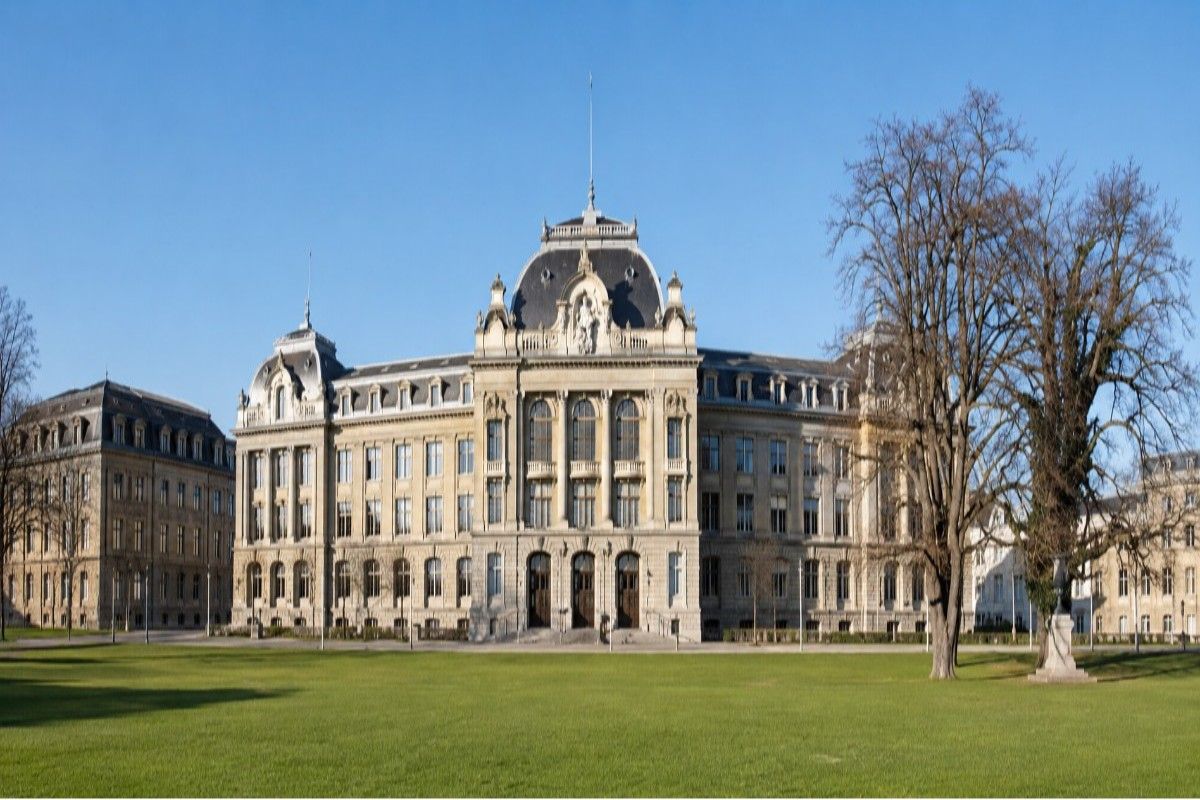
 Switzerland | Est. 1834
Switzerland | Swiss Accreditation Council and Swiss Federal Government | Primarily German medium
Expert will call you within 2 hours
The Faculty of Medicine at the University of Bern is one of Switzerland's most prestigious medical schools, recognised for excellence in medical education, clinical training, biomedical research, and healthcare innovation. Located in Bern, the capital city of Switzerland, the faculty has built a strong international reputation for educating highly skilled physicians, researchers, and healthcare professionals. Its close collaboration with leading hospitals, research institutes, and international academic partners enables students to gain a comprehensive medical education that integrates scientific knowledge with practical clinical experience.
The University of Bern was officially established in 1834, although the city's academic tradition dates back to the sixteenth century. Since its foundation, the university has grown into one of Switzerland's foremost public research institutions, offering high-quality education across numerous disciplines. Medicine has remained one of its strongest faculties, contributing significantly to Switzerland's healthcare system and scientific advancement.
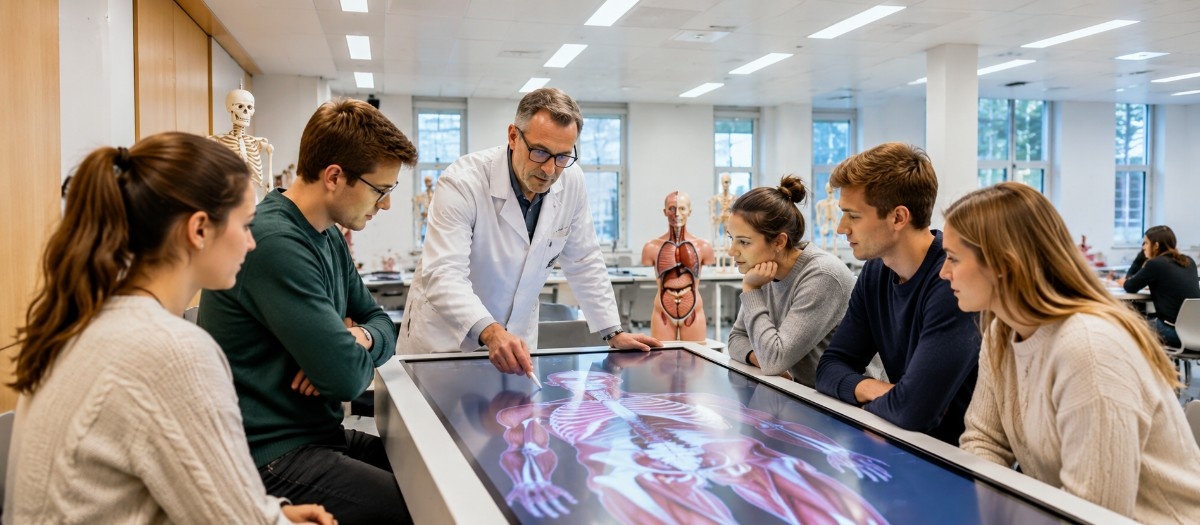
The Faculty of Medicine offers a modern curriculum that combines basic medical sciences with extensive clinical exposure. Students begin with subjects such as anatomy, physiology, biochemistry, histology, molecular biology, genetics, pathology, pharmacology, microbiology, and behavioural sciences before progressing to hospital-based clinical training. Throughout the programme, emphasis is placed on evidence-based medicine, ethical practice, communication skills, critical thinking, and patient-centred healthcare.
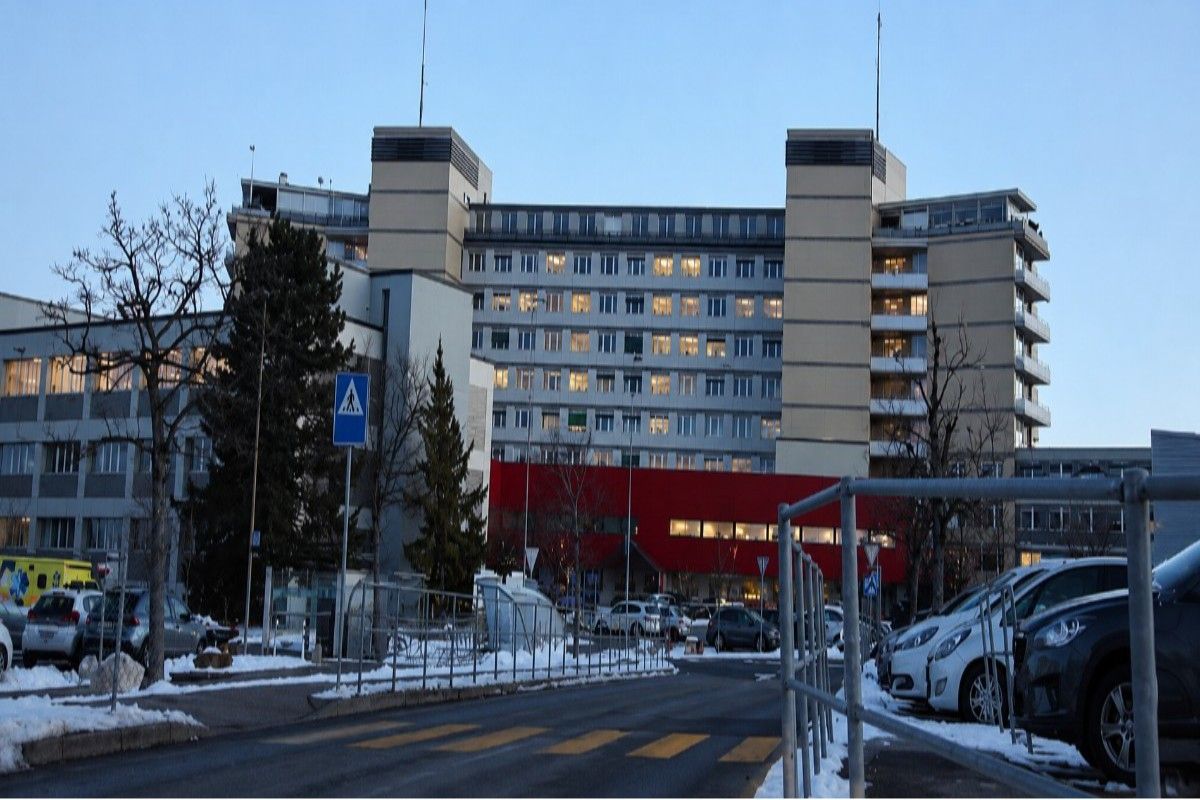
A defining feature of the faculty is its partnership with Inselspital – Bern University Hospital, one of Switzerland's largest and most advanced university hospitals. Students receive clinical training in a highly specialised healthcare environment equipped with modern diagnostic technologies, advanced surgical facilities, and multidisciplinary medical teams. Early patient interaction allows students to develop practical clinical skills while learning directly from experienced physicians and specialists.
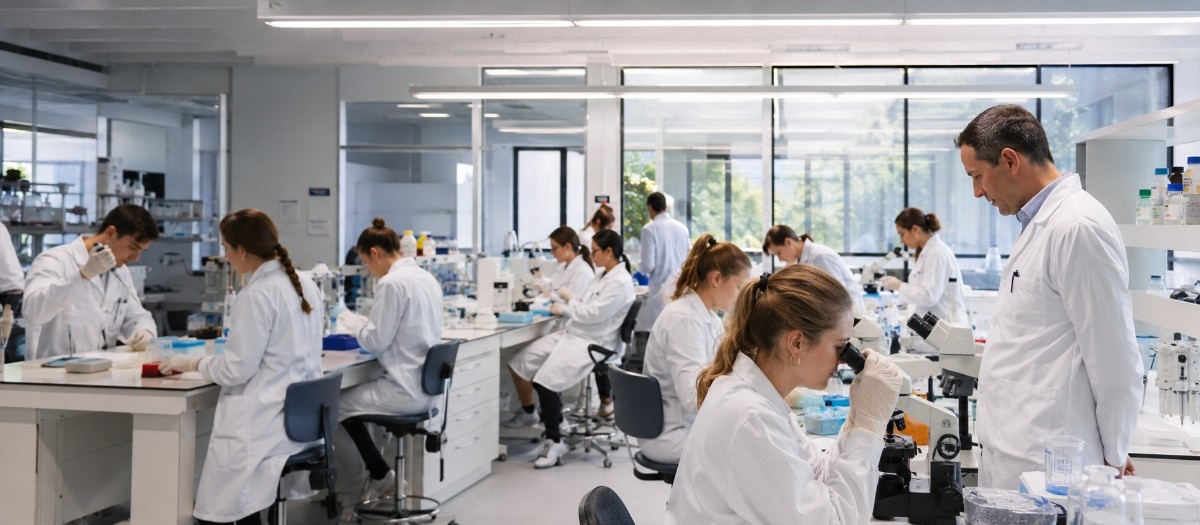
Research is a major strength of the University of Bern. Faculty members and students actively contribute to internationally recognised research in oncology, cardiovascular medicine, neuroscience, immunology, infectious diseases, transplantation medicine, orthopaedics, precision medicine, regenerative medicine, and public health. Numerous research institutes and specialised laboratories support innovation and interdisciplinary collaboration, allowing students to participate in scientific projects throughout their education.
The university is particularly known for its work in translational medicine, where laboratory discoveries are transformed into practical treatments and healthcare solutions. Collaboration between scientists, clinicians, engineers, and healthcare professionals enables the rapid development of innovative diagnostic methods, therapies, and medical technologies that improve patient outcomes.
Internationalisation forms an important part of the faculty's mission. The University of Bern maintains academic partnerships with leading universities and research centres across Europe, North America, and Asia. Students benefit from exchange programmes, collaborative research opportunities, international electives, and participation in global medical conferences.
Medical education follows the Bologna Process framework, ensuring compatibility with European higher education standards. The curriculum encourages interdisciplinary learning, lifelong professional development, and continuous adaptation to advances in medical science and healthcare technologies.
Bern provides an excellent environment for higher education. As Switzerland's federal capital and a UNESCO World Heritage city, it offers outstanding public infrastructure, efficient transportation, excellent healthcare services, and a high standard of living. Students enjoy a safe and multicultural atmosphere, modern libraries, museums, theatres, sports facilities, and numerous recreational opportunities.
Accommodation options include university residences, student housing organisations, shared apartments, and private accommodation. Although Switzerland has relatively high living costs, students benefit from excellent public services, a strong healthcare system, and exceptional quality of life.
The University of Bern attracts students from around the world because of its internationally recognised degree, strong research culture, modern teaching methods, and access to one of Switzerland's leading university hospitals. Its combination of academic excellence, research innovation, and clinical training prepares graduates for successful careers in medicine, healthcare leadership, and biomedical research across the globe.
No hidden charges, no donation. The full picture of costs at MBBS in University of Bern Faculty of Medicine.
Tuition Fee
Approximately USD 2,200 (Approx. Rs. 1.83 lakh)
USD 2,200 Rs. 1.83 lakh
Hostel Fee
Approximately USD 11,000 per year (Approx. Rs. 9.14 lakh) for university residences and student accommodation
USD 11,000 Rs. 9.14 lakh
Food & Meals
USD 4,000 Rs. 3.32 lakh
per month
Insurance
USD 1,000 Rs. 83,100
per year
Donation
No Donation
No Hidden Fees
Total Estimated Cost
Approx. USD 109,200 (6-year total)
Contact us
25–35%
Average FMGE first-attempt pass rates for students from many overseas medical universities. Students from structured programs consistently score higher.
Students returning to India need to clear the FMGE/NExT exam. MBBS in University of Bern Faculty of Medicine integrates exam-oriented coaching into the regular curriculum so students are prepared from day one.
A structured program that takes you from foundational sciences to clinical mastery.
• Introduction to healthcare systems, communication skills, and scientific methodology
• Human anatomy, physiology, biochemistry, histology, embryology, and medical ethics
• Integration of biomedical sciences with clinical applications
• Pathology, microbiology, immunology, pharmacology, genetics, and disease mechanisms
• Diagnostic medicine, epidemiology, public health, and laboratory sciences
• Clinical skills development and early patient interaction
• Training in internal medicine, surgery, paediatrics, obstetrics and gynaecology, psychiatry, neurology, cardiology, and emergency medicine
• Clinical rotations at Inselspital – Bern University Hospital and affiliated healthcare institutions
• Research projects, evidence-based medicine, precision medicine, and clinical decision-making
• Advanced specialty rotations and multidisciplinary patient management
• Preparation for postgraduate residency training and professional medical licensing
• Comprehensive supervised clinical training across major healthcare disciplines
Furnished hostel rooms with Wi-Fi, laundry, 24/7 security, and Indian mess on or near campus.
Indian restaurants and mess facilities serving vegetarian and non-vegetarian home-style food daily.
Strong Indian community with cultural events, festival celebrations, and peer support groups.
Students get hands-on clinical training in government and private hospitals affiliated with the university.
Practical information for students planning to study at MBBS in University of Bern Faculty of Medicine.
Prepare for all seasons. Thermal wear for winters, light clothing for summers. University provides heating in hostels.
Student visa processed with university invitation letter. Direct and connecting flights from major Indian cities.
Health insurance included in fees. Medical facility on campus plus city hospitals easily accessible.
Local SIM cards available. WhatsApp and video calls keep you connected with family back home.
Average monthly expenses of $150–$250 covering food, transport, and personal needs.
University library, online databases, and study groups. Seniors mentor juniors through academic challenges.
Our team guides you through every step — from application to arriving on campus.
Our Switzerland specialist conducts a full language, academic, financial, and career readiness assessment. Switzerland is only recommended after this session confirms a genuine fit.
Our team connects you with certified German (Goethe-Institut) or French (Alliance Française DALF) instructors targeting C1 certification.
We provide structured NC preparation, study skills assessment, scientific knowledge review, and practice examination sessions.
Full Swiss faculty application and permit document set — academic certificate translations, language certificates, and financial documentation.
Our team manages the application to the University of Zürich, Basel, Geneva, or Lausanne Faculty of Medicine.
NC examination taken (typically late August / early September).
Faculty admission confirmed after NC results. Our team immediately initiates the Wohnheim (student housing) application, which is oversubscribed and requires early filing.
Full permit documentation submitted to the Swiss Embassy in New Delhi. Begin immediately after admission.
Our team advises on routing to Zürich Airport (ZRH) or Geneva Airport (GVA). Local coordination confirmed.
Our team manages Migrationsamt cantonal registration (within 14 days of arrival) and university enrolment. Annual permit renewal is managed throughout your programme.
Admission Helpline — Contact our counsellors for step-by-step assistance.
“The faculty here is incredibly supportive. The clinical training during hospital rotations has given me real confidence in patient care.”
“Affordable fees without compromising on quality. The campus facilities and hostel life made my transition abroad very smooth.”
“English medium instruction and WHO-recognized curriculum were the deciding factors for me. No regrets so far — excellent experience overall.”
“The university helped with everything from visa to accommodation. Hospital exposure from year three has been invaluable for my FMGE prep.”
“Just cleared my licensing exam on the first attempt. The structured coaching and mock exams during final year were a game-changer.”
“Safe campus, good food options, and a strong Indian student community. The teaching methodology is very practical and hands-on.”
A: The faculty combines outstanding research with extensive clinical training at Inselspital, one of Switzerland's leading university hospitals.
A: Yes. The university is internationally recognised and listed in the World Directory of Medical Schools.
A: The undergraduate programme is primarily taught in German, while several postgraduate and research programmes are available in English.
A: Yes. Graduates may pursue licensing and registration pathways in different countries, subject to local eligibility requirements.
A: Yes. Indian students seeking recognition of their foreign medical qualification in India must possess a valid NEET UG score before admission.
A: Clinical training is conducted primarily at Inselspital – Bern University Hospital and affiliated healthcare institutions.
A: Yes. Students can participate in research involving oncology, neuroscience, immunology, cardiology, transplantation medicine, and precision medicine.
A: Bern offers a safe, multicultural environment with excellent transportation, recreational facilities, cultural attractions, and a high quality of life.
A: Yes. Students can choose from university residences, shared apartments, and private accommodation.
A: Applicants usually need academic transcripts, passport copies, NEET documentation where applicable, proof of language proficiency where required, completed application forms, and other university-specific documents.
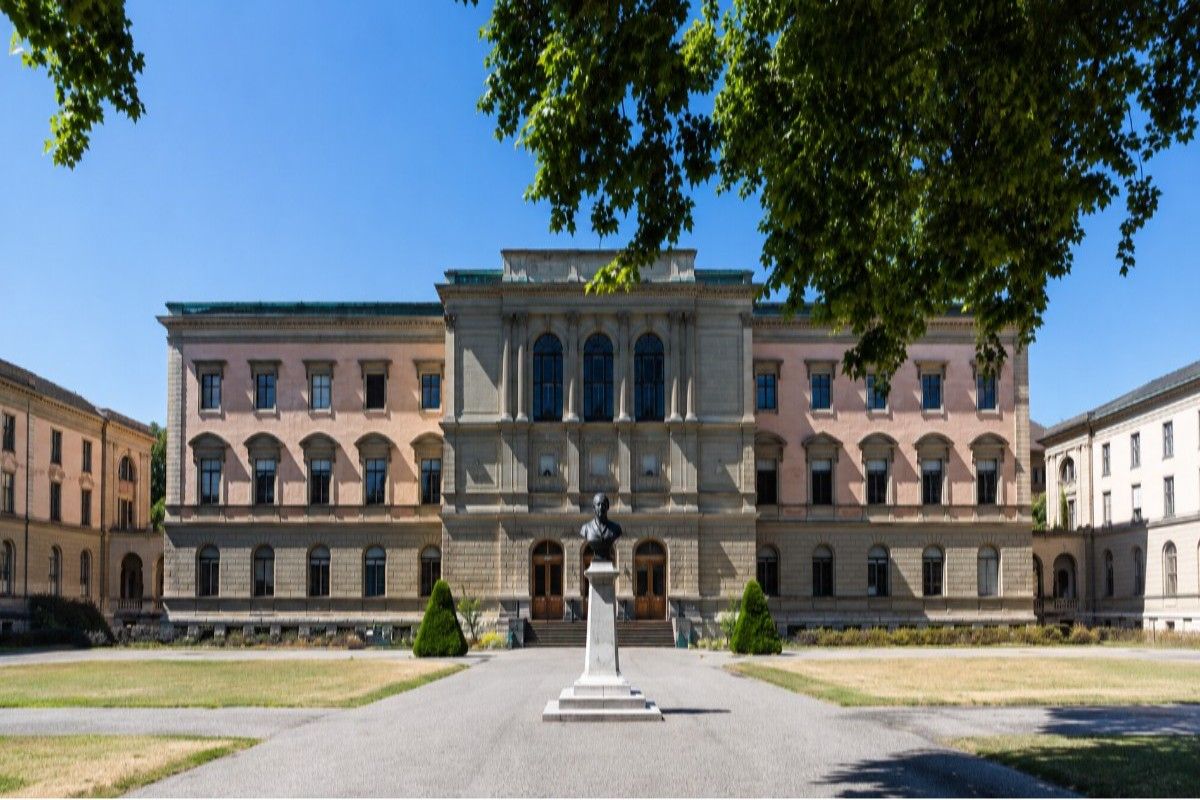
Our expert counsellors will guide you through the complete admission process — from documents to airport pickup.