
Q1. Is this Medical School taught in English?
+No, it teaches in Greek. Private Cyprus schools like EUC and the University of Nicosia teach in English instead.
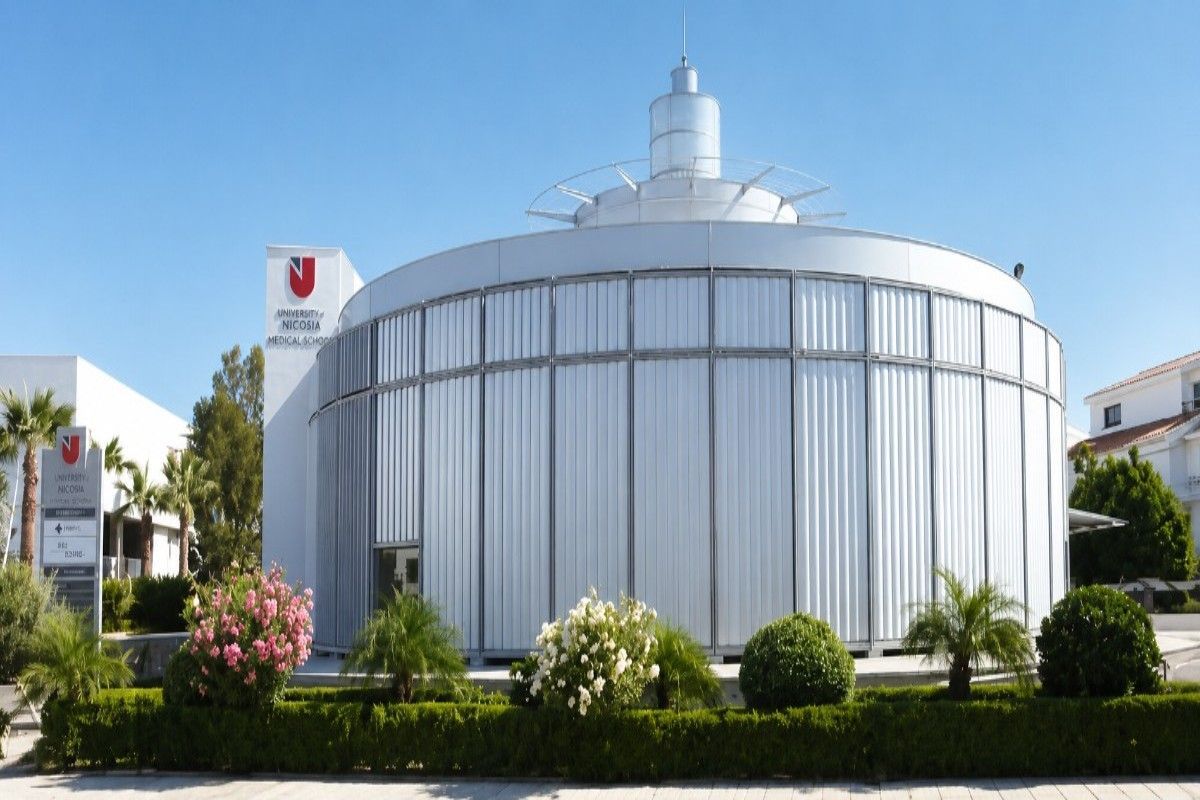
 Cyprus | Est. 1989
Cyprus | The Republic of Cyprus accredits this degree. Cyprus follows WFME and WHO medical education standards. | Greek. Almost all lectures, exams, clinical training are in Greek medium
Expert will call you within 2 hours
One fact matters more than any other. The University of Cyprus is a Greek-medium public university. The Medical School teaches almost the whole six-year MD program in Greek. This makes it very different from Cyprus's private medical schools. Schools like European University Cyprus and the University of Nicosia teach in English. Most "study medicine in Cyprus" ads point to those schools, not this one. Do you want to study medicine in English? Do you already speak Greek? If not, this school is probably not right for you.
It works well if you already speak Greek. It also works well if you're Cypriot or Greek. It works well for EU students too, if Greek is common where you live. For these students, the University of Cyprus offers something rare. It's a public university with strong government support. Tuition costs a fraction of Cyprus's private schools. The university also ranks as the top research school in the country.
The University of Cyprus is known locally as UCY. It was founded in 1989 in Nicosia, the capital of Cyprus. It was the country's first public university. Its goal was to meet the growing needs of the Cypriot people. Over more than 30 years, it has grown into a strong research university. Today it has eight faculties, over 20 departments, and about 7,000 students. UCY is Cyprus's top-ranked university across major global rankings. It sits at 452nd in the world in the QS World University Rankings 2026. It also sits in the 401–500 band in the Times Higher Education Rankings 2026. These rankings put UCY ahead of other Cypriot universities in most subjects, including medicine.
Medicine came to UCY later than other subjects. The Medical School opened in 2013, 24 years after the university itself. This was not a rushed decision. Cyprus had long sent its future doctors abroad for training. Building a public medical school was meant to change that. The goal was to train more doctors at home. The Medical School describes its work in three parts. First, it teaches medical students. Second, it gives quality healthcare to people in Cyprus. Third, it carries out medical research. The school treats these three goals as connected, not separate.
The MD program is called the Ptychion Iatrikis in Greek. It lasts six years. The structure is common across EU medical schools. The first year covers basic science. Students learn anatomy, physiology, biochemistry and clinical reasoning. Later years of training are for clinical training. Students complete hospital placements and clinical rotations. The last phase includes electives and prepares students for supervised practice. This pattern follows EU standards for medical education. The World Federation for Medical Education, or WFME, sets these standards. WFME built its framework together with the World Health Organisation.
UCY is a public university, funded mostly by the Republic of Cyprus. This means its tuition looks very different from that of private Cypriot medical schools. Private schools often charge between 12,000 and 30,000 euros a year. UCY sets one flat tuition rate for all students in a program, including medicine. Cypriot and other EU students pay a low rate. The government covers much of the cost. Non-EU students pay a separate rate. This rate is still low compared to private options. This setup is rare in medical education abroad. Very few public universities offer near-subsidised rates to foreign students.
Admission also works differently here. Most seats go through Cyprus's national entrance exams. The Cyprus Ministry of Education and Culture runs these exams. This is the normal path for Cypriot students and many EU nationals. Students outside this system have other options. They can apply with recognised degrees, like GCE A-Levels or the International Baccalaureate. They can also sit special exams set by the university itself. But every path requires real knowledge of Greek. Classes, textbooks, and patient conversations all happen in Greek. Exams are in Greek too. The university runs a School of Modern Greek for non-native speakers. This school offers both intensive and regular Greek courses. But it builds general Greek skills over time. It does not prepare students for six years of medical Greek right away.
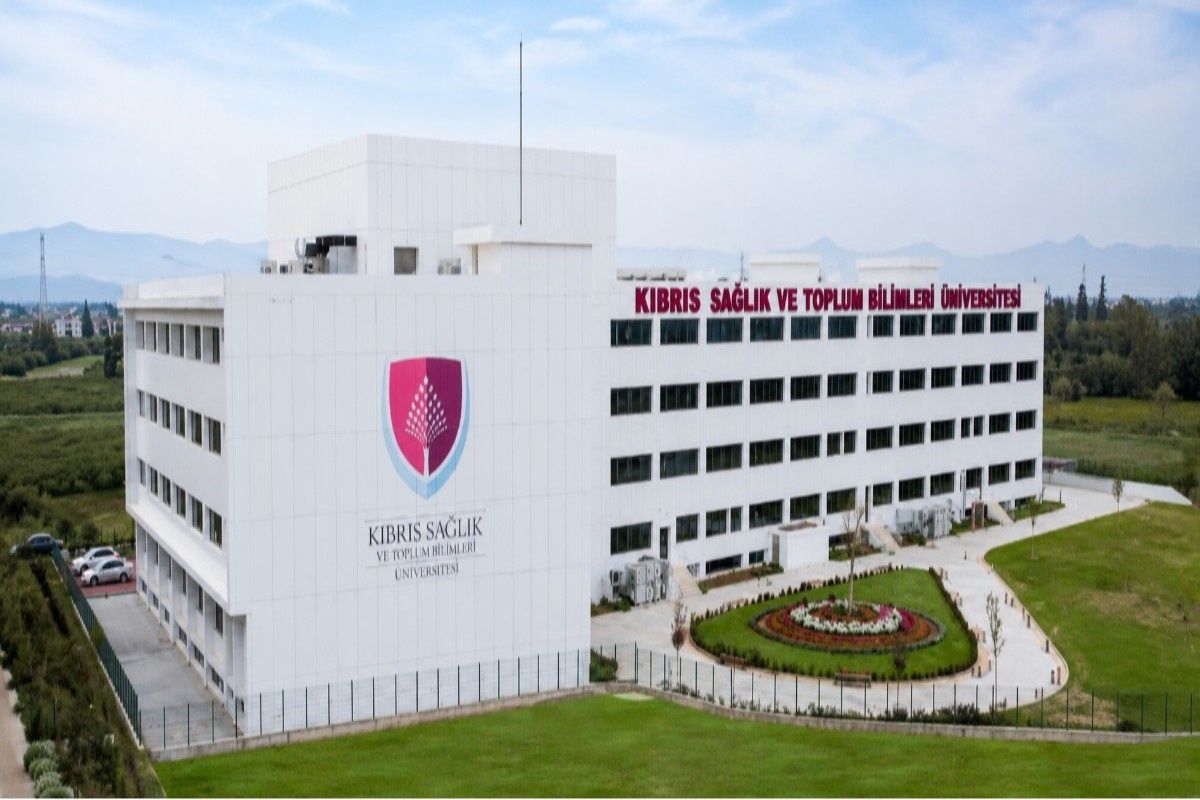
Clinical training happens inside Cyprus's public hospital system. Most of this training centres on Nicosia's teaching hospitals. The university also has its own research and clinical buildings. Because UCY is a public medical school, students train in government-run hospitals. Many private Cypriot medical schools use a mix of public and private hospitals instead. UCY students build a close link with Cyprus's real public health system early on. This is useful if you plan to practice medicine in Cyprus after you graduate.
Research plays a big role at UCY. The university is Cyprus's most research-active institution. Medicine is UCY's top-performing subject for research, based on independent rankings. These rankings track two things. How much research a school publishes. How often does that research get cited? Students can join labs and research groups in many fields. These include pathology, psychiatry, surgery, radiology, and public health. The university also runs many EU-funded research projects. It holds several official Centres of Excellence too. This gives medical students real chances to do research. It is not just a side project.
Student life centres on the Nicosia campus. The university also runs language programs beyond Greek. These include Spanish classes and a Confucius Institute for Chinese. So while teaching stays mostly in Greek, the university still has an international feel. Housing is limited but does exist. The university offers a small number of self-catering rooms in student halls. These are located at the New Campus. Students can also get help finding private apartments off campus through the Housing Office. Space is limited, though. Priority often goes to students admitted through Cyprus's standard entrance path.
For the right student, this school offers real value. You need strong Greek skills to succeed here. You should also want to train inside a small EU country's public health system. In return, you get a WFME-aligned degree recognised across the EU. You also get tuition costs far below those of Cyprus's private schools. And you get a research setting that outperforms other schools on the island. But we want to be direct about one thing. This is not an "MBBS in English" option. Many study-abroad agents market Cyprus this way. That description does not fit this school. Are you applying from India? Or from another country where Greek isn't common? Then think carefully before you choose this program. Compare it against Cyprus's private, English-taught medical schools first. You may also want to compare it against other English-medium countries.
Graduates receive an officially recognised Cypriot medical degree. This degree is recognised across the EU. It opens standard paths into supervised practice. Graduates can also pursue further training in Cyprus and other EU countries. These paths still require normal national licensing and internship steps. Do you plan to practice outside the EU? Maybe in India, the UK, or the US? Then you'll need separate approval. Each country sets its own rules for foreign medical graduates. It's worth checking these rules carefully before committing to any six-year program abroad.
A few extra points are worth knowing, too. Class sizes at UCY tend to stay small. This gives students more direct contact with professors. Small classes also mean more one-on-one feedback. Nicosia itself is a walkable, safe capital city. Many students find it easier to settle in than in larger EU cities. Daily life in Cyprus costs less, too. Most Western European countries cost more. This helps offset the pressure of studying medicine.
Cyprus's EU membership brings one more practical benefit. Students can travel easily across EU borders during breaks. Many use this to visit family or explore nearby countries. The island's Mediterranean climate is another common draw. Winters stay mild, and summers stay long and sunny. Some students like a slower, calmer pace of life. Cyprus offers that, alongside serious academic work. Bigger university cities in Europe often feel more rushed.
Note: This program teaches medicine in Greek. It is not an English-taught MBBS option. The fees below are real and very low. But that low cost comes with the Greek-language rule. It is not a like-for-like swap for Cyprus's private, English-taught schools.
No hidden charges, no donation. The full picture of costs at MBBS In University of Cyprus Medical School, Cyprus.
Tuition Fee
Approximately €3,417 per year (~USD 3,655 / INR 2.23 lakh)
USD 7,310, INR 4.45 lakh
Hostel Fee
€2,500-3,500/year (~USD 2,675-3,745 / INR 1.63-2.28 lakh).
USD 3,210, INR 1.96 lakh
Food & Meals
USD 3,852, INR 2.35 lakh
per year
Insurance
USD 749, INR 0.46 lakh
per year
Donation
No Donation
No Hidden Fees
Total Estimated Cost
USD ~90,728, INR ~55.31 lakh
total 6 year
25–35%
Average FMGE first-attempt pass rates for students from many overseas medical universities. Students from structured programs consistently score higher.
Students returning to India need to clear the FMGE/NExT exam. MBBS In University of Cyprus Medical School, Cyprus integrates exam-oriented coaching into the regular curriculum so students are prepared from day one.
A structured program that takes you from foundational sciences to clinical mastery.
: Bridges classroom learning and real hospital work; students build clinical reasoning before full rotations begin.
Anatomy, physiology, biochemistry, and pharmacology, taught in Greek. Early clinical skills training starts here
Electives and Research: Students can join research groups in pathology, psychiatry, surgery, radiology, and public health, plus elective placements in the final years.
Rotations across internal medicine, surgery, paediatrics, obstetrics, gynaecology, psychiatry, and general practice in Cyprus's public hospitals, centred in Nicosia.
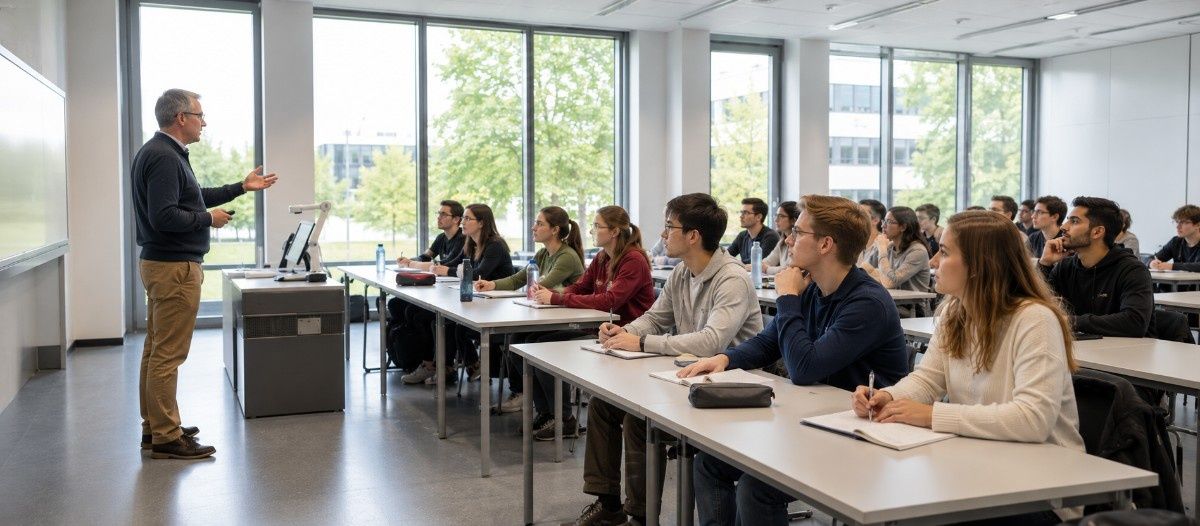

Furnished hostel rooms with Wi-Fi, laundry, 24/7 security, and Indian mess on or near campus.
Indian restaurants and mess facilities serving vegetarian and non-vegetarian home-style food daily.
Strong Indian community with cultural events, festival celebrations, and peer support groups.
Students get hands-on clinical training in government and private hospitals affiliated with the university.
Practical information for students planning to study at MBBS In University of Cyprus Medical School, Cyprus.
Prepare for all seasons. Thermal wear for winters, light clothing for summers. University provides heating in hostels.
Student visa processed with university invitation letter. Direct and connecting flights from major Indian cities.
Health insurance included in fees. Medical facility on campus plus city hospitals easily accessible.
Local SIM cards available. WhatsApp and video calls keep you connected with family back home.
Average monthly expenses of $150–$250 covering food, transport, and personal needs.
University library, online databases, and study groups. Seniors mentor juniors through academic challenges.
Our team guides you through every step — from application to arriving on campus.
based on your budget, the Republic vs North Cyprus distinction, and independently verified WDOMS/FMGL status
qualify for NEET before finalizing any university
IELTS/TOEFL where required, or confirm your exemption eligibility
submit your application directly to the university or via a verified consultant, using the full documents checklist above
check the exact fee figure quoted for your specific intake year against the university’s official fee page
as per the university’s payment schedule
with the university’s admission letter and financial proof; realistic processing time is 4–6 weeks
ideally coordinating with the university’s international office for airport pickup
including residence permit formalities
and begin your program
Admission Helpline — Contact our counsellors for step-by-step assistance.
“The faculty here is incredibly supportive. The clinical training during hospital rotations has given me real confidence in patient care.”
“Affordable fees without compromising on quality. The campus facilities and hostel life made my transition abroad very smooth.”
“English medium instruction and WHO-recognized curriculum were the deciding factors for me. No regrets so far — excellent experience overall.”
“The university helped with everything from visa to accommodation. Hospital exposure from year three has been invaluable for my FMGE prep.”
“Just cleared my licensing exam on the first attempt. The structured coaching and mock exams during final year were a game-changer.”
“Safe campus, good food options, and a strong Indian student community. The teaching methodology is very practical and hands-on.”
No, it teaches in Greek. Private Cyprus schools like EUC and the University of Nicosia teach in English instead.
You can apply using A-Levels or the IB, but you still need real Greek skills for classes and hospital work. Most students without Greek would need serious language prep first.
This school is public, so the government sets tuition. Non-EU students pay ~€6,834/year vs. €18,000-€30,000/year at private Cyprus schools.
This is subject to the current NMC rules for overseas medical graduates. Check NMC rules for the particular school before applying.
Inside Cyprus's public hospitals, centred on Nicosia's teaching hospital network.
Yes, UCY is the top research university in Cyprus and Medicine is its strongest subject, with groups in pathology, psychiatry, surgery, radiology and public health.
Some self-catering rooms are available at the New Campus, though space is limited. Many students rent private apartments in Nicosia instead, with help from the Housing Office.
Yes, across the EU. Outside the EU, recognition depends on that country's own rules for foreign graduates.
Either through GCE A-Levels, the IB or the university's own entrance exams. Greek-language skills are still needed in any case.
Supervised practice and further training in Cyprus and other EU countries. Practising outside the EU requires separate approval from that country.
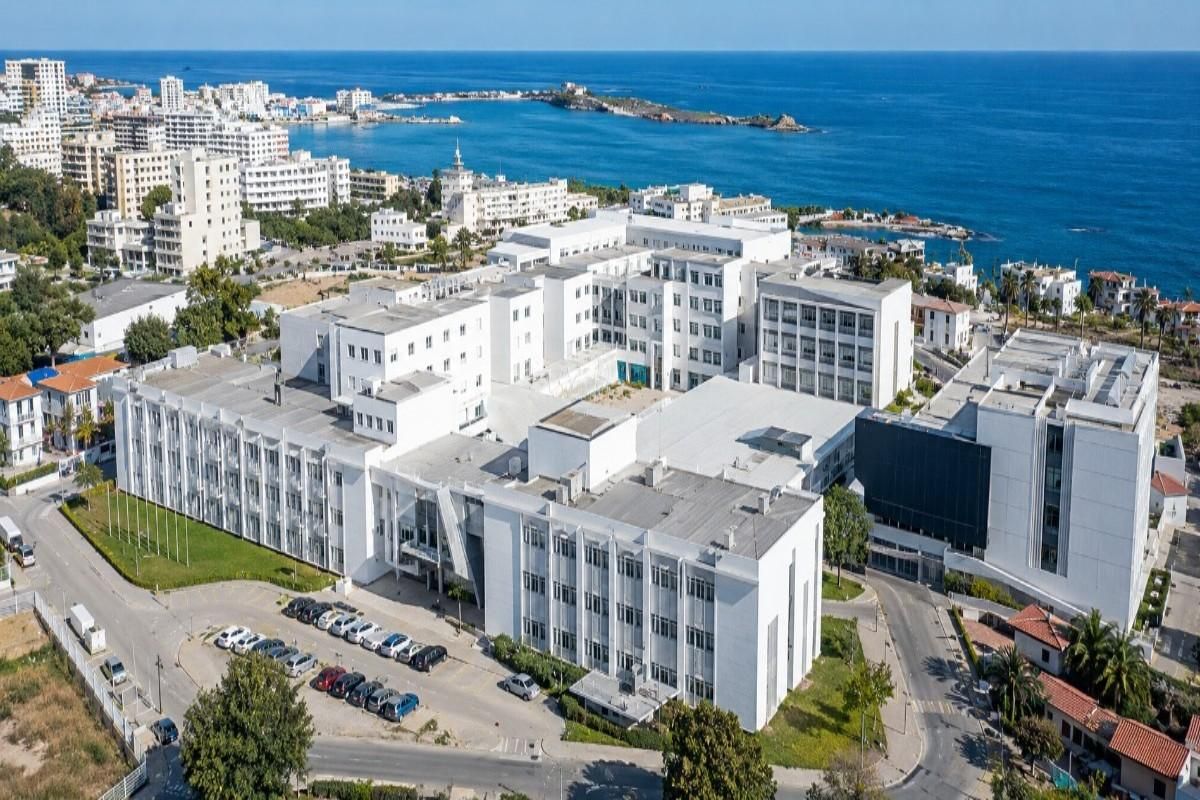
Our expert counsellors will guide you through the complete admission process — from documents to airport pickup.