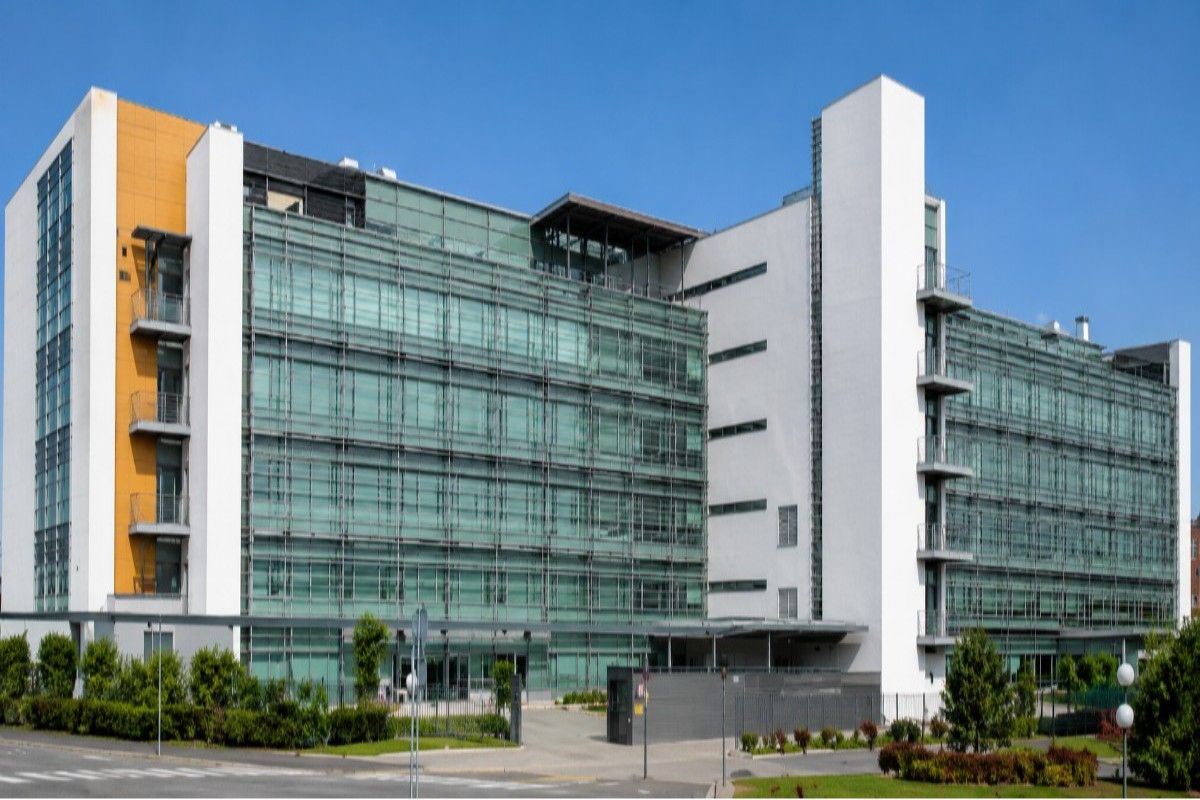
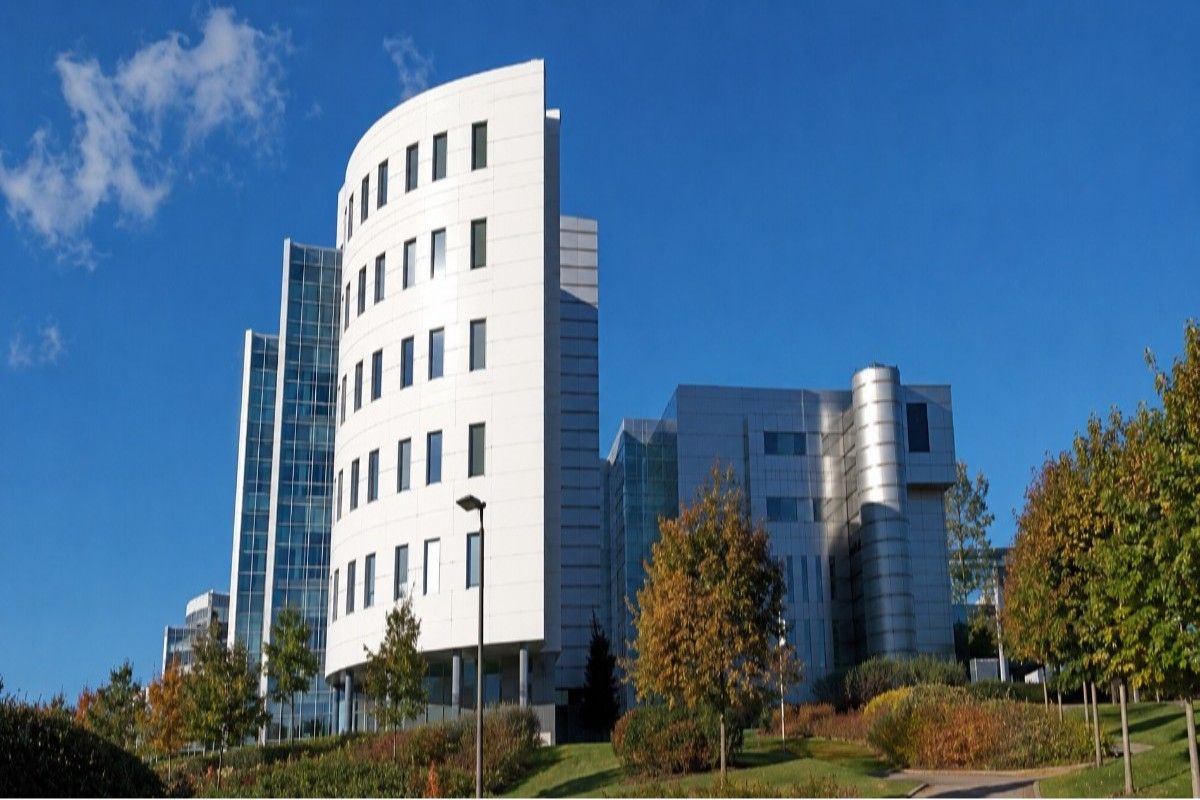
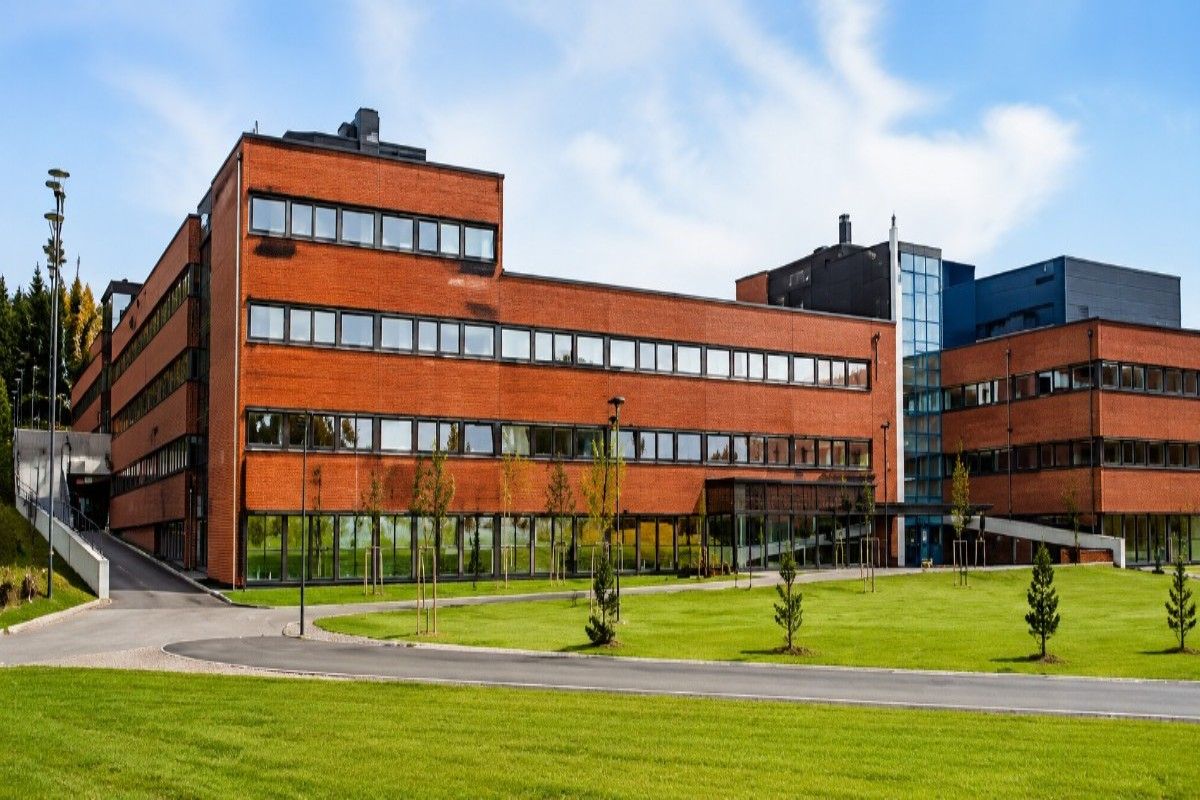
The Faculty of Medicine at the University of Helsinki is the oldest and largest medical faculty in Finland. It has played a central role in the development of Finnish healthcare, medical education, and biomedical research for more than three centuries. Located in Helsinki, the nation's capital, the faculty is recognised for its contributions to clinical medicine, genetics, neuroscience, cancer research, and public health. What makes the faculty unique is its position as Finland's leading medical education institution and its close relationship with Helsinki University Hospital, the country's largest and most specialised hospital network.
The origins of the faculty date back to 1640, when the Royal Academy of Turku was established as Finland's first university during the period of Swedish rule. Medical education was part of the academy's academic mission from its earliest years. At that time, Finland did not have an independent medical faculty, and healthcare education was limited in scale.
A major turning point occurred in 1827 when the Great Fire of Turku destroyed large parts of the city, including university facilities. Following the disaster, Emperor Nicholas I of Russia ordered the transfer of the university to Helsinki. In 1828, the institution reopened as the Imperial Alexander University in Finland. Medical education moved with the university and continued to expand in the new capital.
During the nineteenth century, the faculty developed rapidly alongside advances in modern medicine. New departments were established in anatomy, physiology, pathology, surgery, and internal medicine. Scientific research became a larger part of medical education, reflecting developments taking place across Europe.
Following Finland's independence in 1917, the institution was renamed the University of Helsinki. The Faculty of Medicine continued to grow throughout the twentieth century, becoming the country's primary centre for physician training and medical research. Many of Finland's leading physicians, scientists, and healthcare leaders have studied or taught at the faculty.
Several important milestones shaped the faculty's modern identity. New research institutes were established in genetics, neuroscience, molecular medicine, cancer biology, and public health. Advances in laboratory medicine and clinical research strengthened the faculty's international reputation.
The faculty has been closely associated with some of Finland's most significant scientific achievements. Researchers have contributed to major discoveries in genetics, cardiovascular medicine, metabolic diseases, neuroscience, and epidemiology. Finland's extensive health registries and population-based research programmes have provided unique opportunities for long-term medical studies.
Today, the Faculty of Medicine consists of multiple departments and research programmes covering clinical medicine, biomedical sciences, dentistry, psychology, public health, and translational medicine. Thousands of students study within the faculty across undergraduate, postgraduate, doctoral, and specialist training programmes.
Research remains one of the faculty's strongest areas. Scientists contribute to internationally recognised work in genetics, cancer research, neuroscience, stem cell biology, infectious diseases, cardiovascular medicine, artificial intelligence in healthcare, and precision medicine. Research findings from the faculty frequently influence healthcare policy and clinical practice both in Finland and internationally.
A major strength of the faculty is its collaboration with Helsinki University Hospital, commonly known as HUS. This hospital network is the largest healthcare provider in Finland and serves millions of residents. It includes numerous specialised hospitals and research centres that support medical education and advanced patient care.
Medical students receive extensive clinical training through HUS hospitals and affiliated healthcare institutions. Exposure to a large and diverse patient population allows students to gain practical experience across a broad range of specialties. Clinical education covers internal medicine, surgery, paediatrics, psychiatry, neurology, emergency medicine, oncology, cardiology, and many other disciplines.
The medical curriculum combines scientific foundations with practical healthcare training. Students study anatomy, physiology, pathology, pharmacology, microbiology, genetics, ethics, communication skills, and clinical medicine. Problem-solving, evidence-based practice, and patient-centred care form important components of the programme.
International cooperation is an important aspect of the faculty's activities. Partnerships with universities, research institutes, hospitals, and international organisations support collaborative research and academic exchange. Faculty researchers participate in numerous European and global scientific initiatives.
The medicine programme is primarily taught in Finnish and Swedish because clinical training requires direct communication with patients. Students must demonstrate advanced language proficiency before admission. The faculty also offers various master's and doctoral programmes that attract international students and researchers.
Helsinki is Finland's capital and largest city, with a population of approximately 680,000 people. The wider metropolitan area is home to more than 1.5 million residents. As the country's political, economic, educational, and cultural centre, Helsinki provides extensive opportunities for students and researchers.
Student life in Helsinki combines academic excellence with a high quality of life. The city offers museums, libraries, music festivals, sporting events, restaurants, and outdoor recreation areas. Public transport is efficient and includes metro, tram, bus, commuter rail, and ferry services.
The climate features cold winters and mild summers. Students experience four distinct seasons, including snowy winters and long daylight hours during summer. Finland's emphasis on safety, education, and public services contributes to a supportive environment for university students.
Accommodation is available through student housing organisations and private providers. International students receive assistance with housing, orientation programmes, and academic integration. The university maintains a strong student support system that helps learners adapt to academic life in Finland.
What makes the Faculty of Medicine at the University of Helsinki unique is its status as Finland's oldest medical faculty, its leadership in biomedical research, and its partnership with Helsinki University Hospital. These strengths have helped shape healthcare development in Finland and continue to place the faculty among the leading medical institutions in Northern Europe.