Before anything else, here's one fact that shapes this whole page. The University of Luxembourg does not offer a full, six-year medical degree. What it offers instead is something smaller. It's worth knowing this clearly before going further. It runs a three-year Bachelor in Medicine. After that, students move abroad to finish training. This isn't a flaw hidden in fine print. It's simply how Luxembourg's medical system works. It looks quite different from anywhere else on a list like this.
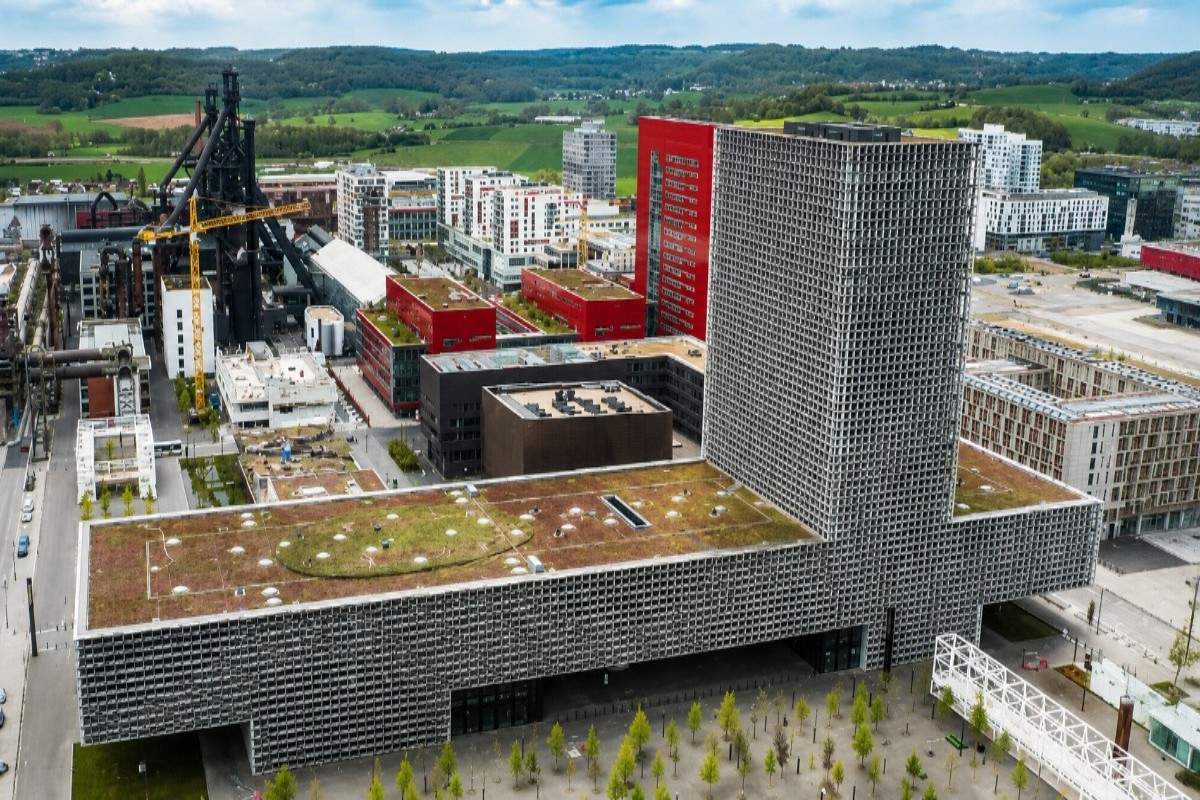
The University of Luxembourg itself is young by European standards. It was founded in 2003. That makes it the country's only public university. It sits right in Luxembourg City, a small, wealthy capital tucked between France, Germany, and Belgium. The Bachelor in Medicine sits inside the Faculty of Science, Technology and Medicine. It only properly took its current shape around 2020. That's when the government expanded what had been a single pre-med year into a full three-year course. So even within Luxembourg's own history, this is a fairly new addition.
Here's how the structure actually works. Students spend three years in Luxembourg. They study biology, chemistry, physics, anatomy, physiology, and biochemistry. Early clinical skills training happens too, through simulation labs and hospital placements. None of this is throwaway content. It lines up closely with the pre-clinical course used in nearby Germany and France. But at the end of year three, students sit a ranking exam. Based on where they place, they get sent to a partner university abroad. That could be France, Belgium, or Germany. There, they finish the clinical years and actually earn their medical degree. Top scorers get first pick of where they go. Lower-ranked students may end up with fewer choices. In rare cases, they may get no confirmed spot at all.
This matters a lot for planning. A student who finishes the Luxembourg Bachelor isn't a doctor yet. They don't hold an MBBS-equivalent degree either. They hold a strong foundation and a ranked spot in a competitive system. The real medical degree, the actual MD, only comes after more years at a partner school. That could mean a university in Paris, the University of Brussels, or schools in Munich, Erlangen-Nuremberg, or Würzburg. For an Indian student weighing this against one single, complete six-year course elsewhere in Europe, this is a very different shape of commitment.
Language comes next, and it's a real hurdle. The Bachelor in Medicine needs both French and German at C1 level. That's the kind of fluency that takes real years to build. One short prep course won't get you there. There's no English-medium path here at all. Admission itself skips the entrance exam entirely. Places go out based purely on secondary school grades in science subjects, with around 130 seats total. For Indian students used to NEET as the standard gateway into medicine, this whole setup runs on a different logic altogether.
On the money side, Luxembourg stays unusually cheap for the years actually spent there. Tuition runs around €400 a semester in year one, then drops to roughly €200 a semester after that. That's tiny next to most other countries on a list like this. But it only covers the three years spent in Luxembourg itself. Whatever a student pays at their partner school afterward, in France, Belgium, or Germany, comes as a separate cost. That cost runs under that country's own fee rules, not Luxembourg's.
For NMC purposes, things get trickier still. The Bachelor in Medicine alone doesn't count as a full, NMC-recognised medical degree. It isn't a complete course leading to an MD or MBBS-equivalent on its own. Recognition depends entirely on where a student lands for clinical training. This page can't settle that question in general terms. It truly depends on the placement outcome, and that outcome isn't fully in the student's own hands.
Living in Luxembourg brings real upsides beyond the degree question, though. It's one of the safest, richest, and most multilingual small countries in Europe. It sits right at the crossroads of three major neighbours. Public transport across the whole country is free for everyone, students included. That's a genuinely rare perk. The catch is daily living costs, which run noticeably higher than most of Eastern or Southern Europe, even with tuition staying low.
So here's the honest bottom line for Indian families weighing this option. The University of Luxembourg isn't a place to expect a full, self-contained medical degree in six years. It's a feeder path into clinical training somewhere else. It suits students already planning to study, live, and likely practise somewhere in the wider France-Belgium-Germany medical world. It also suits students who already arrive with strong French and German in hand. For a student chasing a clean, predictable, NEET-aligned six-year MBBS abroad, this almost certainly isn't the right starting point.
One last thing worth flagging plainly. Since the clinical years happen entirely outside Luxembourg, no single, fixed answer exists for total cost, total duration, or final degree recognition. Each of those depends on which partner school a student lands at after year three. Families should treat any total figure on this page as a rough Luxembourg-only estimate, not a full six-year promise the way other countries on this list can offer.
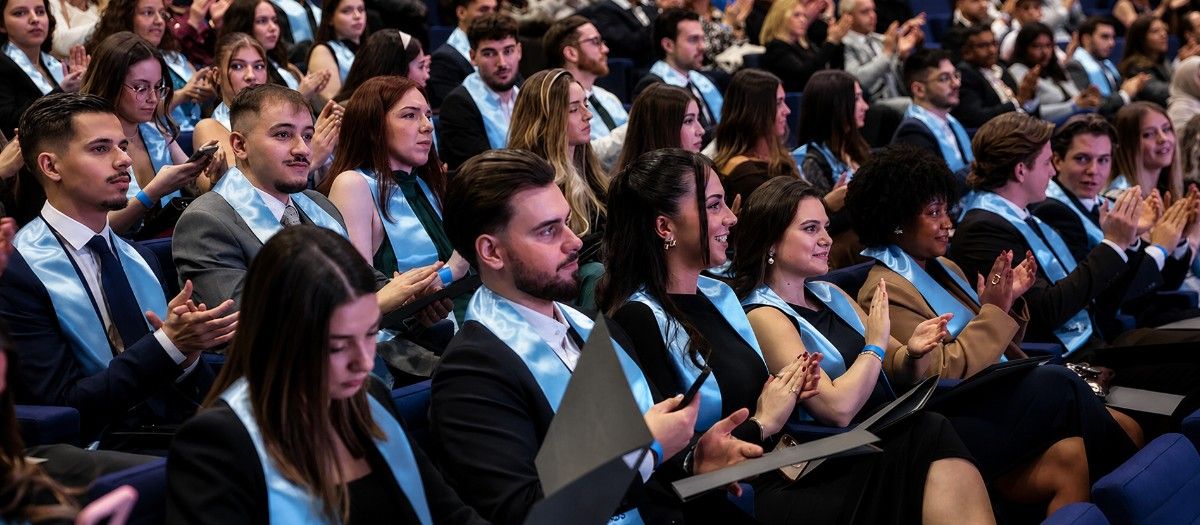
It also helps to picture what daily life looks like for the three years actually spent in Luxembourg. Luxembourg City is small, clean, and easy to get around without a car. Students often share flats near campus or use the country's free public transport to commute from slightly cheaper towns nearby. Class sizes stay small throughout the programme, so students get real, direct contact with professors and clinical tutors rather than sitting in huge lecture halls. For a student who already has strong French and German, and who treats Luxembourg as a genuine stepping stone rather than a final destination, this can be a calm, well-supported place to start a medical career, even if the path forward runs through several countries rather than just one.