
Q1. Do the WHO and the NMC India recognise UVVG?
+Yes. The UVVG is listed by the WHO and approved by the NMC, India. Check out wdoms.org.
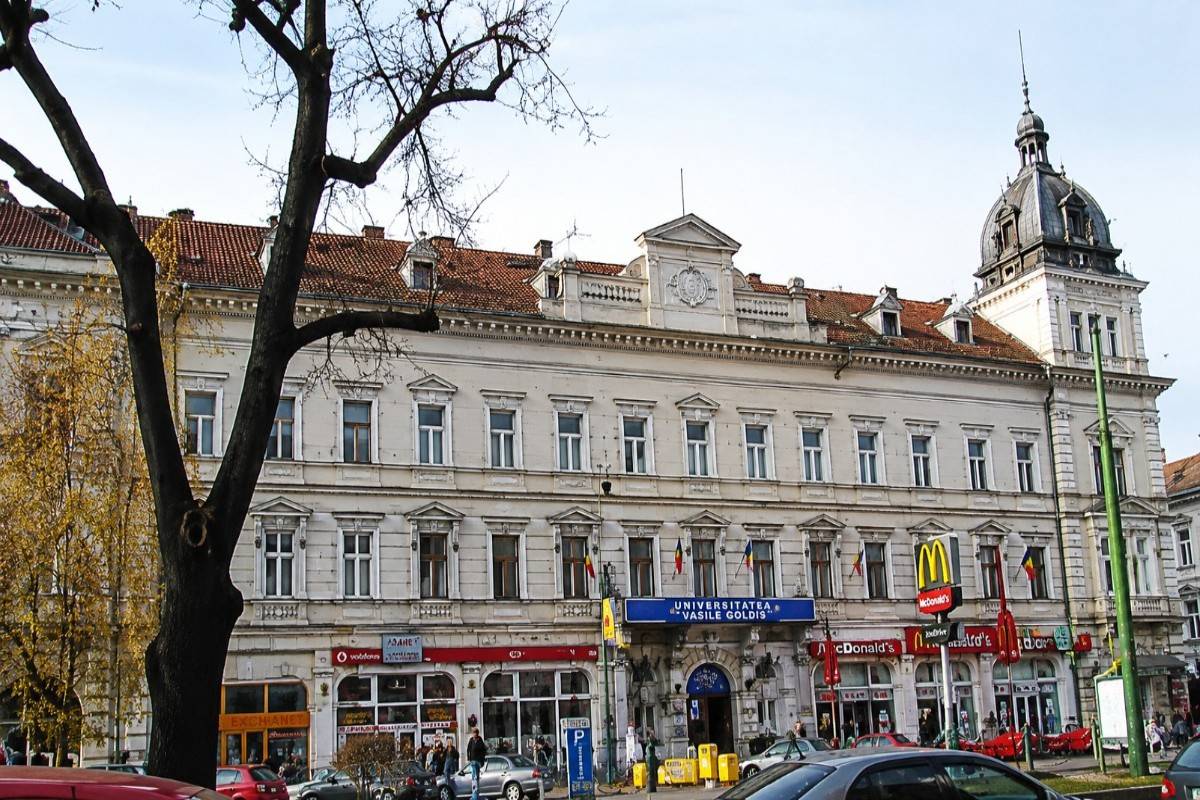
 Romania | Est. 1990
Romania | WHO, NMC India, Romanian Ministry of Education (ARACIS High Trust Rating), WDOMS, FAIMER, ECFMG, GMC UK, and European University Association (EUA). | All teaching is in English. A basic Romanian language module runs in Years 1 and 2 for forward communication. medium
Expert will call you within 2 hours
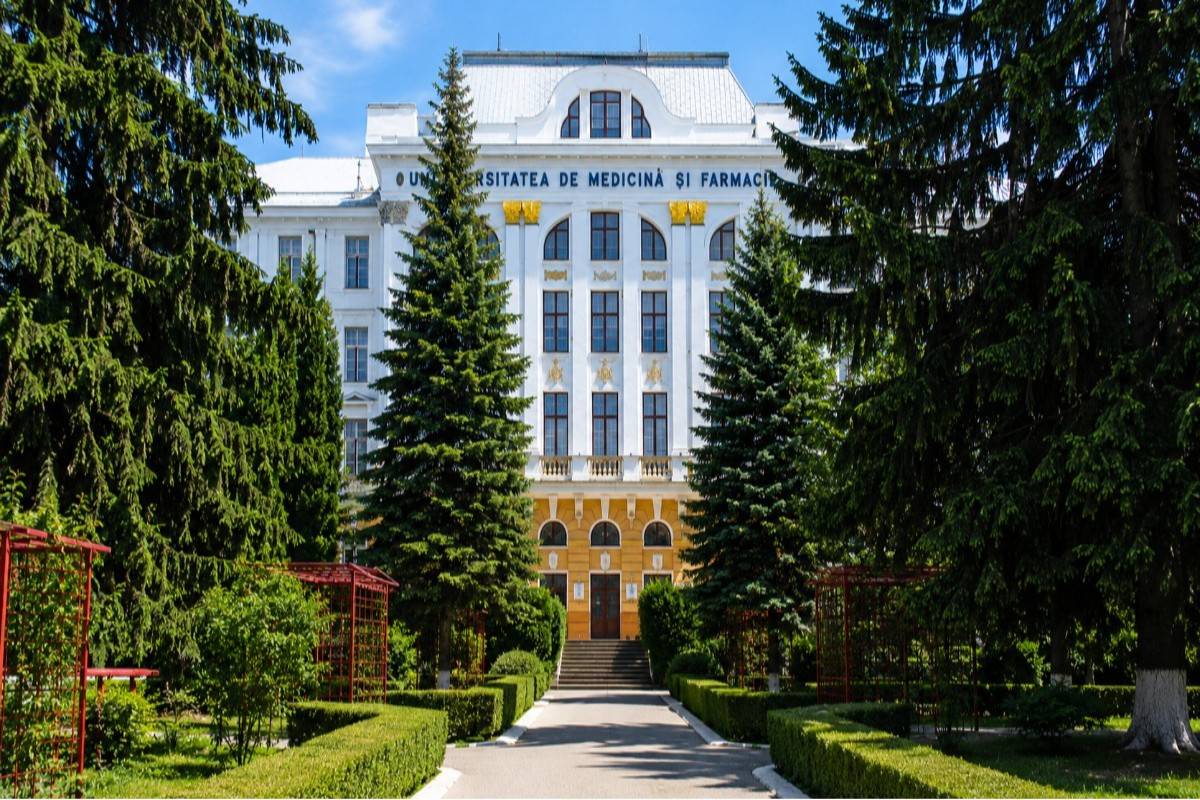
About Vasile Goldiș Western University cover three lines. WHO listed. NMC approved. Six years. But if you are an Indian student making a real decision, those three lines are not enough. So let me tell you what they leave out.
Vasile Goldiș Western University was set up in 1990. Romania had just come out of communist rule. The man the university is named after, Vasile Goldiș, was a teacher and politician. He played a key role in the 1918 union that brought Transylvania into Romania. So, this name wasn't picked for branding. It carries real history.
The Faculty of Medicine started in 1992. That means over 30 years of medical education have happened here. Students from more than 20 countries are currently studying at this faculty. And the degree they earn, the Doctor of Medicine (MD), follows the EU Bologna framework with 360 ECTS credits. That last point matters more than most blogs explain.
Because Romania is a member of the European Union, the UVVG MD is subject to EU Directive 2005/36/EC. In simple terms, that means a UVVG graduate can apply for residency in Germany, Austria, France, or any EU country. And they can do so without clearing a separate licensing exam. No country outside the EU gives you that. Not Russia. Not China. Not Ukraine. Not even Nepal. This is, in fact, one of the biggest advantages of studying medicine in Romania. Yet almost no Indian education blogs talk about it clearly.
Now, let us talk about clinical training. Most competitor pages mention that a teaching hospital exists, then move on. What they skip is this. UVVG's primary clinical site is the Arad County Emergency Clinical Hospital. It has 1,427 beds. It handles trauma, cardiac emergencies, neurosurgery, and complex obstetric cases from across western Romania. Patients also come in from the nearby Hungarian and Serbian borders. As a result, students see genuine clinical complexity from Year 3 onwards.
Besides the hospital numbers, UVVG also has a placement requirement that almost no other competitor blogs mention. From Year 1 to Year 5, every student must complete a 4-week clinical attachment at a hospital each summer. That is 20 eight-hour working days per year, for five consecutive summers. By the time the final year starts, students have already logged 800 hours of hands-on clinical contact. That is built into the degree, not optional.
On top of that, UVVG is the only private medical faculty in Romania authorised to train medical residents. That authorisation comes from the Romanian Ministry of Education and the national medical regulator. It means the same hospital departments where UVVG undergraduates train are also shaping specialist doctors in practice. That changes the learning environment in ways that bed numbers alone do not capture.
The city of Arad adds to all of this. It sits at the junction of three countries: Romania, Hungary, and Serbia. Arad International Airport operates direct flights to Frankfurt, Munich, Vienna, and Rome year-round. The cost of living is between EUR 400 and 600 per month, including rent. That is cheaper than most Indian metro cities and far cheaper than Bucharest or Cluj. The city is safe, has a tram network, malls, restaurants, and a genuine student community.
For Indian students thinking about NExT, here is something worth noting. India's NExT exam tests clinical reasoning and decision-making. It is modelled on USMLE-style thinking. Students trained in a European curriculum, with OSCEs, small-group case sessions, and regular hospital exposure built in from Year 1, are structurally better prepared for that kind of assessment than students from lecture-heavy systems. That is a curriculum design observation, not a sales line.
The total cost for six years, including tuition, accommodation, and living expenses, ranges from INR 38 to 48 lakhs. There is no donation. No capitation fee. The visa takes 10 to 14 working days. Teaching is 100% in English. A basic Romanian language module in Years 1 and 2 helps with ward communication. No IELTS or TOEFL is needed at any stage.
That is what the other blogs skip. Now, let us get into the details.
Quick Overview
Parameter | Details |
Established | 1990 (Medicine Faculty started in 1992) |
Location | Bulevardul Revoluției 94, Arad, Romania |
University Status | Private, accredited; member of European University Association (EUA) |
Primary Teaching Hospital | Arad County Emergency Clinical Hospital, 1,427 Beds |
Course Duration | 6 Years (360 ECTS, Bologna-aligned) |
Degree Awarded | Doctor of Medicine (MD), EU-recognised |
Medium of Instruction | English (also French and Romanian tracks available) |
Annual Tuition Fee | EUR 7,500 per year (approx. INR 6.5–7 Lakhs/year) |
International Students | 1,000+ international students; 20+ nationalities |
Fee Structure (2025–26)
Fee Component | Per Year (Approx.) | 6-Year Total (Approx.) |
Tuition Fee | EUR 7,500 / INR 6.5–7 Lakhs | INR 39–42 Lakhs |
Accommodation | EUR 150–300/month | INR 3–3.6 Lakhs/yr × 6 |
Food & Meals | EUR 100–200/month | INR 1.2–2.4 Lakhs/yr × 6 |
Health Insurance | EUR 150–200/year | EUR 900–1,200 total |
Visa & Admin | One-time: INR 20,000–30,000 | One-time |
Donation / Capitation | NIL | NIL |
Total Estimated | INR 38–48 Lakhs (All Inclusive, 6 Years) |
Note: EUR 1 = approx. INR 88–92. Fees are set annually by UVVG and may change. Living costs vary by lifestyle.
Why Vasile Goldiș Western University Deserves a Harder Look Than You Have Given It
Most ranking pages list UVVG among Romania's top private medical colleges and stop there. But they do not explain what actually makes it worth picking over a dozen other options. So here is the real breakdown.
First, the EU degree advantage is real and underexplained. Romania is a full EU member. As a result, the UVVG MD falls under EU Directive 2005/36/EC. In simple terms, graduates can apply for residency in Germany, Austria, or the Netherlands without having to clear a separate licensing exam. Students from Russia, China, or Nepal must clear the target country's own test to practise there. EU degree holders do not. That is a career advantage that almost no Indian blogs explain properly.
Second, the teaching hospital is far more than a number. Most competitor pages say a hospital exists and leave it at that. However, UVVG's primary clinical site, the Arad County Emergency Clinical Hospital, handles 1,427 beds and serves as the major trauma and referral centre for the entire western Romania region. Patients come in from across the Hungarian and Serbian borders, too. So, students see cardiac cases, polytrauma, complex obstetrics, and neurosurgical emergencies from Year 4 onwards. That case mix is significantly different from a routine single-city college hospital.
Third, the 800-hour summer placement rule goes unmentioned everywhere else. From Year 1 to Year 5, UVVG requires every student to complete a 4-week clinical attachment at a hospital each summer. That is five summers, 800 total hours of structured patient contact, built into the degree before the final year even begins. Most Indian students picking a college abroad never ask about this. They should. Because at UVVG, early clinical exposure is not an add-on. It is a graduation requirement.
Fourth, UVVG is the only private medical faculty in Romania authorised to train medical residents. That authorisation comes from the national regulator, not a marketing department. It means the hospital departments where UVVG students rotate are also running active postgraduate training programmes. Therefore, the clinical environment is not curated just for undergraduates. It is a working hospital that shapes practising doctors at multiple levels simultaneously.
Fifth, Arad's geography gives students real EU mobility. The Hungarian border is 50 km away. Arad Airport offers direct flights to Frankfurt, Vienna, Munich, and Rome year-round. For students who want to do EU clinical electives during vacation months or want weekend travel access to Europe, this location matters. Furthermore, the cost of living in Arad is between EUR 400 and 600 per month, which is cheaper than Bucharest, Cluj, and most Indian metro cities combined.
Finally, the NExT readiness angle is something no competitor has written about yet. India's NExT exam is modelled on USMLE-style clinical reasoning. Students who go through a Bologna-style European curriculum, with OSCEs, case-based small-group sessions, and regular hospital rotations starting in Year 1, are more closely aligned with NExT's assessment of knowledge. Compared to rote-lecture-heavy systems, this difference shows up in how graduates think under exam pressure. If you are choosing a college today for an exam six years away, curriculum design matters more than brochure rankings.
No hidden charges, no donation. The full picture of costs at MBBS In Vasile Goldis Western University of Arad.
Tuition Fee
EUR 7,500 per year, approximately INR 6.5-7 lakhs. The total 6-year tuition is approximately INR 39-42 lakhs.
EUR 7,500 per year, approximately INR 6.5 to 7 lakhs
Hostel Fee
EUR 400-600 per month total, including rent, food, and transport
On-campus dormitory or off-campus flat; EUR 150 to 300 per month
Food & Meals
EUR 100 to 200
per month
Insurance
EUR 150 to 200
per year
Donation
No donation
No Capitation fee
Total Estimated Cost
INR 38 to 48 lakhs — full 6-year programme, all inclusive
total 6 year
25–35%
Average FMGE first-attempt pass rates for students from many overseas medical universities. Students from structured programs consistently score higher.
Students returning to India need to clear the FMGE/NExT exam. MBBS In Vasile Goldis Western University of Arad integrates exam-oriented coaching into the regular curriculum so students are prepared from day one.
A structured program that takes you from foundational sciences to clinical mastery.
• Skills lab orientation and first hospital visit begin; compulsory 4-week summer placement must be completed
• Anatomy, Histology, Embryology, Biochemistry, Biophysics, and Medical Informatics are the core subjects
• OSCE-style practical assessments begin; second compulsory summer clinical placement completed
• Physiology, Microbiology, Immunology, Genetics, and Medical Psychology are the key subjects
• Ward rounds at Arad County Emergency Hospital begin; third summer placement completed
• Pathology, Pathophysiology, Pharmacology, Forensic Medicine, and Public Health are taught
• Emergency Medicine posting added; fourth summer placement covers cardiology and surgical subspecialties
• Full rotations in Internal Medicine, Surgery, Paediatrics, OB-GYN, Neurology, and Dermatology
• Elective and research blocks available; fifth summer placement; NExT and USMLE prep begins
• Advanced rotations in Psychiatry, Radiology, Oncology, Urology, Ophthalmology, ENT, and Orthopaedics
• MD thesis and three-part final exam: written MCQ, oral presentation, and clinical case study • NExT mock exams and USMLE Step 1 and Step 2 coaching continue through the internship year
• Full-year supervised clinical internship across all major departments at Arad-affiliated hospitals


Furnished hostel rooms with Wi-Fi, laundry, 24/7 security, and Indian mess on or near campus.
Indian restaurants and mess facilities serving vegetarian and non-vegetarian home-style food daily.
Strong Indian community with cultural events, festival celebrations, and peer support groups.
Students get hands-on clinical training in government and private hospitals affiliated with the university.
Practical information for students planning to study at MBBS In Vasile Goldis Western University of Arad.
Prepare for all seasons. Thermal wear for winters, light clothing for summers. University provides heating in hostels.
Student visa processed with university invitation letter. Direct and connecting flights from major Indian cities.
Health insurance included in fees. Medical facility on campus plus city hospitals easily accessible.
Local SIM cards available. WhatsApp and video calls keep you connected with family back home.
Average monthly expenses of $150–$250 covering food, transport, and personal needs.
University library, online databases, and study groups. Seniors mentor juniors through academic challenges.
Our team guides you through every step — from application to arriving on campus.
Romania specialist compares Carol Davila (Bucharest), Iuliu Hațieganu (Cluj), and Grigore T. Popa (Iași) — FMGE rates, fees, city quality, clinical training. Our most-recommended EU starting point.
Full Romanian admission and visa document package prepared.
Direct submission to your chosen Romanian partner. Offer letter typically within 7–14 working days.
AMW receives offer, explains terms, manages initial fee payment.
Full visa documentation submitted to Romanian Embassy in New Delhi. Begin at least 2 months before departure.
City-specific orientation — Bucharest, Cluj, or Iași logistics, accommodation, banking, SIM card, first-week plan.
AMW advises on routing to Bucharest Henri Coandă (OTP), Cluj International (CLJ), or Iași Airport (IAS).
AMW's local Romania team meets you at your arrival airport.
Hostel check-in and university registration handled by AMW local team during first week.
AMW files your Temporary Residence Permit at the Romanian IGI within your first weeks. Renewed annually throughout your programme.
Admission Helpline — Contact our counsellors for step-by-step assistance.
“The faculty here is incredibly supportive. The clinical training during hospital rotations has given me real confidence in patient care.”
“Affordable fees without compromising on quality. The campus facilities and hostel life made my transition abroad very smooth.”
“English medium instruction and WHO-recognized curriculum were the deciding factors for me. No regrets so far — excellent experience overall.”
“The university helped with everything from visa to accommodation. Hospital exposure from year three has been invaluable for my FMGE prep.”
“Just cleared my licensing exam on the first attempt. The structured coaching and mock exams during final year were a game-changer.”
“Safe campus, good food options, and a strong Indian student community. The teaching methodology is very practical and hands-on.”
Yes. The UVVG is listed by the WHO and approved by the NMC, India. Check out wdoms.org.
Yes. The type D student visa for Romania is needed. Visa processing time is 10 to 14 working days.
The total cost for MBBS studies at UVVG is INR 38-48 lakhs for the full six years.
Yes. NEET is mandatory for Indian students.
Graduates can apply for EU residency directly without any additional licensing exam.
Hospital visits start from Year 1. Full clinical rotations begin in Year 4.
Arad County Emergency Clinical Hospital provides 1,427 beds.
Yes. All academic teaching is 100% in English. No IELTS or TOEFL required.
There are dormitories on campus and shared accommodation off campus available for EUR 150-300 per month.
Yes. The GMC in the UK, the ECFMG in the USA, and AMC in Australia recognise UVVG graduates.
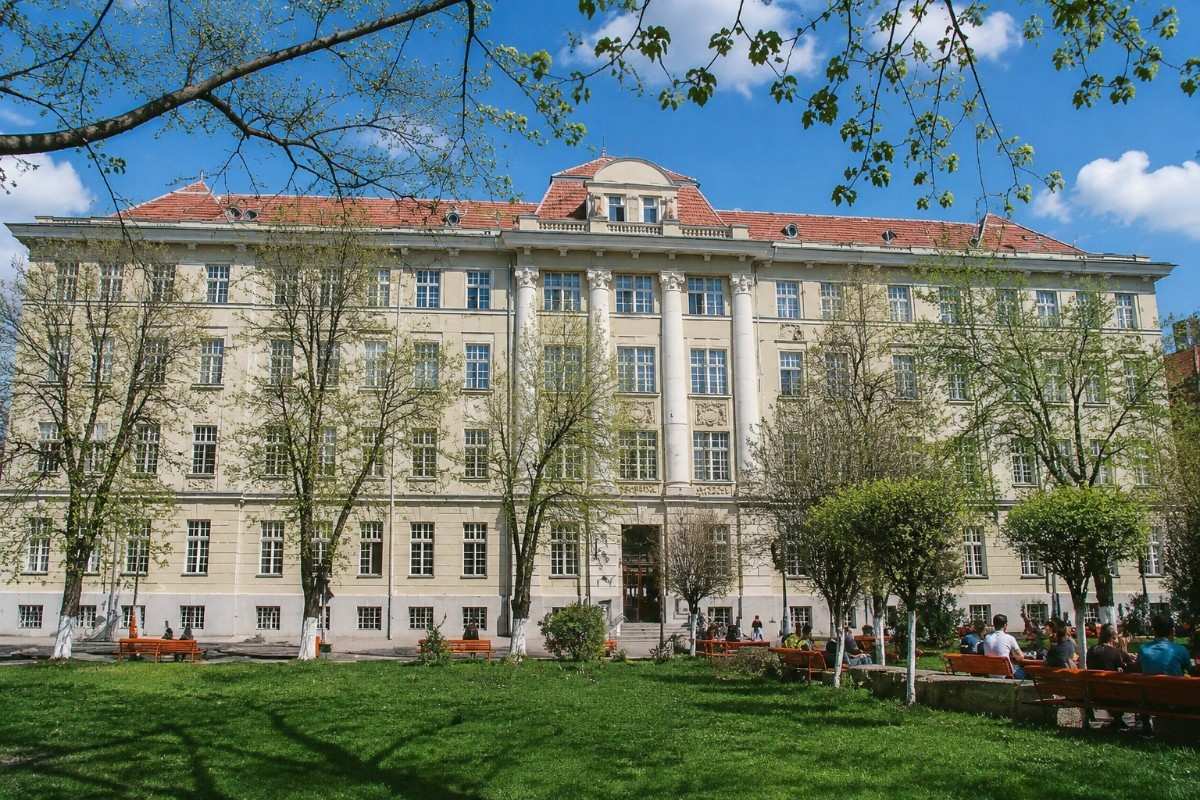
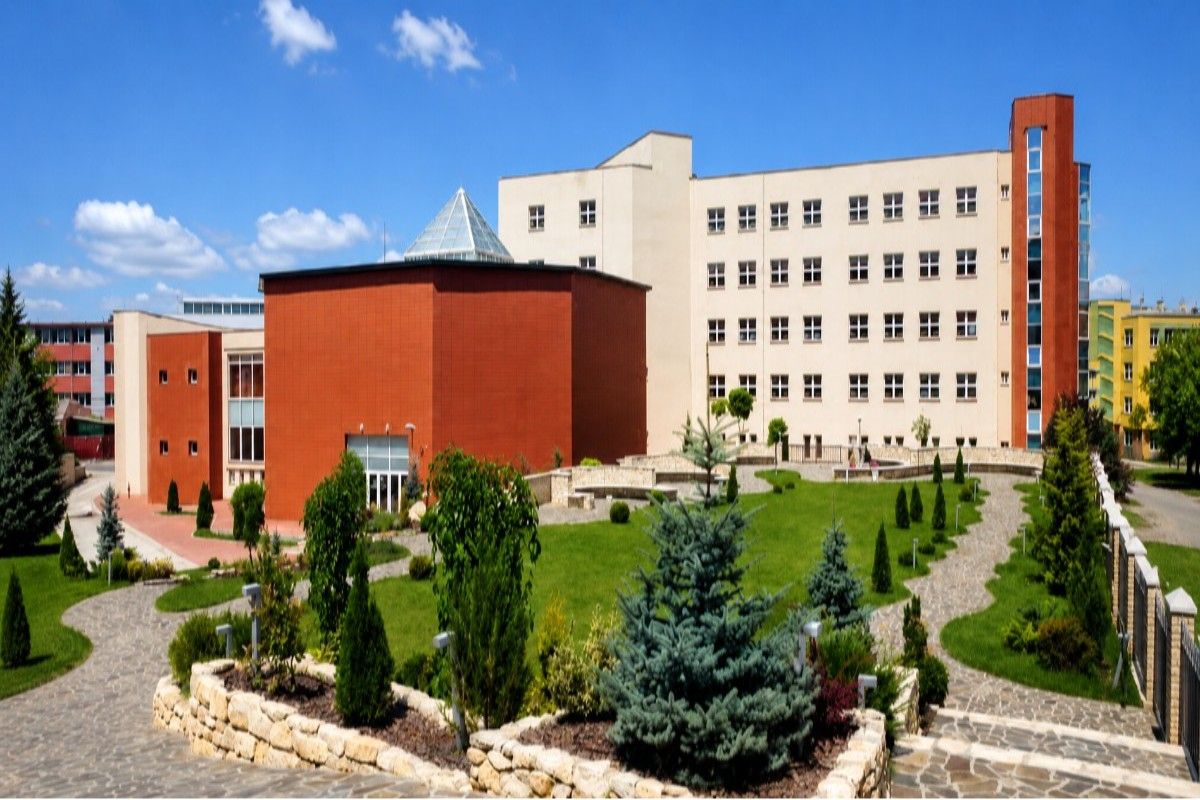
Our expert counsellors will guide you through the complete admission process — from documents to airport pickup.