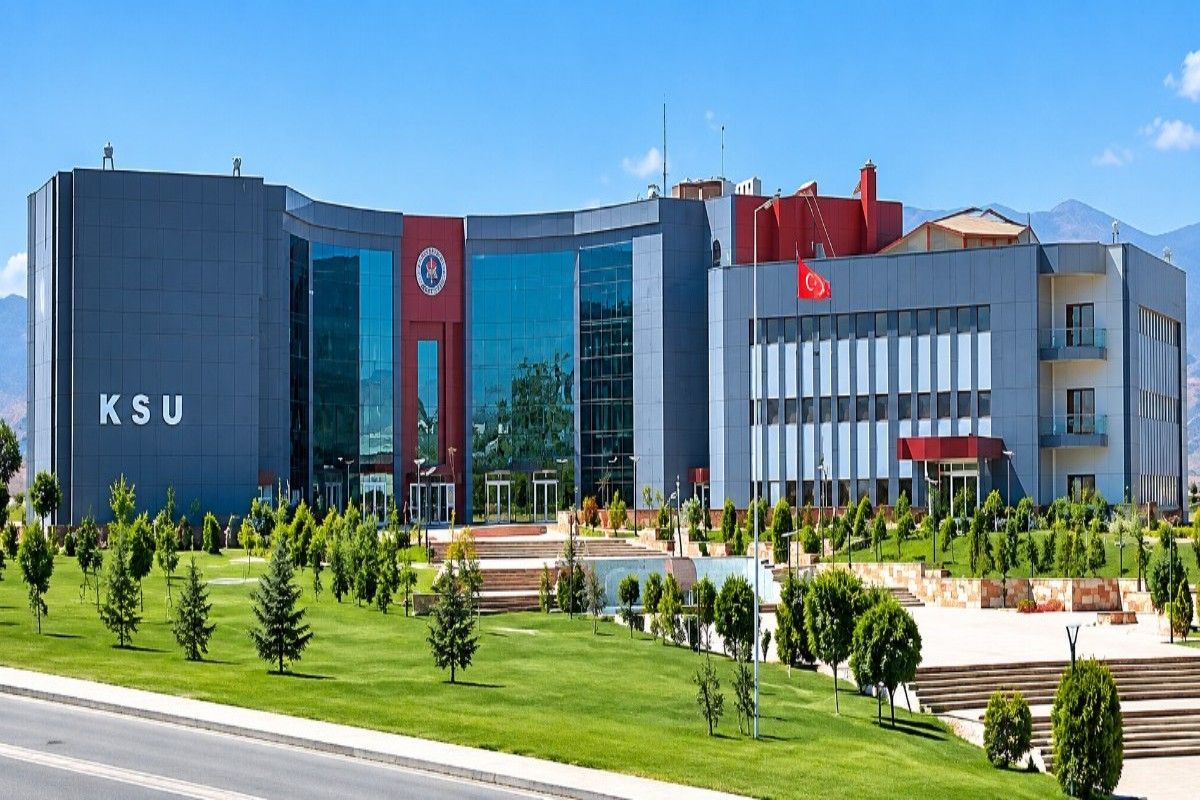
Most people just call it Akdeniz, Turkish for 'Mediterranean,' a fitting name for a university built on the Turkish Riviera in Antalya. It was founded relatively recently by Turkish standards, in 1982, as a public research university serving the western Mediterranean coast, and it has grown quickly into one of the country's most recognised institutions, now spanning more than 18 faculties, 7 institutes and roughly 64,000 students. It has been ranked as the second most beautiful campus in Turkey, after Boğaziçi University, on a 925-acre site a short distance from the Mediterranean coastline.
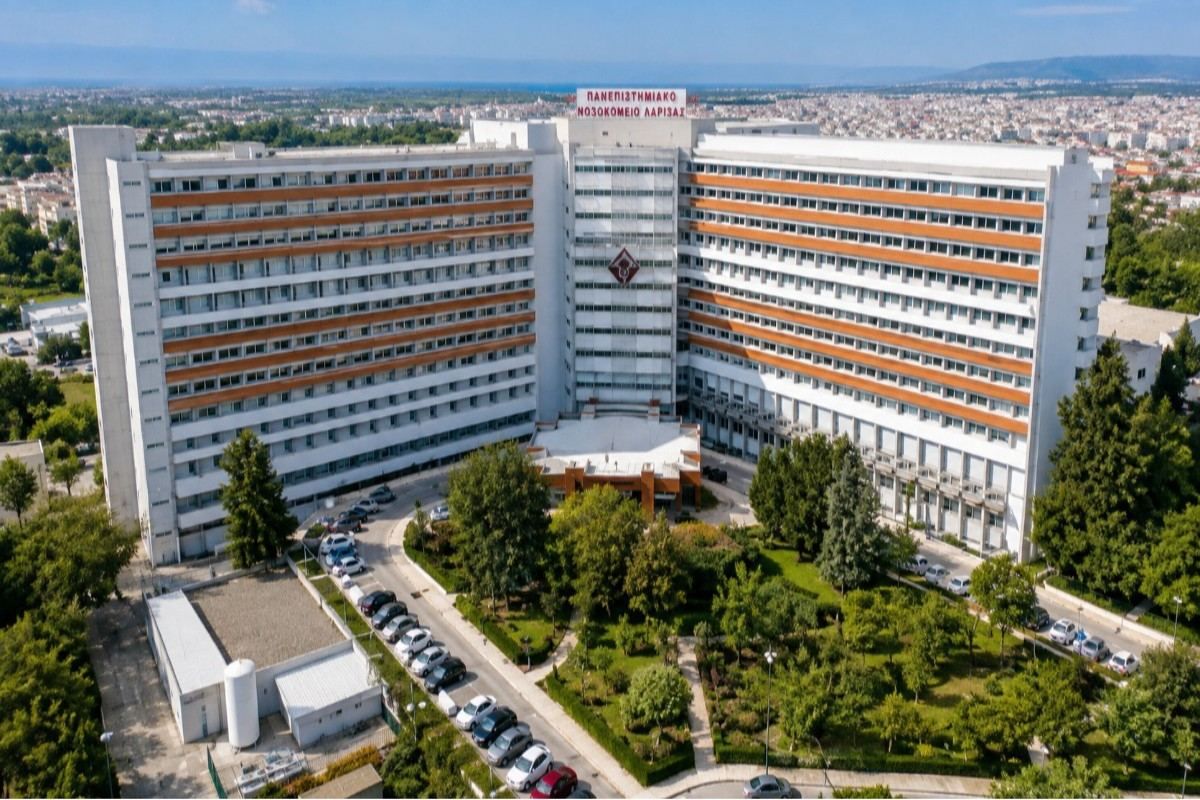
The Faculty of Medicine has a longer history than the university itself. It began life as a branch of Ankara University's own Faculty of Medicine, continuing under that arrangement until 1977, before being renamed Akdeniz University Faculty of Medicine when the wider university was formally established in 1982. Its medical education programme has been nationally accredited by Turkey's UTEAK accreditation body since 2010, one of the first medical faculties in the country to hold that recognition, and it is organised into 43 departments spread across Basic Medical Sciences, Internal Medical Sciences and Surgical Medical Sciences.
Here is what actually makes Akdeniz famous, and it goes well beyond a marketing slogan. Akdeniz University Hospital houses Turkey's first organ transplantation centre, and the surgical team there, led by plastic surgeon Dr Ömer Özkan, has carried out the country's first arm transplant, the world's first uterus transplant from a deceased donor, and Turkey's first full face transplant, in 2012, a procedure the hospital has since repeated several times. For a prospective medical student, that track record translates into genuinely rare access to complex reconstructive and transplant surgery cases during clinical training, a level of specialist exposure most medical schools, in Turkey or elsewhere, simply cannot offer.
Here is the detail that should shape how any Indian applicant reads the rest of this page, and it is the one most quick comparison guides skip over entirely. Akdeniz University's Faculty of Medicine teaches primarily in Turkish. The faculty's own published curriculum lists a compulsory 'Professional Foreign Language' module, sometimes referred to as an Article Hour, in the second year, which strongly suggests English is taught as a supporting skill rather than as the language the core curriculum runs in. This stands in real contrast to universities like Bahçeşehir, a private institution that teaches Medicine fully in English, or Atatürk University, whose own International Affairs Office explicitly lists its Faculty of Medicine as one of a small number of English-taught departments. An applicant who does not already speak Turkish, or who is not prepared to complete a Turkish-language preparatory year, often expected to reach a C1 level through a programme such as TÖMER, should treat Akdeniz as a considerably harder practical fit than those alternatives, however impressive its transplant record looks on paper.
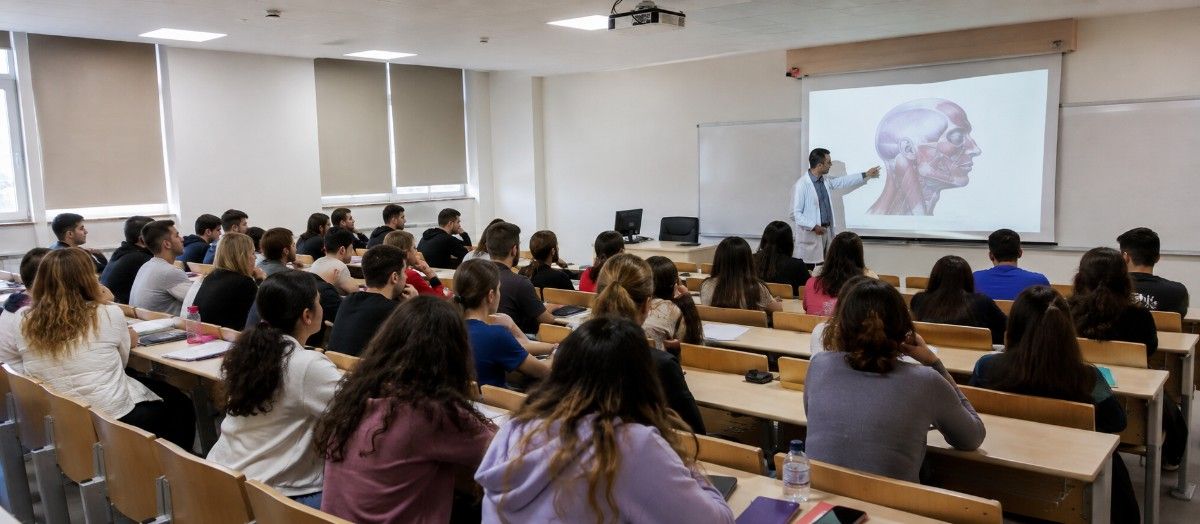
The programme itself runs for six years, in line with the standard Turkish medical education structure. The faculty's own materials describe the first three years as lecture-board based, moving from the normal structure and function of the body toward system-based study of disease, followed by clinical internships from the fourth year onward, before the compulsory final internship year required of every Turkish medical graduate. Admission for international students runs through the same route used across Turkish public universities: a recognised entrance exam, typically TR-YÖS or an accepted equivalent such as SAT results, since medicine seats at public universities are excluded from any simplified GPA-only placement.
Antalya itself offers a genuinely different setting from either Istanbul or Erzurum. It is a major Mediterranean resort city with a warm coastal climate, an international tourism economy, and a well-established expatriate presence, alongside living costs that sit below Istanbul's, if somewhat above the more remote Eastern Anatolian city of Erzurum.
Cost Breakdown
Cost Item | Amount | Notes |
Tuition Fee (International, general university range) | approx. USD 1,273-8,446/year | Varies by faculty and programme level, per independent aggregators; Medicine is priced separately and is not separately confirmed in published tables |
Tuition Fee (International, Medicine, estimated) | approx. USD 6,000-11,000/year | Estimated from the typical range for Turkish public-university Medicine faculties; confirm the exact current figure directly with Akdeniz University admissions |
Turkish Preparatory Year (if required) | additional year, cost not separately confirmed | Likely required for applicants who do not already hold Turkish proficiency, given the faculty's primarily Turkish-medium teaching |
Living Costs | approx. USD 4,000-6,000/year | Antalya is a major resort city, cheaper than Istanbul but generally costlier than Erzurum |
Approximate Total Tuition (International, full 6-year MD, low estimate) | USD 36,000-66,000 | Based on the USD 6,000-11,000/year estimated Medicine range, held flat; excludes any preparatory year, living costs and visa-related expenses |
Note: Akdeniz University's published international fee range covers all its faculties together; Medicine-specific tuition was not found in a single confirmed official table at the time of writing, so treat the estimate above as a starting point and confirm the exact current figure, and current language-of-instruction options, directly with the university before applying.
Why Akdeniz Deserves A Closer Look Than Most Guides Give It
Most Turkey-focused guides mention Akdeniz University purely for its headline medical achievements, the face transplants, the world-first uterus transplant, the country's first organ transplant centre, without pausing to explain what that actually means for a prospective international student's day-to-day experience. That reputation is real and well documented, and it is a genuine point in the university's favour, but it says nothing about whether an Indian applicant can actually study there comfortably.
The detail that deserves far more attention than it usually gets is the language of instruction. Based on the Faculty of Medicine's own published curriculum, teaching runs primarily in Turkish, with English appearing as a dedicated professional-language module rather than the medium for the whole degree. That is a meaningfully different proposition from an English-medium school like Bahçeşehir or Atatürk's own English-taught Faculty of Medicine, and it is the single biggest practical filter an applicant should apply before getting excited about Akdeniz's transplant programme.
Guides also tend to present Akdeniz's UTEAK accreditation, dating back to 2010, as simply a tick-box credential, when it actually places the faculty among the earliest nationally accredited medical schools in Turkey, well ahead of many newer institutions. That track record is worth weighing seriously against a shinier but younger private alternative.
Finally, as with other Turkish public universities, published Medicine-specific tuition figures are hard to pin down from a single official source. Applicants should treat any headline fee quoted by a third-party agent with some caution and request written confirmation, in the current academic year, directly from Akdeniz University's own International Relations Office.