
Q1. When was Al-Azhar University founded?
+Al-Azhar started in 970 CE. The medical faculty came much later, in 1961.
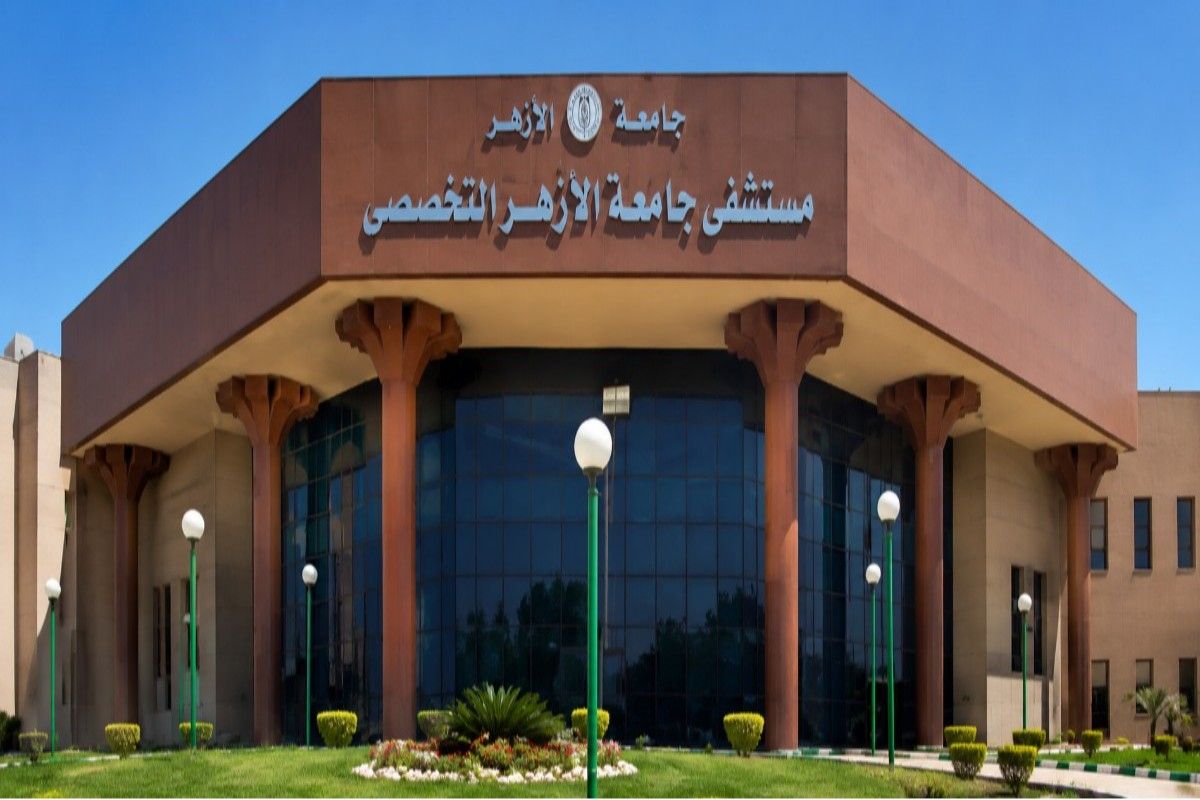
 Egypt | Est. 1961
Egypt | Listed by the World Health Organization in the World Directory of Medical Schools. Recognised by the Educational Commission for Foreign Medical Graduates (ECFMG) in the United States since 1967. | English runs through the medical science curriculum medium
Expert will call you within 2 hours
The University and What Makes It Different
People just call it Al-Azhar. It began in Cairo way back in 970 CE, first as a mosque, then as a centre of Islamic learning. So, it counts among the oldest degree-granting universities on the planet. The Egyptian government runs it as a public institution, which is different from many private medical colleges Indian students usually look at abroad.
Here is a fact that changes everything for most Indian applicants. Al-Azhar is a religious university at its core. Its Faculty of Medicine for Boys sits inside this same religious structure. Historically, admission into Al-Azhar's degree programmes, including medicine, has been reserved mainly for Muslim students. So, non-Muslim applicants face a real barrier here that most rival MBBS colleges simply don't have. Rare exceptions do get reported in the news, but they are not the standard admission route.
The word "Boys" in the name is not incidental either. Al-Azhar runs separate campuses for men and women across nearly every faculty it has. So, this particular medical faculty only takes male students. Women apply instead to the separate Al-Azhar University Faculty of Medicine for Girls, which runs its own hospital in Nasr City, a different part of Cairo entirely.
Modern secular subjects, including medicine, entered Al-Azhar's curriculum only in 1961. A reorganisation law that year added faculties like medicine, engineering, and science alongside the university's centuries-old religious departments. So, the medical faculty itself is fairly young compared to the mosque and university around it, even though the wider institution's name carries a thousand years of history.
Clinical training for students runs through hospitals in old Cairo. The two main ones are Al-Hussein University Hospital and Al-Sayyed Galal University Hospital. Both sit in the historic heart of the city, close to the Al-Azhar Mosque itself. So, students train near the exact spot where the university's story actually began centuries ago.
Recognition for the degree is genuine and well documented. The World Health Organization lists the faculty in its World Directory of Medical Schools. The Educational Commission for Foreign Medical Graduates in the United States has accepted its graduates since 1967. So, this is not a fringe or unrecognised medical school, whatever its admission rules mean for a given applicant.
The Cairo Campus and Its Setting
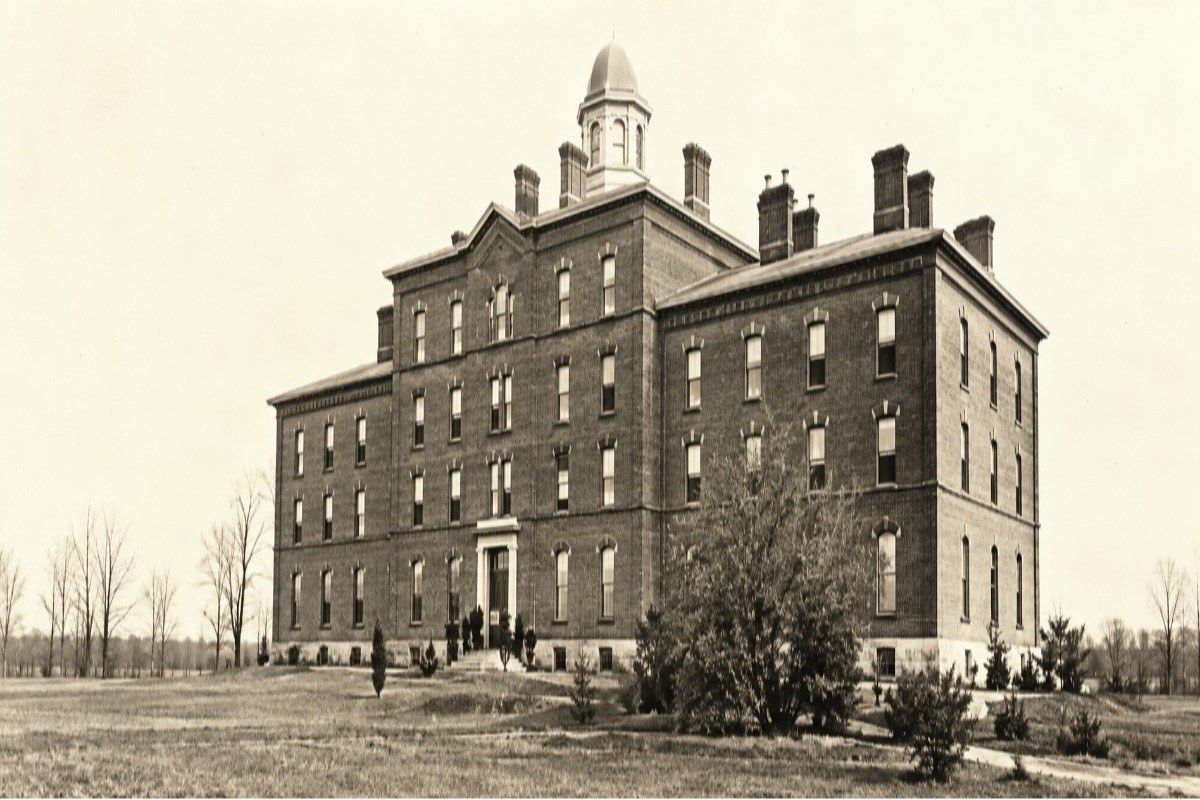
Al-Azhar's Faculty of Medicine for Boys operates from the university's main religious and academic quarter in Islamic Cairo. This is one of the oldest parts of the city, filled with mosques, madrasas, and centuries-old markets. So, students study medicine surrounded by real historical weight, not a modern suburb built purely for the purpose.
Cairo itself is a sprawling, busy capital of over 20 million people. It sits fairly close to Cairo International Airport, so travel in and out stays reasonably manageable for international students. The Nile, the Egyptian Museum, and the Pyramids of Giza all sit within reach of the city too, for whatever free time students get.
International students form a much smaller share of Al-Azhar's Faculty of Medicine for Boys than at many other Egyptian medical schools. Guides on studying MBBS in Egypt usually point Indian students toward Cairo University, Ain Shams University, and Alexandria University instead. Al-Azhar comes up far less often in that specific conversation, largely because of its religious admission rules.
Arabic is Egypt's official language, and everyday life in Cairo runs on it. Classroom teaching for medical sciences is generally offered in English, though. So, students still need patience for daily errands, hospital wards, and the city outside the classroom, even where lectures themselves don't demand Arabic fluency.
Accommodation for foreign students at Al-Azhar can be more limited than at some private Egyptian universities built specifically around international intakes. Reports mention on-campus dorms of limited capacity, alongside off-campus housing that students often have to arrange themselves. So, budgeting real time for a proper housing search before arrival genuinely matters here.
Course Structure, Cost, and Practical Details
Egyptian medical education follows its own particular structure, and Al-Azhar's Faculty of Medicine for Boys follows it too. Students complete five years of academic and clinical study first. A compulsory two-year internship follows straight after that. So, the full path to the degree runs seven years in total, a year or two longer than the typical MBBS path many Indian students expect from other countries.
The degree itself carries a different name here. Egypt calls it MBBCh, short for Bachelor of Medicine and Bachelor of Surgery, rather than MBBS. Indian regulators treat the two degrees as equivalent for licensing purposes, so this naming difference alone should not worry applicants.
Fee figures for this specific faculty conflict quite sharply across different sources online. One source quotes a flat undergraduate fee of around USD 2,500 a year, regardless of subject. Another puts international medical fees somewhere between USD 3,000 and 5,000 a year. A few unrelated Indian education portals quote far higher figures that appear to describe other Egyptian universities entirely, not this one specifically. So, treat any fee number you find online with real caution here, and always confirm the current figure directly with the university before making any decisions.
NEET remains a genuine requirement for Indian applicants, just as it does for MBBS study in most other countries. Beyond that, foreign applicants generally need certified academic documents, a medical fitness certificate, and, in many cases, a genuine willingness to adapt to the university's religious and cultural environment. So, this college asks for more from applicants than the paperwork checklist that shorter, purely secular MBBS programmes usually require.
Quick Overview
Parameter | Details |
Established | 970 CE (university); Faculty of Medicine added in 1961 |
Institution Type | Public, run by Al-Azhar University, a religious institution under the Egyptian state |
Location | Islamic Cairo, Egypt |
Programme | MBBCh (Bachelor of Medicine, Bachelor of Surgery), equivalent to MBBS |
Duration | 5 years academic study plus a 2-year internship (7 years total) |
Medium of Instruction | English for medical sciences |
Foreign Quota Note | Admission historically limited to Muslim applicants; this faculty enrols male students only |
Teaching Hospital | Al-Hussein University Hospital and Al-Sayyed Galal University Hospital |
Fee Structure
Fee Component | Amount | Notes |
Total Tuition (with hostel, reported) | Approx. USD 2,500 to USD 5,000 per year | Figures conflict sharply across sources |
Living Costs (food, transport) | Not consistently reported | Cairo's cost of living is generally moderate |
Hostel (standalone, reported) | Limited on-campus capacity | Many students arrange off-campus housing instead |
Scholarships | Reported for some categories of international students | Confirm current eligibility directly with the university |
Donation | Not reported | - |
Approx. Total Programme Cost | - | Confirm directly with the college. |
Why Al-Azhar's Faculty of Medicine for Boys Deserves a Careful Look, Not a Quick One
A Genuinely Ancient and Recognised Institution
Most rival guides skip the real weight of this university's age entirely. Al-Azhar traces its roots to 970 CE, making it one of the oldest degree-granting universities still functioning anywhere in the world. Its Faculty of Medicine for Boys is far younger, added only in 1961, but it inherits the credibility of the wider institution around it. The World Health Organization lists the faculty in its World Directory of Medical Schools. The US-based Educational Commission for Foreign Medical Graduates has recognised its graduates since 1967. So, genuine international recognition backs this college, even though it stays outside the usual Indian consultancy shortlist.
A Religious Character Most Guides Gloss Over
Most pages that mention Al-Azhar for MBBS study skip past one detail that actually matters most. Al-Azhar is fundamentally a religious university, and its degree programmes, including medicine, have historically been reserved mainly for Muslim students. This is not a minor administrative note. It is the single biggest factor deciding whether this college even makes sense for a given Indian applicant. So, confirm faith-based eligibility before anything else about fees, hostels, or curriculum.
A Male-Only Campus Structure
Al-Azhar organises nearly every faculty into separate male and female sections, taught on separate campuses. This particular faculty enrols only male students. Female applicants are directed instead to the Al-Azhar University Faculty of Medicine for Girls in Nasr City, which runs its own separate teaching hospital. So, gender eligibility is the second major filter to check here, right alongside faith.
Honest Assessment
Be clear about a few real gaps here. Fee figures found online conflict more sharply for this faculty than for most other colleges reviewed in this series, ranging from a flat USD 2,500 a year to figures well above USD 5,000 depending on the source.
Hostel capacity also appears genuinely limited compared with private Egyptian universities built around large international intakes. So, who fits here best? Students who meet the faith and gender requirements, and who value historical depth and international recognition over a big international student community, may find real value in this college. Students outside those requirements should look elsewhere first, since this profile genuinely does not suit everyone the way a typical private MBBS-abroad college might.
No hidden charges, no donation. The full picture of costs at MBBS in Al-Azhar University Faculty of Medicine for Boys.
Tuition Fee
Roughly USD 2,500 - 5,000
USD 2,500 - 5,000 INR ~ 2,39,228 - 4,78,456
Hostel Fee
USD 500 - 1,000 INR 48000 - 96000/per year
USD 500 - 1,000/per year
Food & Meals
USD 60 - 118 INR ~ 6,506 - 11,291
per year
Insurance
USD 100
per year
Donation
No Donation Fee
No Hidden Fee
Total Estimated Cost
USD 45.000
Total Estimated Cost
25–35%
Average FMGE first-attempt pass rates for students from many overseas medical universities. Students from structured programs consistently score higher.
Students returning to India need to clear the FMGE/NExT exam. MBBS in Al-Azhar University Faculty of Medicine for Boys integrates exam-oriented coaching into the regular curriculum so students are prepared from day one.
A structured program that takes you from foundational sciences to clinical mastery.
Builds the base knowledge that all later clinical learning depends on.
Covers Anatomy, Physiology, and Biochemistry, forming the scientific foundation for everything that follows.
Links basic disease science with population health and the drugs used to treat illness.
Covers Pathology, Microbiology, Pharmacology, and Community Medicine.
Most hands-on training during this phase runs through Al-Hussein and Al-Sayyed Galal University Hospitals.
Covers Medicine, Surgery, Obstetrics and Gynaecology, and allied clinical subjects.
Interns rotate through major hospital departments before receiving the MBBCh degree and practising licence.
A full two-year internship follows the completion of academic study, longer than the one-year internship common at many other MBBS destinations.
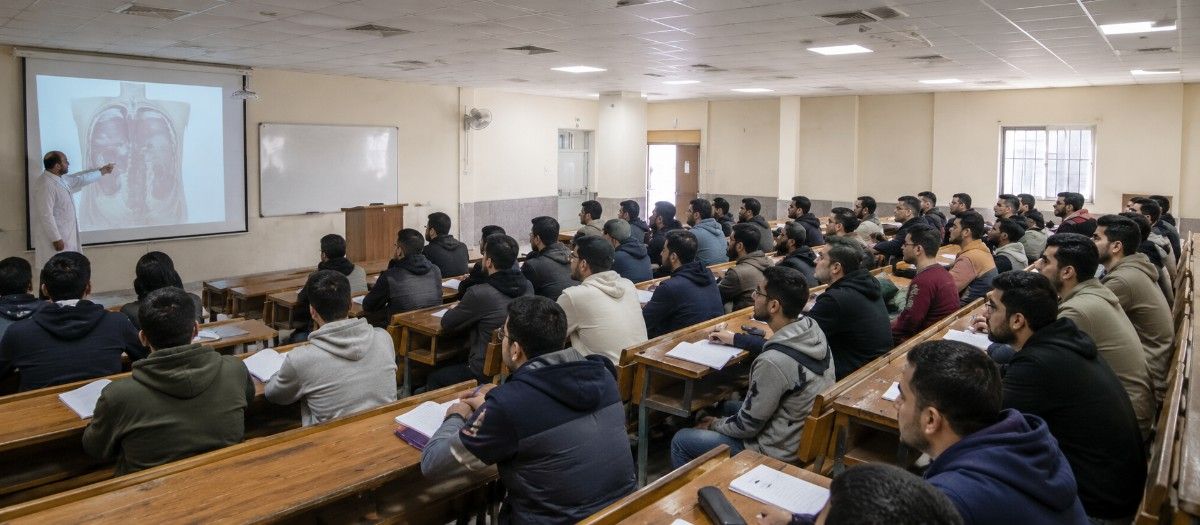

Furnished hostel rooms with Wi-Fi, laundry, 24/7 security, and Indian mess on or near campus.
Indian restaurants and mess facilities serving vegetarian and non-vegetarian home-style food daily.
Strong Indian community with cultural events, festival celebrations, and peer support groups.
Students get hands-on clinical training in government and private hospitals affiliated with the university.
Practical information for students planning to study at MBBS in Al-Azhar University Faculty of Medicine for Boys.
Prepare for all seasons. Thermal wear for winters, light clothing for summers. University provides heating in hostels.
Student visa processed with university invitation letter. Direct and connecting flights from major Indian cities.
Health insurance included in fees. Medical facility on campus plus city hospitals easily accessible.
Local SIM cards available. WhatsApp and video calls keep you connected with family back home.
Average monthly expenses of $150–$250 covering food, transport, and personal needs.
University library, online databases, and study groups. Seniors mentor juniors through academic challenges.
Our team guides you through every step — from application to arriving on campus.
Our Egypt specialist provides an honest overview of Cairo University vs Ain Shams vs ERU, English-medium status, FMGE outcomes, safety assessment, and total cost comparison.
We provide the Egypt-specific checklist. All documents are verified before university submission.
Direct submission to the suggested university. Offer letter typically within 7–14 days.
Either the students or our team receives the offer, walks you through the terms, and manages the initial fee payment.
We manage visa applications to the Egyptian Embassy in New Delhi, a minimum of 6 weeks before departure
Cairo city orientation, accommodation, Egyptian transport, food, currency, safety zones, and first-week logistics.
We advise on routing to Cairo International Airport (CAI). Confirms arrival with the local team.
Our Cairo representative meets you at the airport. No student arrives unsupported.
Hostel check-in and university registration handled by AMW's local Egypt team.
Our team files the student residence permit at the Egyptian Ministry of Interior within your first weeks. Renewed annually.
Admission Helpline — Contact our counsellors for step-by-step assistance.
“The faculty here is incredibly supportive. The clinical training during hospital rotations has given me real confidence in patient care.”
“Affordable fees without compromising on quality. The campus facilities and hostel life made my transition abroad very smooth.”
“English medium instruction and WHO-recognized curriculum were the deciding factors for me. No regrets so far — excellent experience overall.”
“The university helped with everything from visa to accommodation. Hospital exposure from year three has been invaluable for my FMGE prep.”
“Just cleared my licensing exam on the first attempt. The structured coaching and mock exams during final year were a game-changer.”
“Safe campus, good food options, and a strong Indian student community. The teaching methodology is very practical and hands-on.”
Al-Azhar started in 970 CE. The medical faculty came much later, in 1961.
Students study for five years, then complete a two-year internship. That makes seven years in total.
Al-Azhar has mostly admitted Muslim students only. Confirm this directly with the university before you apply.
No, this faculty takes only male students. Women can apply to the separate Al-Azhar Faculty of Medicine for Girls in Nasr City.
Yes, applicants need a valid, qualifying NEET score.
Sources give very different numbers, from USD 2,500 to USD 5,000 a year. Always confirm the exact fee with the university.
Yes. WHO lists it, and the US ECFMG has recognised its graduates since 1967.
Students train mainly at Al-Hussein University Hospital and Al-Sayyed Galal University Hospital in old Cairo.
It is a public university, but a religious body governs it, unlike Egypt's fully secular universities.
No. Most Indian students studying in Egypt choose Cairo University, Ain Shams University, or Alexandria University instead.
Our expert counsellors will guide you through the complete admission process — from documents to airport pickup.