
1. What makes Beni Suef University Faculty of Medicine unique?
+It runs on its own 15-week term calendar, separate from the rest of the university, and shares its founding year with its teaching hospital.
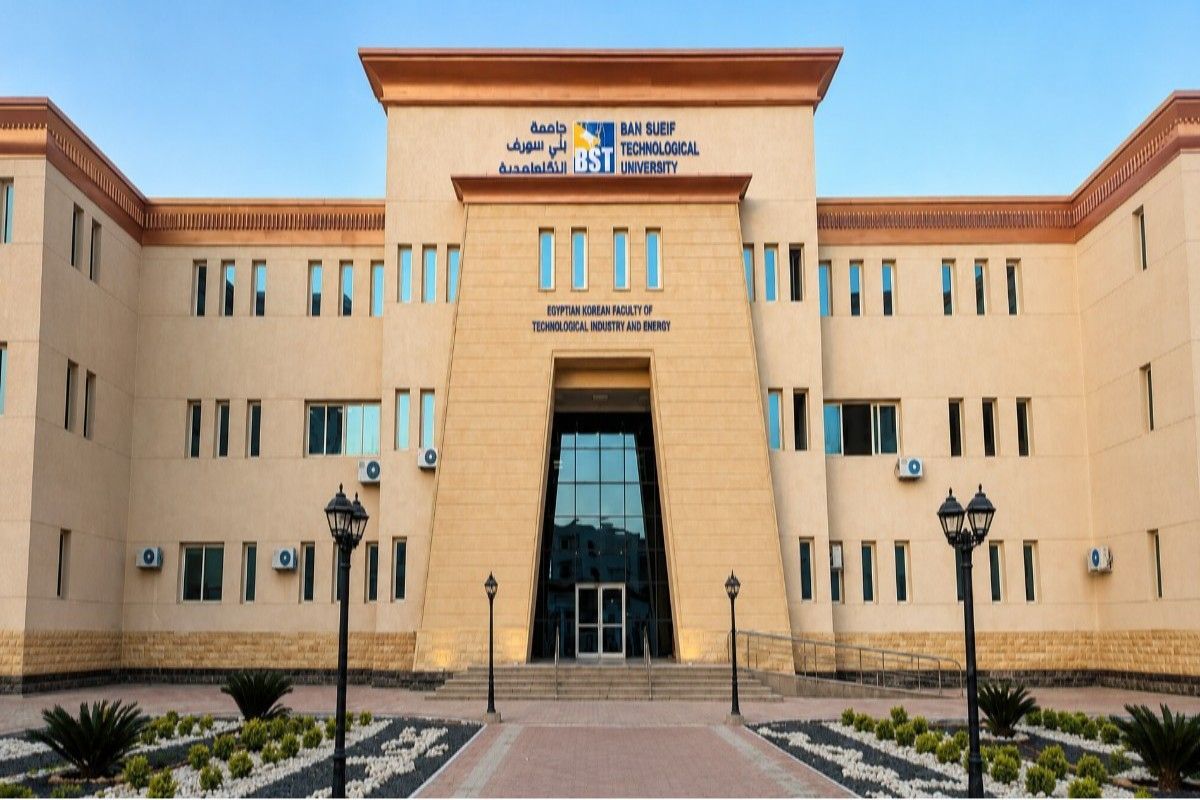
 Egypt | Est. 1995
Egypt | National Authority for Quality Assurance and Accreditation of Education (NAQAAE), Egypt | English (international track); Arabic (local track) medium
Expert will call you within 2 hours
One of the distinguishing features of the Beni Suef Faculty of Medicine is the structure of its academic year. While the majority of faculties at Beni Suef University operates according to the regular two-semester system, this particular faculty has its individual schedule with 15-week terms followed by exams.
This structure comes from the history of creation of the faculty which began as the Faculty of Medicine according to the Republican Decree No. 23 of 1995. The same decree established the university hospital for the faculty. Therefore, the dates of creation for the Faculty of Medicine and its teaching hospital coincide. Such situation is quite rare in Egypt where medical faculties and teaching hospitals are usually established with a certain period of time difference between each other.
The history of Beni Suef University explains this situation. Beni Suef was initially a branch of Cairo University since the year of its foundation in 1976. Almost for thirty years it was operating under the administration of Cairo University, gaining its own identity and increasing the range of academic programs. Only in 2005 through Presidential Decree No. 184, Beni Suef University became fully independent.
Since the Faculty of Medicine was created much earlier than the University itself, it had more time to establish its identity. When the Beni Suef University became independent, the Faculty of Medicine had become already a well-developed academic program. Thus, there were differences in the development order between this faculty and several others in Egypt.
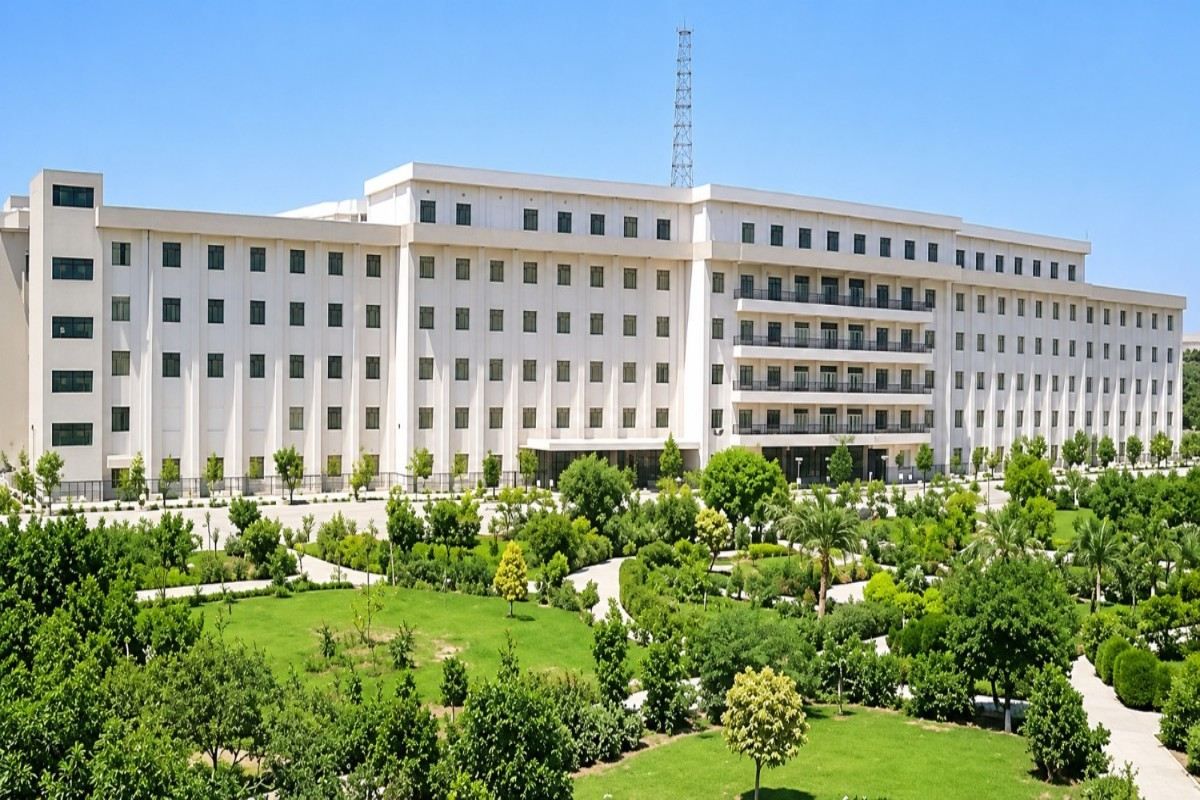
Currently, the Faculty of Medicine provides education for thousands of students including international ones. Its major asset is the teaching hospital that, as they say, contains well over a thousand beds. For a medical program, such number of beds represents a big advantage, providing the opportunity to see the high volume of patients.
As for the international and Indian students, the program at Beni Suef follows the standard scheme of Egypt's medical education. Five years of academic courses followed by the internship supervised by the faculty in the framework of the university healthcare system constitute the program. The initial stage includes the basics such as Anatomy, Physiology, Biochemistry and etc.
Further, students go through Pathology, Pharmacology and various clinical disciplines. All the rotations of the students take place in the university hospital mostly, not in other hospitals. In this regard, the students do not have to switch to another healthcare network during their training. Continuity of the academic training and clinical rotation constitutes the main advantage of the program.
One of the questions asked regularly is why it makes sense to choose Beni Suef University instead of more experienced institutions in Cairo. The most important factor is affordability. The annual tuition fees are about USD 6,000, which puts this university in the number of less expensive public medical universities in Egypt. Lack of any donations or capitations also adds to the economic aspect of the training.
Another asset of the faculty is the good ratio of the hospital capacity to the number of students. Unlike the faculty with thousands of students competing for clinical exposure, Beni Suef University offers its students access to a big teaching hospital for a relatively small number of students. Many of the students find it to be a big practical advantage.
Location is another factor that is appealing to international students. Beni Suef is situated approximately 120 kilometers south from Cairo on the western bank of the Nile River. It is not as crowded as Cairo and provides a quiet environment. However, it is also not as far away from the capital to make traveling inconvenient. Cairo is accessible by road, allowing students to reach the international airport of Cairo, healthcare facilities and the whole infrastructure.
Unlike other cities that are located much further to the south, Beni Suef has good connectivity with the capital. That is why students can save on living costs without the risk of being isolated from the major city and its facilities. In this way, it is considered to be one of the strengths of the city.
Beni Suef itself is a provincial city and not the major tourist attraction in Egypt. It is equipped with the public gardens, riverside corniche and other cultural sites. Pace of life there is lower than in Cairo and that is why it is preferable for many students. Also, daily living costs are lower compared to other cities.
The accommodation options vary and include single, double and shared rooms. Hostels are provided with all the basic amenities necessary for the student. Overall costs remain low both for Egyptians and internationals. That is why the cost of the medical education also becomes lower for the entire period of studies.
It is also helpful to know the structure of the university. Currently, Beni Suef University is operating 12 faculties and 1 institute spread across 3 different campuses. Among them, there are an initial campus near the entrance of the city, a campus on the eastern side of the Nile River and a new 300-acre campus, which is under construction. Some faculties are gradually being relocated to these new facilities.
At the same time, the Faculty of Medicine stays connected with the hospital-based location and keeps training students there. Even though some other part of the university develops further, the Faculty of Medicine remains with its established healthcare infrastructure. Thus, the focus of this faculty remains to be hospital-based education.
Speaking about recognition, the degree provided by this faculty has the same recognition as degrees of other accredited public medical universities in Egypt. The faculty is listed in all international directories for medical schools and recognized by respective authorities. Graduates have the right to license according to India NMC process, USMLE and PLAB, depending on the requirements of the authority. The paths of recognition are similar to Cairo, Ain Shams and Assiut.
Thus, Beni Suef University does not distinguish itself with any accreditation and rankings, but with its overall educational advantages. The combination of a big teaching hospital, moderate number of students, affordable tuition and proximity to the capital gives a unique character to the university and its faculty.
No hidden charges, no donation. The full picture of costs at MBBS in Beni Suef University Faculty of Medicine.
Tuition Fee
USD 6,000 / ₹5.72 lakh per year
USD 6,000 / Approx. ₹5.72 lakh per year
Hostel Fee
Approximately USD 700-1,000 per year (Approx. Rs. 58,450-83,500)
Approximately USD 700-1,000 per year (Approx. Rs. 58,450-83,500)
Food & Meals
USD 500-750 Approx. Rs. 41,750-62,650
Per Year
Insurance
USD 150-250 Approx. Rs. 12,530-20,880
Per Year
Donation
No donation
No hidden fee
Total Estimated Cost
Approx. USD 43,000–48,000 / ₹41.0–45.8 Lakh
6 Year
25–35%
Average FMGE first-attempt pass rates for students from many overseas medical universities. Students from structured programs consistently score higher.
Students returning to India need to clear the FMGE/NExT exam. MBBS in Beni Suef University Faculty of Medicine integrates exam-oriented coaching into the regular curriculum so students are prepared from day one.
A structured program that takes you from foundational sciences to clinical mastery.
• Human anatomy, histology, and medical biochemistry • Foundational biology and introduction to normal body structure
Anatomy, Histology, Biochemistry, Medical Biology
• Medical physiology, medical genetics, and further biochemistry • Systemic study of healthy body function as groundwork for later disease-based teaching
Physiology, Microbiology, Pathology, Pharmacology
• General and systemic pathology, microbiology, and pharmacology • Introduction to disease mechanisms and diagnostic reasoning ahead of ward-based teaching
Internal Medicine, Surgery, Obstetrics & Gynaecology
• Clinical rotations in internal medicine and general surgery at the university teaching hospital • Training in clinical pathology, radiology, and forensic medicine
Paediatrics, Neurology, Ophthalmology, ENT
• Rotations in paediatrics, obstetrics and gynaecology, and psychiatry • Case-based assessment and preparation for the qualifying clinical examinations
Psychiatry, Dermatology, Radiology, Emergency Medicine
• Supervised, hands-on rotating internship across major departments within the university hospital • Independent patient management under supervision, ahead of licensing and NMC screening exams
Full-time clinical rotations, FMGE/NExT coaching
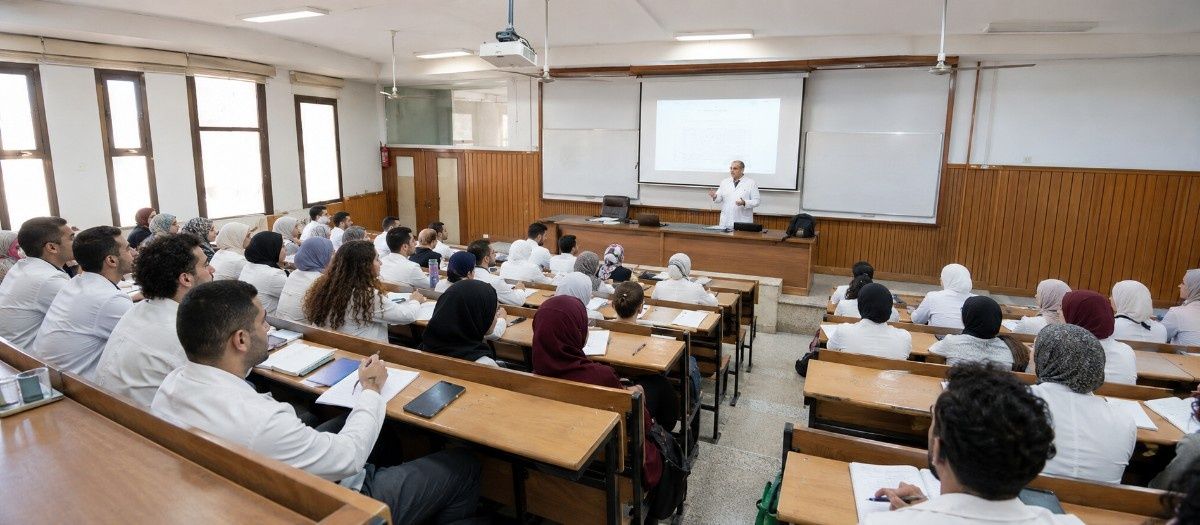
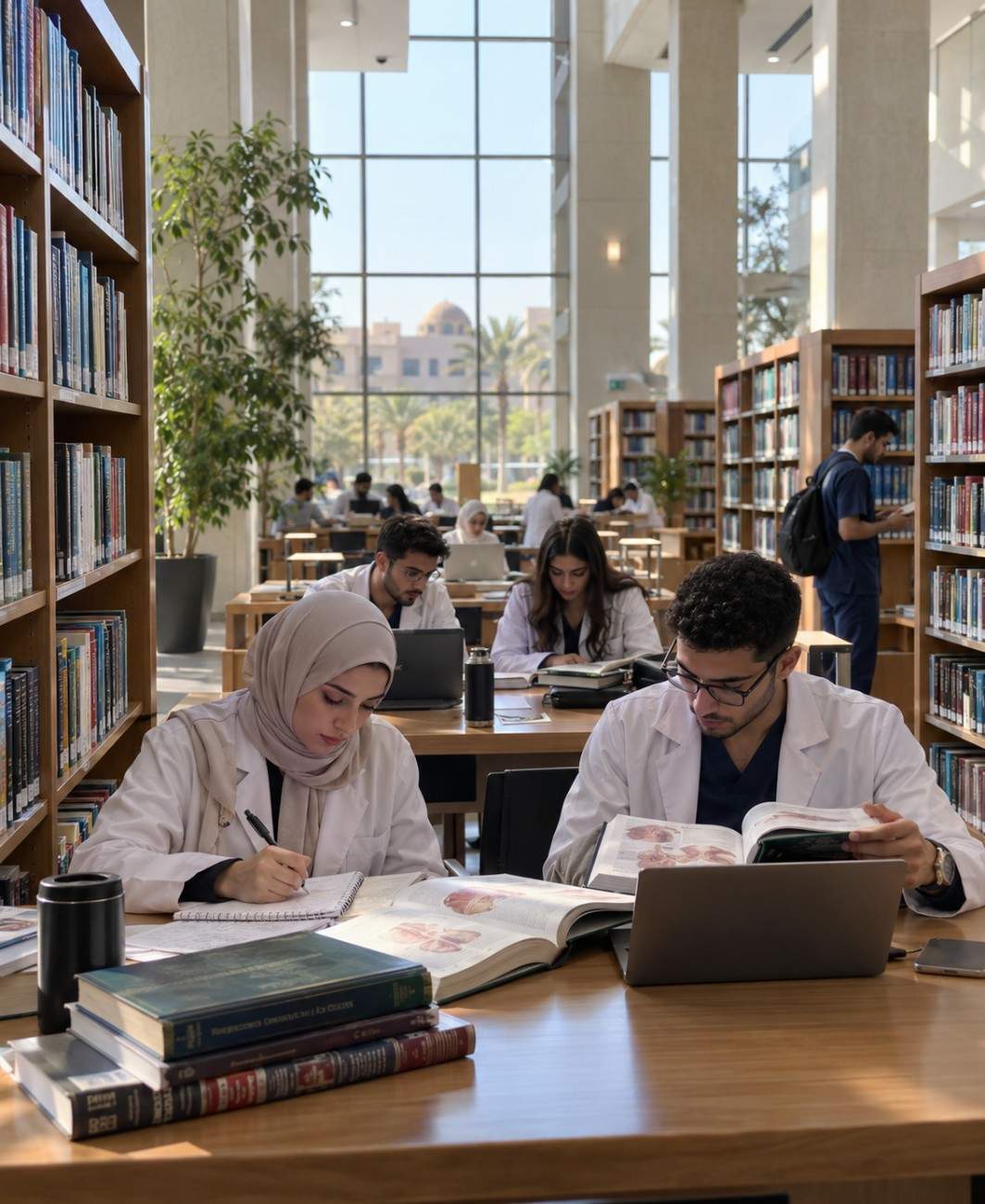
Furnished hostel rooms with Wi-Fi, laundry, 24/7 security, and Indian mess on or near campus.
Indian restaurants and mess facilities serving vegetarian and non-vegetarian home-style food daily.
Strong Indian community with cultural events, festival celebrations, and peer support groups.
Students get hands-on clinical training in government and private hospitals affiliated with the university.
Practical information for students planning to study at MBBS in Beni Suef University Faculty of Medicine.
Prepare for all seasons. Thermal wear for winters, light clothing for summers. University provides heating in hostels.
Student visa processed with university invitation letter. Direct and connecting flights from major Indian cities.
Health insurance included in fees. Medical facility on campus plus city hospitals easily accessible.
Local SIM cards available. WhatsApp and video calls keep you connected with family back home.
Average monthly expenses of $150–$250 covering food, transport, and personal needs.
University library, online databases, and study groups. Seniors mentor juniors through academic challenges.
Our team guides you through every step — from application to arriving on campus.
Our Egypt specialist provides an honest overview of Cairo University vs Ain Shams vs ERU, English-medium status, FMGE outcomes, safety assessment, and total cost comparison.
We provide the Egypt-specific checklist. All documents are verified before university submission.
Direct submission to the suggested university. Offer letter typically within 7–14 days.
Either the students or our team receives the offer, walks you through the terms, and manages the initial fee payment.
We manage visa applications to the Egyptian Embassy in New Delhi, a minimum of 6 weeks before departure
Cairo city orientation, accommodation, Egyptian transport, food, currency, safety zones, and first-week logistics.
We advise on routing to Cairo International Airport (CAI). Confirms arrival with the local team.
Our Cairo representative meets you at the airport. No student arrives unsupported.
Hostel check-in and university registration handled by AMW's local Egypt team.
Our team files the student residence permit at the Egyptian Ministry of Interior within your first weeks. Renewed annually.
Admission Helpline — Contact our counsellors for step-by-step assistance.
“The faculty here is incredibly supportive. The clinical training during hospital rotations has given me real confidence in patient care.”
“Affordable fees without compromising on quality. The campus facilities and hostel life made my transition abroad very smooth.”
“English medium instruction and WHO-recognized curriculum were the deciding factors for me. No regrets so far — excellent experience overall.”
“The university helped with everything from visa to accommodation. Hospital exposure from year three has been invaluable for my FMGE prep.”
“Just cleared my licensing exam on the first attempt. The structured coaching and mock exams during final year were a game-changer.”
“Safe campus, good food options, and a strong Indian student community. The teaching methodology is very practical and hands-on.”
It runs on its own 15-week term calendar, separate from the rest of the university, and shares its founding year with its teaching hospital.
Yes. The international track is taught fully in English, though basic Arabic helps during clinical rotations.
Yes. It is listed in major medical education directories, and graduates must clear NMC screening to practise in India.
Graduates from recognised medical schools may be eligible, provided they meet the respective examination boards' criteria.
Yes. Indian applicants must qualify NEET to be eligible for admission and for future recognition in India.
It is the faculty's primary teaching hospital, offering large-scale clinical exposure across most rotations and the internship.
Six years in total: five years of academic study followed by a supervised internship inside the university hospital.
It is a quieter Nile-side city with public gardens and a corniche, roughly 120 km from Cairo along the river.
Yes. Single, double, and shared hostel rooms are available, furnished with essential amenities and Wi-Fi.
Applicants typically need academic transcripts, a valid passport, NEET documentation, and completed application forms.
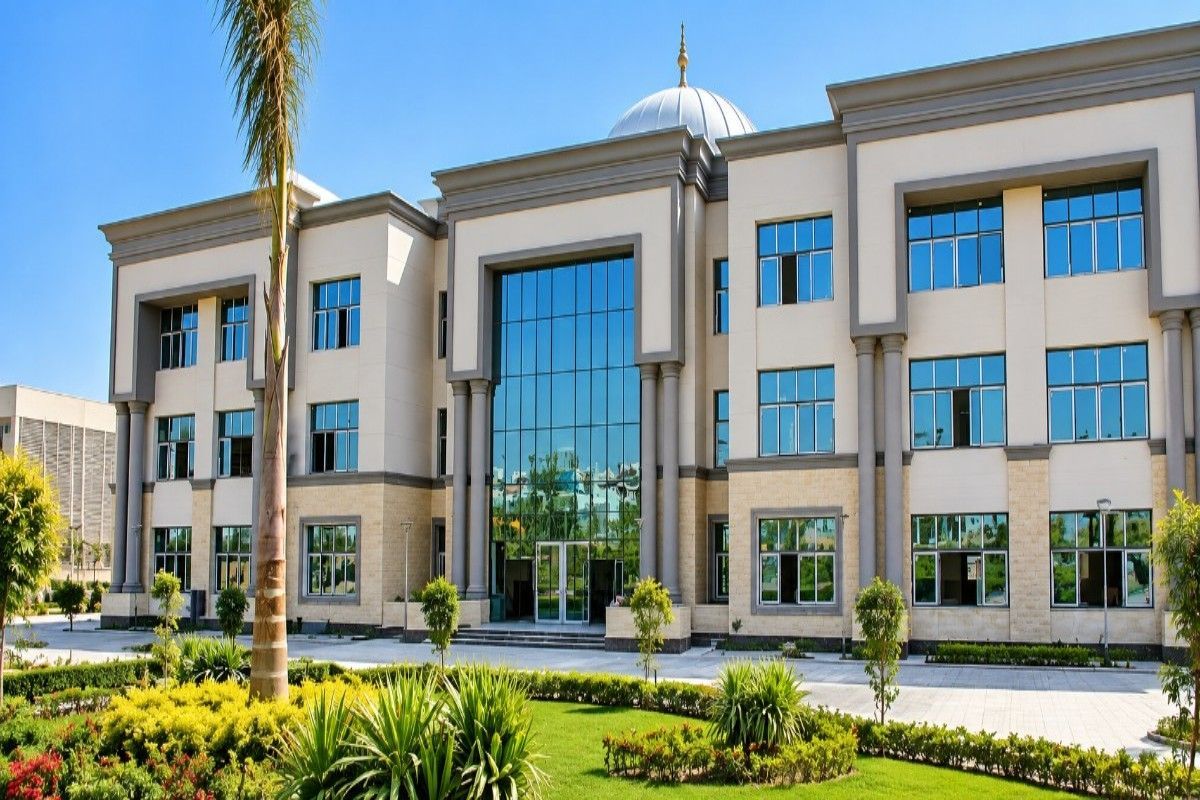
Our expert counsellors will guide you through the complete admission process — from documents to airport pickup.