
1. Is this program taught in English?
+Yes, fully English-medium.
 Kyrgyzstan | Est. 2016
Kyrgyzstan | Recognised by Kyrgyzstan's Ministry of Health and Ministry of Education and Science. Multiple independent consultancy sources consistently describe CAIMU as listed in the WHO World Directory of Medical Schools and recognised by ECFMG; these claims were not ind | English. medium
Expert will call you within 2 hours
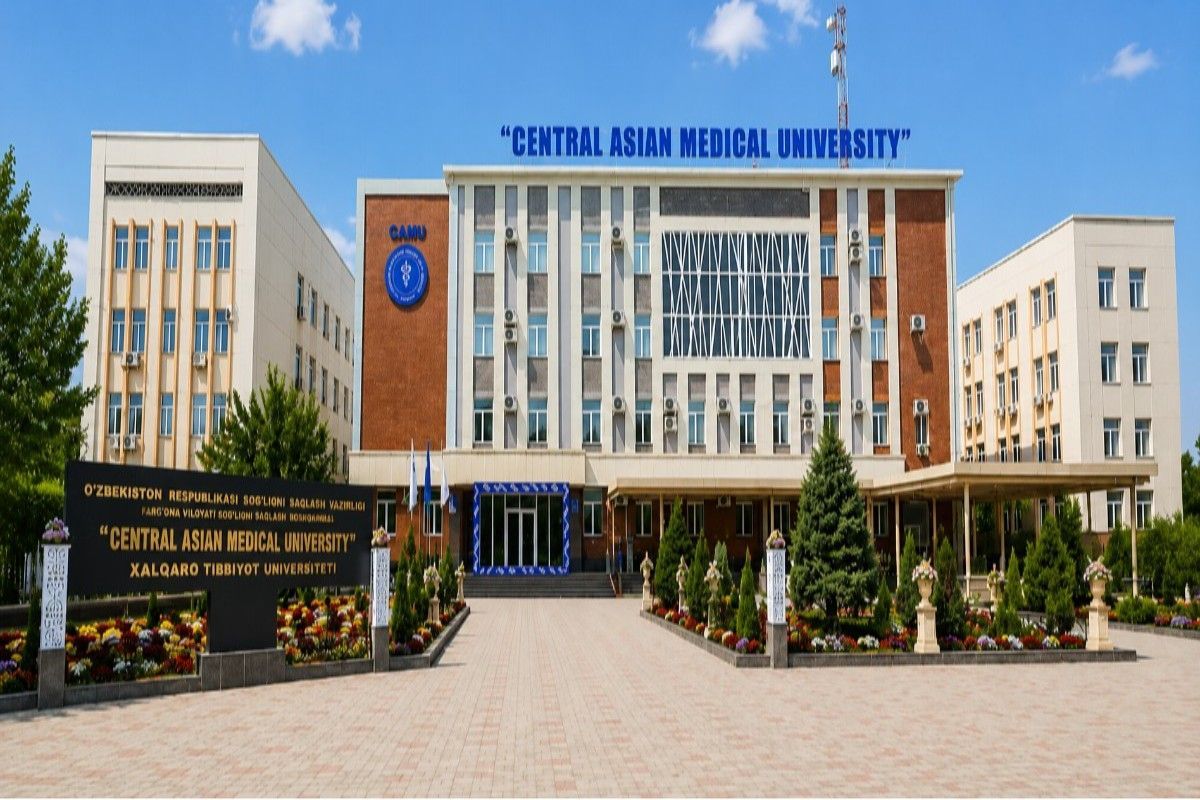
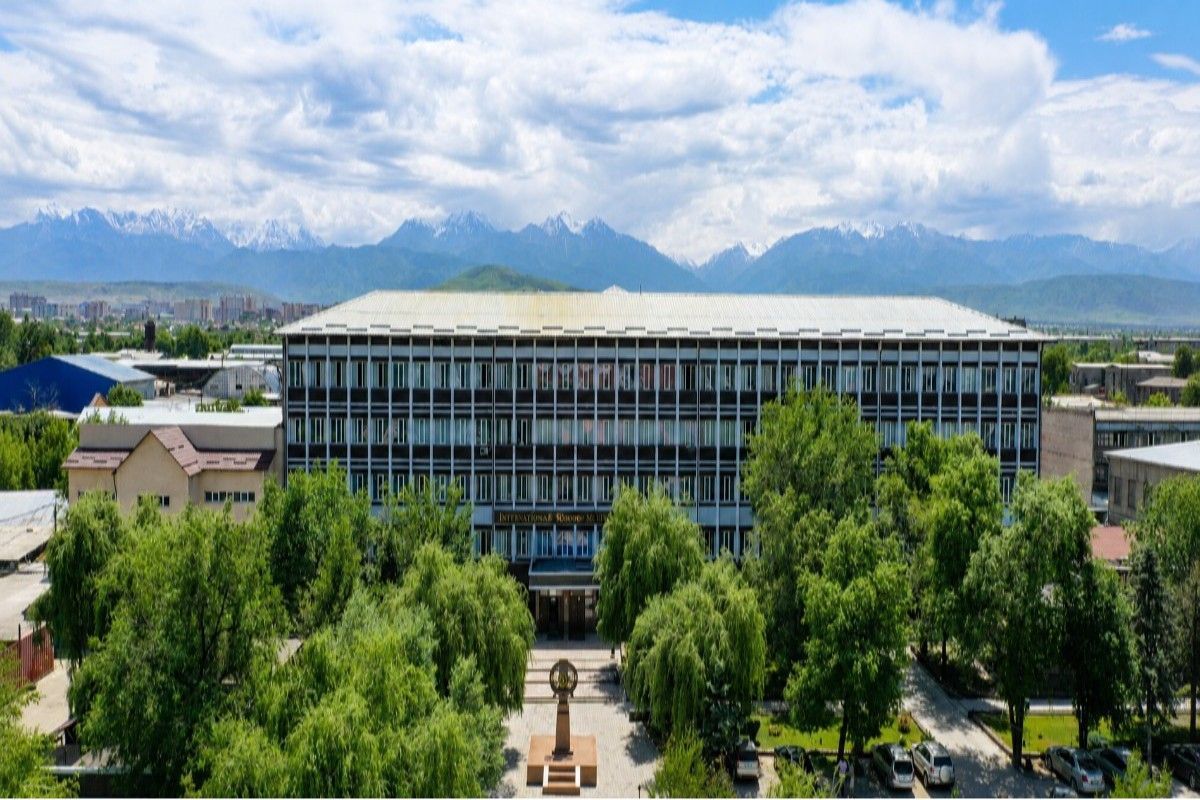
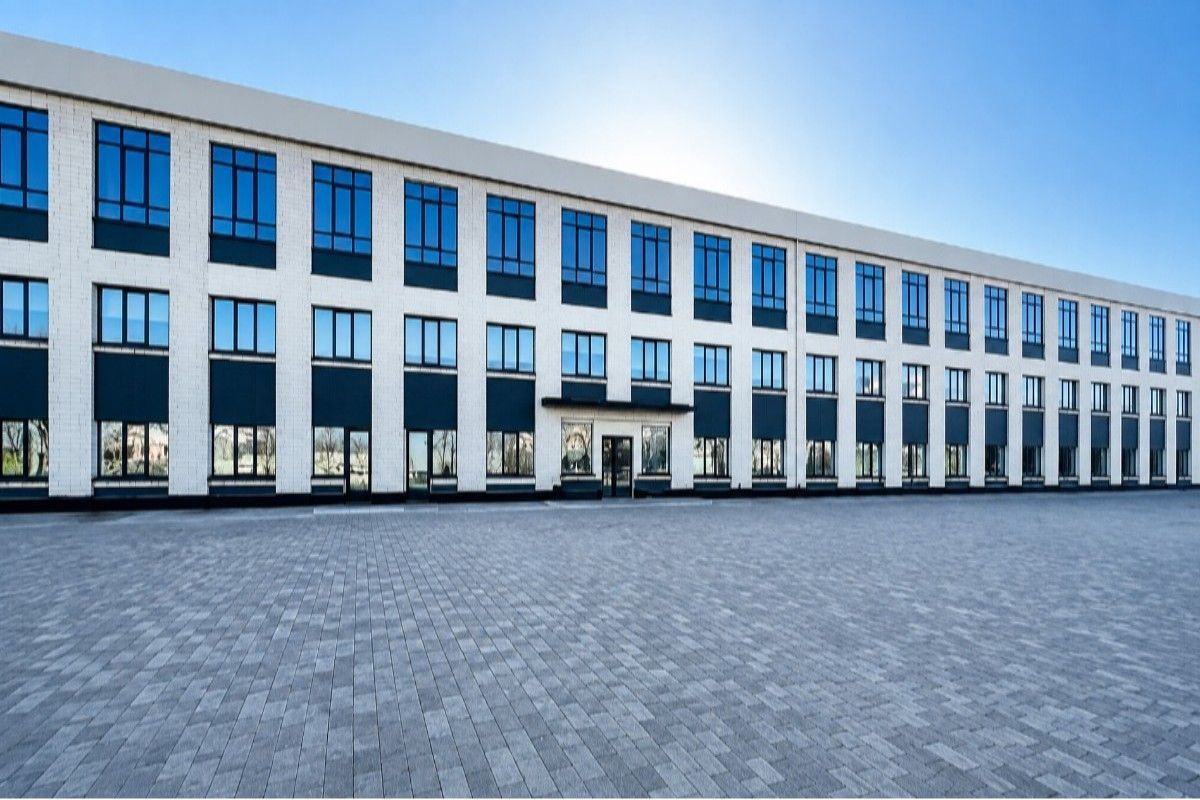
Central Asian International Medical University is usually shortened to CAIMU. It began in 2016. It runs as a private medical school. Most sources place it in Jalal-Abad. This is a city in southern Kyrgyzstan, well away from the capital. Oddly, at least one source describes it as sitting "in the heart of Bishkek" instead. Bishkek is the country's capital city. This is a real gap worth flagging upfront. A school's real, physical location should be a simple, checkable fact. It should not shift between sources. Anyone weighing CAIMU seriously should confirm its exact city, and campus address, directly with the school first.
CAIMU runs a general MBBS and MD track. It is taught fully in English. Most sources describe a six-year total structure. This splits into five years of classroom and lab study. One further year of internship follows. The school also offers dentistry and pharmacy tracks, alongside its main medical program. CAIMU operates under Kyrgyzstan's Ministry of Health and Ministry of Education and Science. These are the same two bodies that oversee the other Kyrgyz schools in this series.
On student numbers, sources disagree by a wide margin. One source puts current enrolment at "more than 2,000 students." A separate source claims "over 10,000 students enrolled" instead. This is a five-fold gap. Both numbers claim to describe the same fact. This gap does not automatically mean either figure is dishonest. It may simply reflect different counting methods. It may reflect different points in time. Or one source may count only medical students, while another counts the whole university. Still, it is worth noting this plainly. A five-fold gap is large. A careful applicant should ask CAIMU directly for its current, exact enrolment figure. Do not trust either number at face value.
On recognition, CAIMU's claims are, in one real sense, better backed than Altamimi's were. Several separate education firms, each looking independent of the others, repeat a broadly matching story. They say CAIMU sits in the WHO's World Directory of Medical Schools. They say it holds ECFMG recognition. They say India's National Medical Commission approves it too. This is a stronger pattern than seeing a claim just once, on a school's own page. Still, this profile could not check these claims through a primary source. This means WHO's own listed entry, or ECFMG's own school record, checked directly and on its own. Consultancy sites, no matter how many, often draw from the same root source. Or they draw from each other, rather than each doing real, first-hand checking. This gap matters. A claim repeated ten times, by ten different marketing-driven pages, is still just one claim underneath. This holds true, unless at least one of those ten checked the primary source directly.
Cost is one spot where CAIMU's own numbers run unusually clear and steady across sources. This is a genuinely good sign. Total MBBS fees get commonly cited at roughly INR 20.25 lakh, for the full six-year course. This works out to a per-year rate well below most European options in this series. A separate source cites a slightly different total: USD 17,000 to 20,000 for the whole program. This converts to a broadly similar range in Indian rupees. These two figures roughly agree with each other. This differs from the enrolment numbers above. This match is a genuinely useful check, in the school's favour. Living costs in Jalal-Abad get cited at roughly USD 300 to 400 a month. This runs a bit higher than Bishkek-based schools in this series. This gap may partly come from fewer housing choices in a smaller regional city, next to the capital.
Getting into CAIMU follows the pattern seen at other Kyrgyz schools in this series. Applicants need at least 50% marks in the right science subjects, at the secondary level. Two intake rounds run each year: February and September. This is worth noting, since most other schools in this series describe just one yearly intake. A valid NEET score stays a must for Indian applicants. This follows the standard National Medical Commission rule. It applies no matter which specific school or country a student picks.
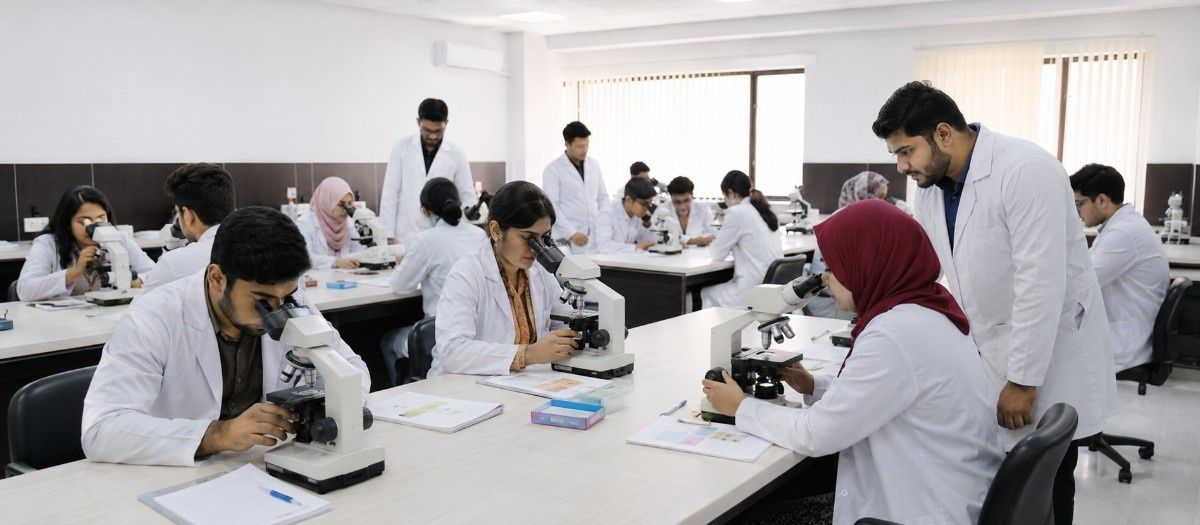
CAIMU describes its facilities as strong. It lists sophisticated labs, simulation rooms, and a mixed, multinational teaching staff. It states a strong focus on early, hands-on clinical time, rather than saving all real training for later years. The school also states it runs set FMGE and NExT coaching for its students. This aims to help Indian graduates prep for the licensing test they need, before they can practise back home. This kind of built-in exam prep is a genuinely useful feature, if it is truly delivered well. Still, as with the school's other claims, this profile could not check the exact shape or quality of this coaching, beyond the school's own words on it.
Weigh CAIMU against the other Kyrgyz schools already covered in this series. It sits in a middle spot. Its recognition claims get backed by more independent-looking sources than Altamimi's did. That is a real plus in its favour. But its location and student numbers carry real, visible gaps. Neither ISM-IUK nor BIMI showed this kind of gap in this profile's research. CAIMU also still lacks the kind of primary-source, government-decree-level start that gives ISM-IUK its strongest claim to legitimacy. Its clearest, most solid strength is a specific, steady tuition figure. This is a genuinely useful thing to have in writing, before you commit to any medical school abroad.
One more point worth raising: CAIMU's two intake rounds, in February and September, offer a real, practical plus. Most schools in this series run just one intake a year. A student who misses one intake window still gets a second real shot, just months later. This beats waiting a full year to try again. This might happen due to NEET result timing, visa delays, or just deciding late in the year. This is a small, but solid, checkable fact. Several outside sources agree on this point steadily. This differs from the location and student-count gaps noted above. It is worth treating this point as one of the more solid facts on this page. It shows up the same way, across several sources that look unrelated to each other.
It is also worth thinking about what a smaller regional city like Jalal-Abad offers, next to Bishkek-based schools elsewhere in this series. A smaller city usually means a smaller, tighter group of students from abroad. This cuts both ways. It can mean a closer-knit group for a first-year student settling in. But it can also mean fewer shops, food spots, and services built for South Asian students, next to a bigger capital city like Bishkek. Weigh this lifestyle trade-off honestly, alongside the school and cost facts. Do not assume every Kyrgyz medical school offers the exact same daily life, just because they share a country and a broadly similar tuition plan.
Put simply, CAIMU looks like a real, working medical school. It has fairly well-backed recognition claims, and unusually clear pricing. But the location and student-count gaps noted above are exactly the kind of small, checkable facts that should get settled directly with the school before you apply. Do not brush past them. Ask CAIMU directly for its exact campus address. Ask for its current, exact student count. Ask for copies of its real accreditation papers too. Check all of this against WHO's own listed directory, and ECFMG's own record, rather than trusting consultancy pages alone, however steady those pages may look at first glance.
No hidden charges, no donation. The full picture of costs at MBBS in Central Asian International Medical University.
Tuition Fee
Total program cost commonly cited at approx. INR 20.25 lakh (~USD 23,275) for the full 6 years, or roughly USD 17,000-20,000 across independ
3,350 2.91 lakh
Hostel Fee
700 0.61 lakh
700 0.61 lakh
Food & Meals
2,400 2.09 lakh
per month
Insurance
150 0.13 lakh
per year
Donation
No Donation
No Hidden Fee
Total Estimated Cost
~6,600 ~5.74 lakh ~39,600 ~34.44 lakh
6 years
25–35%
Average FMGE first-attempt pass rates for students from many overseas medical universities. Students from structured programs consistently score higher.
Students returning to India need to clear the FMGE/NExT exam. MBBS in Central Asian International Medical University integrates exam-oriented coaching into the regular curriculum so students are prepared from day one.
A structured program that takes you from foundational sciences to clinical mastery.
Establishes basic knowledge of medical sciences and human anatomy. |
Histology, Medical Biology, Medical Chemistry, Physics, Medical Terminology, Latin Language |
Covers normal functioning of the body, pathogenesis of diseases, microbes, and pharmacodynamics.
Physiology, Biochemistry, Microbiology, Immunology, Genetics, Pharmacology
Provides introduction to clinical medicine, diagnosis of diseases, and experience in hospitals.
Pathology, Pathophysiology, Internal Medicine, General Surgery, Radiology, Lab Diagnosis
Clinical training in affiliated hospitals under supervision of doctors.
Internal Medicine, Pediatrics, General Surgery, Obstetrics & Gynecology, ENT, Ophthalmology, Neurology
Includes intensive clinical training and preparation for the medical licensing exams.
Emergency Medicine, Family Medicine, Community Medicine, Surgery, Internal Medicine, Pediatrics

Furnished hostel rooms with Wi-Fi, laundry, 24/7 security, and Indian mess on or near campus.
Indian restaurants and mess facilities serving vegetarian and non-vegetarian home-style food daily.
Strong Indian community with cultural events, festival celebrations, and peer support groups.
Students get hands-on clinical training in government and private hospitals affiliated with the university.
Practical information for students planning to study at MBBS in Central Asian International Medical University.
Prepare for all seasons. Thermal wear for winters, light clothing for summers. University provides heating in hostels.
Student visa processed with university invitation letter. Direct and connecting flights from major Indian cities.
Health insurance included in fees. Medical facility on campus plus city hospitals easily accessible.
Local SIM cards available. WhatsApp and video calls keep you connected with family back home.
Average monthly expenses of $150–$250 covering food, transport, and personal needs.
University library, online databases, and study groups. Seniors mentor juniors through academic challenges.
Our team guides you through every step — from application to arriving on campus.
Shortlist a university and confirm current NMC/WHO WDOMS status directly; don't rely solely on an agent's claim.
Submit the application form with scanned academic documents and passport.
Receive a provisional admission/invitation letter, typically within 7-10 working days.
Pay the initial tuition instalment as per the university's payment schedule.
Apply for the Kyrgyz student visa at the nearest visa centre, allowing 7-15 working days for processing.
Book travel and prepare for departure.
Complete in-person registration and a medical check-up upon arrival.
Begin classes at the start of the academic year (September/October).
Admission Helpline — Contact our counsellors for step-by-step assistance.
“The faculty here is incredibly supportive. The clinical training during hospital rotations has given me real confidence in patient care.”
“Affordable fees without compromising on quality. The campus facilities and hostel life made my transition abroad very smooth.”
“English medium instruction and WHO-recognized curriculum were the deciding factors for me. No regrets so far — excellent experience overall.”
“The university helped with everything from visa to accommodation. Hospital exposure from year three has been invaluable for my FMGE prep.”
“Just cleared my licensing exam on the first attempt. The structured coaching and mock exams during final year were a game-changer.”
“Safe campus, good food options, and a strong Indian student community. The teaching methodology is very practical and hands-on.”
Yes, fully English-medium.
No separate written exam is described; admission is based on academic document review.
Yes, per standard National Medical Commission rules.
Most sources say Jalal-Abad, in southern Kyrgyzstan. At least one source describes it as Bishkek-based instead. Confirm the exact campus location directly with the university before applying.
The sources range from "over 2,000" to "over 10,000". Check with the university itself for its current, exact figure.
Approx. INR 20.25 lakh total for the 6-year program, a figure that appears consistently across independent sources, a stronger signal than most other cost claims reviewed for this profile.
Claimed WHO, ECFMG, and NMC recognition appears across multiple consultancy sources, though this profile could not verify these directly through WHO's or ECFMG's own primary databases.
There are two intakes each year in February and September, providing applicants with more flexibility than schools with just one intake per year.
Its recognition claims are better supported than Altamimi’s, but its location and enrollment numbers present inconsistencies not found in the profiles of ISM-IUK or BIMI, and it does not have the government-decree founding history of ISM-IUK.
CAIMU’s exact campus address and current student population in person, and its accreditation certificates through WHO and ECFMG’s official primary databases, not just through third-party consultancy reports.

Our expert counsellors will guide you through the complete admission process — from documents to airport pickup.