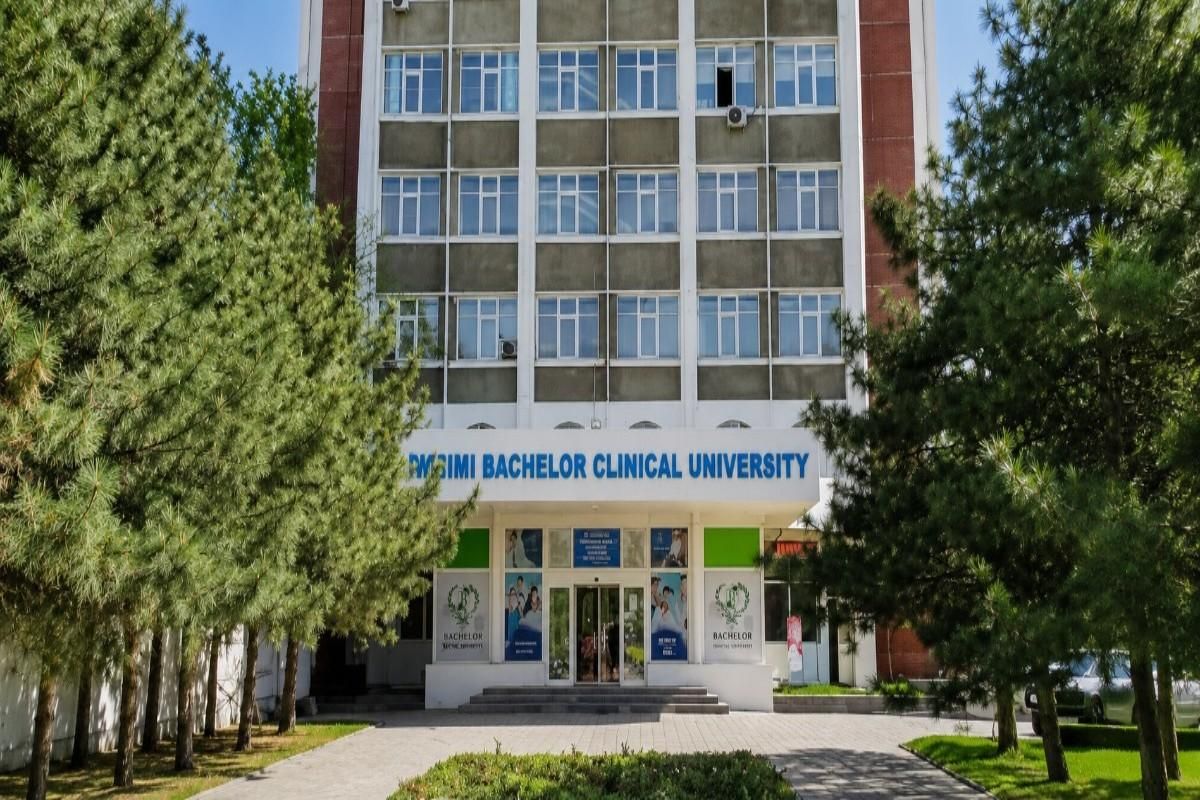
The Avicenna International Medical University (AIMU) is a respected private institution in Bishkek, Kyrgyzstan, focused on international medical education and recognized by the National Medical Commission (NMC).
Official Designation: Avicenna International Medical University (AIMU).
Founding: The university was established to cater specifically to international medical students seeking globally recognized qualifications.
Institutional Status: Operates as a Private University, holding full state accreditation from the Ministry of Education and Science, Kyrgyz Republic.
Recognition & Governance: Governed by its founding trust and adheres to national educational standards under the oversight of the Ministry of Health.
Degree Awarded: Graduates receive the Doctor of Medicine (MD) in General Medicine.
NMC Compliance: Fully NMC Approved. The MD degree is accepted as equivalent to the Indian MBBS for licensing, subject to clearing the NExT exam.
Program Duration: The course is a mandatory 5 Years (academic and clinical training combined, plus 1 year internship for NExT eligibility).
Instruction Language: The program for the international cohort is conducted exclusively in English Medium.
Global Recognition: Recognized by WHO WDOMS, ECFMG, and WFME.
Annual Intake: Maintains an approved intake capacity for international students, with specific approvals for the General Medicine program.
Entry Requirement: Mandatory NEET UG qualification for Indian citizens (minimum 50% in 10+2 PCB).
Academic Philosophy: Focuses on integrating core medical knowledge with early clinical exposure and practical skills training.
Location: Strategically located in Bishkek, the capital and largest city of Kyrgyzstan.
Faculty Profile: Features highly qualified faculty with significant clinical experience, many holding advanced degrees.
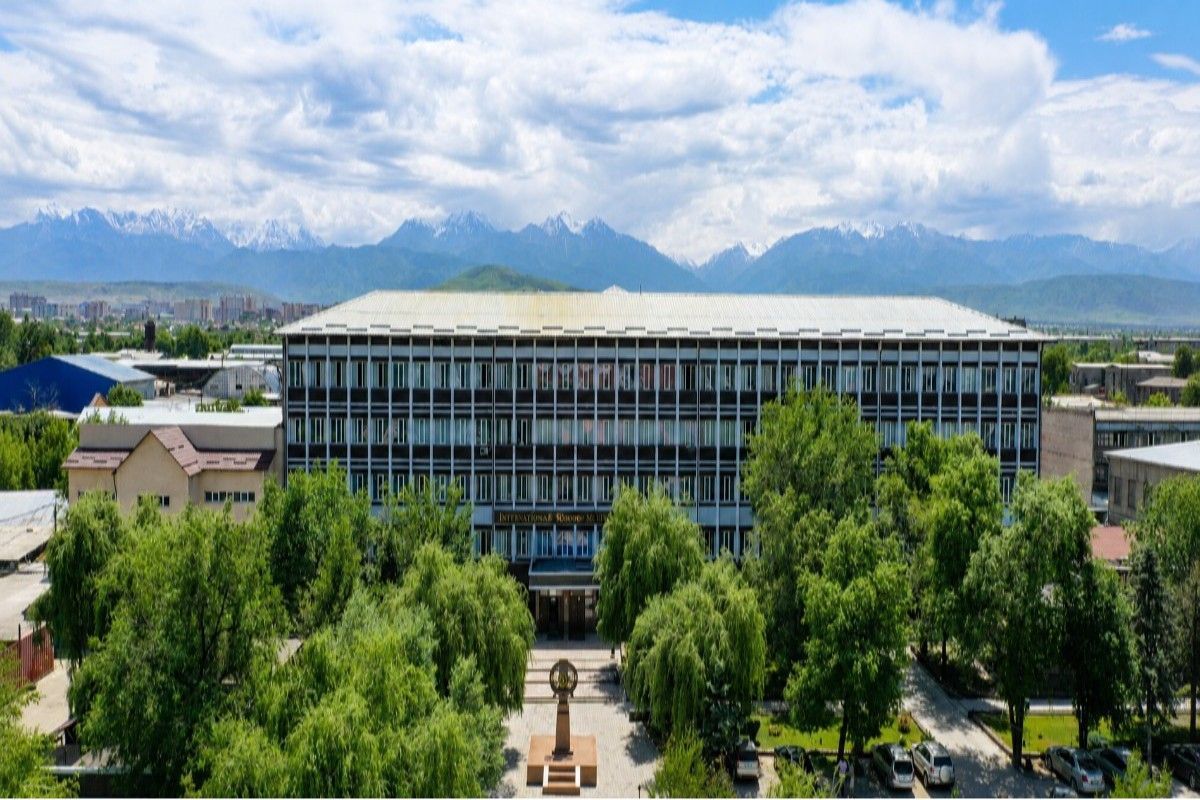
AIMU operates from an established urban campus in Bishkek, providing centralized academic and administrative functions.
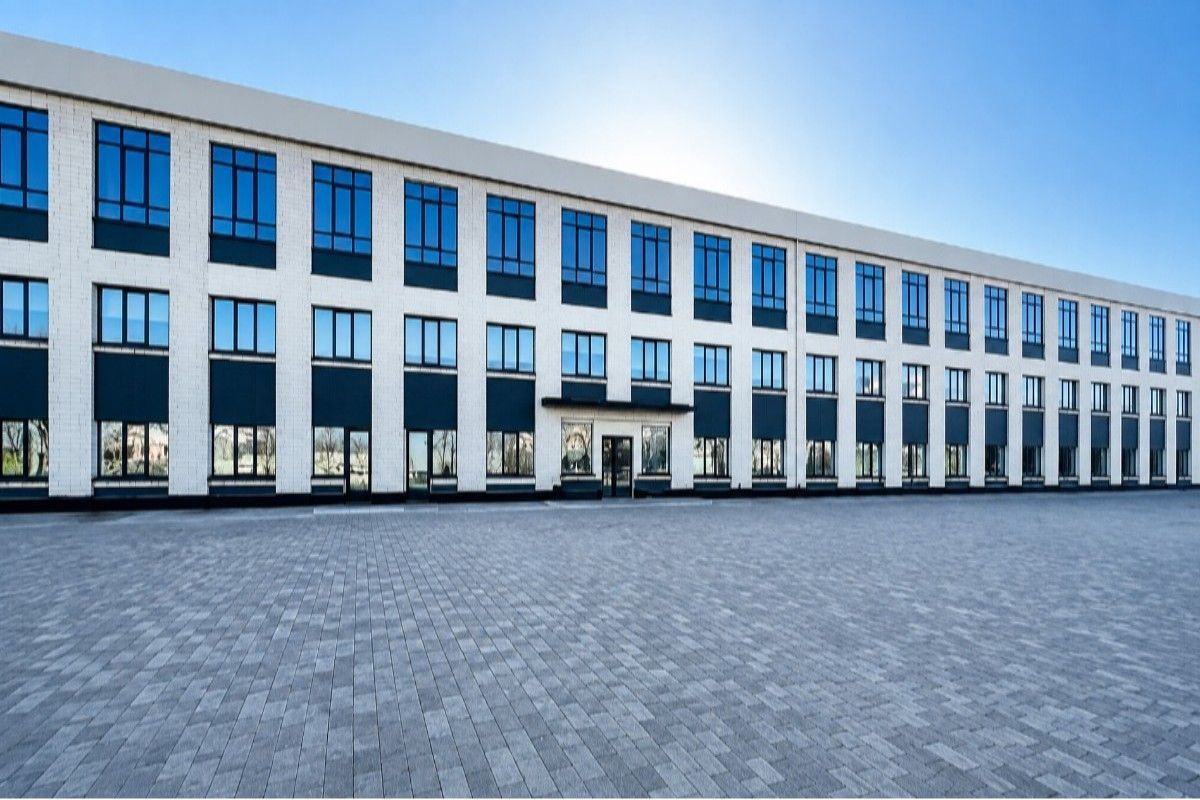
Campus Layout: The university complex is well-integrated into the urban area of Bishkek, featuring several academic and administrative blocks.
Academic Blocks: Houses modern academic blocks with spacious Lecture Halls equipped with contemporary A/V teaching aids.
Digital Classrooms: Equipped with advanced digital aids, multimedia systems, and smart boards for interactive teaching.
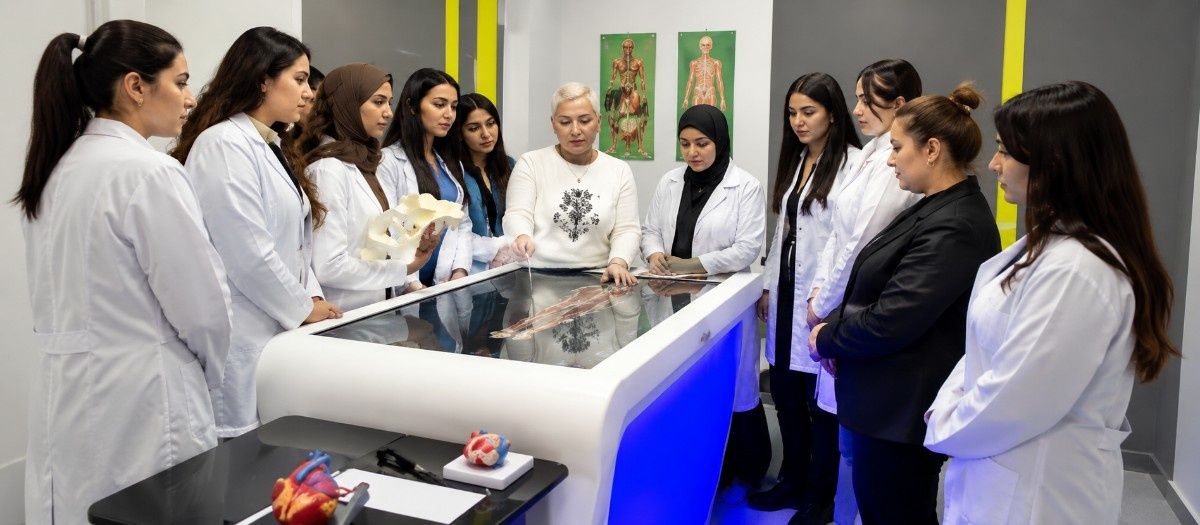
Simulation Centers: Maintains functional Clinical Skills Centers and Simulation Labs for mandatory procedural training (e.g., surgical knotting, intubation, CPR).
Anatomy Facilities: Features dedicated Anatomy Labs and dissection halls, ensuring adequate practical resources.
Departmental Labs: Extensive laboratories are provided for foundational sciences (e.g., Biochemistry, Microbiology, Pathology).
Central Library: Maintains a large, specialized Medical Library with a comprehensive collection of print and digital resources.
Digital Access: Provides institutional access to essential digital medical databases and e-journals.
Reading Halls: Provides numerous spacious reading halls with ample seating capacity for focused study.
Wi-Fi Connectivity: High-speed Wi-Fi access is provided across academic buildings and libraries.
Student Support Center: Dedicated departments handle international student affairs, visa management, and academic mentorship.
Internal Canteens: Multiple student canteens and cafeterias are available, often catering specifically to Indian cuisine.
Security: The academic areas are monitored by 24/7 security personnel and CCTV surveillance.
Heating & Utilities: Centralized utility management ensures effective heating and ventilation in all blocks.
Leading tertiary care hospital attached to the institution
Clinical exposure is rigorous, mandatory, and utilizes a network of major state clinical bases across Bishkek.
Affiliation Network: Clinical rotations are mandatory at major State and City Hospitals (CCHs) in Bishkek, as private colleges typically affiliate with public hospitals for extensive patient exposure.
Total Bed Strength: Students rotate across a collective clinical network utilizing 700+ teaching beds across affiliated bases.
Patient Load: Exposure is guaranteed to a high volume of diverse pathology in the urban referral centers of the capital city.
Training Method: Core method involves intensive bedside teaching and supervised patient interaction from the clinical years onwards.
Surgical Exposure: Significant surgical exposure is provided in affiliated hospital Operating Theatres.
Diagnostic Tools: Direct exposure and practical training using advanced imaging technologies (MRI, CT, Angiography).
Core Rotations: Structured, compulsory rotations in Internal Medicine, General Surgery, OBGYN, Pediatrics, and Traumatology.
Emergency/Trauma: Dedicated postings in high-traffic Emergency and Trauma Departments are compulsory.
Faculty Oversight: Clinical training is directly supervised by senior specialists and clinical faculty.
Language Application: Practical application of Kyrgyz/Russian language skills is mandatory during patient interaction.
State University Affordability
The financial structure is highly economical and competitive, typical of private medical universities in Kyrgyzstan.
Annual Tuition Fee: Approx. $4,000 – $6,000 USD per year.
Total 5-Year Tuition: Approx. $20,000 – $30,000 USD (total academic fee).
Payment Mode: Fees are payable annually in USD or the KGS (Kyrgyzstani Som) equivalent.
Tuition Stability: Fees are generally stable, subject to minor annual revisions by the university.
Hostel Fees (Annual): Approx. $400 – $700 USD per year (residential rent).
Mandatory Medical Insurance: Approx. $100 – $200 USD per year.
Mandatory Visa/Residency Permit Fee: Approx. $100 – $200 USD per year.
Initial Registration Fee: A small, non-refundable one-time enrollment fee is collected in the first year.
Caution Deposit (Refundable): A refundable caution deposit is collected once (amount varies).
No Capitation Fee: Absolutely no non-refundable development or capitation fees are charged.
Bishkek is the capital and largest city of Kyrgyzstan, serving as the country's economic and educational center.
General Atmosphere: Bishkek offers a relaxed, relatively modern environment, known for its Soviet-era planning, wide boulevards, and numerous parks.
Safety Profile: The city is generally regarded as safe for international students, with a manageable crime rate that requires standard urban awareness.
Student Life: Features a highly active student life due to the concentration of universities, offering affordable cafes, theaters, and social events.
Climate: Experiences a continental climate with hot summers and very cold winters (temperatures often drop below freezing).
Transportation: Local public transport (buses, minibuses/marshrutkas, and taxis) is reliable and highly affordable.
Famous Food: Local cuisine includes Lagman (noodles), Manti (dumplings), and Beshbarmak.
Indian Food Accessibility: The city has a moderate number of Indian restaurants and grocery stores catering to the significant Indian student population.
Language in Daily Life: Russian is the dominant language spoken in public, essential for daily communication.
Accommodation Areas: Students primarily reside in secure university hostels or nearby apartment complexes.
Cost of Living: The average monthly cost of living is highly economical compared to European cities.
Residential living is structured, secured, and features a highly efficient self-sufficient model.
Hostel Policy: Mandatory on-campus residency is usually required for the first year.
Accommodation Type: Rooms are located in secure, university-managed dormitory blocks.
Room Configuration: Primarily 2-seater or 3-seater shared occupancy.
Furnishings: Rooms include beds, study desks, chairs, and individual heating radiators.
Security: Hostels maintain robust 24/7 security staff presence and CCTV surveillance.
Heating System: Equipped with effective centralized heating systems (crucial for the cold climate).
Kitchen Facilities: Common, well-equipped kitchen areas are provided on each floor or wing.
Mess System (Self-Catering): The standard model is self-cooking.
Dietary Control: This allows Indian students complete adherence to specific dietary requirements (e.g., pure vegetarian).
Study Halls: Dedicated, quiet Study Halls/Reading Rooms are provided within the hostel blocks.
Admission Selection: Based on NEET UG merit and subsequent institutional screening.
No Service Bond: No mandatory service bond or financial penalty is imposed by the university or the Kyrgyz government.
Internship Requirement: Students must complete the 6-year duration (including the mandatory 1-year internship) to be eligible for the NExT exam in India.
NExT Eligibility: Graduates must successfully complete the required duration and pass the NExT to secure a license to practice in India.
Visa Requirements: Requires annual student visa and residency permit renewal coordinated through the university.
Language Requirement: Mandatory language training (Kyrgyz/Russian) is required for clinical posting eligibility.
Academic Calendar: The session typically commences in September/October.
Part-Time Work: Generally restricted on international student visas.
Age Requirement: Students must be 17 years old by December 31st of the admission year.
Postgraduate Options: Residency options are available locally.
Well-equipped Library
Experienced Faculty
Computer Lab
Sports Activities
Heritage Campus