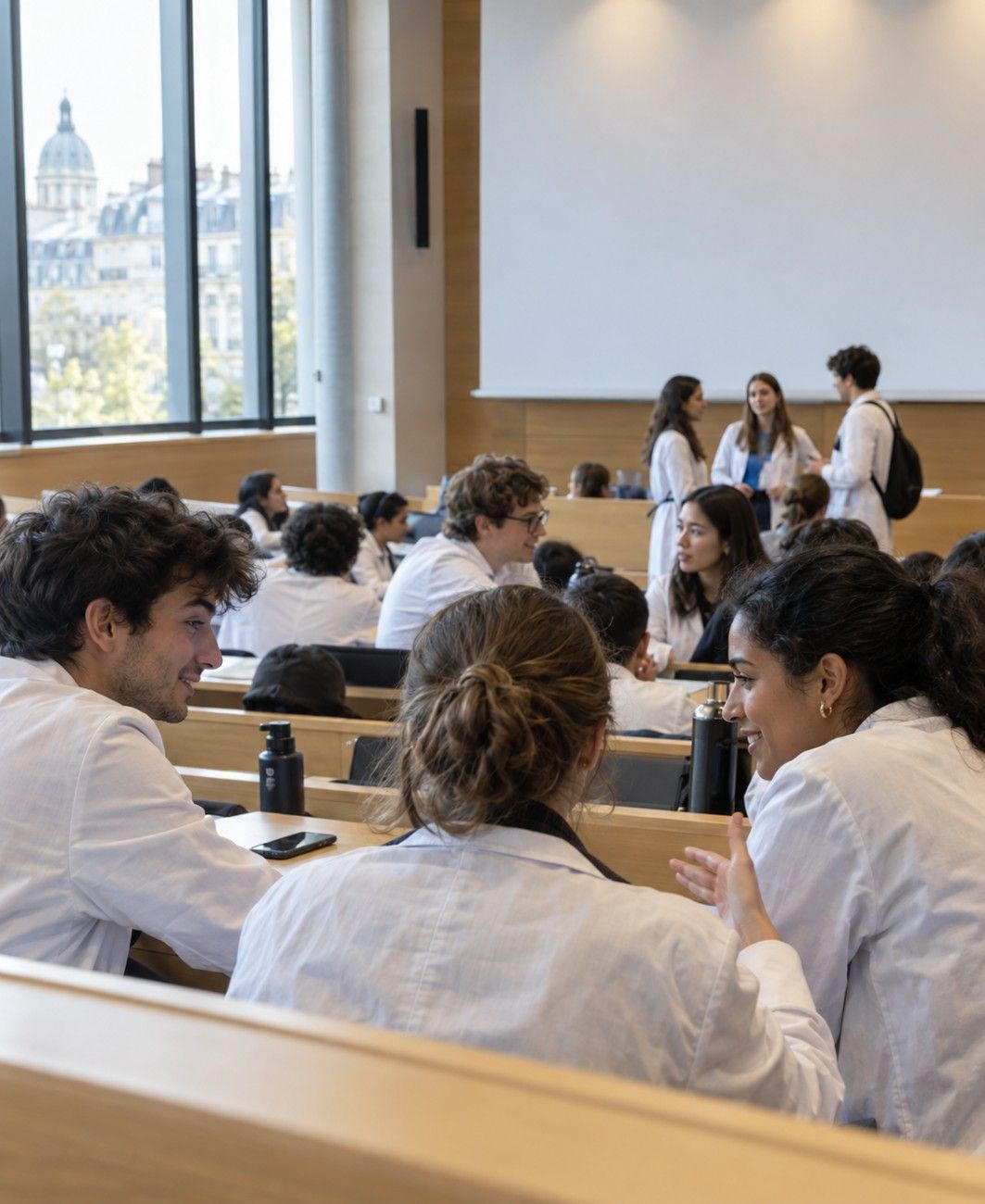
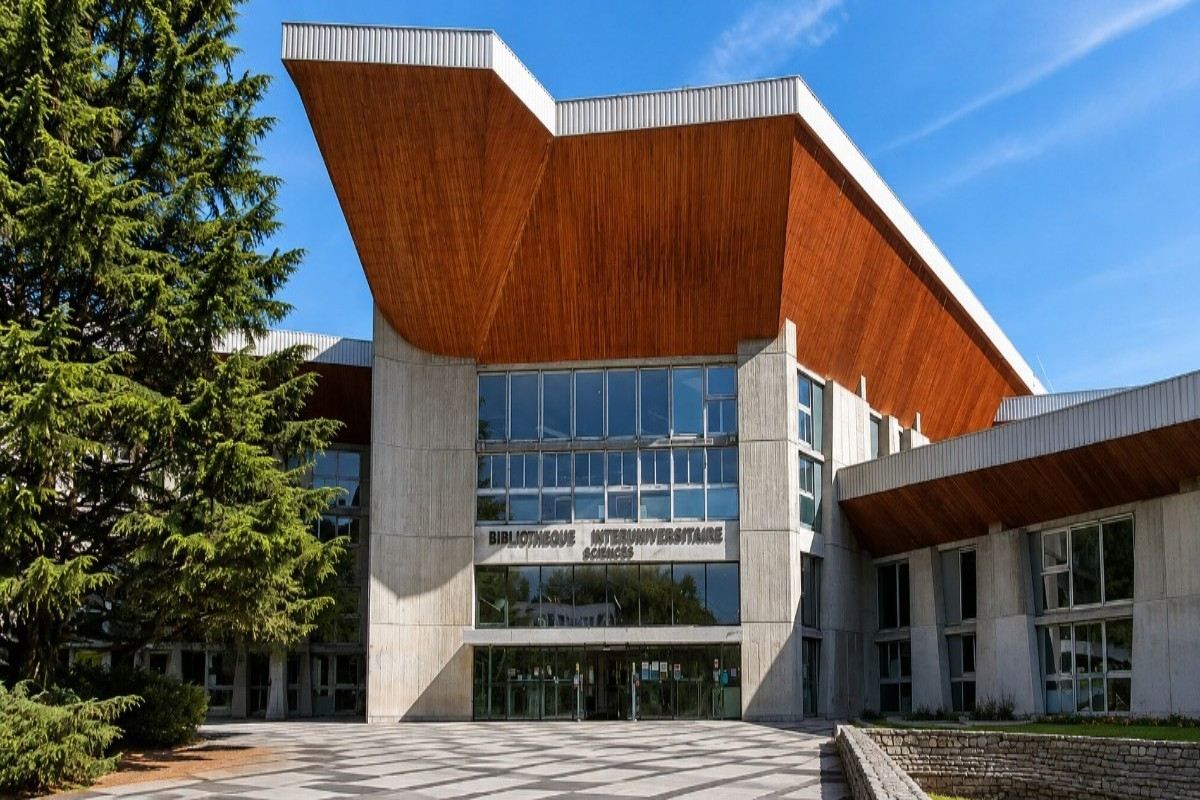
There are very few institutions in medicine where the building itself carries the weight of history. The Faculté de Santé de Sorbonne Université is one of them. Its primary teaching hospital, Pitié-Salpêtrière, started as a 17th-century asylum on the edge of Paris and became, over the following three centuries, the birthplace of modern neurology, a trauma centre that treated heads of state and Formula 1 world champions, and the home of the Paris Brain Institute — 700 researchers and clinicians working inside a hospital ward, translating basic science into treatment within the same building. That is the environment where Sorbonne's medical students rotate from their second cycle onwards.
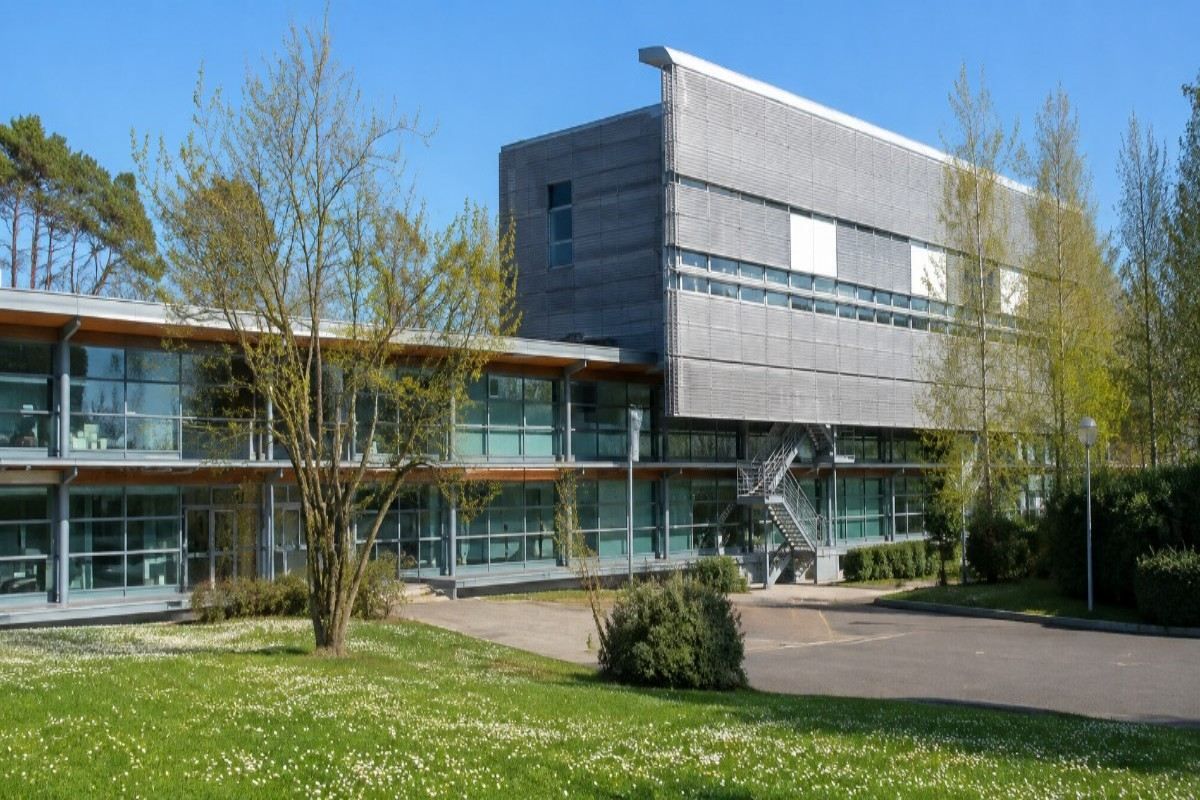
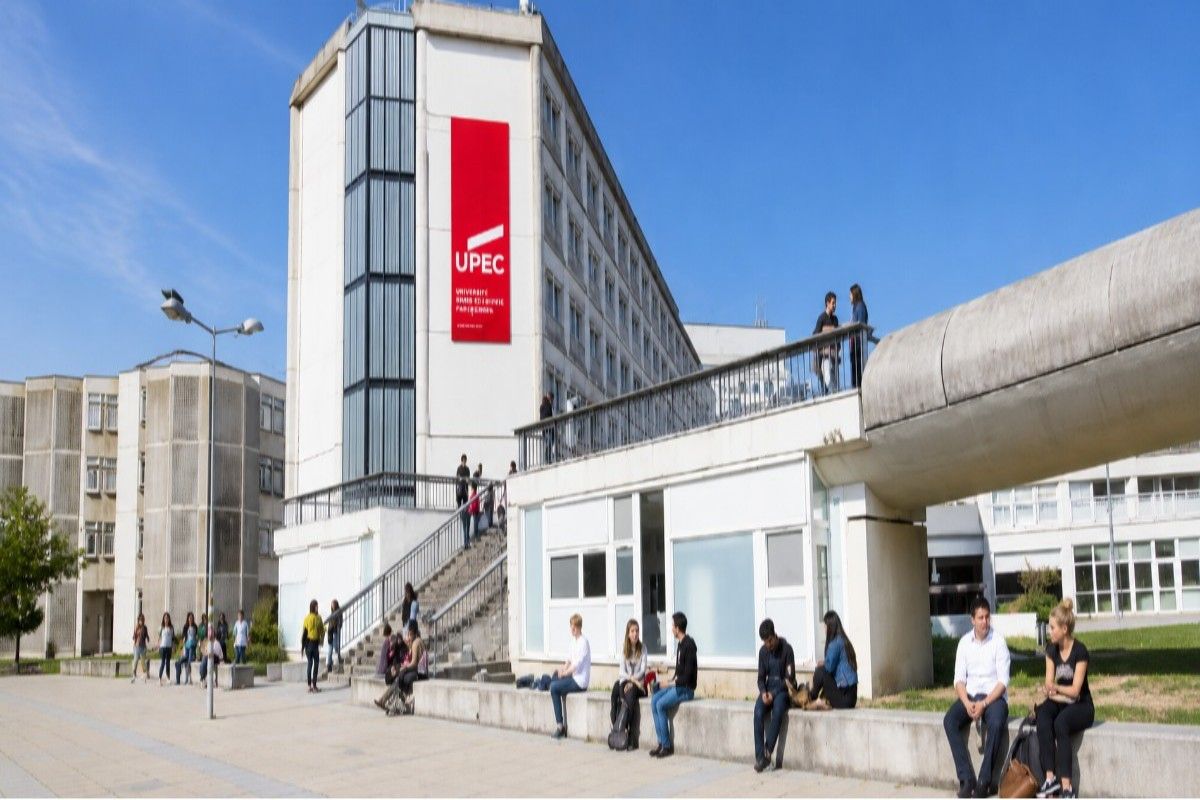
Sorbonne University itself, in its current form, was created by Presidential Decree on 1 January 2018. The merger of two of France's most distinguished institutions, Paris 6 (Pierre and Marie Curie University) and Paris 4 (Paris-Sorbonne). However, the Faculty of Health Sciences traces its medical teaching lineage much further back, to a site where Jean-Martin Charcot delivered clinical lectures in the 1870s that essentially founded clinical neurology. Today, the faculty operates across two main campuses. Pitié-Salpêtrière in the 13th arrondissement and Saint-Antoine in the 12th are affiliated with the AP-HP Sorbonne University Hospital Group, which runs seven major hospitals and the Quinze-Vingts National Ophthalmology Hospital together.
The numbers at Sorbonne give you a sense of the scale. Over 55,300 students are enrolled across the university. More than 6,400 researchers and academic staff work here. The faculty alone operates 14 joint INSERM and CNRS research units, covering neurosciences, vision science, myology, cardio-metabolic disease, haematology, immunology, cancer biology, and public health. Sorbonne graduates and faculty collectively hold 33 Nobel Prizes, 6 Fields Medals, and 1 Turing Award as of 2021. For a medical student, the practical meaning of all this is straightforward: the consultants teaching bedside clinical skills in Year 3 are often the same people publishing first-author papers in the New England Journal of Medicine or the Lancet.
What most competitor pages on Sorbonne fail to mention is how the French medical curriculum actually works — because it is meaningfully different from the MBBS model most international students are familiar with. The programme is divided into three cycles. The first cycle, which replaced the old PACES from 2020 onwards, is entered via PASS (Parcours Accès Santé Spécifique) or L. AS is integrated directly into the faculty. The second cycle covers Years 2 through 6 and is deeply hospital-integrated from Year 2: students rotate through AP-HP wards, are covered by the decree on hospital duties, and carry genuine clinical responsibilities with attending supervision. The third cycle begins from Year 7 with specialist residency training (DES/DESC), and non-EU graduates can access it through the DFMS and DFMSA pathways.
The cost question is where the Sorbonne surprises most people. Because it is a French public university, government subsidies cover the vast majority of educational costs. The annual registration fee for medical students is between EUR 170 and 380, not EUR 170-380 per semester. The real expense of studying at the Sorbonne is Paris itself: rent, food, and transport. Even so, CROUS student housing near the campus costs EUR 200–350 per month, and a student who manages their budget carefully can live comfortably on EUR 800–1,000 per month in total, which is competitive with many Indian private medical colleges' costs when the superior clinical exposure and degree recognition are factored in.
For international students, the French language requirement is the barrier that every other guide rushes past. Medical studies at the Sorbonne require a CEFRL C1 French proficiency level. That means around 600–800 hours of structured learning beyond basic conversational ability. Students who plan to start French from Class 10 or 11, take Alliance Française courses, and use the DELF/DALF pathway arrive in Paris with the language foundation already in place. Sorbonne also offers preparatory French-language programmes, and the 4EU+ European Alliance means that research and postgraduate courses in English are increasingly available to students at later stages.
Finally, the Paris Brain Institute deserves its own mention because no competitor page explains what it means to train medicine next to it. Founded in 2010 inside Pitié-Salpêtrière Hospital, ICM has over 700 researchers and clinicians, 10 core research facilities, and a 1,000 m² startup incubation space. It has been a health partner of Station F since 2017. A medical student rotating through Neurology at Pitié-Salpêtrière is not just observing clinical rounds; they are walking through the same corridors where fundamental discoveries in Parkinson's disease, ALS, and MS are actively being made. That is not a marketing sentence. It is a structural fact about what this building contains.