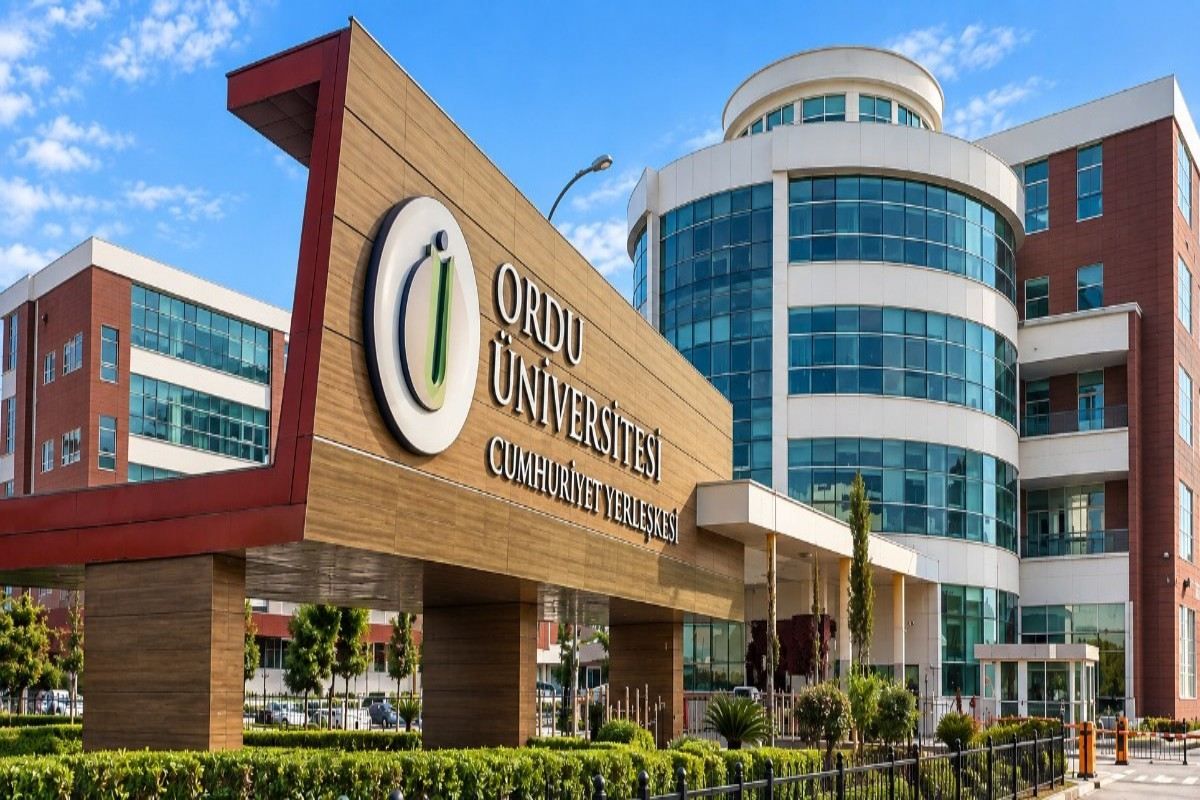
Ordu is near the Black Sea in Turkey. The province has lots of green hills and is known for its hazelnut trees and lush, wooded slopes. The coast is not at all like the beach towns in the Aegean or Mediterranean in Turkey. This is where the Faculty of Medicine at Ordu University is. Since it is so far north in Turkey, the climate is cooler and wetter than in central and southern Anatolia. This is because of the Black Sea.
The larger university is a state school in Turkey that is part of the higher education system for the whole country. It was built so that the Ordu area could have its own centre for higher education, including medical training. This way, students from this part of the Black Sea coast would not have to go to school in other parts of Turkey. One of the more well-known parts of the university is the Faculty of Medicine. This is so that the area can train its own doctors, since Ordu isn't close to Turkey's main medical school cities in the main part of the country.
Medical education at Ordu University is set up the same way it is everywhere else in Turkey, in a Tıp Fakültesi, or Faculty of Medicine. It is a six-year scheme with just one round. After starting school, students don't take a break between college and graduate school. They get their full medical degree all at once. This is the model that is taught in medical schools in Turkey and most of Europe. As a graduate, you can call yourself a doctor and take Turkey's national TUS residency test to get more specialised training. Depending on where they want to work as a doctor in the future, they can also try to get licenses in other countries.
There is a clear, step-by-step plan for the course. Biology, chemistry, anatomy, and histology are some of the basic introductory sciences that students learn in their first few years. They teach students the science they need to know in order to become doctors. As we move into the next few years, we will study applied and clinical areas like pathology, pharmacology, and general medicine. In all the big specialities, students have been doing full clinical rotations for the past few years. Students go straight to hospital rooms in their last few years to work with supervised patients in areas like internal medicine, surgery, paediatrics, obstetrics and gynaecology, and more.
Students get clinical training at the teaching hospital connected to the university in Ordu. They also go to other hospitals in the area, which are located along this part of the Black Sea coast. So, students can learn how to care for patients in a mid-sized regional hospital, which works differently than a much larger, high-volume city hospital in one of Turkey's bigger towns in terms of pace and types of cases it sees. Hazelnut growing is the main source of income in the area, and it also affects the kinds of community medicine and rural health problems that students see here. At some of Turkey's other regional medical schools, patients come from towns or just to visit. This is not like that.
For students from outside of Turkey who are interested in this school, the language used for lessons is very important. The medicine programs at Ordu University are mostly taught in Turkish because it is a public university run by the government. It needs to be checked directly whether the school has a track for international medical students that is taught only in English. This is because this information can change from year to year and isn't always the same across all of Turkey's public colleges. Students who don't speak Turkish well should make this clear right away, before they decide if this school is a good fit for them.
Foreign students usually have to go through a different process than Turkish citizens do to get into public universities in Turkey. This is separate from the main national test that Turkish citizens take. Many universities in Turkey require students from outside of Turkey to take the YÖS exam. This is a test that is only for students from outside of Turkey who want to apply. Also, students should have done well in high school science classes. Right now, you should talk to Ordu University's office for international students to find out what the exact requirements are for getting into the Faculty of Medicine. You should find out if they only accept Y-S or if they also accept other things like SAT scores.
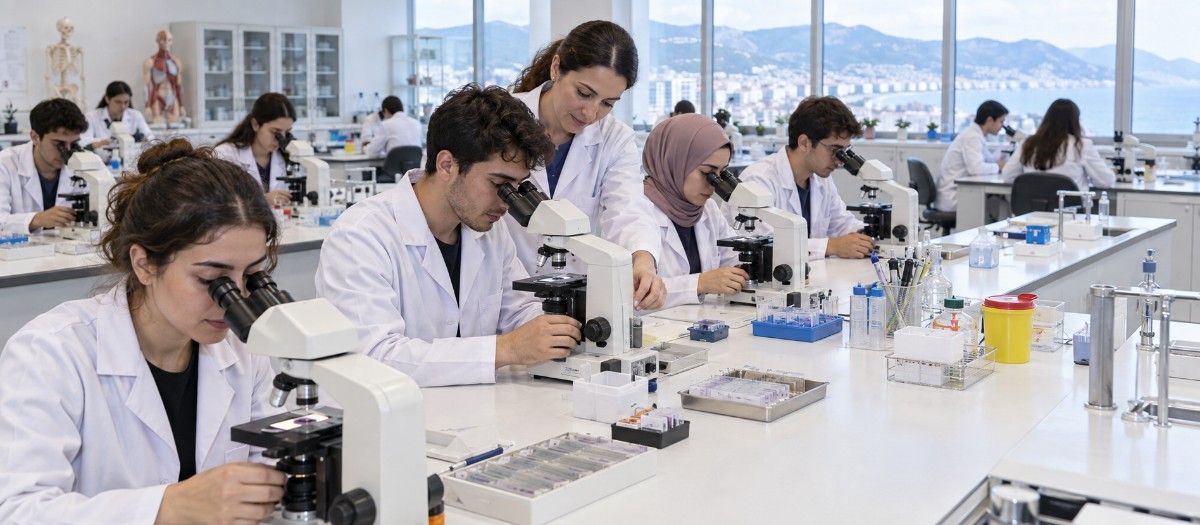
There are teaching labs, rooms for learning anatomy and clinical skills, and library resources at the medical school that are shared with the rest of the university. This is one of Turkey's newer regional state medical faculties. Like many of them, it has fairly modern buildings that were designed to meet the needs of modern medical education. Some of the country's oldest medical schools' buildings were used for this one instead.
The price at Ordu University is the same as the normal price for foreign students at public universities in Turkey. The cost of this is a lot less than the tuition at many medical schools in North America or Western Europe. It's also usually less than the cost at private colleges in Turkey. You should call the university directly to find out the exact current cost of tuition for the Faculty of Medicine. This is because the fees that foreign students pay to attend a public university in Turkey depend on their country of origin and the year they apply.
The degree is valid because it follows Turkey's national medical education system, which is run by the Higher Education Council (YÖK) and the Turkish Medical Association. If graduates want to work in other countries, they need to look into how to get a license and be recognised there. If an Indian medical student wants to go back home after graduation, they should check with the National Medical Commission to see what the rules are right now. Foreign medical graduates must pass the FMGE or NExT exam before they can work in India. It doesn't matter what country they got their medical degree from.
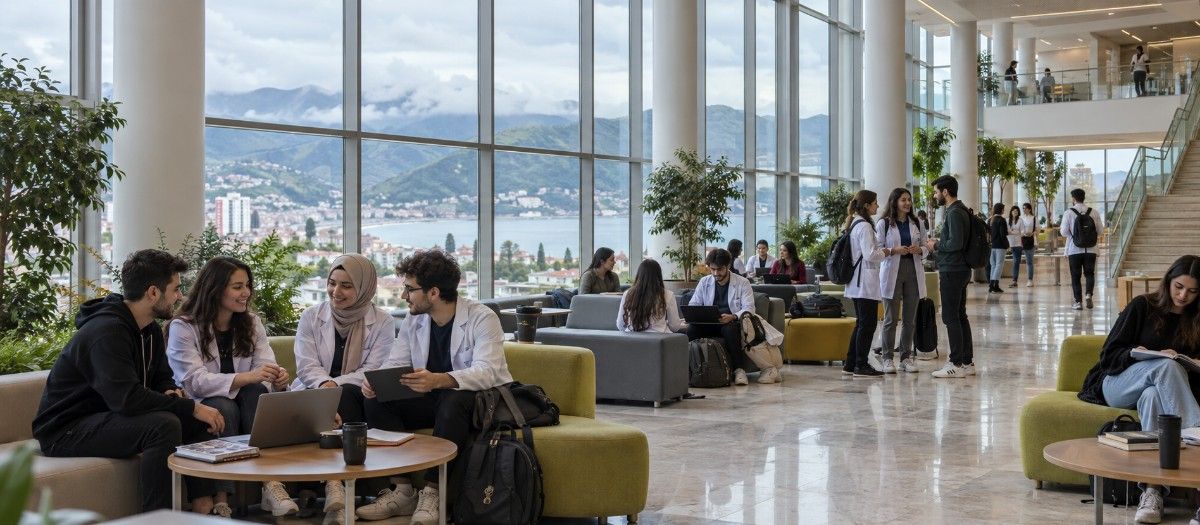
Ordu is very different from the drier and busier towns in the south and inland of Turkey. The area has green hills with forests that go down to the Black Sea. On the other hand, most of central Anatolia is dry, so this makes the area feel obviously lush and humid. The cost of living here is usually less than in Ankara or Istanbul. Also, the city is smaller, so every day is quieter and slower. This is great for medical students who want to focus more on their six-year training.
Ordu University's Faculty of Medicine is one of the few public medical schools on the Black Sea. It is open to students who want to get a medical degree in Turkey and study in a truly green, coastal northern province with its own personality. To be eligible, students must either speak Turkish very well or be able to confirm directly with the university that they can follow the right path. Because the exact fees, how to apply, and language of instruction can change from year to year, you should still get straight, up-to-date confirmation from the university's foreign office before you apply.