
1. Is the Grenoble medical faculty public?
+Yes. It is a public faculty of Université Grenoble Alpes, a French state university created in its current form in 2016 with roots going back to 1339.
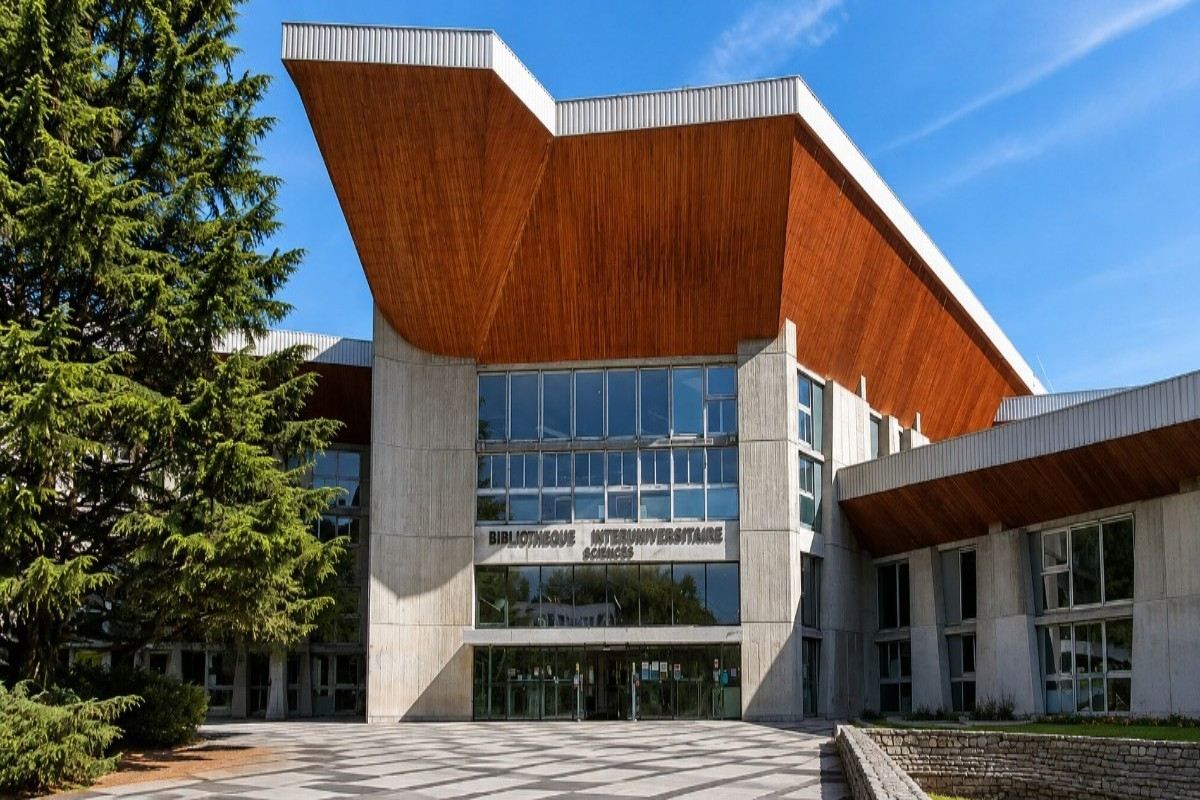
 France | Est. 1339
France | French Ministry of Higher Education and Research and Ministry of Health; WDOMS listed, school ID F0001942 | French medium
Expert will call you within 2 hours
The Faculty of Medicine of Université Grenoble Alpes is a public medical school on the Campus Santé in La Tronche, directly east of the city of Grenoble in the French Alps. It teaches and researches beside the Grenoble Alpes University Hospital, one of the leading teaching hospitals in France. The school appears in the World Directory of Medical Schools under the name Université Grenoble Alpes Facultés de Médecine et de Pharmacie with school ID F0001942. It delivers the French state medical curriculum and admits international students who meet the language and selection requirements.
Université Grenoble Alpes carries one of the oldest university histories in Europe. The university traces its foundation to 1339, and medical teaching in Grenoble began in the centuries that followed. The modern medical faculty developed inside the University of Grenoble, later named Université Joseph Fourier, and became part of Université Grenoble Alpes when the city's universities merged in 2016. That merger created one of the largest research universities in France, with roughly 60,000 students across all components and a confirmed position in the world's leading rankings: number 334 in the QS World University Rankings 2026 and the 351-400 band in the Times Higher Education World University Rankings 2026.
The medical program follows the national French structure. Your first year is the competitive PASS (Parcours Accès Spécifique Santé) at the health campus or a LAS degree with a health option on another Grenoble campus. A capped number of students pass into the second year of medicine. Years two and three cover the scientific base of medicine and end with the DFGSM, the general medical sciences diploma. Years four to six form the DFASM, the advanced diploma that WDOMS records as the six-year qualification. During the DFASM you train full time in hospital departments as an externe. After year six you sit the EDN, the national computer-based ranking examination, and your rank fixes your choice of specialty and internship city. The State Diploma of Doctor of Medicine follows the internship years and a defended thesis.
Instruction is in French only. There is no English-taught medical track at Grenoble or at any other French public medical school. You must show certified French at B2 level at minimum, and you will need functional clinical French well above that level to survive ward work and the national examinations. If you apply from outside the European Union, you file through the Études en France platform run by Campus France, using the DAP procedure for first-year entry.
Clinical training happens at the CHU Grenoble Alpes, which stands on the same La Tronche site as the faculty. The hospital is a full-spectrum university hospital with national reference services in areas such as emergency and mountain medicine, neurosciences, oncology and cardiology. Its location in the Alps gives it unusual depth in trauma, sports medicine and altitude-related physiology. As an externe you rotate through medical and surgical departments, join ward rounds, perform supervised procedures and take part in on-call duties. The faculty's simulation facilities let you rehearse technical gestures and emergency scenarios before you face them in the hospital.
Research is where Grenoble separates itself from most French medical schools. Grenoble is one of Europe's great science cities. Within a short distance of the medical campus you find the European Synchrotron Radiation Facility, the Institut Laue-Langevin, an EMBL site and major CEA laboratories. The medical faculty plugs directly into this ecosystem. Its laboratories work on neurosciences, medical imaging, medical robotics, oncology and digital health, often in joint units with Inserm, the CNRS and the CEA. Grenoble pioneered developments in image-guided and robotic surgery, and that culture of engineering applied to medicine still shapes the faculty. If you want to combine medicine with research or technology, few public universities in Europe offer this density of partners.
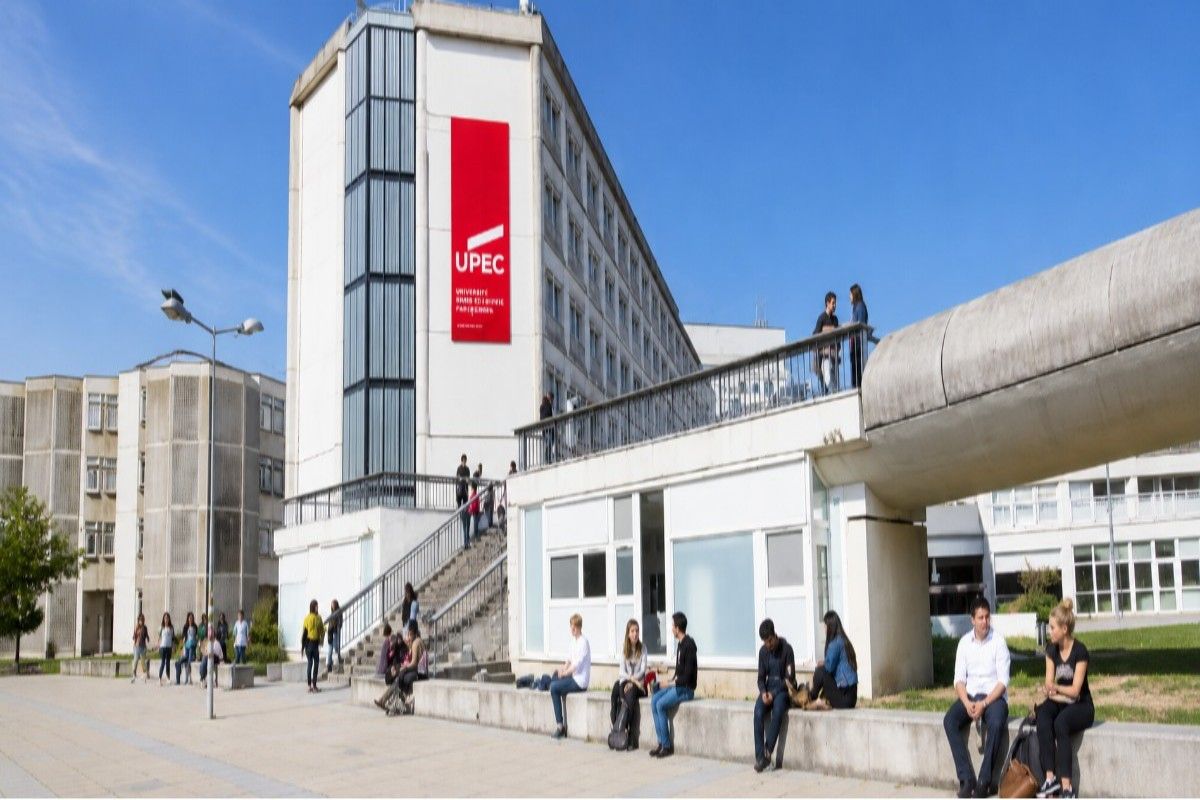
The facilities on the Campus Santé serve both teaching and research. The faculty building holds lecture theatres, anatomy and dissection laboratories, skills rooms and a health sciences library, all within walking distance of the hospital wards. Senior students run a tutorat program that drills first-year students for the competitive examinations, and the Maison des Étudiants on the main Grenoble campus anchors student services, associations and events.
Student life in Grenoble has a distinct character. The city sits in a bowl surrounded by three Alpine massifs: Belledonne, Chartreuse and Vercors. Ski resorts, climbing sites and hiking trails start less than an hour from the campus. Grenoble is one of the youngest cities in France by population profile, with students making up a large share of residents, and it regularly ranks among the best French student cities for quality of life. Living costs stay moderate for France: CROUS public residences rent rooms and studios at controlled rates, and the tram network connects the La Tronche health campus to the city centre in minutes.
The fee structure follows the French public model. National tuition is about 178 euros per year at licence level and about 254 euros per year at master level, plus the CVEC student contribution of about 105 euros. Non-EU students are in principle liable for differentiated fees, but Université Grenoble Alpes has adopted an explicit policy of welcoming international students without the surcharge in most of its programs. You request the exemption through a simple form during your application or before registration. The university has announced a transition year in 2026-2027 under a new national decree, so you should confirm the exemption terms for your intake on the official site before you apply.
The same warning applies here as for every French public medical school, and it matters most for Indian applicants. India's NMC rules for foreign medical graduates require a program taught in English. The Grenoble program is taught in French, so it does not fit the current NMC framework for returning to register in India. This school suits you if your goal is to practise in France, elsewhere in the European Union, Canada or another jurisdiction that accepts the French state diploma. Qualify NEET before you leave India in any case, but plan your career outside the Indian licensing track.
For a student with strong French and a competitive mindset, the Faculty of Medicine at Université Grenoble Alpes offers a rare combination: a top-350 world university, a major Alpine teaching hospital on the same site, direct access to one of Europe's densest research environments, and public tuition of a few hundred euros per year. The selection is demanding, but the reward is a state medical degree from a university with nearly seven centuries of history.
No hidden charges, no donation. The full picture of costs at MBBS in Universite Grenoble Alpes Faculty of Medicine.
Tuition Fee
(EUR) $24,760
EUR 178-254 per year policy (USD 190-275 / INR 16,900-24,300)
Hostel Fee
EUR 250-450 per month (USD 270-485 / INR 23,800-42,800)
EUR 250-450 per month (USD 270-485 / INR 23,800-42,800)
Food & Meals
€300 per month
per month
Insurance
€150–€550 per year
per year
Donation
No Donation
No Hideen Fees
Total Estimated Cost
€54,000–€85,000
6 years
25–35%
Average FMGE first-attempt pass rates for students from many overseas medical universities. Students from structured programs consistently score higher.
Students returning to India need to clear the FMGE/NExT exam. MBBS in Universite Grenoble Alpes Faculty of Medicine integrates exam-oriented coaching into the regular curriculum so students are prepared from day one.
A structured program that takes you from foundational sciences to clinical mastery.
studied in direct competition with the first-year cohort. Your final rank decides entry into the second year of medicine
Anatomy, cell biology, biochemistry, physiology, biophysics, chemistry and public health
with the first semiology teaching and short hospital placements
Systematic anatomy, physiology, immunology, microbiology, pharmacology and pathology,
The year closes with the DFGSM diploma, ending the general phase of medical studies
Advanced pathology, clinical semiology and introductory rotations at the CHU Grenoble Alpes
You join ward teams and take supervised responsibility for patient care
Full-time hospital rotations begin across internal medicine, surgery and general practice
including exposure to Grenoble's reference services in trauma and mountain medicine
Paediatrics, gynaecology and obstetrics, psychiatry, emergency medicine and specialty rotations
Your EDN rank determines your specialty and internship city, and the DFASM is awarded at the end of the year
Final and elective rotations plus preparation for the national computer-based ranking examination
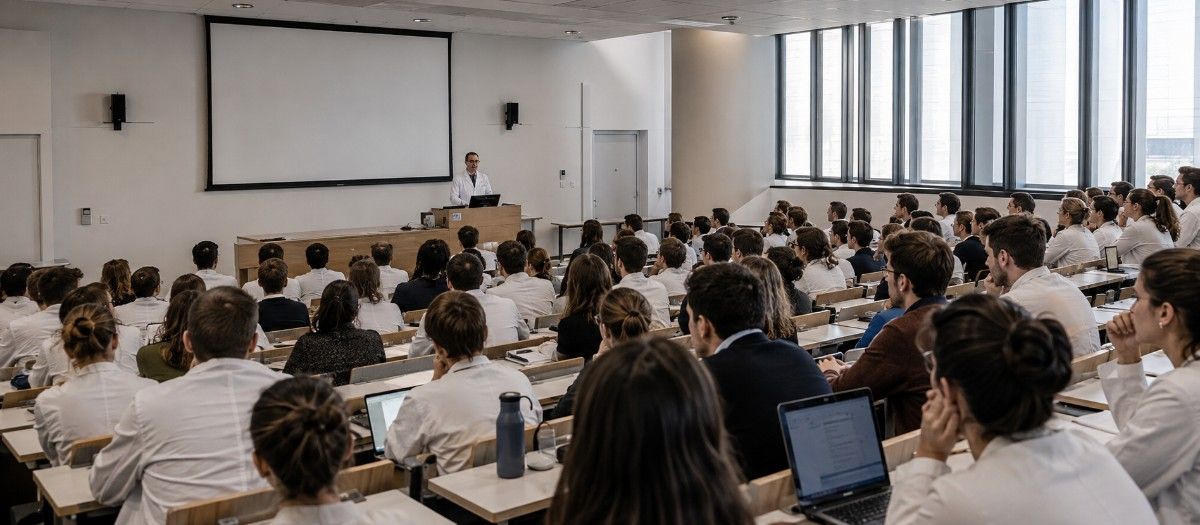

Furnished hostel rooms with Wi-Fi, laundry, 24/7 security, and Indian mess on or near campus.
Indian restaurants and mess facilities serving vegetarian and non-vegetarian home-style food daily.
Strong Indian community with cultural events, festival celebrations, and peer support groups.
Students get hands-on clinical training in government and private hospitals affiliated with the university.
Practical information for students planning to study at MBBS in Universite Grenoble Alpes Faculty of Medicine.
Prepare for all seasons. Thermal wear for winters, light clothing for summers. University provides heating in hostels.
Student visa processed with university invitation letter. Direct and connecting flights from major Indian cities.
Health insurance included in fees. Medical facility on campus plus city hospitals easily accessible.
Local SIM cards available. WhatsApp and video calls keep you connected with family back home.
Average monthly expenses of $150–$250 covering food, transport, and personal needs.
University library, online databases, and study groups. Seniors mentor juniors through academic challenges.
Our team guides you through every step — from application to arriving on campus.
Compare on post-reform fees, city cost of living, QS ranking, and, specifically for France, the FMGL language-of-instruction question, not on rankings or advertised low fees alone.
Start DELF/TCF B2 preparation 12–18 months before your intended application. This is the step every other MBBS-abroad admission process skips, and it’s the one that determines whether the rest of this process even works for you.
Submit academic transcripts, NEET scorecard, DELF/TCF certificate, SOP, and LORs through the appropriate platform for your intended program level.
Complete the mandatory Campus France file and interview, a genuine assessment of academic and linguistic readiness, not a rubber-stamp step.
The university’s international admissions office verifies submitted documents and, where relevant, PASS/L AS eligibility
Timelines vary by platform; Parcoursup decisions for a September intake typically arrive in phases between May and July.
Apply at the French Consulate covering your region after a successful Campus France interview; the realistic processing time is 2–4 weeks.
In the final 30 days: finalise documents, arrange winter clothing, book flights, arrange currency exchange, and confirm CROUS or private housing in writing.
Complete OFII registration within the first months of arrival to validate your long-stay visa as a residence permit. Universities generally guide incoming batches through this during orientation.
Open a French bank account, get a local SIM, register for CAF housing assistance if eligible, attend orientation sessions, and begin building your study routine and connections with the local Indian student community.
Admission Helpline — Contact our counsellors for step-by-step assistance.
“The faculty here is incredibly supportive. The clinical training during hospital rotations has given me real confidence in patient care.”
“Affordable fees without compromising on quality. The campus facilities and hostel life made my transition abroad very smooth.”
“English medium instruction and WHO-recognized curriculum were the deciding factors for me. No regrets so far — excellent experience overall.”
“The university helped with everything from visa to accommodation. Hospital exposure from year three has been invaluable for my FMGE prep.”
“Just cleared my licensing exam on the first attempt. The structured coaching and mock exams during final year were a game-changer.”
“Safe campus, good food options, and a strong Indian student community. The teaching methodology is very practical and hands-on.”
Yes. It is a public faculty of Université Grenoble Alpes, a French state university created in its current form in 2016 with roots going back to 1339.
? No. The entire curriculum, all examinations and all hospital training run in French.
It is listed as Université Grenoble Alpes Facultés de Médecine et de Pharmacie, school ID F0001942
? UGA's policy exempts most international students from differentiated fees, so you pay national rates of about EUR 178-254 per year plus the CVEC of about EUR 105. Confirm the terms for your intake, as rules are in transition for 2026-2027
Through the Études en France platform (Campus France) using the DAP procedure, with certified French at B2 or higher
Six years to the DFASM, then three to five years of internship before the State Diploma of Doctor of Medicine
? Not under the current NMC rules, which require an English-medium program. Plan for practice in France, the EU, Canada or similar jurisdictions, and qualify NEET before leaving India regardless
Most take CROUS residences at roughly EUR 250-450 per month; the health campus connects to the city by tram
Very. The PASS/LAS first year admits a capped number of students into year two, and Grenoble's reputation makes the competition strong.
You get a higher-ranked university than most French medical schools, a major teaching hospital on campus, unmatched access to big-science research institutes, and Alpine living at moderate cost
Our expert counsellors will guide you through the complete admission process — from documents to airport pickup.