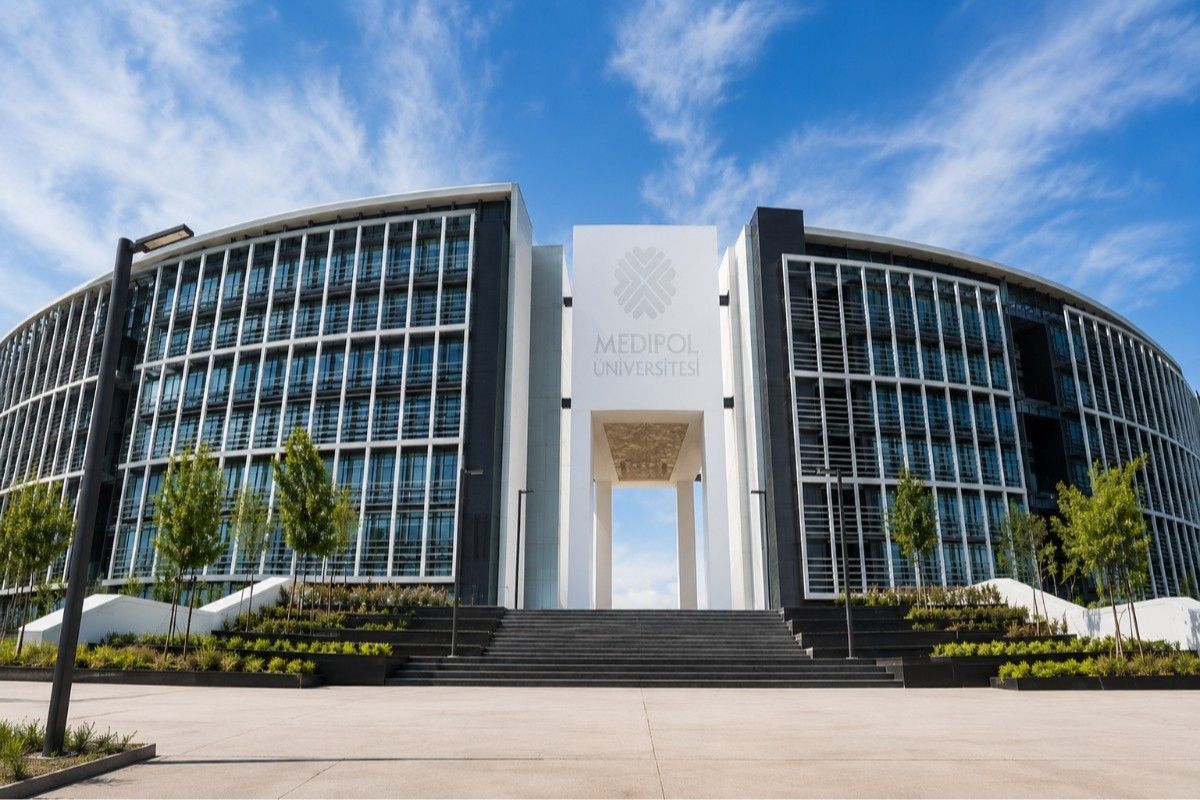
Istanbul Medipol University School of Medicine is one of Turkey's leading private medical schools, recognised for its modern curriculum, advanced healthcare infrastructure, internationally oriented education, and strong emphasis on clinical excellence and biomedical research. Located in Istanbul, the university has rapidly established itself as one of the country's most respected institutions for medical education by combining innovative teaching methods with state-of-the-art healthcare facilities and extensive clinical exposure.
Established in 2009 by the Turkish Education, Health and Research Foundation (TESA), Istanbul Medipol University has experienced remarkable growth over the past decade. Today, it is recognised as one of Turkey's largest foundation universities, attracting students from more than 100 countries. The School of Medicine has become particularly popular among international students due to its modern educational approach, internationally recognised degree programmes, technologically advanced teaching hospitals, and multicultural learning environment.
The six-year Doctor of Medicine (MD) programme is designed to prepare future physicians with comprehensive scientific knowledge, advanced clinical skills, professional ethics, leadership abilities, and research competence. The curriculum follows international medical education standards while integrating evidence-based medicine, digital healthcare, interdisciplinary collaboration, patient-centred care, and scientific innovation throughout all six years of study.
Medical education begins with an intensive foundation in biomedical sciences. During the pre-clinical years, students study anatomy, physiology, biochemistry, histology, embryology, molecular biology, genetics, pathology, microbiology, immunology, pharmacology, behavioural sciences, epidemiology, and medical ethics. These subjects establish a comprehensive understanding of human biology and disease mechanisms while preparing students for subsequent clinical training.
The university adopts an integrated, student-centred educational model that combines traditional lectures with anatomy dissections, laboratory practicals, simulation-based learning, problem-based learning (PBL), team-based learning, small-group discussions, clinical case analysis, and digital educational technologies. Students are encouraged to develop critical thinking, diagnostic reasoning, communication skills, teamwork, and lifelong learning habits alongside their medical knowledge.
One of Medipol University's greatest strengths is its early clinical exposure. Students begin interacting with patients during the initial years of medical education through structured clinical skills training, communication workshops, physical examination sessions, and supervised hospital observations. This progressive approach enables students to build confidence before entering advanced clinical rotations.
Clinical education is conducted primarily at Medipol Mega University Hospital, one of the largest and most technologically advanced private university hospitals in Turkey. The hospital complex consists of multiple specialised hospitals, including general medicine, cardiovascular surgery, oncology, dentistry, and teaching hospitals, providing comprehensive exposure across nearly every medical specialty.
Students complete clinical rotations in internal medicine, general surgery, paediatrics, obstetrics and gynaecology, psychiatry, cardiology, neurology, orthopaedics, emergency medicine, anaesthesiology, ophthalmology, dermatology, radiology, infectious diseases, endocrinology, nephrology, gastroenterology, pulmonology, oncology, family medicine, rehabilitation medicine, intensive care, and numerous elective specialties. Under close supervision, students actively participate in patient assessments, ward rounds, outpatient clinics, emergency care, multidisciplinary discussions, and surgical procedures.
Medipol Mega University Hospital is equipped with advanced diagnostic imaging technologies, robotic surgery systems, hybrid operating theatres, transplant units, precision oncology centres, neonatal intensive care units, specialised cardiovascular institutes, minimally invasive surgical facilities, and comprehensive simulation laboratories. Students receive practical training using contemporary medical technologies that reflect modern international healthcare practices.
Biomedical research represents another important pillar of the university's academic mission. Faculty members conduct research across diverse disciplines including neuroscience, cardiovascular medicine, oncology, molecular biology, genetics, immunology, regenerative medicine, stem cell biology, tissue engineering, artificial intelligence in medicine, pharmaceutical sciences, nanotechnology, infectious diseases, transplantation, endocrinology, public health, and precision medicine. Numerous research centres and laboratories support interdisciplinary scientific collaboration between clinicians, researchers, and students.
Medical students are encouraged to participate in research throughout their education. Opportunities include faculty-supervised research projects, laboratory placements, student scientific societies, innovation competitions, research conferences, international collaborations, and scientific publications. These experiences strengthen students' analytical skills while preparing them for careers in academic medicine, biotechnology, healthcare innovation, and biomedical sciences.
Internationalisation is central to Medipol University's vision. The university maintains partnerships with universities, hospitals, and research institutions across Europe, North America, Asia, and the Middle East. Student exchange programmes, Erasmus+ initiatives, international electives, collaborative research projects, and visiting faculty programmes provide students with valuable global exposure while broadening their understanding of diverse healthcare systems.
The curriculum follows European Higher Education Area principles while incorporating contemporary healthcare topics such as digital medicine, healthcare management, patient safety, personalised medicine, bioethics, preventive medicine, interdisciplinary collaboration, evidence-based clinical decision-making, and lifelong professional development. This ensures graduates remain well prepared for modern clinical practice and future developments in medicine.
Simulation-based education is extensively integrated throughout the programme. High-fidelity simulation centres allow students to practise emergency procedures, advanced life support, surgical techniques, communication skills, teamwork, and complex clinical scenarios within a safe learning environment before treating real patients. These facilities significantly enhance clinical competence while improving patient safety.
Student life at Istanbul Medipol University offers a vibrant multicultural environment supported by numerous academic clubs, research organisations, cultural societies, sports facilities, international student associations, volunteer programmes, innovation centres, entrepreneurship initiatives, and leadership development activities. Students participate in scientific congresses, health awareness campaigns, community outreach programmes, and international competitions that complement their academic education.
Situated in Istanbul, students benefit from living in one of the world's most dynamic and culturally diverse cities. Istanbul provides excellent transportation, international connectivity, modern healthcare facilities, museums, historical landmarks, business opportunities, research institutes, shopping districts, and an active student lifestyle. Its strategic location between Europe and Asia further enhances international academic and professional opportunities.
The university provides comprehensive student support services including academic advising, career counselling, psychological support, international student services, accommodation assistance, language support, digital libraries, sports facilities, and wellbeing programmes. These services contribute significantly to students' academic success and personal development throughout their medical education.
Graduates of Istanbul Medipol University School of Medicine are recognised for their strong clinical competence, technological proficiency, research experience, and international outlook. Many continue into competitive residency programmes, specialist medical training, doctoral research, academic medicine, healthcare management, biotechnology industries, and international healthcare organisations.
Today, Istanbul Medipol University continues to strengthen its position among Turkey's leading medical universities through continuous investment in medical education, advanced clinical infrastructure, biomedical research, healthcare innovation, and international collaboration. Its commitment to excellence prepares graduates to become highly competent physicians capable of addressing the evolving healthcare needs of patients worldwide.