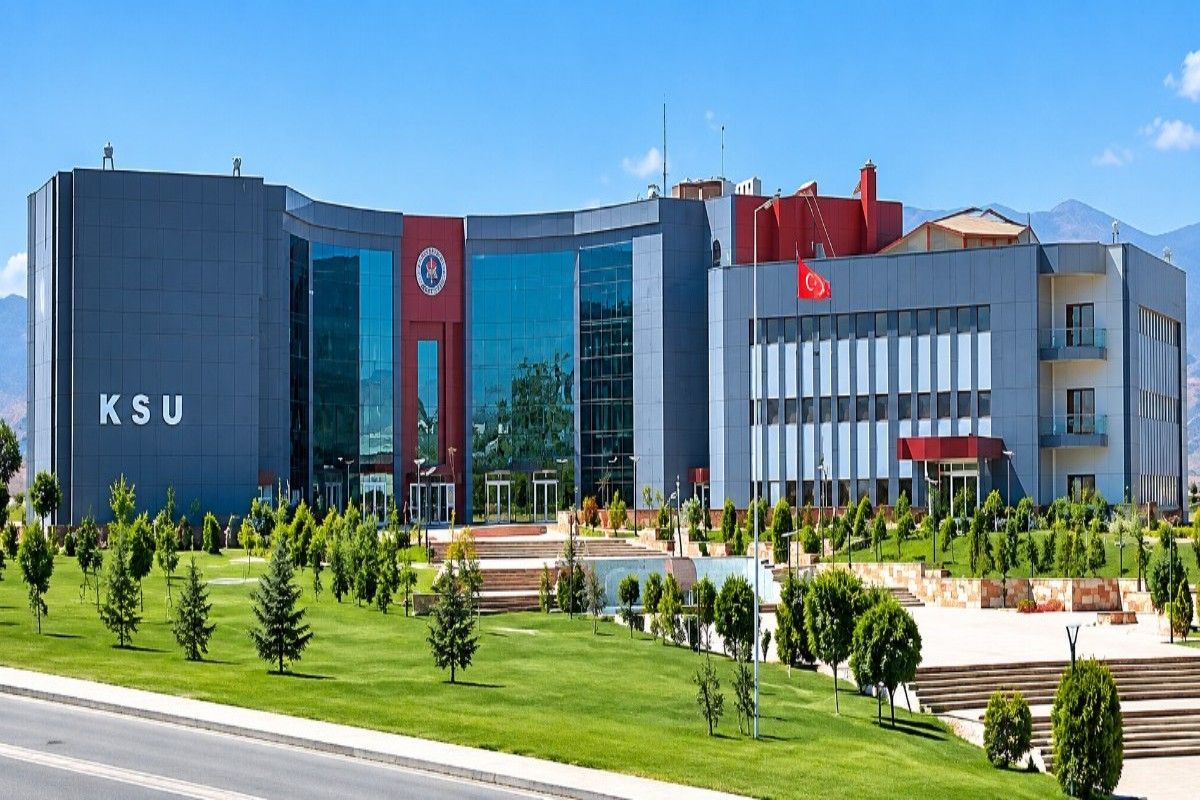
People mostly just call it Kastamonu University for short. It is a Turkish state university, based in Kastamonu, a historic city in Turkey's own Black Sea region, comprising 27 different faculties across a genuinely broad academic scope.
Here is genuinely current, specific, and directly sourced admissions data worth knowing in full. Per Turkey's own 2025 YKS national placement results, cross-confirmed across multiple independent sources, Medicine holds Kastamonu University's own highest base admission score, Taban Puan, at 478.79607, with a corresponding success ranking, Başarı Sıralaması, of 23,089. Here is a genuinely important nuance worth presenting precisely rather than glossing over. In 2024, Medicine held both the university's own highest base score and its single best success ranking simultaneously. In 2025, however, while Medicine retained the highest base score, a separate programme, Special Education Teaching, achieved an even stronger overall success ranking of 10,008 that same year, meaning Medicine remains the university's own most demanding programme by base score specifically, though not necessarily the single best-ranked programme university-wide by every metric in the most recent placement cycle.
This genuine, dated shift between 2024 and 2025 is worth knowing about directly, since it reflects a real, measurable change in Kastamonu University's own wider admissions landscape, rather than a static, unchanging picture. Applicants comparing Medicine against other Kastamonu University programmes should weigh both metrics, base score and success ranking, together, rather than relying on either alone.
Kastamonu University's own wider academic structure spans 27 faculties, reflecting a genuinely broad range of disciplines beyond Medicine specifically. The university is a public, state-run institution, with admission governed by Turkey's own centralised YKS national placement system, incorporating both initial and additional placement rounds each year.
As with other Turkish public universities covered in comparable guides, NEET remains a genuine requirement for Indian applicants pursuing medical study in Turkey generally, and Indian graduates would still need to clear the FMGE or NExT exam to practise medicine back in India, though applicants should confirm Kastamonu University's own specific Faculty of Medicine admission policies and current language of instruction directly.
Kastamonu itself is a genuinely historic city within Turkey's own Black Sea region, known for its Ottoman-era architecture and traditional wooden houses, giving the wider city a real, distinctive cultural character quite different from Turkey's larger, more purely modern metropolitan centres. This setting gives students at Kastamonu University a genuinely different backdrop from studying medicine in one of Turkey's more commonly covered coastal or capital cities.
Given how genuinely specific and honestly presented Kastamonu's own year-over-year admissions nuance actually is, applicants get a considerably more accurate, concrete picture here than the generic "top-ranked programme" framing many comparable Turkish medical faculties rely on without qualification. This genuine precision, combined with the real, practical need to confirm current tuition, founding history, and language-of-instruction details directly, gives Kastamonu's Faculty of Medicine a distinctive profile worth understanding fully before applying.
Fee figures here represent a genuine information gap worth being upfront about, since a specific, confirmed Medicine-only tuition rate was not found across the sources reviewed; reasonable, clearly labelled estimates are provided below so applicants have usable figures.
Cost Item | Amount | Notes |
Tuition Fee (estimated, general Turkish public-university reference) | Approx. USD 1,500-3,000/year | Not confirmed as Kastamonu-specific; estimated from Turkey's general public-university Medicine tuition band. Confirm directly with the university |
Hostel/Accommodation Fee (estimated) | Approx. USD 500-1,200/year (state KYK dormitory) or USD 1,000-2,000/year (private housing) | Not separately confirmed for Kastamonu University specifically; estimated from typical Turkish state-university dormitory and private housing rates |
Health Insurance (estimated) | Approx. USD 150-300/year | International students in Turkey generally require SGK or private health insurance; confirm current cost directly with the university |
Food/Meal Expenses (estimated) | Approx. USD 100-200/month | A general estimate for food and daily living costs; Kastamonu is a genuinely affordable, smaller Turkish city |
Books, Supplies, and Miscellaneous (estimated) | Approx. USD 200-400/year | A general estimate for textbooks and basic study materials |
Total 6-Year Estimate (tuition + hostel + insurance, low end) | Approx. USD 13,000-22,000 | A combined estimate based on the ranges above; genuinely approximate, and should be confirmed directly with the university |
Note: as a Turkish state university, Kastamonu's own fees are typically considerably lower than at Turkey's foundation (private) universities. Request the university's own current, official, Medicine-specific fee schedule directly before finalising a budget.
Why Kastamonu Deserves a Harder Look, and a More Careful One
Most lists mention Kastamonu University's Faculty of Medicine only briefly, without addressing how genuinely, measurably its own admissions standing shifted between 2024 and 2025, or presenting the specific nuance between base score and success ranking. However, they do not explain these specific issues directly. The reason is simple. It is about a real, dated shift in the university's own admissions landscape most guides skip entirely.
Kastamonu's Faculty of Medicine is not like most other departments at this university when it comes to how its own admissions position has genuinely changed over time. In fact, in 2024, Medicine held both the highest base score and the best success ranking simultaneously. In 2025, however, a different programme, Special Education Teaching, specifically achieved a stronger overall success ranking, even as Medicine retained the university's own highest base score. Furthermore, this genuine, measurable shift deserves honest, direct acknowledgement, rather than a simplified claim that Medicine remains unambiguously the university's own top programme by every metric.
The distinction between base score and success ranking also matters more than most guides let on. For example, most guides describing a Turkish university's own most competitive programme conflate these two, genuinely different metrics. At Kastamonu specifically, presenting both separately, rather than picking whichever makes for a cleaner headline, gives applicants a genuinely more accurate, honest picture of how the university's own admissions landscape actually works.
One thing most other blogs miss is how genuinely well cross-corroborated Kastamonu's own reported 2025 Medicine figures actually are. In addition to standard due diligence, the base score of 478.79607 and success ranking of 23,089 are consistently confirmed across multiple independent Turkish sources. Since this level of cross-source agreement is considerably rarer than at some comparable Turkish universities with wildly conflicting figures, applicants get a genuinely more reliable admissions picture here, even amid the genuine year-over-year nuance identified.