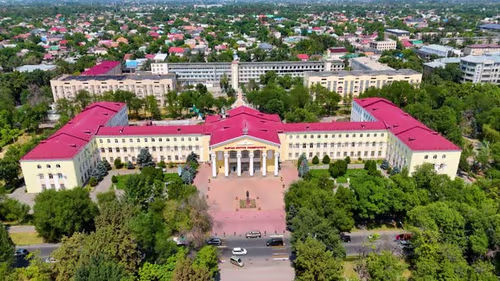
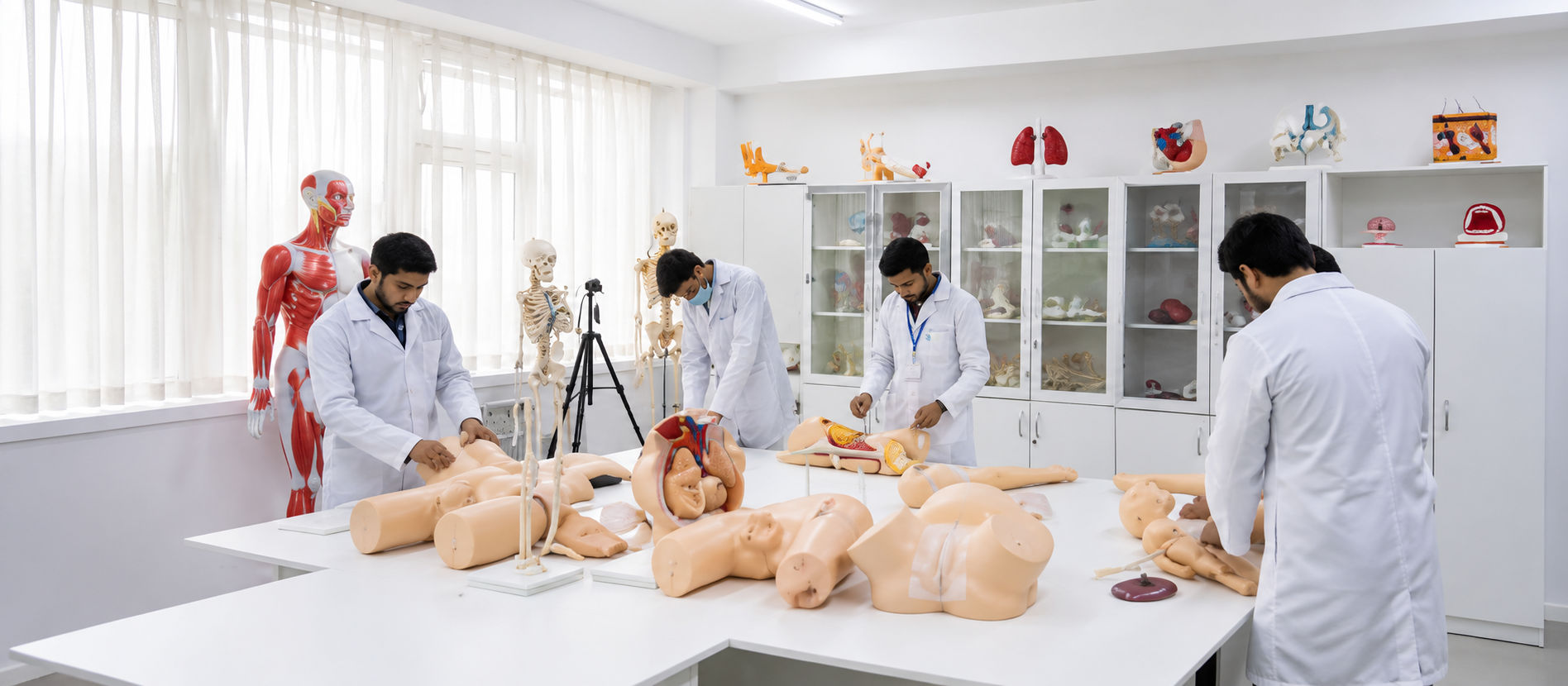
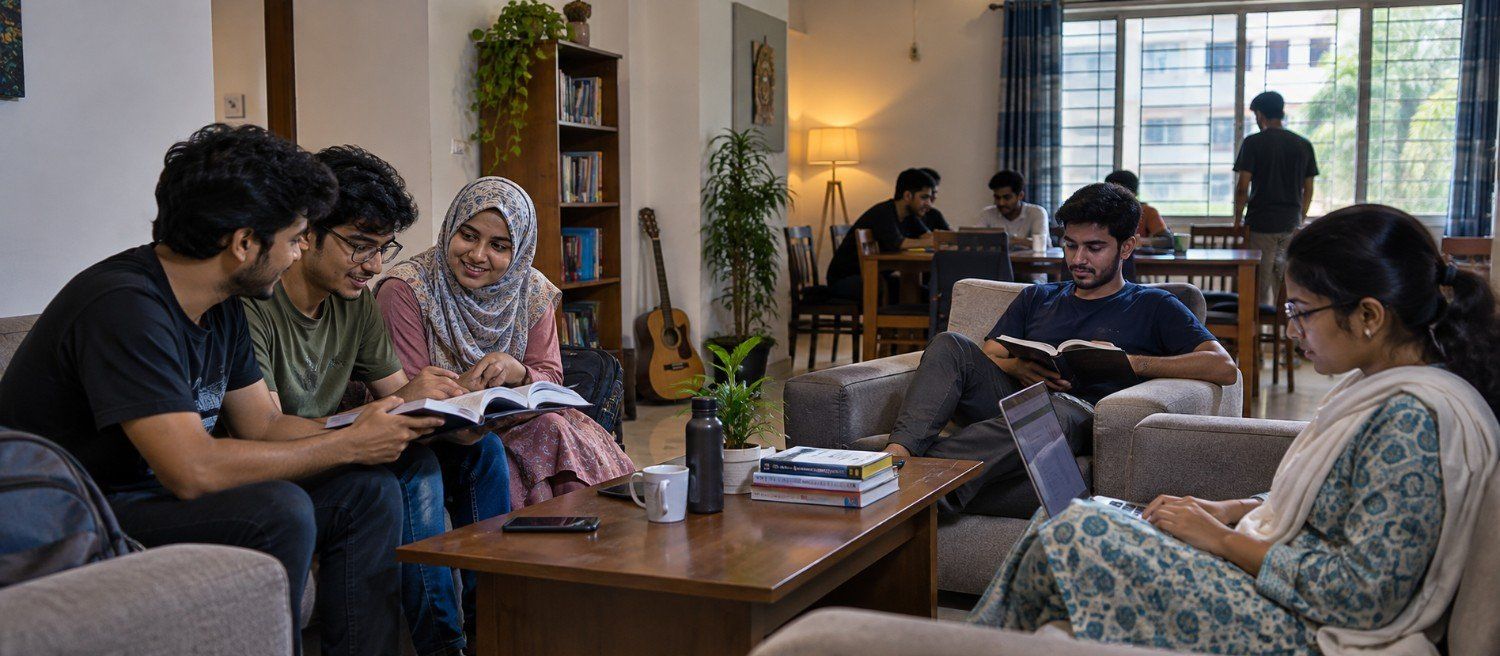
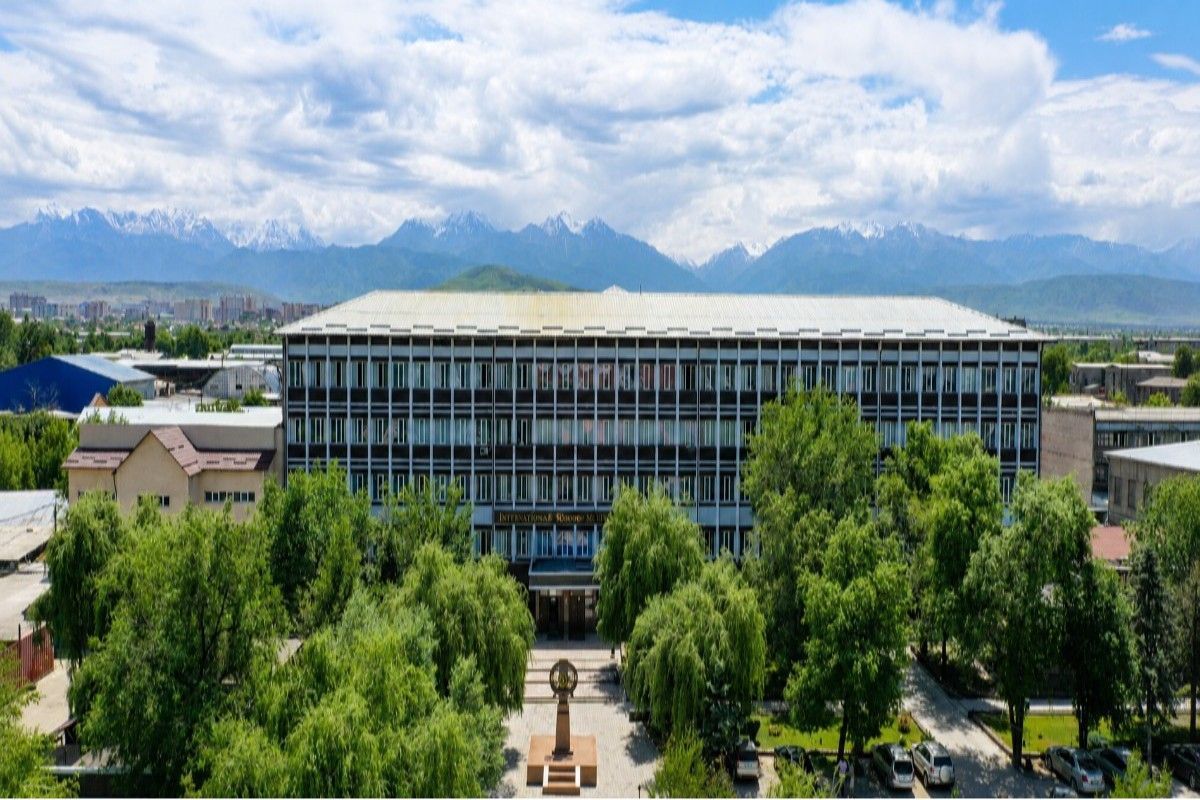
Kyrgyz National University (KNU), formally known as Zhusup Balasagyn Kyrgyz National University, is one of the largest and most comprehensive public universities in Kyrgyzstan. Founded in 1932, making it one of the oldest institutions of higher learning in the country, it was originally established as the Kirghiz State Pedagogical Institute and has evolved across nearly a century into a full-spectrum national university with multiple faculties, including its Faculty of Medicine, which offers the General Medicine (MBBS equivalent) programme to international students. KNU is located in Bishkek, Kyrgyzstan's capital, offering students access to the full range of urban facilities, hospitals, and international connectivity that the capital provides. As a national comprehensive university rather than a dedicated medical institution, KNU brings certain advantages alongside its medical programme: a broader academic ecosystem, interdisciplinary resources, a diverse faculty across many fields, and a campus environment that reflects the full breadth of Kyrgyz higher education. The General Medicine programme at KNU is taught in English for international students and follows the standard six-year structure: five years of academic and clinical education, followed by a mandatory one-year hospital internship. Students receive clinical training at affiliated hospitals in Bishkek, where the patient volume and clinical diversity of the capital provide meaningful training conditions during rotation years. KNU is recognised by the WHO and is listed in the WDOMS. Indian students considering KNU should verify the current NMC recognition status at nmc.org.in before enrolling, as this is the essential credential for NExT eligibility. As one of Kyrgyzstan's oldest and most established comprehensive universities, KNU offers the security of a long-standing national institution at fee levels typical of Kyrgyz public universities. The Bishkek campus provides hostel accommodation with Indian mess facilities, and the city's growing Indian student community ensures that peer support and cultural familiarity are readily available.