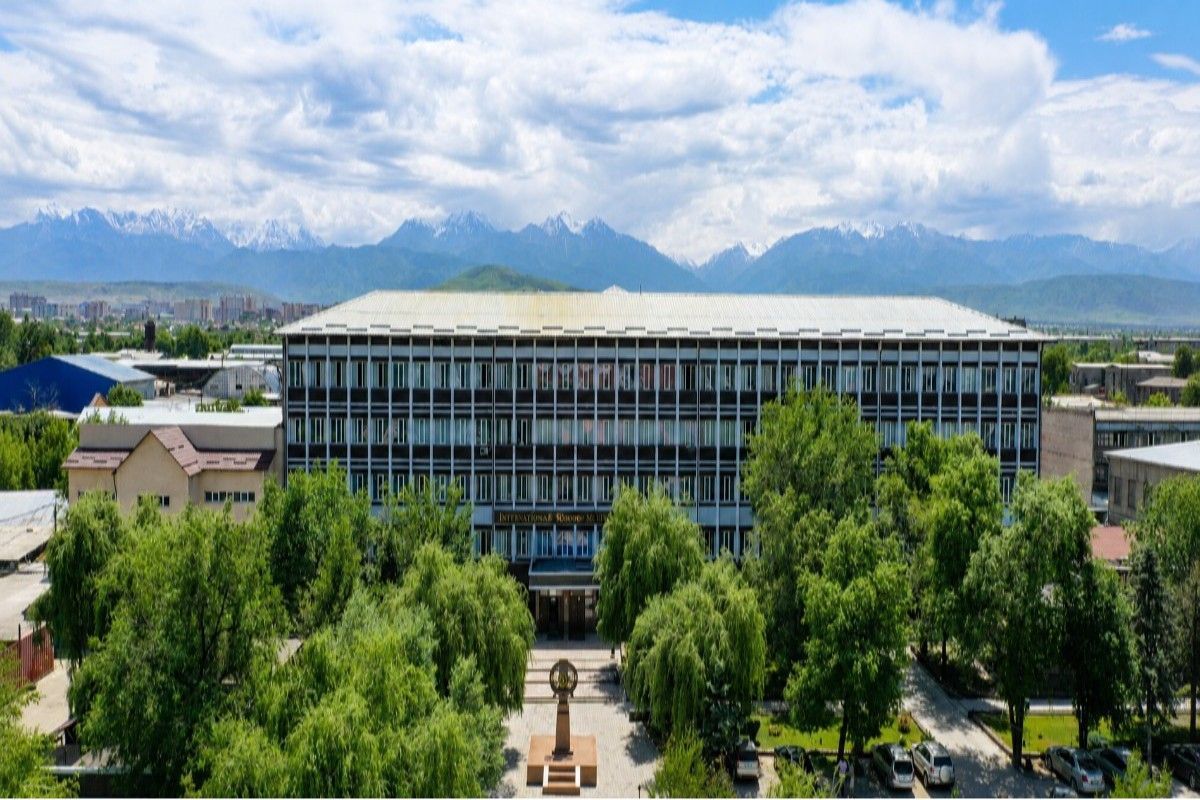
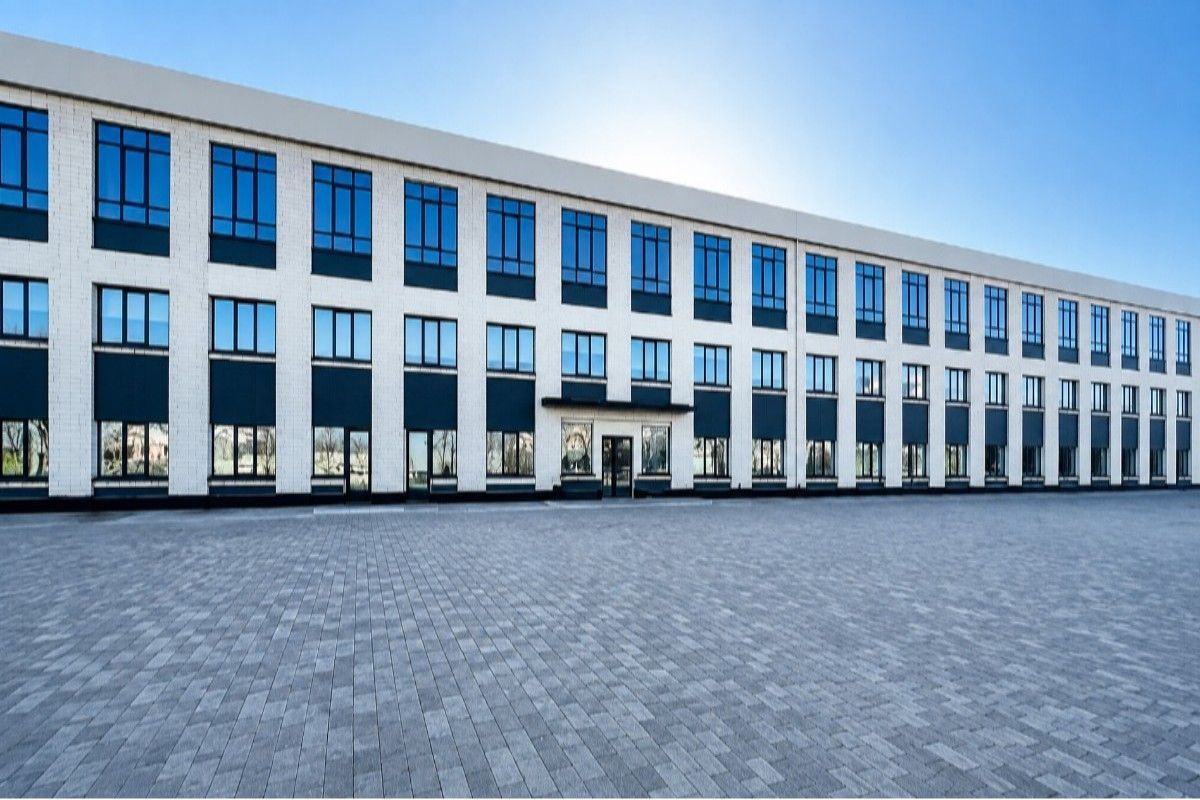
LN Medical College Kyrgyzstan is an emerging international medical institution established through the collaboration of LN Medical College, Bhopal (India) and healthcare education partners in Kyrgyzstan. Located in Bishkek, the capital city of Kyrgyzstan, the institution has been developed to provide high-quality medical education for international students by combining Indian academic expertise with internationally recognised medical education standards. The college has quickly attracted students seeking affordable English-medium medical education with modern infrastructure, structured clinical training, and strong academic support.
The institution offers a six-year General Medicine programme (MD/MBBS equivalent) that follows international medical education standards and complies with the European Credit Transfer and Accumulation System (ECTS). The curriculum integrates biomedical sciences, clinical medicine, communication skills, evidence-based healthcare, scientific research, public health, medical ethics, and professionalism. Students receive a balanced combination of theoretical knowledge and practical clinical experience that prepares them for postgraduate education and international medical licensing examinations.
Medical education begins with comprehensive instruction in the foundational medical sciences. Students study anatomy, physiology, biochemistry, histology, embryology, molecular biology, genetics, microbiology, immunology, pathology, pharmacology, behavioural sciences, epidemiology, preventive medicine, public health, medical ethics, and biostatistics. These subjects establish the scientific foundation before students advance into clinical medicine.
The curriculum combines classroom lectures with anatomy practicals, laboratory sessions, simulation-based learning, problem-based learning (PBL), case-based discussions, digital learning platforms, clinical skills workshops, and small-group tutorials. Throughout the programme, students develop analytical thinking, scientific reasoning, communication skills, professionalism, teamwork, and evidence-based clinical decision-making.
Clinical exposure begins during the early years through communication workshops, physical examination training, simulation laboratories, patient interviews, and supervised clinical observations. This gradual approach enables students to build confidence before entering advanced hospital-based clinical education.
Clinical training is conducted through affiliated teaching hospitals, university partner clinics, specialised healthcare centres, and medical institutions across Bishkek. Students receive practical education across internal medicine, general surgery, paediatrics, obstetrics and gynaecology, cardiology, neurology, psychiatry, orthopaedics, emergency medicine, anaesthesiology, ophthalmology, dermatology, ENT, radiology, oncology, nephrology, endocrinology, pulmonology, gastroenterology, infectious diseases, rehabilitation medicine, family medicine, and community healthcare.
During clinical rotations, students actively participate in ward rounds, outpatient clinics, emergency departments, operating theatres, multidisciplinary clinical meetings, diagnostic procedures, and supervised patient care. These experiences allow students to integrate theoretical knowledge with practical clinical medicine while developing professional competence.
The institution provides modern educational facilities including anatomy laboratories, biomedical science laboratories, clinical simulation centres, digital classrooms, medical libraries, computer laboratories, research facilities, and emergency medicine training centres. Students gain practical exposure using equipment and technologies commonly utilised in contemporary healthcare institutions.
Research is encouraged throughout the medical programme. Faculty members conduct research across internal medicine, surgery, cardiology, oncology, infectious diseases, genetics, molecular biology, immunology, pharmacology, biomedical sciences, epidemiology, public health, regenerative medicine, digital healthcare, healthcare management, and medical education. Students are encouraged to participate in faculty-supervised research projects, scientific conferences, innovation programmes, laboratory investigations, and academic publications.
The institution maintains academic collaborations with healthcare organisations, universities, and research institutions in Kyrgyzstan and internationally. These partnerships promote collaborative education, faculty exchange, student mobility, scientific research, and continuous curriculum development.
The curriculum also incorporates evidence-based medicine, preventive healthcare, digital medicine, patient safety, healthcare leadership, professionalism, interdisciplinary collaboration, and ethical medical practice. These components prepare graduates for modern healthcare systems worldwide.
Simulation-based education forms an important part of practical training. Students use clinical simulation laboratories equipped with modern medical training equipment to practise emergency medicine, advanced life support, communication skills, procedural techniques, diagnostic reasoning, and multidisciplinary teamwork before treating real patients.
Student life offers a multicultural academic environment where students participate in scientific societies, volunteer healthcare programmes, research organisations, leadership activities, sports clubs, cultural events, and international student associations that support both academic achievement and personal development.
Bishkek provides international students with affordable living expenses, modern infrastructure, quality healthcare facilities, reliable transportation, and a safe environment that supports successful medical education.
The institution provides comprehensive student support services including academic advising, international student assistance, accommodation support, counselling, language assistance, career guidance, digital libraries, research mentorship, and wellbeing programmes.
Graduates pursue careers in clinical medicine, specialist residency programmes, biomedical research, healthcare administration, academic medicine, pharmaceutical sciences, and international medical practice. Many continue postgraduate education while preparing for medical licensing examinations in India and other countries.
Today, LN Medical College Kyrgyzstan continues to strengthen its reputation by combining modern medical education, practical clinical training, international collaboration, and student-centred learning to prepare competent healthcare professionals.