
Q1. Do the NMC and the WHO internationally recognise the LMC until 2025/2026?
+A. Yes. The current approvals granted by NMC India and WHO are valid for LMC. Ensure the recognition status of LMC from the live WDOMS website (wdoms.org).
 nepal | Est. 2005
nepal | WHO, NMC India, Nepal Medical Council, IMED, Sri Lanka Medical Council | 100% English medium; IELTS/TOEFL not required; no Nepali needed medium
Expert will call you within 2 hours
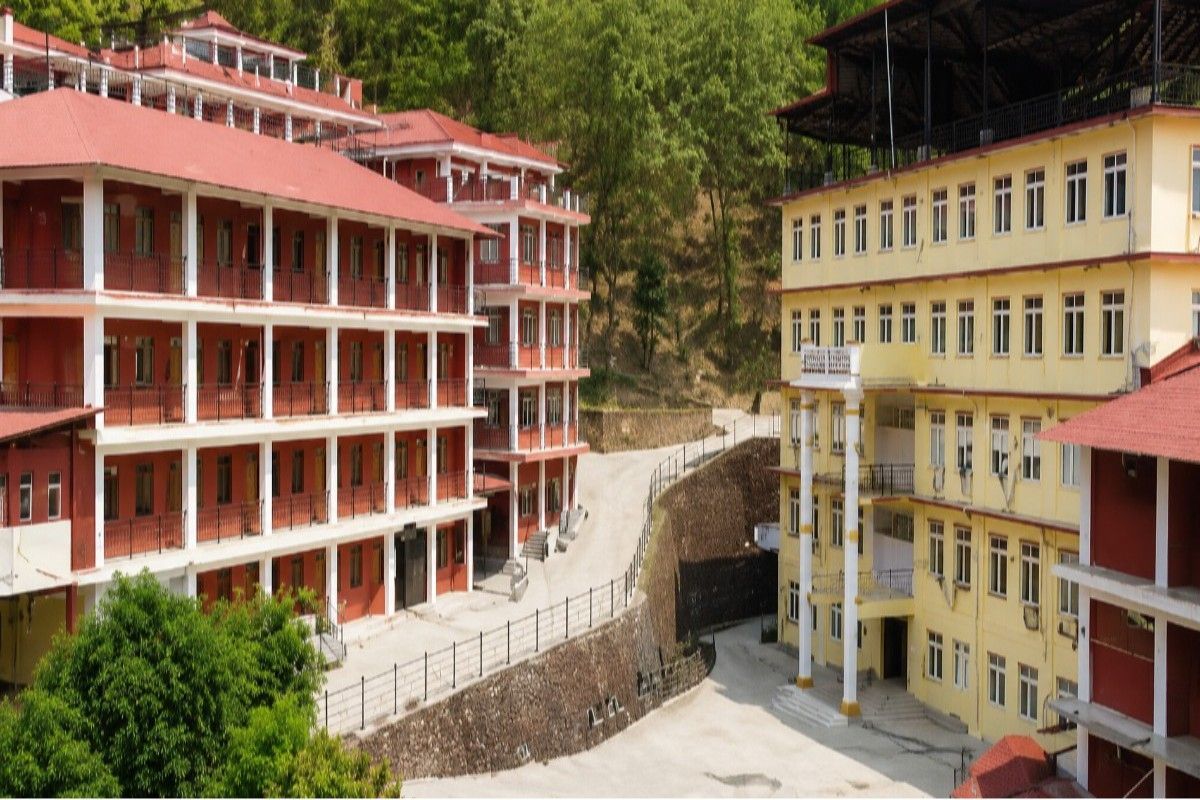
Lumbini Medical College sits in the hill town of Tansen in Palpa, roughly 300 kilometres west of Kathmandu, and it was deliberately placed there. When the founders registered LMC as a private limited company in December 2005, the region had almost no organised tertiary healthcare infrastructure. The idea was not just to build a medical college; it was to build a teaching hospital that would serve a population of over a million people spread across Palpa, Gulmi, Arghakhanchi, Syangja, and parts of Rupandehi, Kapilvastu, and Nawalparasi, while training doctors. That dual-purpose clinical service and medical education still shape how LMC teaches, which is why MBBS students here see a caseload that is genuinely different from what you find at most urban college-hospital setups.
The sequencing of LMC's construction matters. In January 2007, the Ministry of Health and Population granted in-principle permission to operate a 300-bed hospital. In 2008, the college launched a PCL nursing programme to establish its academic and clinical groundwork. Only in 2009 did the MBBS programme start deliberately, after the hospital and nursing infrastructure were already in place. Most private medical colleges do the opposite: they get the MBBS approval first and build the hospital later. By the time LMC's first MBBS batch was halfway through their second year, they were rotating through a functioning teaching hospital that had already been treating patients for months. That is a structural advantage that still shows up in the quality and volume of clinical exposure students receive.
The affiliation with Kathmandu University is another factor that most guides mention but never fully explain. KU is not the easiest university to be affiliated with in Nepal. Its examination standards are considered more rigorous than those of Tribhuvan University, and its curriculum oversight is tighter. That is precisely why LMC's MBBS pass rates in KU professional examinations and, subsequently, in the FMGE in India are consistently higher than the national average. The university not only validates the degree, but it also conducts the final examinations and sets the academic benchmarks. Students at LMC are being assessed by an external body whose standards are independently maintained. For a student considering MBBS in Nepal, that distinction is meaningful.
By 2015, LMC had added postgraduate programmes in affiliation with Kathmandu University, MD and MS across multiple specialities. That expansion matters for a very specific reason. A college that runs postgraduate programmes at the same hospital attracts senior specialist faculty. Those same specialists are the consultants who teach MBBS students during clinical rotations. The result is that ward-side teaching at LMC involves people who are actively doing research, running MD/MS programmes, and managing complex cases, not just general practitioners deputising as clinical teachers. For an MBBS student preparing for FMGE/NExT or planning to apply for MD entrance in India, the difference in teaching quality is noticeable.
On the practical side, Tansen is a small hill town, and that is worth stating honestly. It is not Kathmandu. There is no metro, no mall, no large Indian diaspora restaurant scene. What it does have is clean air, a safe and walkable central area, a relatively low cost of living, and the kind of quiet that makes concentrated study possible in a way that urban campuses often cannot replicate. The cultural proximity to India is real and tangible. The linguistic overlap, shared food culture, and festivals are close enough that students from Bihar, UP, and Uttarakhand tend to adapt very quickly. The nearest major Indian city, Gorakhpur, is roughly 175 kilometres away, making a weekend trip home possible in a way no other overseas MBBS destination can match.
The 600-bed multi-speciality teaching hospital is the central clinical resource. It runs departments across General Medicine, Surgery, Paediatrics, Obstetrics and Gynaecology, Orthopaedics, Cardiology, Radiology, ICU, and Psychiatry. Because the hospital serves a large rural catchment area, the patient load is high, and the case variety is substantial, including presentations that urban hospitals rarely see at similar volume. FMGE and NExT both test clinical reasoning built on case exposure. Students who have spent Years 3 through 5 managing genuine rural tertiary-care caseloads are better prepared for the reasoning patterns those examinations test than students from urban institutions managing a more filtered patient mix.
No hidden charges, no donation. The full picture of costs at Lumbini Medical College Tansen Palpa.
Tuition Fee
USD 5,050/year approx (INR 4.2 lakh); no donation, no capitation
Approx. USD 5,050 INR 4.2 lakh per year
Hostel Fee
USD 1,200–1,500/year; on-campus; separate male/female blocks; mess available
USD 1,200–1,500 per year
Food & Meals
Approx. NPR 8,000–12,000, INR 5,000–7,500
per month
Insurance
INR 15,000–25,000
per year
Donation
No Donation
No Hidden Fees
Total Estimated Cost
Approx. INR 32–38 lakh
5.5-Year
25–35%
Average FMGE first-attempt pass rates for students from many overseas medical universities. Students from structured programs consistently score higher.
Students returning to India need to clear the FMGE/NExT exam. Lumbini Medical College Tansen Palpa integrates exam-oriented coaching into the regular curriculum so students are prepared from day one.
A structured program that takes you from foundational sciences to clinical mastery.
Medical Latin, Cell Biology, History of Medicine, and introductory clinical ethics
Anatomy, Histology, Biochemistry, Biophysics, core pre-clinical foundation subjects
Pharmacology, Pathological Anatomy, and research methodology were introduced this year
Physiology, Microbiology, Virology, advanced Biochemistry; PBL sessions begin
Propedeutics of Internal Medicine; clinical history-taking and examination skills
Pathology, Pathophysiology, Immunology; first supervised hospital ward postings
Neurology, Psychiatry, Dermatology, ENT, Ophthalmology, Orthopaedics; FMGE prep starts
Hospital rotations: Internal Medicine, Surgery, Paediatrics, OBG at LMC Teaching Hospital
Independent patient management begins; FMGE/NExT mock series integrated this phase
Emergency Medicine, Cardiology, Radiology, Forensic Medicine, and Community Medicine rotations
Structured FMGE/NExT coaching throughout; mock exams and case discussions provided
Full rotations: Medicine, Surgery, Paediatrics, OBG, Emergency, Community Medicine

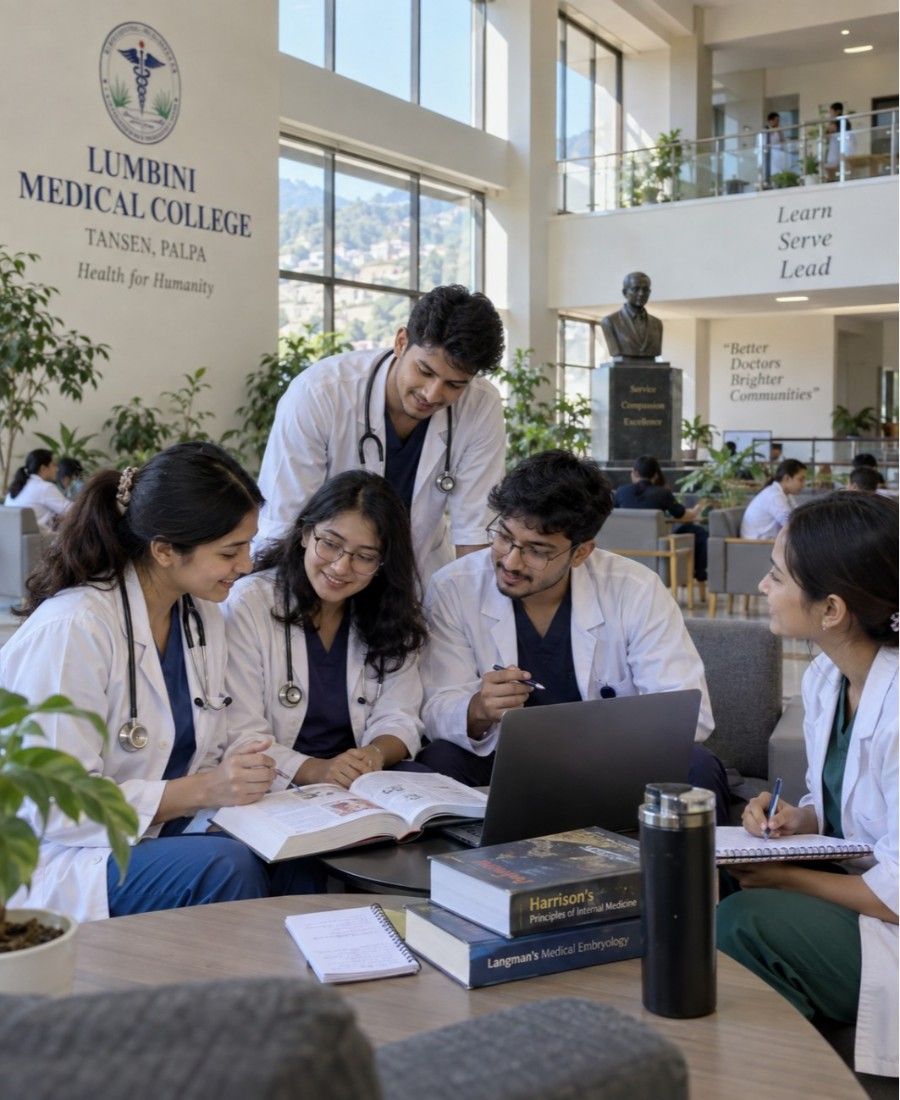
Furnished hostel rooms with Wi-Fi, laundry, 24/7 security, and Indian mess on or near campus.
Indian restaurants and mess facilities serving vegetarian and non-vegetarian home-style food daily.
Strong Indian community with cultural events, festival celebrations, and peer support groups.
Students get hands-on clinical training in government and private hospitals affiliated with the university.
Practical information for students planning to study at Lumbini Medical College Tansen Palpa.
Prepare for all seasons. Thermal wear for winters, light clothing for summers. University provides heating in hostels.
Student visa processed with university invitation letter. Direct and connecting flights from major Indian cities.
Health insurance included in fees. Medical facility on campus plus city hospitals easily accessible.
Local SIM cards available. WhatsApp and video calls keep you connected with family back home.
Average monthly expenses of $150–$250 covering food, transport, and personal needs.
University library, online databases, and study groups. Seniors mentor juniors through academic challenges.
Our team guides you through every step — from application to arriving on campus.
AMW's Nepal specialist compares BPKIHS, Manipal, KMC, Nobel, and National. FMGE rates, fees, city, and clinical quality within 24 hours of your first enquiry.
AMW sends your Nepal-specific checklist. A passport is recommended, though not mandatory. All documents verified before submission
AMW submits directly to your shortlisted partner college. Offer letters are typically received within 5–10 working days
AMW receives your offer letter, walks you through the terms, and advises on fee payment and seat confirmation
Initial deposit secures your September–October 2026 seat. AMW advises on INR transfer to Nepal is straightforward given bilateral banking relations
AMW orients you on Kathmandu or Pokhara city logistics, hostel setup, what to carry, and first-week expectations at your college.
Fly Delhi–Kathmandu (1.5–2 hrs) or use a land route if geographically convenient. No visa, no passport required, just your voter ID.
AMW's local Nepal team coordinates your hostel check-in and college registration. You are not navigating this alone
College orientation, campus familiarisation, and early settling-in support from AMW's Nepal team during your first week.
AMW maps out your 5.5-year FMGE preparation plan from Day 1. Year 4 coaching begins formally, but the preparation strategy starts at enrolment.
Admission Helpline — Contact our counsellors for step-by-step assistance.
“The faculty here is incredibly supportive. The clinical training during hospital rotations has given me real confidence in patient care.”
“Affordable fees without compromising on quality. The campus facilities and hostel life made my transition abroad very smooth.”
“English medium instruction and WHO-recognized curriculum were the deciding factors for me. No regrets so far — excellent experience overall.”
“The university helped with everything from visa to accommodation. Hospital exposure from year three has been invaluable for my FMGE prep.”
“Just cleared my licensing exam on the first attempt. The structured coaching and mock exams during final year were a game-changer.”
“Safe campus, good food options, and a strong Indian student community. The teaching methodology is very practical and hands-on.”
A. Yes. The current approvals granted by NMC India and WHO are valid for LMC. Ensure the recognition status of LMC from the live WDOMS website (wdoms.org).
A. NEET-UG is compulsory; apart from this, the MECEE-BL exam is conducted in Nepal by the Medical Education Commission.
A. Costs range from Rs. 32,000 to Rs. 38,000. There are no donations in LMC.
A. About 175 kilometres from Gorakhpur. Travelling via bus/taxi makes it easier to visit India compared to other overseas MBBS universities.
A. In the third year of studies in the 600-bed LMC hospital. Clinical rotations begin in the fourth year in different specialities.
A. FMGE preparation begins in the fourth year, including practice tests and case studies as well.
A. KU conducts its external final examinations independently and hence, has tougher criteria. This enhances the degree's credibility over time.
A. No. It is beneficial to learn some conversational Nepali in ward rounds. Hindi-speaking students adjust easily owing to linguistic proximity.
A. Yes. MD/MS courses have been available in multiple specialities since 2015, in affiliation with KU, on the same campus.
A. More than one million people from seven districts come to this teaching hospital for treatment. Heavy patient loads enhance critical thinking for FMGE/NExT.
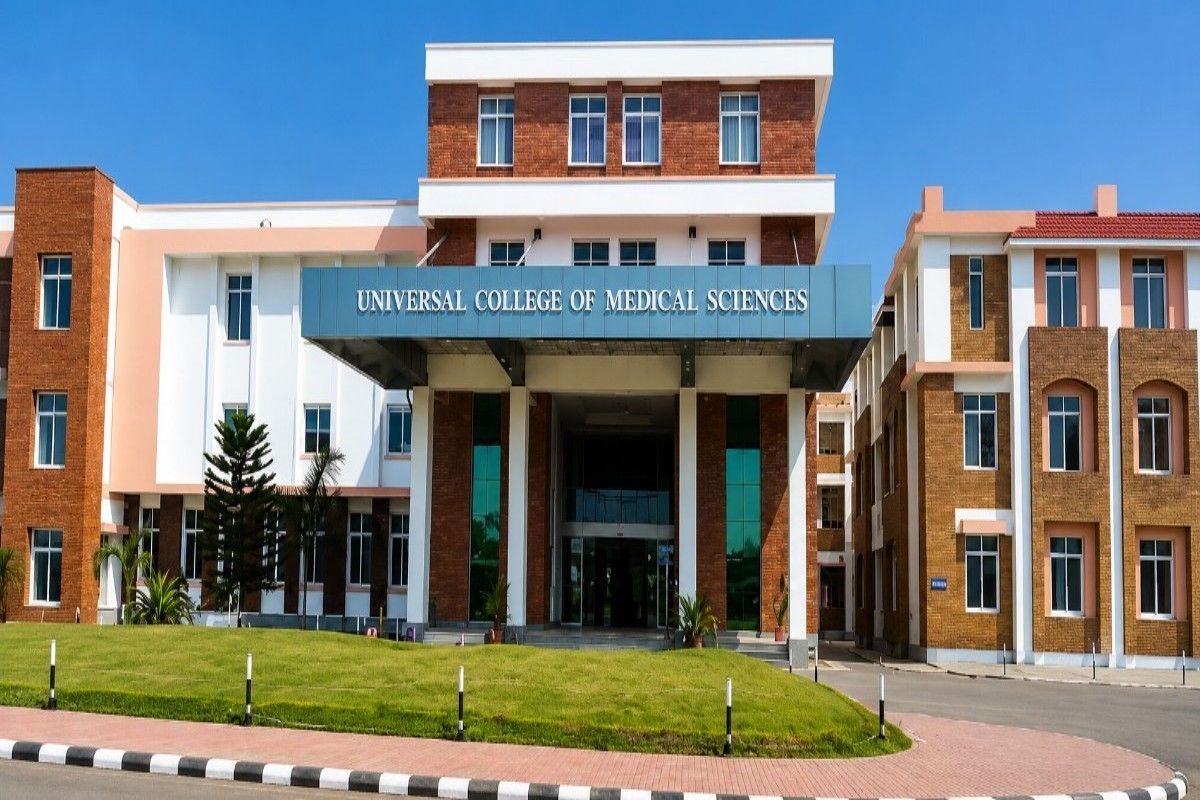


Our expert counsellors will guide you through the complete admission process — from documents to airport pickup.