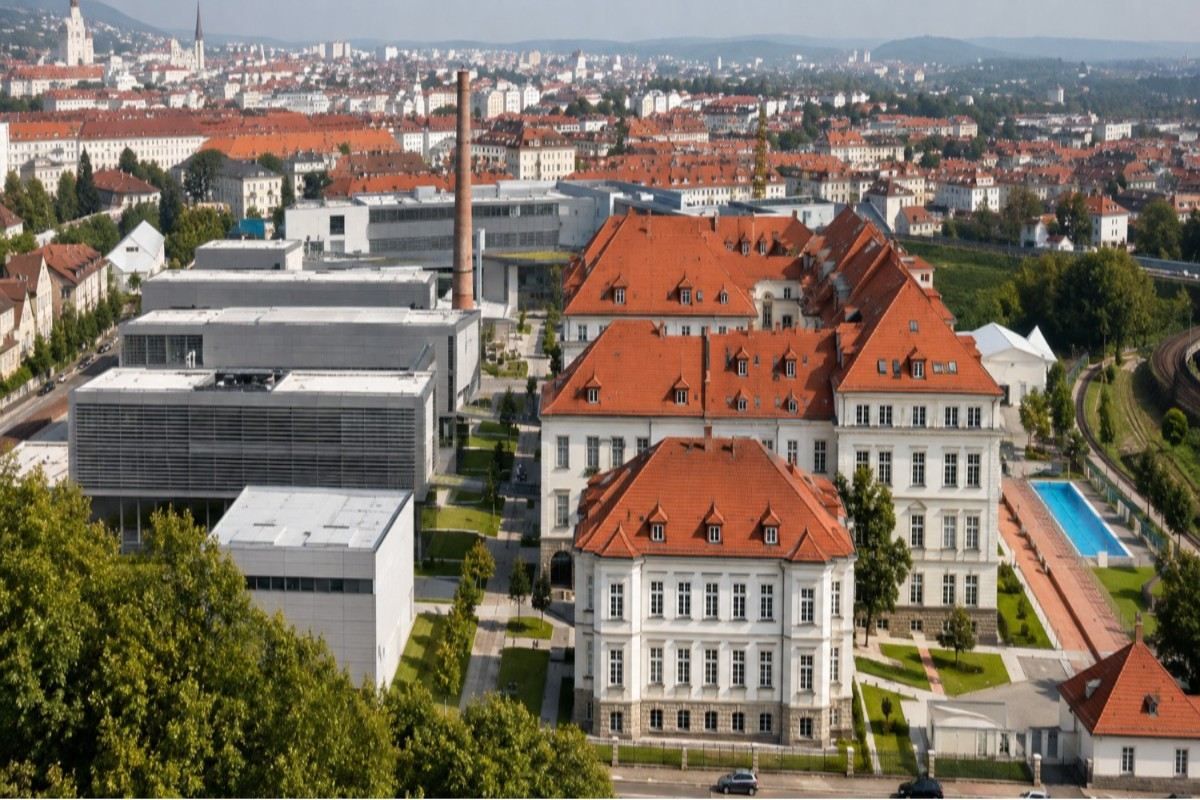
Johannes Kepler University (JKU) Linz Medical Faculty is one of Austria's newest and fastest-growing centres for medical education, biomedical research, and healthcare innovation. Located in Linz, the capital of Upper Austria, the Medical Faculty combines modern medical education with interdisciplinary research, digital healthcare, and advanced clinical training. Since its establishment, the faculty has earned recognition for integrating medicine with technology, engineering, artificial intelligence, and life sciences, reflecting the innovative academic environment for which JKU is internationally known.
Founded in 1966 as Johannes Kepler University and expanded with the establishment of the Medical Faculty in 2014, JKU has developed into one of Austria's leading public universities. The creation of the Medical Faculty was driven by the country's increasing demand for highly qualified physicians and healthcare professionals. Today, the faculty works closely with regional hospitals, research institutes, and healthcare organisations to provide students with comprehensive medical education that combines scientific excellence with practical clinical experience.
The Human Medicine programme is a six-year integrated degree that prepares students to become competent, ethical, and research-oriented physicians. The curriculum combines biomedical sciences, clinical medicine, communication skills, medical ethics, scientific research, and evidence-based practice while encouraging innovation and interdisciplinary collaboration throughout the programme.
Medical education begins with a comprehensive study of the basic sciences. Students receive extensive instruction in anatomy, physiology, biochemistry, histology, embryology, molecular biology, genetics, microbiology, immunology, pathology, pharmacology, behavioural sciences, epidemiology, preventive medicine, and medical ethics. These subjects establish a strong scientific foundation before students progress into clinical medicine.
The curriculum follows a modern competency-based educational model where traditional lectures are integrated with anatomy dissections, laboratory practicals, simulation-based learning, case-based discussions, problem-based learning (PBL), digital learning platforms, and interdisciplinary seminars. Students develop analytical thinking, scientific reasoning, communication skills, teamwork, and clinical decision-making from the beginning of their education.
Clinical exposure starts early through patient communication workshops, physical examination sessions, clinical observation, and simulation training. Students gradually acquire practical skills while learning professional conduct, ethical responsibility, and patient-centred care before entering advanced hospital rotations.
Clinical education is conducted primarily through Kepler University Hospital (Kepler Universitätsklinikum), one of Austria's largest public hospitals and one of the country's most modern teaching hospitals. Formed through the integration of several major healthcare institutions, the hospital provides highly specialised patient care while serving as the Medical Faculty's principal teaching centre. Students receive extensive clinical exposure across internal medicine, general surgery, paediatrics, obstetrics and gynaecology, cardiology, neurology, psychiatry, orthopaedics, emergency medicine, anaesthesiology, ophthalmology, dermatology, radiology, oncology, nephrology, endocrinology, pulmonology, gastroenterology, infectious diseases, rehabilitation medicine, family medicine, and community healthcare.
During clinical rotations, students actively participate in ward rounds, outpatient clinics, operating theatres, emergency departments, multidisciplinary clinical meetings, diagnostic procedures, and supervised patient management. These practical experiences enable students to integrate scientific knowledge with clinical decision-making while developing confidence in patient care.
Kepler University Hospital offers advanced diagnostic imaging technologies, robotic surgical systems, specialised oncology centres, cardiovascular institutes, intensive care units, molecular diagnostic laboratories, simulation centres, and modern research facilities. These resources allow students to train within a technologically advanced healthcare environment that reflects contemporary medical practice.
Research forms a major pillar of the Medical Faculty's mission. Faculty members conduct internationally recognised research in molecular medicine, oncology, cardiovascular medicine, neuroscience, immunology, genetics, regenerative medicine, biomedical engineering, artificial intelligence, digital healthcare, medical imaging, pharmaceutical sciences, endocrinology, infectious diseases, precision medicine, and public health. Students are encouraged to participate in faculty-supervised research, laboratory work, scientific publications, conferences, innovation projects, and international collaborations throughout their studies.
The Medical Faculty collaborates extensively with other JKU faculties, particularly engineering, computer science, artificial intelligence, and natural sciences. This interdisciplinary approach allows students to explore emerging areas such as medical robotics, digital diagnostics, precision medicine, health informatics, biomedical engineering, and AI-assisted clinical decision-making.
International collaboration is another important strength of Johannes Kepler University. Through Erasmus+, exchange programmes, research partnerships, international electives, and collaborations with universities across Europe and beyond, students gain valuable international exposure while developing a broader understanding of global healthcare systems and clinical practice.
The curriculum incorporates contemporary healthcare concepts including digital medicine, artificial intelligence, personalised healthcare, evidence-based clinical practice, healthcare management, preventive medicine, patient safety, interdisciplinary teamwork, and medical ethics. These elements prepare graduates for future healthcare systems that increasingly rely on technology and innovation.
Simulation-based education is integrated throughout the programme using advanced clinical skills laboratories equipped with high-fidelity patient simulators. Students practise emergency medicine, procedural skills, advanced life support, communication techniques, multidisciplinary teamwork, and surgical simulations before treating patients in real clinical settings. These experiences strengthen practical competence while enhancing patient safety.
Student life at Johannes Kepler University combines academic excellence with a modern campus environment. Students participate in research organisations, scientific societies, volunteer healthcare initiatives, sports clubs, cultural associations, international student programmes, leadership activities, and entrepreneurship initiatives that contribute to professional and personal development.
Linz is recognised as one of Austria's major centres for technology, innovation, and higher education. The city offers excellent public transportation, modern healthcare facilities, a vibrant cultural scene, affordable living compared with Vienna, strong industrial partnerships, and a high quality of life. Its combination of technology, healthcare, and academic excellence creates an ideal environment for medical education.
The university provides comprehensive student support services including academic advising, international student assistance, accommodation guidance, language support, digital libraries, counselling services, career development, wellbeing programmes, and sports facilities. These services help students achieve academic success while maintaining personal wellbeing.
Graduates of Johannes Kepler University Medical Faculty are well prepared for specialist medical training, biomedical research, academic medicine, healthcare leadership, pharmaceutical industries, biotechnology, and international clinical practice. Their education combines scientific excellence, extensive clinical experience, technological competence, and research expertise that prepare them for successful careers in modern healthcare.
Today, Johannes Kepler University Linz Medical Faculty continues to strengthen its reputation through innovative education, advanced biomedical research, interdisciplinary collaboration, and modern clinical training. Its commitment to integrating medicine with technology ensures graduates are equipped to become future leaders in healthcare.