Q1. When was Karl Landsteiner University founded?
+Its founding company was set up in 2012, and the university opened in Krems in 2013.
 Austria | Est. 2013
Austria | AQ Austria (Agency for Quality Assurance and Accreditation Austria). | English runs through the Bachelor's stage; medium
Expert will call you within 2 hours
People just call it KL, or Karl Landsteiner University. Its founding story is genuinely different from most private medical schools, since it did not start from one owner's vision alone. Three established institutions, the Medical University of Vienna, the University for Continuing Education Krems, and IMC University of Applied Sciences Krems, jointly set up the founding company in June 2012, and KL opened its doors in Krems an der Donau in 2013 as a genuine three-way partnership project.
Here is a fact most guides skip entirely. The university is named after Karl Landsteiner, the Austrian-American physician and immunologist who discovered the ABO blood group system, work that later earned him the 1930 Nobel Prize in Physiology or Medicine. So the name is not just branding. It ties the university directly to one of Austria's most significant contributions to modern medicine.
Another detail worth knowing. Even though KL is a private university, it received real public backing at the start. The Lower Austria state parliament approved EUR 25 million in funding for the project in 2013, a genuinely unusual level of state support for an institution that otherwise runs on tuition rather than government money.
This is a private university, accredited under Austria's Private Universities Act. Clinical training for Human Medicine runs through KL's own university hospitals in Krems, St. Pölten, and Tulln, together holding roughly 2,000 hospital beds, alongside a psychosomatic medicine clinic in Eggenburg and a research cooperation with MedAustron, a cancer treatment and research centre in Wiener Neustadt.
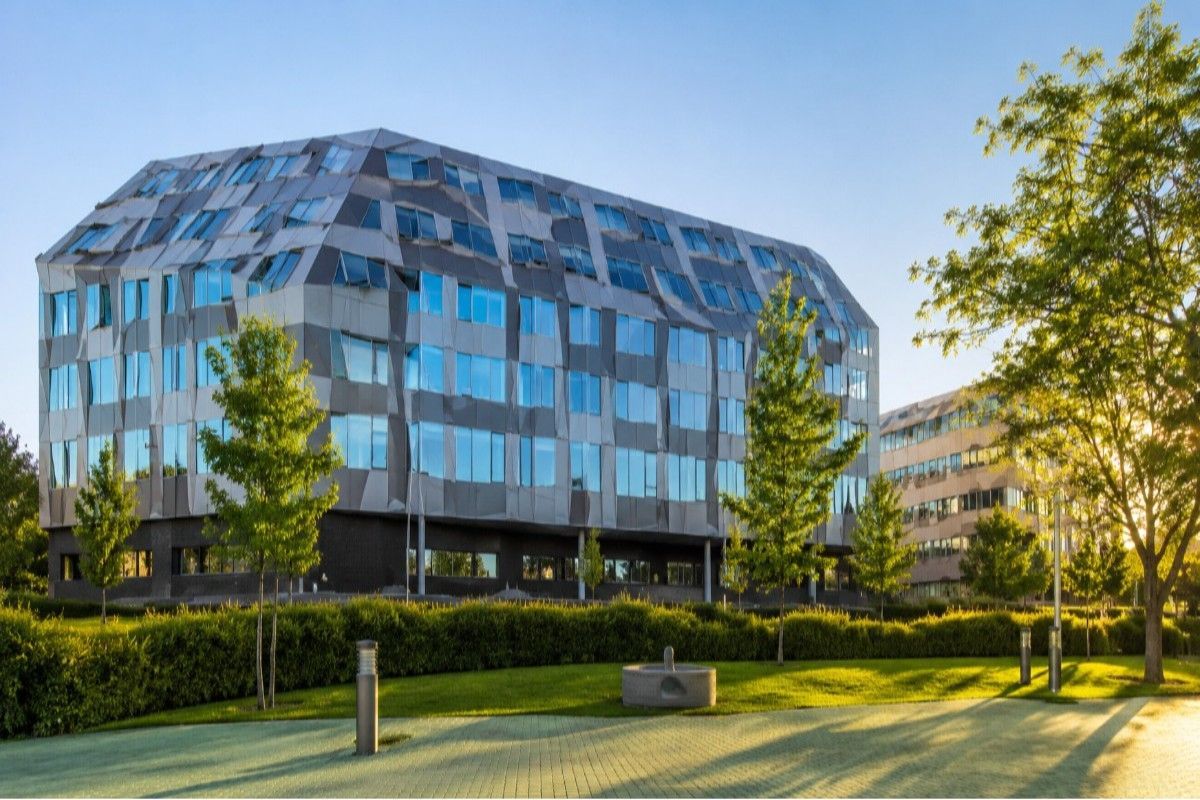
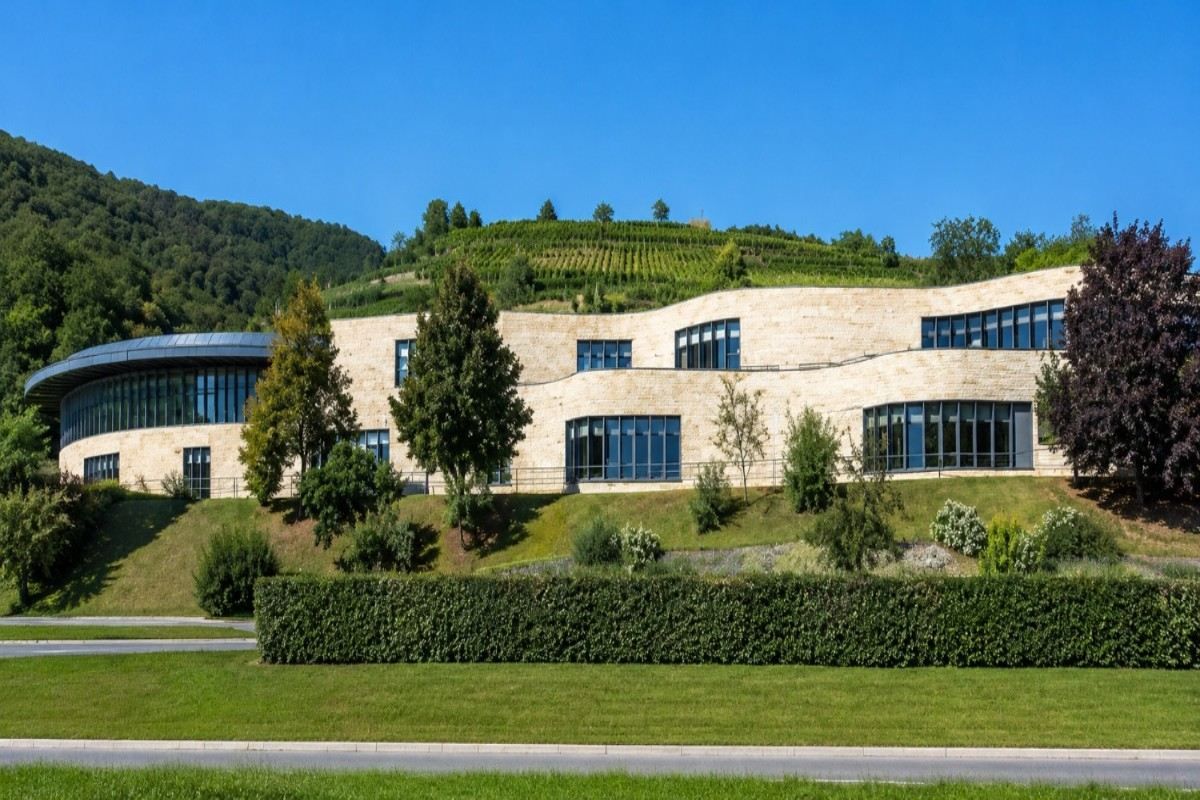
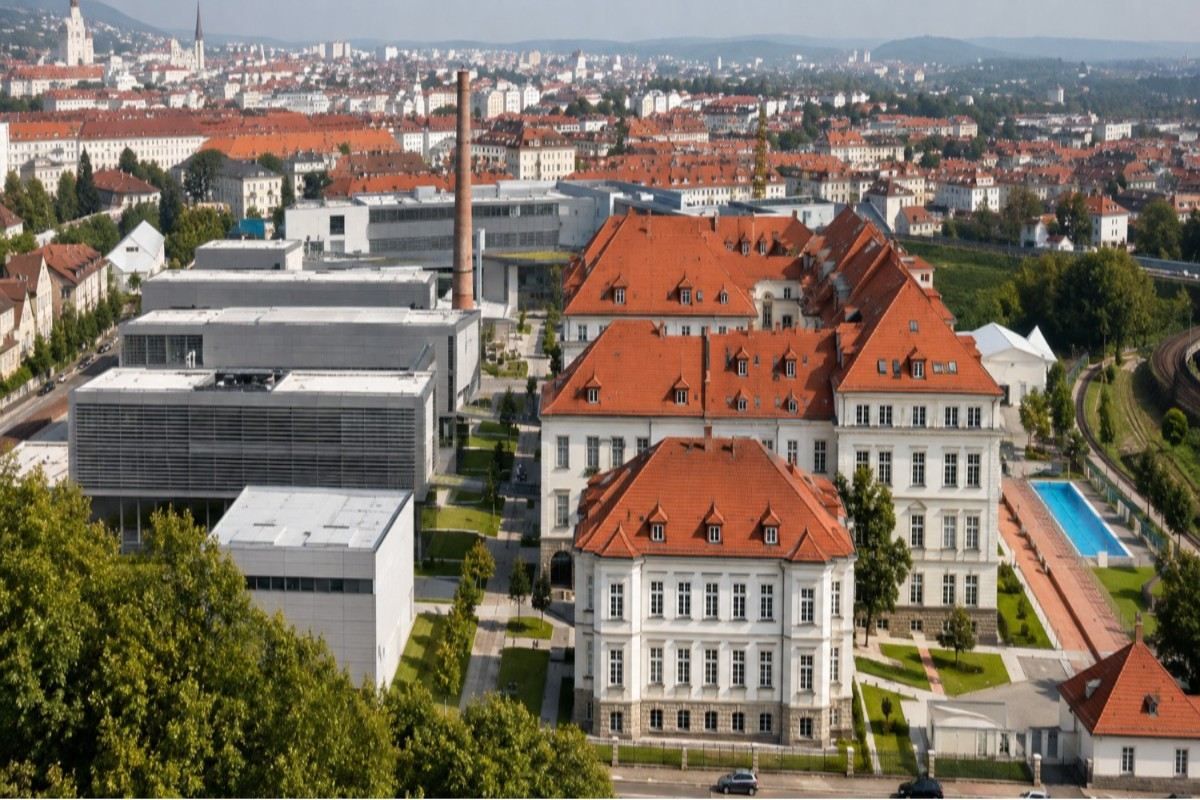
Krems an der Donau itself is a historic town on the Danube in Lower Austria, close to Vienna and known for its vineyards, old town, and lively student population. KL's purpose-built campus opened at the end of 2016, a low-energy building of around 6,700 square metres, designed by Delugan Meissl Associated Architects, and it now houses roughly 600 students across Human Medicine, Health Sciences, Psychotherapy and Counselling Sciences, and Neurorehabilitation Sciences.
What sets KL's teaching apart is its genuinely small scale. The university runs on a teacher-to-student ratio of roughly one to three, and its Human Medicine Master's includes a practical year that rotates students through every institute and department at its partner hospitals, rather than a narrower selection of placements.
Here is where this page needs to be direct with you. Medicine at KL is not an MBBS degree. It runs as a Bachelor's degree in Medical Science, three years, followed by a three-year Master's in Human Medicine leading to the Dr. med. univ. qualification, six years altogether, under Austria's medical education framework.
Teaching runs in English, which is genuinely distinctive among Austria's medical universities. The Bachelor's stage is interdisciplinary by design, blending human medicine, medical technology, and health economics, and it includes early clinical placements known as Famulaturen. Progressing into the Master's stage generally requires proof of German at C1 level, since clinical work inside Austrian hospitals happens in German.
Admission does not run through Austria's national MedAT exam. KL runs its own two-stage selection process instead, a written aptitude test developed specifically for the university followed by an interview, both conducted in English, alongside the standard university entrance qualification and a Latin requirement.
On cost, there is no getting around it. KL is fully private, with fees reported at EUR 21,000 per year, or EUR 10,500 per semester, across both stages, putting the full six-year programme in the rough range of EUR 120,000 to 130,000, though the university's own current fee schedule is the number to confirm directly.
Parameter | Details |
Founded | Founding company established June 2012 by the Medical University of Vienna, Danube University Krems, and IMC Krems; university opened 2013 |
Institution Type | Private university, accredited under Austria's Private Universities Act, with Lower Austria state funding support |
Location | Krems an der Donau, Lower Austria, close to Vienna |
Programme | Bachelor's in Medical Science + Dr. med. univ. (Doctor medicinae universae) in Human Medicine |
Duration | 3-year Bachelor's + 3-year Master's, 6 years total, 12 semesters |
Medium of Instruction | English for the Bachelor's stage; German (C1) required to progress into the clinical Master's |
Admission Route | Direct application to KL; own two-stage written test and interview, no national MedAT exam |
Teaching Hospital | University hospitals in Krems, St. Pölten, and Tulln, plus a psychosomatic clinic in Eggenburg |
Fee Component | Amount | Notes |
Tuition Fee | EUR 10,500 per semester | EUR 21,000 per year, across both the Bachelor's and Master's stages |
Total Programme Cost | Approx. EUR 120,000 to 130,000 | Across the full six-year, 12-semester programme |
Living Costs (rent) | Approx. EUR 300 to 800 per month | A shared room starts lower, a full apartment runs higher |
Food and Other Costs | Approx. EUR 300 to 400 per month | Groceries, transport, and leisure |
Total Living Costs | Approx. EUR 800 to 1,200 per month | Covers rent, food, and daily expenses in Krems |
Application Process | Written test plus interview | Both conducted in English as part of the selection process |
Most rival pages never explain this properly. KL was not founded by a single private owner. The Medical University of Vienna, Danube University Krems, and IMC Krems jointly built the founding company, and Lower Austria's state government backed the project with EUR 25 million, a genuinely unusual mix of academic and public support for a private university.
Many guides assume every Austrian medical degree runs in German from day one. KL's Bachelor's stage runs entirely in English, with its own English-language admissions test and interview, only requiring German once students move into the clinical Master's stage.
Be clear about a few real points here. This is a private, fee-paying route into medicine, with costs running well above Austria's public medical universities, which charge little beyond a small administrative fee. German at C1 level becomes necessary once the Master's stage begins, even though the Bachelor's runs in English. So, who fits here best? Students who want an English-medium start to a European medical degree, who can commit to reaching strong German by the Master's stage, and who value a genuinely small, close-knit campus with a low teacher-to-student ratio. Students hoping for a long-established, free public route should look elsewhere. Still, for those who can meet the cost and language bar, KL offers a distinctive founding pedigree, hands-on hospital rotations, and a historic riverside setting.
No hidden charges, no donation. The full picture of costs at MBBS in Karl Landsteiner Private University for Health Sciences.
Tuition Fee
€21,000 EUR
EUR 10,500 Per semester
Hostel Fee
EUR €450–€490 per month
EUR €450–€490 per month
Food & Meals
EUR 300 to 400
per month
Insurance
EUR 300 to 400
per month
Donation
No Donation
No hideen fee
Total Estimated Cost
Confirm directly with the university — Tuition, not living costs, forms the bulk of total spending here
6 year
25–35%
Average FMGE first-attempt pass rates for students from many overseas medical universities. Students from structured programs consistently score higher.
Students returning to India need to clear the FMGE/NExT exam. MBBS in Karl Landsteiner Private University for Health Sciences integrates exam-oriented coaching into the regular curriculum so students are prepared from day one.
A structured program that takes you from foundational sciences to clinical mastery.
Includes early clinical placements, known as Famulaturen, alongside classroom study.
Covers an interdisciplinary mix of human medicine, medical technology, and health economics.
Includes a practical year that rotates students through every institute and department at partner sites.
Clinical training runs through the university hospitals in Krems, St. Pölten, and Tulln.
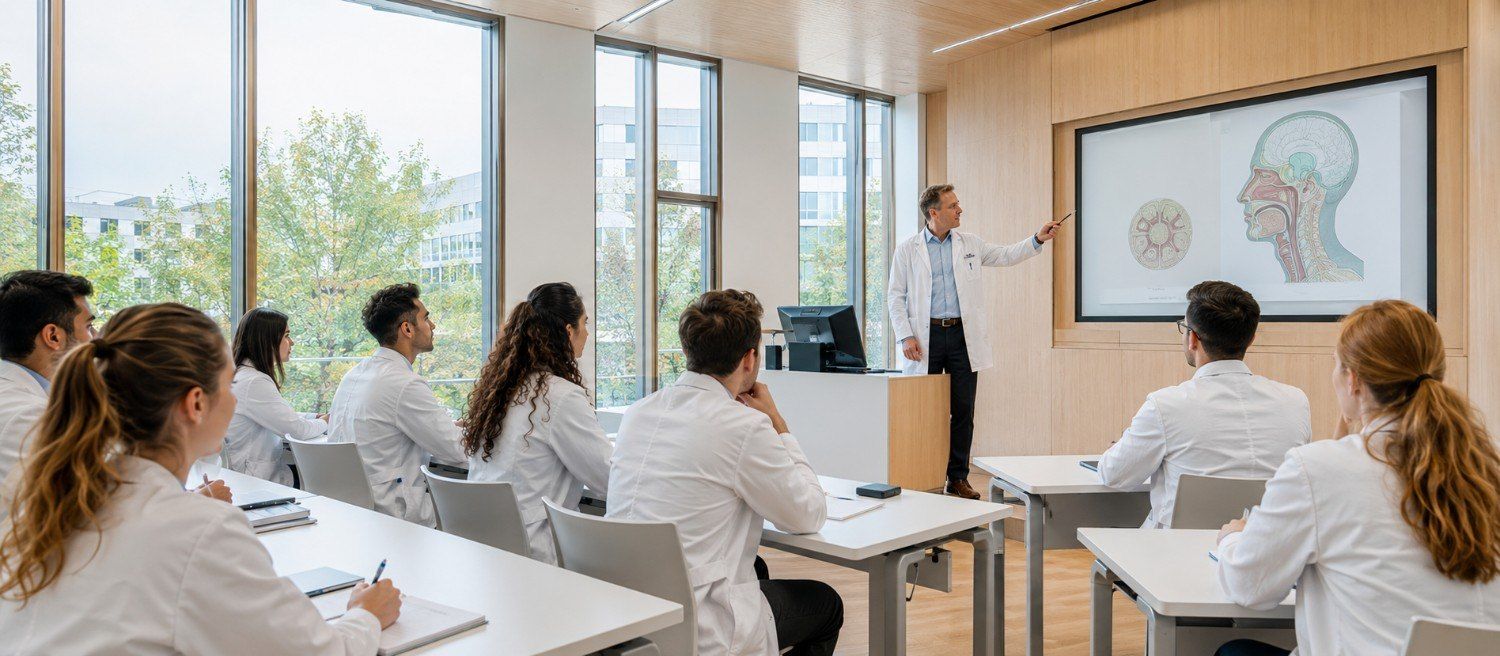

Furnished hostel rooms with Wi-Fi, laundry, 24/7 security, and Indian mess on or near campus.
Indian restaurants and mess facilities serving vegetarian and non-vegetarian home-style food daily.
Strong Indian community with cultural events, festival celebrations, and peer support groups.
Students get hands-on clinical training in government and private hospitals affiliated with the university.
Practical information for students planning to study at MBBS in Karl Landsteiner Private University for Health Sciences.
Prepare for all seasons. Thermal wear for winters, light clothing for summers. University provides heating in hostels.
Student visa processed with university invitation letter. Direct and connecting flights from major Indian cities.
Health insurance included in fees. Medical facility on campus plus city hospitals easily accessible.
Local SIM cards available. WhatsApp and video calls keep you connected with family back home.
Average monthly expenses of $150–$250 covering food, transport, and personal needs.
University library, online databases, and study groups. Seniors mentor juniors through academic challenges.
Our team guides you through every step — from application to arriving on campus.
AMW's Austria specialist determines public (German-medium, EMS) vs SFU (English-medium, private) pathway based on your language level and academic profile.
AMW connects German-track students with certified instructors. C1 certification is required before EMS and clinical years.
AMW provides EMS preparation — natural sciences and cognitive aptitude sections, administered in German.
Full visa and application document set prepared — academic transcripts, language certifications, financial statements
SFU Vienna application submitted by AMW directly. Public university applications managed through Austrian university portals.
AMW receives offer letter, explains terms, and manages initial fee payment — particularly important for SFU's payment schedule
Full visa documentation prepared and submitted to the Austrian Embassy in New Delhi. Begin at least 3 months before departure
Vienna city orientation — accommodation, Wiener Linien transport, banking, SIM card, campus navigation, and first-week expectations.
AMW manages Austrian residence permit application at the local Magistrat. Renewed annually throughout the 6- AMW coordinates Vienna arrival, district registration (Anmeldebestätigung), and accommodation check-in.year programme.
Vienna to Prague: 2 hours. To Budapest: 2.5 hours. To Munich: 3.5 hours. Full Schengen access — weekend travel across Europe is practical and affordable.
Admission Helpline — Contact our counsellors for step-by-step assistance.
“The faculty here is incredibly supportive. The clinical training during hospital rotations has given me real confidence in patient care.”
“Affordable fees without compromising on quality. The campus facilities and hostel life made my transition abroad very smooth.”
“English medium instruction and WHO-recognized curriculum were the deciding factors for me. No regrets so far — excellent experience overall.”
“The university helped with everything from visa to accommodation. Hospital exposure from year three has been invaluable for my FMGE prep.”
“Just cleared my licensing exam on the first attempt. The structured coaching and mock exams during final year were a game-changer.”
“Safe campus, good food options, and a strong Indian student community. The teaching methodology is very practical and hands-on.”
Its founding company was set up in 2012, and the university opened in Krems in 2013.
A 3-year Bachelor's plus a 3-year Master's (Dr. med. univ.), six years in total.
The Bachelor's stage runs in English; German at C1 level is required to progress into the clinical Master's.
No. KL runs its own written test and interview, conducted in English.
Yes. Fees run to EUR 10,500 per semester, EUR 21,000 per year, across both stages.
Graduates receive the Dr. med. univ. degree, Doctor medicinae universae, after completing both stages.
University hospitals in Krems, St. Pölten, and Tulln, plus a psychosomatic clinic in Eggenburg.
Not automatically. Indian graduates would still need to clear India's usual foreign-degree licensing route, such as NExT.
It is a private university, though it received significant Lower Austria state funding at its founding.
He was an Austrian-American physician who discovered the ABO blood group system, work that earned him the 1930 Nobel Prize in Physiology or Medicine.
Our expert counsellors will guide you through the complete admission process — from documents to airport pickup.