Q1. Do WHO and NMC India recognise KMI?
+Yes. All four - WHO, NMC India, FAIMER, and ECFMG recognise it. Please cross-check at wdoms.org before confirming.
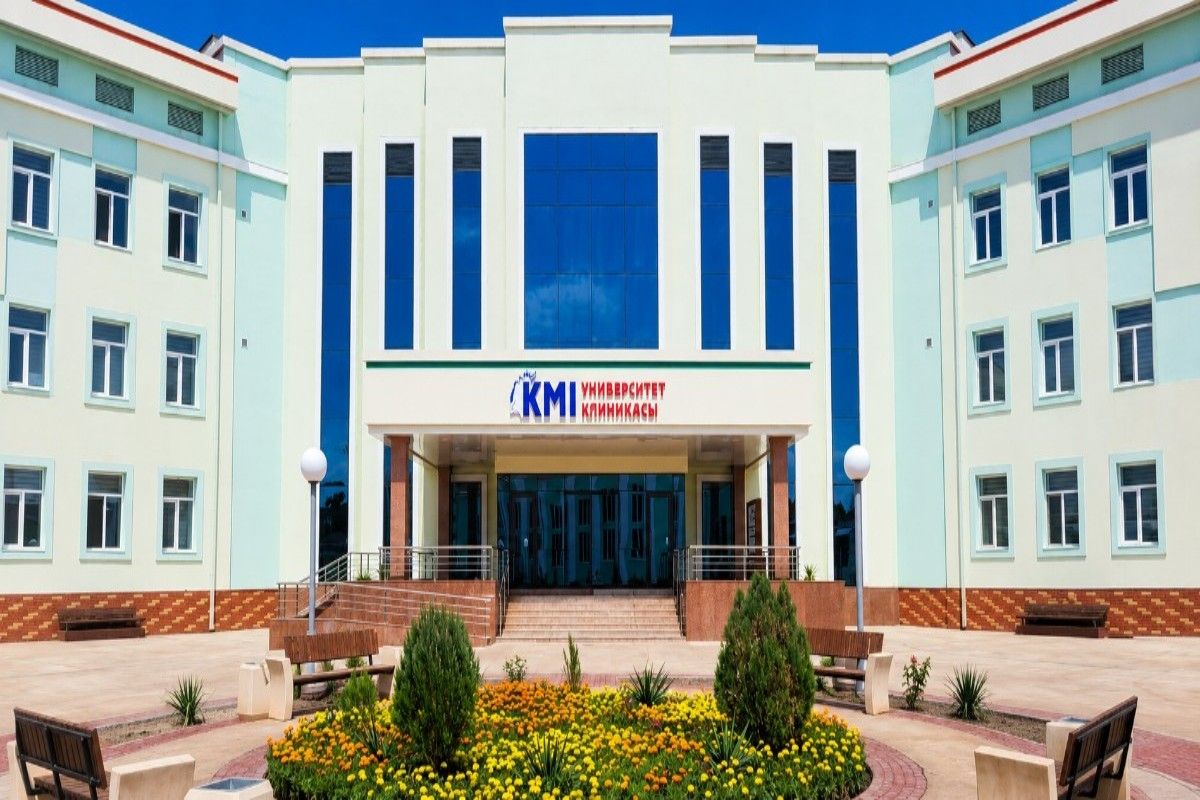
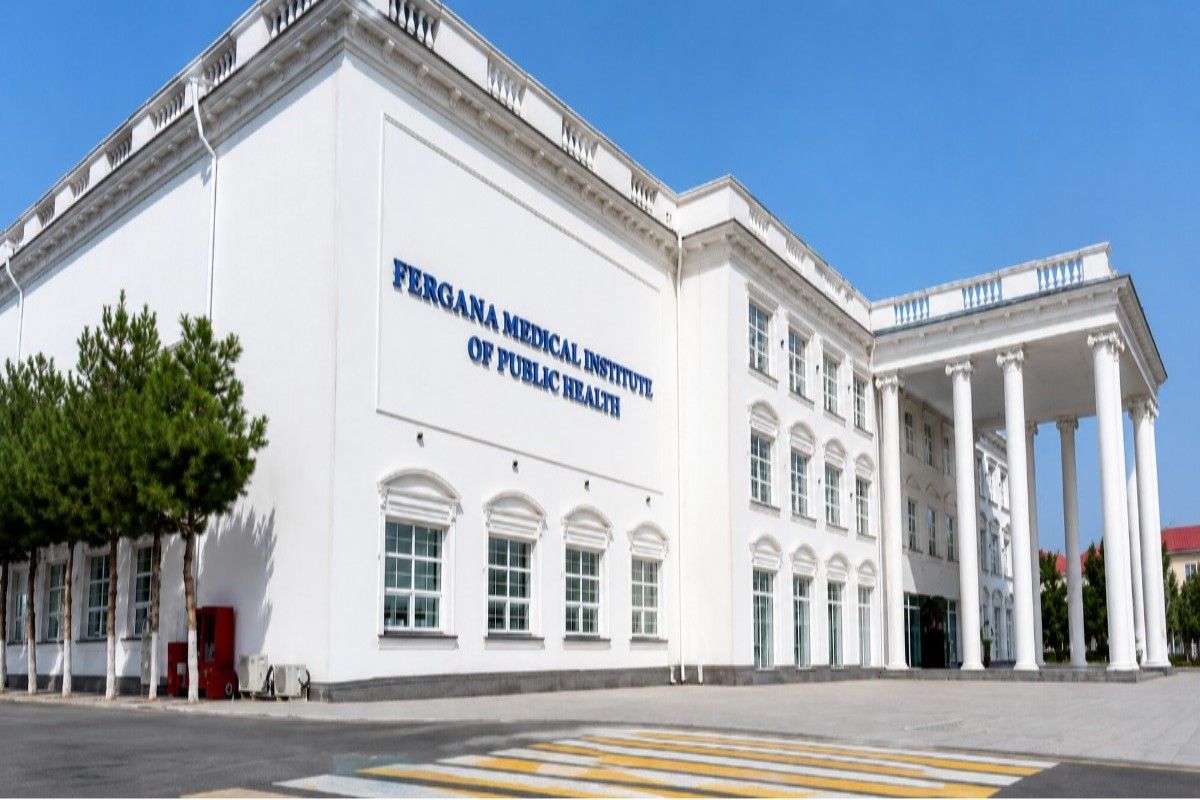
 Uzbekistan | Est. 1991
Uzbekistan | Listed by WHO, NMC India, FAIMER, ECFMG, and WDOMS; all recognitions are fully in place | Full English medium for all international students; no IELTS or TOEFL required medium
Expert will call you within 2 hours
Most blogs about KMI lead with one line: affordable fees. NMC approved. But none of them explains what actually makes this college worth a serious look. So let me do that.
The Medical Institute of Karakalpakstan sits in Nukus, the capital of the Republic of Karakalpakstan in western Uzbekistan. The institute started in 1991 as a branch of the Tashkent Pediatric Medical Institute. Back then, it had just 100 students and one faculty member, Paediatrics. The reason it was set up here was very specific. The Aral Sea region in western Uzbekistan had a serious shortage of trained doctors. KMI was built to fix that problem.
On February 14, 2020, the President of Uzbekistan issued Decree No. 4598. That decree formally restructured KMI into a fully independent medical institute with its own governance, mandate, and expanded programmes. So, the college has 33 years of medical education history, but a fresh, modernised structure since 2020. That combination is rare.
Today, KMI runs 20 departments. It has around 300 professors. Over 2,500 students study here across UG and PG programmes. The college has international collaborations with universities in Austria, France, Italy, South Korea, Bulgaria, and Russia. Students from Kazakhstan, Turkmenistan, and Russia also study here. It is not just an Indian-heavy college. It is a genuinely international campus.
Now here is the part that most blogs either skip or mention in passing. KMI starts clinical rotations from Year 2. Not Year 3, not Year 4, Year 2. That is earlier than most NMC-approved universities worldwide. Students go into wards, OPDs, and affiliated hospitals from their second year itself. By the time they reach Year 4 and 5, they have already spent two to three years in real clinical settings. That depth of early exposure directly improves performance on FMGE and NExT.
The college has more than 20 affiliated hospitals and medical institutions across the Karakalpakstan region. Students rotate through all of them. So, the clinical base is not just one hospital. It is an entire regional healthcare network.
Also, here is something no other blog explains clearly. The Aral Sea ecological disaster created a unique public health challenge in this region. The Aral Sea was once one of the world's largest lakes. By the 1990s, it had shrunk to a fraction of its size due to Soviet-era irrigation projects. The result was a region with high rates of respiratory disease, kidney disease, anaemia, and environmental health problems. Students at KMI see these conditions every day in the clinics. That exposure to environmental and public health medicine is something no college in India, China, or Russia can offer. It also directly helps in the Community Medicine and Public Health sections of FMGE and NExT.
The fee structure at KMI is also genuinely transparent. Tuition is USD 3,200 per year. The hostel is USD 600 per year. Other expenses are around USD 500 per year. That is USD 4,300 per year, fixed, same every year for all 6 years. The total 6-year institutional cost is around USD 25,800, which is roughly INR 21-23 lakhs. No surprise charges. No hidden fees. No sudden increases between years.
Indian food is served on campus from Day 1. Indian chefs prepare breakfast, lunch, and dinner. Both vegetarian and non-vegetarian options are available daily. That is not a small thing when you are away from home for 6 years.
Nukus itself is a city of around 350,000 people. It is calm, safe, and well-governed. The I.V. Savitsky State Museum of Art is here. The Guardian newspaper once called it one of the most beautiful museums in the world. It holds the second-largest collection of Soviet-era avant-garde art on the planet. So, the city has real cultural depth that its small size does not suggest.
Quick Overview
Parameter | Details |
Established | 1991 (Restructured by Presidential Decree on February 14, 2020) |
Location | Nukus, Republic of Karakalpakstan, Western Uzbekistan |
University Type | Government — Ministry of Health and Ministry of Science, Uzbekistan |
Clinical Base | 20+ Affiliated Hospitals and Medical Institutions in Karakalpakstan |
Course Duration | 6 Years (5 Years Study + 1 Year Clinical Internship) |
Clinical Start | From Year 2, Earlier Than Most NMC-Approved Universities |
Medium of Instruction | English (For International Students) |
Annual Total Cost | USD 4,300/Year Fixed (Tuition + Hostel + Expenses) |
Fee Structure (2025–26)
Fee Component | Per Year (Fixed) | 6-Year Total |
Tuition Fee | USD 3,200 | INR 2.7 Lakhs | USD 19,200 | INR 16.2 Lakhs |
Hostel Fee | USD 600 | INR 50,000 | USD 3,600 | INR 3 Lakhs |
Food & Meals | Included in the Indian Mess on Campus | Included (Indian Chefs) |
Other Expenses | USD 500 | INR 42,000 | USD 3,000 | INR 2.5 Lakhs |
Donation | NIL | NIL |
Total (Fixed) | USD 4,300/Year | INR 3.6 Lakhs | USD 25,800 | INR 21–23 Lakhs |
Note: USD figures use approx. INR 84–86 per USD. USD 4,300 per year is fixed and applies to all 6 years.
Why Medical Institute of Karakalpakstan Deserves a Harder Look Than You've Given It
Most pages about KMI focus on just one thing: low total cost. But that is not the main reason serious students choose this college. So here is what else is going on.
First, clinical training starts from Year 2. That single fact separates KMI from almost every other NMC-approved university in the world. Most colleges start clinical rotations in Year 3 or even Year 4. At KMI, students are in wards and OPDs from their second year. By the time they finish Year 5, they have three to four years of real hospital experience behind them. That directly translates into better performance on the FMGE and NExT.
Second, the Aral Sea public health context is something no other medical college can offer. The region around Nukus has high rates of respiratory disease, kidney problems, anaemia, and environmental illness. All of this is linked to the Aral Sea disaster. Students at KMI regularly see these conditions. They learn environmental medicine and community health in a real-world setting. That directly helps in the Public Health and Community Medicine sections of FMGE and NExT, which carry significant marks.
Third, the fee transparency is something most pages do not highlight properly. KMI charges a fixed USD 4,300 per year. That is the same in Year 1 as in Year 6. No sudden jump. No hidden administrative charges. The total 6-year cost of around INR 21-23 lakhs is among the lowest for any NMC-approved college globally. Parents can plan the entire 6-year budget before Day 1.
Also, the Indian food angle is real and well-organised. Indian chefs cook on campus. Breakfast, lunch, and dinner are served daily. Both veg and non-veg options are available. Students do not need to figure out self-catering in a foreign city from Day 1. That matters more than most parents realise.
Finally, Nukus is safer and calmer than most cities where MBBS abroad destinations are located. It has a population of around 350,000. It is the capital of Karakalpakstan and a well-governed university city. International students are a recognised part of the community. The I.V. Savitsky Museum is here. The Guardian once called it one of the most beautiful museums in the world. A city that holds a world-class art collection is not the remote, boring posting that some counsellors describe it as.
No hidden charges, no donation. The full picture of costs at MBBS in Medical Institute of Karakalpakstan (KMI), Nukus, Uzbekistan.
Tuition Fee
USD 4,300 fixed, same every year; no surprise increases between years
USD 3,200 per year, fixed; around INR 2.7 lakhs per year
Hostel Fee
Indian chefs cook on campus from Day 1; veg and non-veg options served daily in the mess
USD 600 per year; furnished rooms with WiFi, AC, heating, and 24-hour security
Food & Meals
USD 1200 Included in campus Indian mess
per year
Insurance
USD — 500
per year
Donation
No donation
No capitation fee
Total Estimated Cost
USD 25,800, around INR 21 to 23 lakhs
Total 6-year cost
25–35%
Average FMGE first-attempt pass rates for students from many overseas medical universities. Students from structured programs consistently score higher.
Students returning to India need to clear the FMGE/NExT exam. MBBS in Medical Institute of Karakalpakstan (KMI), Nukus, Uzbekistan integrates exam-oriented coaching into the regular curriculum so students are prepared from day one.
A structured program that takes you from foundational sciences to clinical mastery.
• Introduction to Public Health and Aral Sea environmental medicine begins in Year 1 itself
• Anatomy, Histology, Biochemistry, and Biophysics build the full pre-clinical base this year
• Clinical rotations at affiliated hospitals begin from Year 2 — earlier than most global colleges
• Physiology, Microbiology, Pharmacology, and Pathological Anatomy form the Year 2 core
• Advanced ward rotations at the 20+ affiliated hospitals and medical centres continue this year
• Pathology, Pathophysiology, and Forensic Medicine taught with real case-based clinical links
• Emergency Medicine, Neurology, and Dermatology postings are also added during Year 4
• Full rotations run in Internal Medicine, Surgery, Paediatrics, OB-GYN, ENT, and Eye
• FMGE and NExT coaching begins this year alongside regular hospital rotations and case reviews
• Advanced postings in Cardiology, Endocrinology, Oncology, and Community Medicine run here
• Environmental and community health rotations in the Aral Sea region run during the internship year
• Full 12-month internship covers Medicine, Surgery, Paediatrics, OB-GYN, and Emergency care
Furnished hostel rooms with Wi-Fi, laundry, 24/7 security, and Indian mess on or near campus.
Indian restaurants and mess facilities serving vegetarian and non-vegetarian home-style food daily.
Strong Indian community with cultural events, festival celebrations, and peer support groups.
Students get hands-on clinical training in government and private hospitals affiliated with the university.
Practical information for students planning to study at MBBS in Medical Institute of Karakalpakstan (KMI), Nukus, Uzbekistan.
Prepare for all seasons. Thermal wear for winters, light clothing for summers. University provides heating in hostels.
Student visa processed with university invitation letter. Direct and connecting flights from major Indian cities.
Health insurance included in fees. Medical facility on campus plus city hospitals easily accessible.
Local SIM cards available. WhatsApp and video calls keep you connected with family back home.
Average monthly expenses of $150–$250 covering food, transport, and personal needs.
University library, online databases, and study groups. Seniors mentor juniors through academic challenges.
Our team guides you through every step — from application to arriving on campus.
Uzbekistan specialist gives honest overview. TSMA vs SamSMU, FMGE outcomes, cost vs Kazakhstan and Russia, cultural and climate briefing.
Our team provides the Uzbekistan-specific checklist. All documents verified before university submission.
Direct submission to TSMA or SamSMU. Offer letter typically within 7–14 days.
Our team receives offer, explains terms, manages initial fee payment.
our team assists with Uzbekistan e-visa (e-visa.uz) processed within 3 working days, $20 USD.
Tashkent / Samarkand orientation accommodation, transport, migration card process, currency, Indian community contacts, and first-week logistics.
Our team advises on routing to Tashkent International Airport (TAS) or Samarkand Airport (SKD). Confirms arrival with local team.
Our local Uzbekistan team meets you immediately on arrival.
Our team registers your migration card within 3 days of arrival which is strictly managed, no delays.
Hostel check-in, university registration, and student residence permit filing all handled by our local team within your first two weeks.
Admission Helpline — Contact our counsellors for step-by-step assistance.
“The faculty here is incredibly supportive. The clinical training during hospital rotations has given me real confidence in patient care.”
“Affordable fees without compromising on quality. The campus facilities and hostel life made my transition abroad very smooth.”
“English medium instruction and WHO-recognized curriculum were the deciding factors for me. No regrets so far — excellent experience overall.”
“The university helped with everything from visa to accommodation. Hospital exposure from year three has been invaluable for my FMGE prep.”
“Just cleared my licensing exam on the first attempt. The structured coaching and mock exams during final year were a game-changer.”
“Safe campus, good food options, and a strong Indian student community. The teaching methodology is very practical and hands-on.”
Yes. All four - WHO, NMC India, FAIMER, and ECFMG recognise it. Please cross-check at wdoms.org before confirming.
Beginning in Year 2. It is relatively early compared to most other NMC-approved colleges.
USD 25,800 for 6 years. Approximately equivalent to INR 21-23 lakhs. Fixed at USD 4,300 per year.
NEET is compulsory according to the guidelines of the NMC India. Also, the NEET scores for the last three years are acceptable.
Government. It runs under the Ministry of Health and the Ministry of Science of Uzbekistan.
Yes. Indian chefs cook on campus from Day 1. Veg and non-veg are both available every day.
Over 20 affiliated hospitals and medical institutions across the Karakalpakstan region.
Yes, 100% English for all international students. Basic Uzbek helps in the wards but is not required.
Yes. On-campus, furnished rooms; WiFi, AC, heating, CCTV, and 24-hour security all included.
September only. Apply from July to August once your NEET result is confirmed and documents are ready.
Our expert counsellors will guide you through the complete admission process — from documents to airport pickup.