
Q1. What makes Menoufia University Faculty of Medicine unique?
+A: Its founding class was taught at the National Liver Institute, giving the faculty a lasting strength in hepatology and gastroenterology.
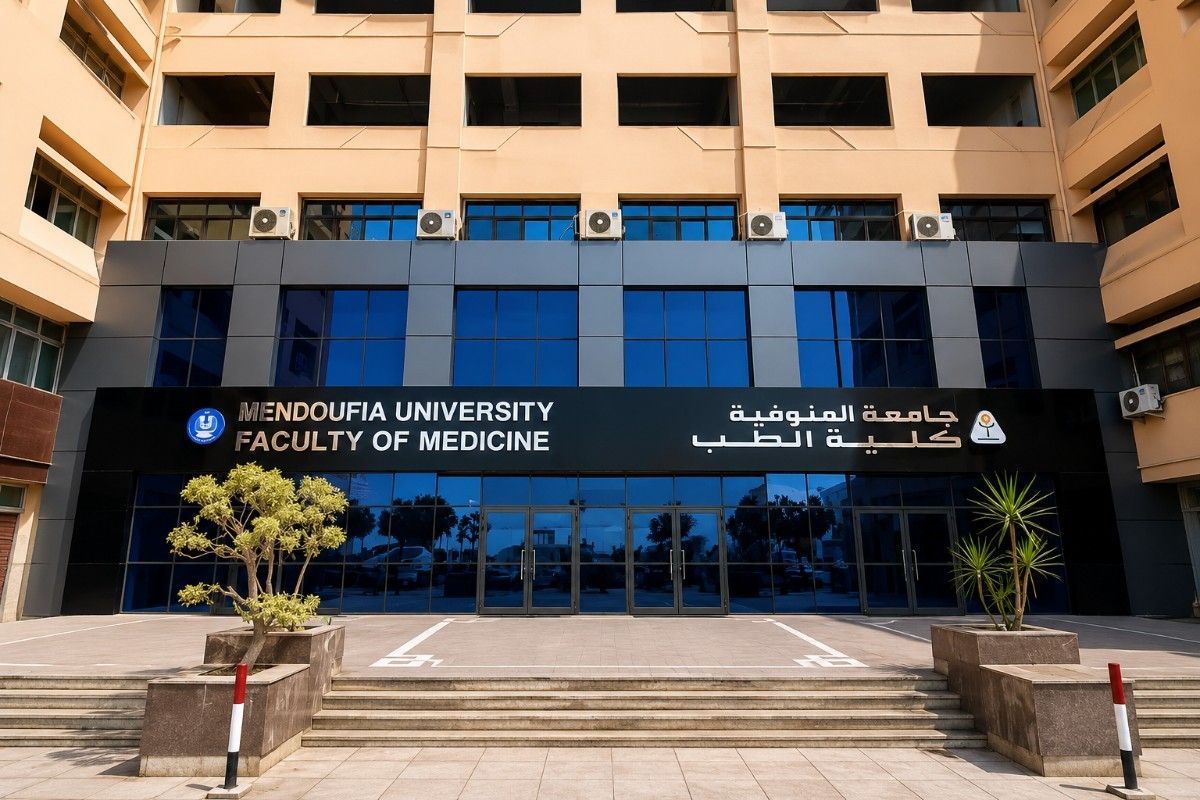
 Egypt | Est. 1976
Egypt | National Authority for Quality Assurance and Accreditation of Education (NAQAAE), Egypt (2013) | English (international track); Arabic (local track) medium
Expert will call you within 2 hours
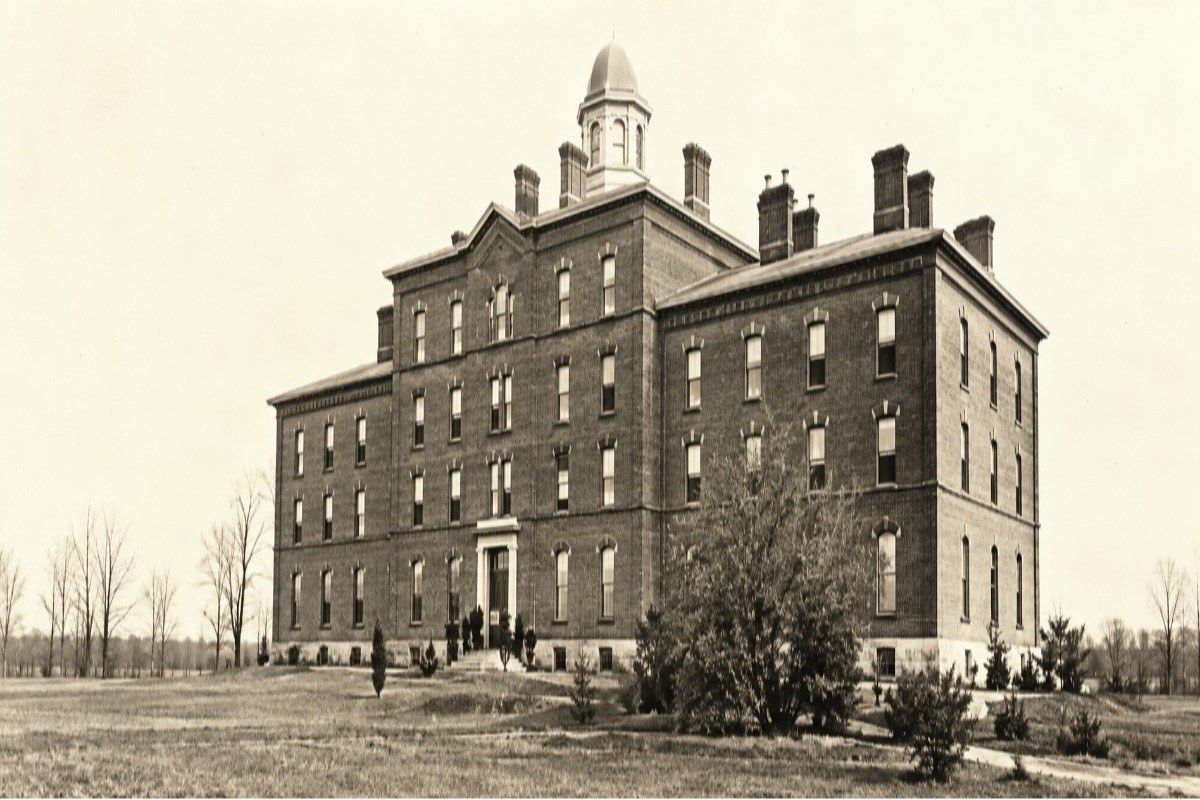
The majority of the medical faculties in Egypt can be traced to the establishment of either an anatomy hall or teaching hospital. This is not the case with Menoufia Faculty of Medicine since Presidential Decree No. 1142 founding the faculty in 1976 did not give way to a dedicated campus. This is because construction of the faculty's building was not completed by then thus the first batch of 54 students was taught at the National Liver Institute.
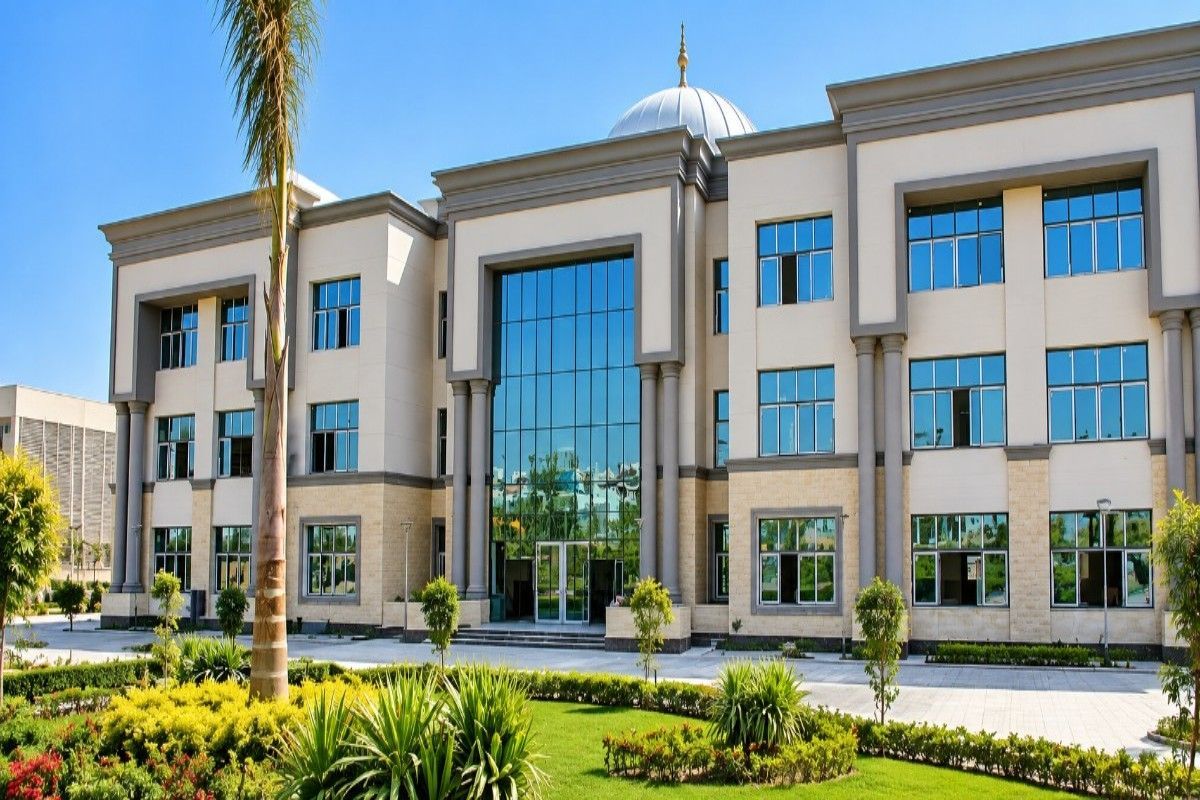
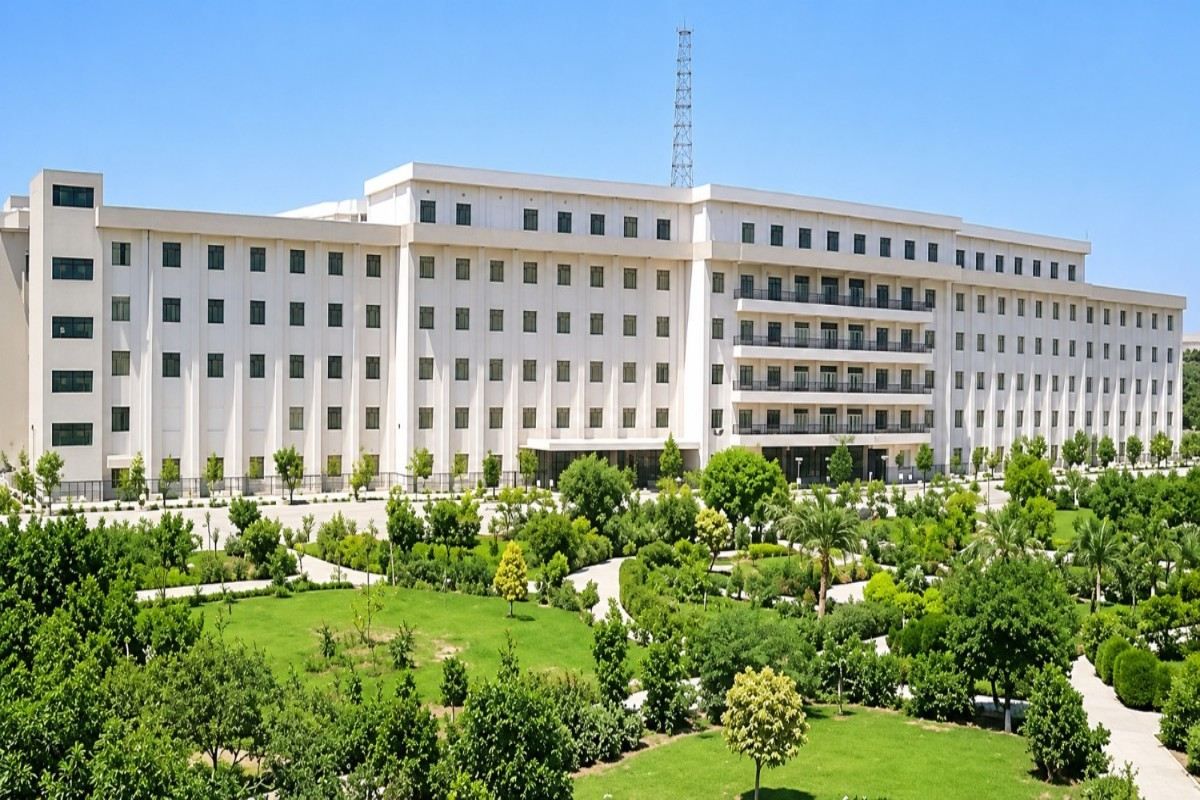
Clinical teaching did not begin until 1984 and the faculty eventually got its own campus premises in 1986. The long period from establishment to realization is rare even among the newly founded universities in Egypt. It also helps in explaining the deep relationship of the faculty with liver diseases research. The National Liver Institute eventually became one of the best Arab centers specializing in hepatitis treatment.
Menoufia University is located in Shebin El-Kom which is a city in the Nile Delta approximately 75 kilometers away from Cairo. The city makes it possible for the students to benefit from proximity to the capital without having to endure the hustle in the city. The university started with four faculties and an approximate number of 9,500 students in 1976. It is now among the largest universities in Egypt with 22 faculties and institutes and a total of almost 80,000 students.
The Faculty of Medicine is relatively small compared to some of the universities in Egypt. Thus, students are able to attend small class sizes and small groups of interns in hospitals. For the international and Indian students, the six years of the program include five years of academics and compulsory one year of internship within the university's affiliate hospitals. Some educational counselors may indicate longer internship periods based on the arrangements made for training.
The first three years of the medical program involve foundational medical sciences courses like anatomy, physiology and biochemistry. The student gets into introduction to clinical skills training much sooner than one would expect. The subjects include things like patient interaction, history taking and examination techniques among others. This emphasis on clinical skills is frequently emphasized by the university.
As the student progresses, he gets into other subjects like pathology and major clinical subjects. The clinical rotations are done at Menoufia University Hospital and the affiliates. In contrast to what happens at other programs where there is heavy reliance on external rotations, the bulk of the rotations here is within the healthcare network of the university. This gives the students a continuity throughout their medical education.
The common question for the students who are wondering whether to join Menoufia Faculty of Medicine is why to join this institution compared to other more popular institutions like Cairo University and Ain Shams University. This choice depends on the cost of learning and learning environment. The total tuition cost for the whole program is estimated to be around USD 35,000 to USD 40,000 which is relatively low for an Egyptian medical program.
It also does not have any donation or capitation fee. Another advantage of joining the faculty is that it has a small number of students as compared to some of the other large medical schools in Egypt. This means that it will be easier for the students to connect with their tutors and get the practical exposure in the hospital. The disadvantage is that the faculty lacks the high international recognition like Cairo-based institutions.
This lack of recognition is however usually compensated with the small classes that are easy for the students to learn in and a long history of excellence in hepatology and liver medicine which remains a major strength of the faculty. Shebin El-Kom is a small Delta city rather than a tourist site. It is a relatively cheaper place to live compared to many other Egyptian cities.
On the other hand, the capital city is near enough to make it possible for the students to travel for airport, special hospitals and sightseeing. This is why many international students prefer studying here. University housing is gender-segregated and provided in shared rooms. These hostels usually have 24/7 security, CCTV and fire safety systems. In addition, many hostels offer Indian food choices including vegetarian and non-vegetarian foods.
Some of the facilities in the campuses include libraries, cafeteria, sports complex, and banking services. The healthcare is available for the medical students through the on-campus arrangements with the Menoufia University Hospital. Therefore, the students are able to access all necessary services academically and personally in the vicinity of their hostels. This makes the life of the students more convenient.
One notable thing about the Menoufia University is the difference between the size of the university and the size of its medical faculty. While the wider university serves approximately 80,000 students in several campuses, the faculty has grown relatively slowly. This has enabled it to retain the small class sizes unlike in some bigger medical schools. This is seen by many as an advantage.
On the other hand, being a small faculty also means that the number of the specialized departments is not as many as at institutions like Cairo University and Ain Shams University. A student looking for many subspecialties will do better at the large institutions but the faculty retains some niche in hepatology. Therefore, the expertise in the area of liver disease remains one of the biggest strengths of this institution.
Concerning the accreditation, the faculty got the accreditation by Egypt's National Authority for Quality Assurance and Accreditation of Education (NAQAAE) in 2013. It is also recognized internationally being listed in the World Directory of Medical Schools. This gives the graduates eligibility for pursuing the licensing pathways like NMC in India, USMLE in the United States and PLAB in the UK.
No hidden charges, no donation. The full picture of costs at MBBS In Menoufia University Faculty of Medicine.
Tuition Fee
Approximately USD 5,800-6,700 (Approx. Rs. 4.85 lakh-5.60 lakh)
USD 5,800-6,700 Approx. Rs. 4.85 lakh-5.60 lakh
Hostel Fee
Approximately USD 800-1,200 per year (Approx. Rs. 66,800-1.00 lakh)
USD 800-1,200 Approx. Rs. 66,800-1.00 lakh
Food & Meals
USD 500-800 Approx. Rs. 41,750-66,800
per year
Insurance
USD 150-250 Approx. Rs. 12,530-20,880
per year
Donation
No Donation
No Hidden Fees.
Total Estimated Cost
Approx. USD 35,000-40,000 for the complete 6-year programme
total 6 year
25–35%
Average FMGE first-attempt pass rates for students from many overseas medical universities. Students from structured programs consistently score higher.
Students returning to India need to clear the FMGE/NExT exam. MBBS In Menoufia University Faculty of Medicine integrates exam-oriented coaching into the regular curriculum so students are prepared from day one.
A structured program that takes you from foundational sciences to clinical mastery.
• Foundational biology and introduction to normal body structure
• Human anatomy, histology, and medical biochemistry
• Introductory clinical-skills training: patient interaction, history-taking, and basic physical examination
• Medical physiology, microbiology, and parasitology
• Introduction to disease mechanisms and diagnostic reasoning ahead of clinical rotations
• General and systemic pathology, pharmacology, and community medicine
• Training in clinical pathology, radiology, and forensic medicine
• Clinical rotations in internal medicine and general surgery at Menoufia University Hospital
• Hepatology and gastroenterology rotations at the affiliated National Liver Institute
• Rotations in paediatrics, obstetrics and gynaecology, and psychiatry
• Independent patient management under supervision, ahead of licensing and NMC screening exams
• Supervised, hands-on rotating internship across major departments within university hospitals

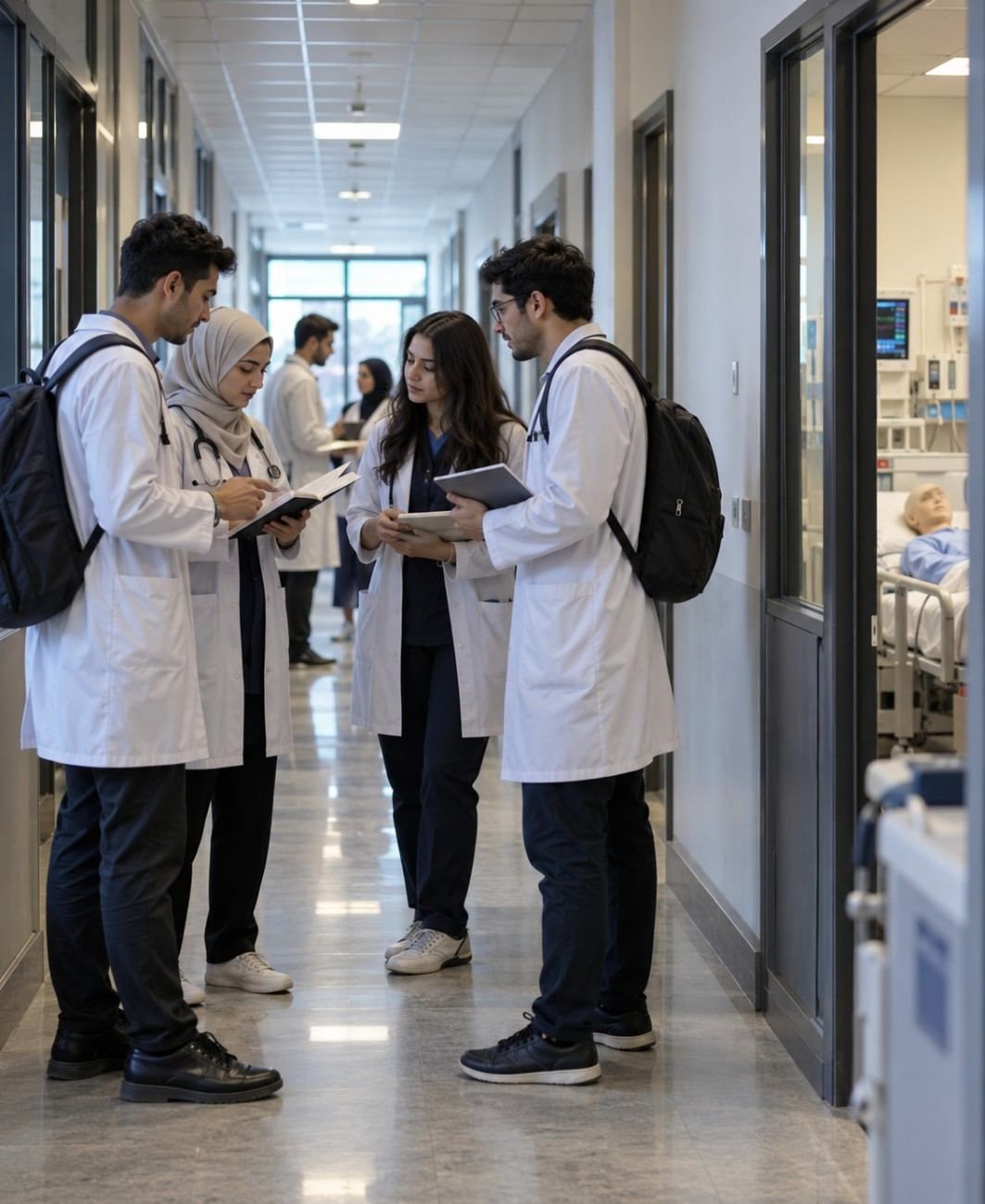
Furnished hostel rooms with Wi-Fi, laundry, 24/7 security, and Indian mess on or near campus.
Indian restaurants and mess facilities serving vegetarian and non-vegetarian home-style food daily.
Strong Indian community with cultural events, festival celebrations, and peer support groups.
Students get hands-on clinical training in government and private hospitals affiliated with the university.
Practical information for students planning to study at MBBS In Menoufia University Faculty of Medicine.
Prepare for all seasons. Thermal wear for winters, light clothing for summers. University provides heating in hostels.
Student visa processed with university invitation letter. Direct and connecting flights from major Indian cities.
Health insurance included in fees. Medical facility on campus plus city hospitals easily accessible.
Local SIM cards available. WhatsApp and video calls keep you connected with family back home.
Average monthly expenses of $150–$250 covering food, transport, and personal needs.
University library, online databases, and study groups. Seniors mentor juniors through academic challenges.
Our team guides you through every step — from application to arriving on campus.
Our Egypt specialist provides an honest overview of Cairo University vs Ain Shams vs ERU, English-medium status, FMGE outcomes, safety assessment, and total cost comparison.
We provide the Egypt-specific checklist. All documents are verified before university submission.
Direct submission to the suggested university. Offer letter typically within 7–14 days.
Either the students or our team receives the offer, walks you through the terms, and manages the initial fee payment.
We manage visa applications to the Egyptian Embassy in New Delhi, a minimum of 6 weeks before departure
Cairo city orientation, accommodation, Egyptian transport, food, currency, safety zones, and first-week logistics.
We advise on routing to Cairo International Airport (CAI). Confirms arrival with the local team.
Our Cairo representative meets you at the airport. No student arrives unsupported.
Hostel check-in and university registration handled by AMW's local Egypt team.
Our team files the student residence permit at the Egyptian Ministry of Interior within your first weeks. Renewed annually.
Admission Helpline — Contact our counsellors for step-by-step assistance.
“The faculty here is incredibly supportive. The clinical training during hospital rotations has given me real confidence in patient care.”
“Affordable fees without compromising on quality. The campus facilities and hostel life made my transition abroad very smooth.”
“English medium instruction and WHO-recognized curriculum were the deciding factors for me. No regrets so far — excellent experience overall.”
“The university helped with everything from visa to accommodation. Hospital exposure from year three has been invaluable for my FMGE prep.”
“Just cleared my licensing exam on the first attempt. The structured coaching and mock exams during final year were a game-changer.”
“Safe campus, good food options, and a strong Indian student community. The teaching methodology is very practical and hands-on.”
A: Its founding class was taught at the National Liver Institute, giving the faculty a lasting strength in hepatology and gastroenterology.
A: Yes. The international track is taught fully in English, though Arabic remains common on the hospital wards.
A: Yes. It is listed in major medical education directories, and graduates must clear NMC screening to practise in India.
A: Graduates from recognised medical schools may be eligible, provided they meet the respective examination boards' criteria.
A: Yes. Indian applicants must qualify NEET to be eligible for admission and for future recognition in India.
A: It is an affiliated specialist hospital hosting hepatology and gastroenterology rotations alongside general clinical training.
A: Six years in total: five years of academic study followed by a rotating internship inside the university's hospitals.
A: It is a modest Nile Delta town with low living costs, roughly 75 km from Cairo and its airport and hospitals.
A: Yes. Gender-separated hostel rooms with round-the-clock security, CCTV, and an Indian mess are available on campus.
A: Applicants typically need academic transcripts, a valid passport, NEET documentation, and completed application forms.
Our expert counsellors will guide you through the complete admission process — from documents to airport pickup.