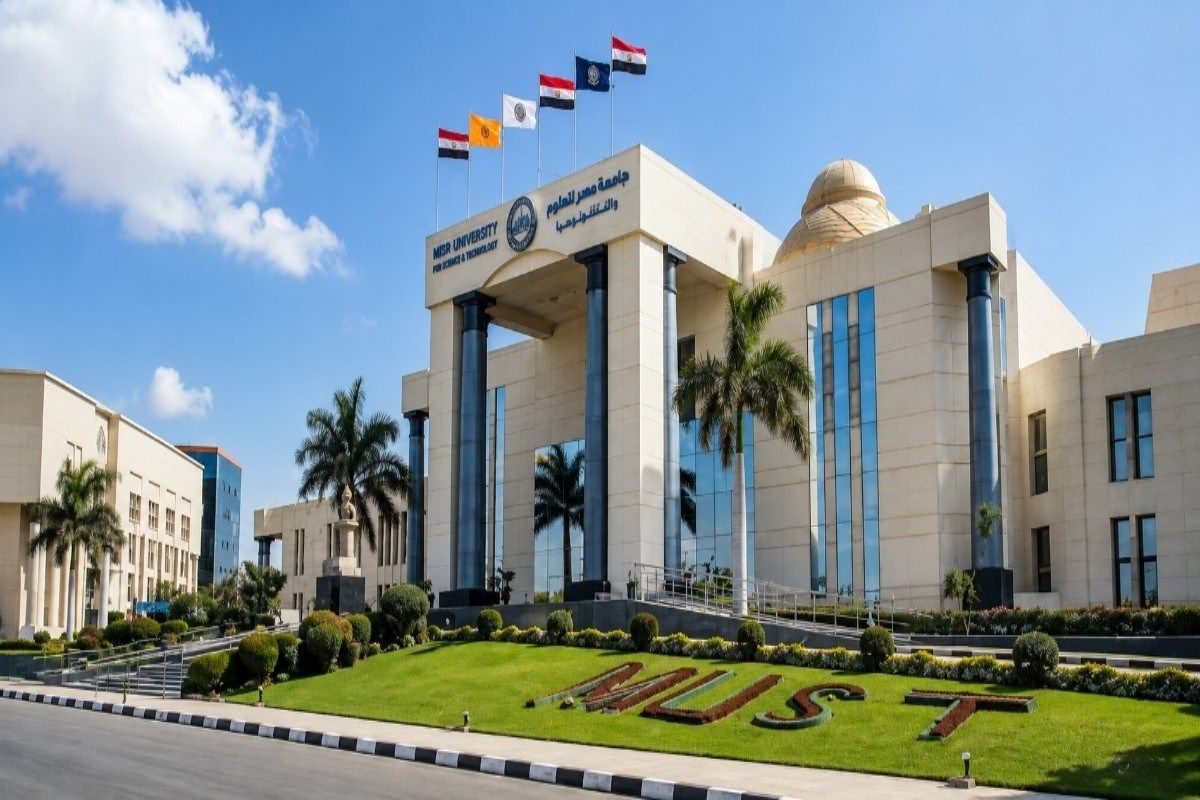
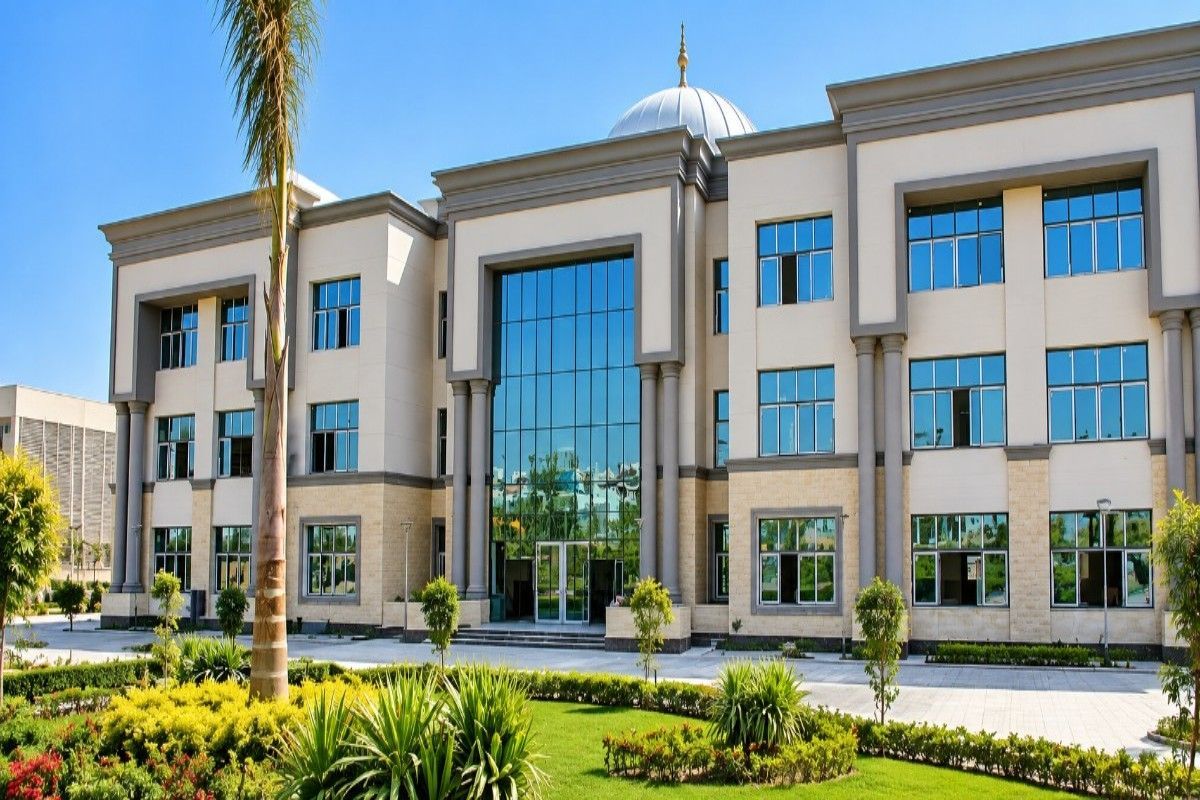
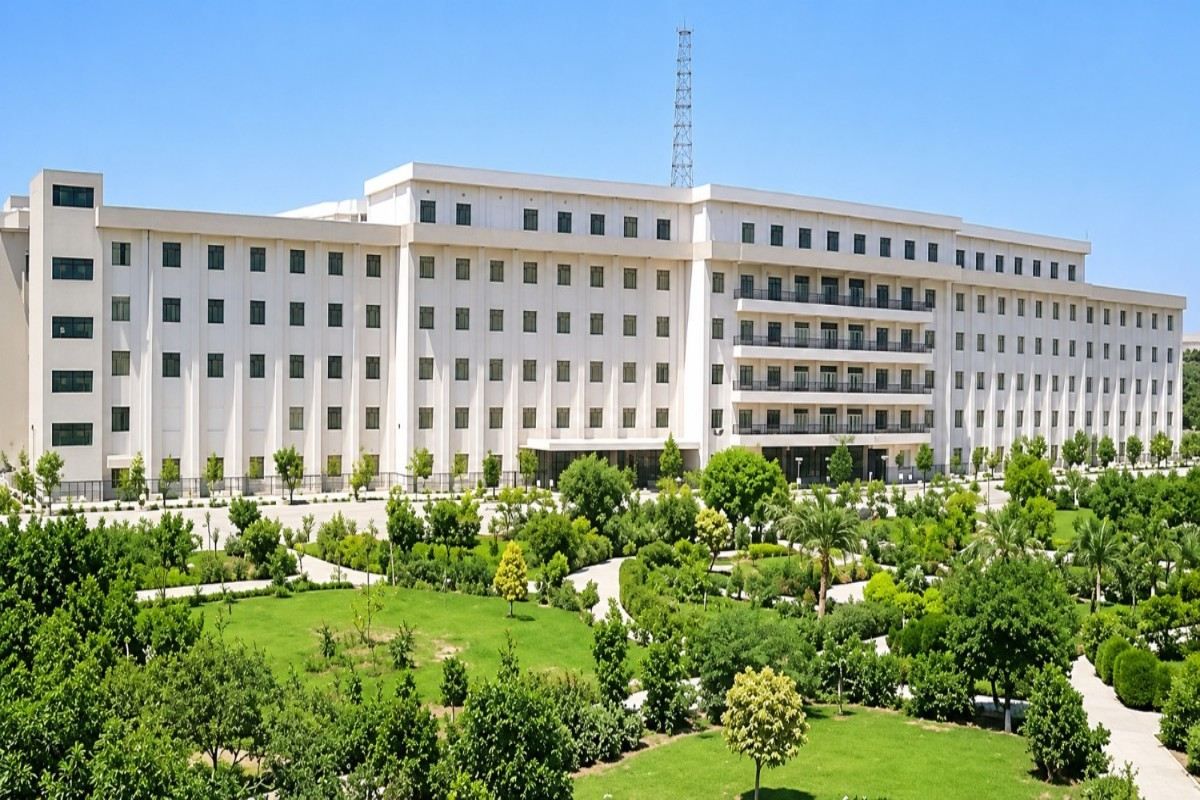
Most people just call it MUST, short for Misr University for Science and Technology. It was established by presidential decree in 1996, one of Egypt's first private universities, and is based in 6th of October City, a large satellite city west of Cairo built specifically to host universities, hospitals and industry away from the older city centre. Today the wider university enrols an estimated 35,000 students across 14 faculties, and it holds membership in the Association of Arab Universities, the Association of African Universities, and the International Association of University Presidents.
The College of Medicine is described by the university itself as dating back to the university's own founding in 1996, making it, by MUST's own account, one of the longer-running private medical colleges in Egypt, though independent trackers suggest the medical programme itself may only have actually launched in the early 2000s, once the college's own facilities and staff were in place. Either way, the college has now been operating for roughly two decades or more, giving it a genuinely established position among Egypt's private medical schools, distinct from some of the very recently opened schools covered elsewhere on this site.
Here is a genuinely recent and important development for anyone weighing MUST against other MBBS-abroad options. The College of Medicine's own announcements confirm that it only recently received formal academic accreditation from Egypt's National Authority for Quality Assurance and Accreditation of Education, NAQAAE, describing it as a new milestone in the college's history. That is worth reading carefully: a college that has been teaching medicine for two decades only secured this specific national quality accreditation relatively recently, which is a meaningfully different position from an older public Egyptian medical school that has held it for far longer. This is not a reason to rule MUST out, and NAQAAE accreditation is a genuine, credible achievement, but the recency of it deserves the same attention as the accreditation gaps flagged on some of the Turkish schools covered elsewhere on this site.
Unlike the Turkish universities covered elsewhere here, where NEET typically only matters for India's own recognition process rather than for the university's own admission process, MUST builds NEET directly into its own admissions steps. Indian applicants are explicitly required to hold, or sit, a qualifying NEET score as part of the formal application process itself, alongside more conventional academic requirements: either a minimum aggregate of 58 percent across Physics, Chemistry and Biology at the higher secondary level, or an equivalent O-level route requiring at least a grade C across eight subjects. This makes MUST, and Egypt more broadly, one of the more thoroughly India-oriented MBBS-abroad pathways among the destinations reviewed on this site, reflecting a much longer-established pipeline of Indian students into Egyptian private medical education than into Turkey's newer English-track programmes.
Clinical training is anchored at Souad Kafafi University Hospital, MUST's own teaching hospital, which the university describes as the first university-owned hospital at any private university in Egypt, staffed by more than 300 affiliated doctors across over 40 clinical specialities. Teaching itself runs fully in English for medical subjects, and the curriculum shifted toward a competency-based, early-clinical-exposure model starting in the 2017-2018 academic year, a more contemporary structure than some of Egypt's older public medical faculties still use.
Cost is the area where an applicant needs to do the most independent legwork. Reported international tuition figures vary meaningfully across sources, from roughly 12,000 to 15,000 US dollars a year at one tracker, down to a figure closer to 7,000 to 8,000 US dollars a year at an India-facing admissions consultancy, while the university's own domestic fee table is published in Egyptian pounds, a currency that has depreciated sharply and repeatedly against the US dollar in recent years. That currency volatility means a fee quoted in Egyptian pounds one year can translate to a very different dollar figure the next, even before any underlying tuition increase. Applicants should specifically ask whether their quoted fee is fixed in US dollars or denominated in Egyptian pounds before budgeting multiple years ahead.
Cost Breakdown
Cost Item | Amount | Notes |
Tuition Fee (International, per one independent tracker) | approx. USD 12,000-15,000/year | Reported by Medical Education Atlas; higher than the figure quoted by some India-facing consultancies |
Tuition Fee (International, per India-facing admissions consultancies) | approx. INR 6-7 lakh/year (roughly USD 7,000-8,400) | A notably lower figure than the tracker above; the gap is large enough to require direct written confirmation |
Tuition Fee (Domestic, Egyptian students, 2025/26) | EGP 225,000/year | Published in Egyptian pounds; the currency has depreciated sharply and repeatedly against the US dollar in recent years, so this figure's dollar equivalent is unstable |
Living Costs | approx. USD 3,000-5,000/year | 6th of October City and greater Cairo; generally lower than Istanbul or major European cities |
Approximate Total Tuition (International, full 6-year MBBCh) | USD 42,000-90,000 depending on which reported fee applies | The spread between sources is unusually wide; confirm the exact current figure, and whether it is dollar-fixed or EGP-denominated, before applying |
Note: given both the wide spread between sources and genuine Egyptian pound volatility, treat every figure above as indicative only, and request written confirmation, in US dollars if possible, directly from MUST's own admissions office before committing to an application.
Why MUST Deserves A Closer Look Than Most Guides Give It
Most generic 'study medicine in Egypt' guides mention MUST alongside a handful of other Egyptian private universities, quoting a single tuition figure without acknowledging how much that figure actually varies by source, or what has recently changed about the college's accreditation status.
The accreditation timeline deserves more attention than it usually gets. NAQAAE accreditation is a genuine, credible national quality mark, but MUST's own announcements frame it as a recent achievement rather than something the college has held for decades. An applicant comparing MUST against an older, longer-accredited public Egyptian medical school should weigh that timeline honestly rather than assuming all Egyptian medical accreditation is equally long-standing.
The NEET requirement is also worth stating plainly, because it marks a real structural difference from the Turkish universities covered elsewhere on this site. At MUST, a qualifying NEET score is built directly into the university's own admission steps, not simply a separate Indian regulatory requirement layered on afterward. This reflects just how established the India-to-Egypt MBBS pipeline already is, and it means Indian applicants should treat their NEET score as directly relevant to MUST's own admissions decision, not just to their eventual recognition back home.
Finally, the fee discrepancy here is unusually wide even by the standards of the other schools covered on this site, ranging from roughly 7,000 to 15,000 US dollars a year depending on the source, compounded by genuine Egyptian pound volatility on the domestic side of the fee table. Any applicant treating a single quoted figure as final, without confirming both the currency and the current year's rate directly with MUST, risks a real budgeting surprise.