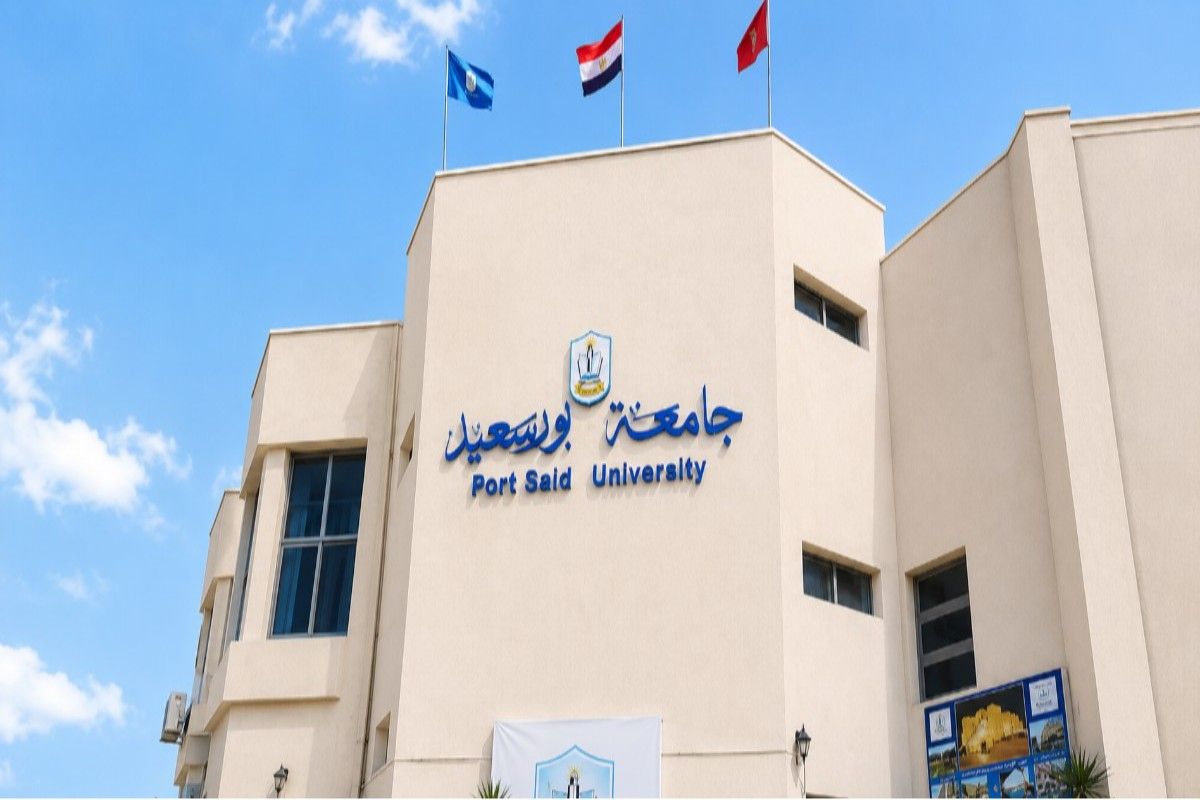
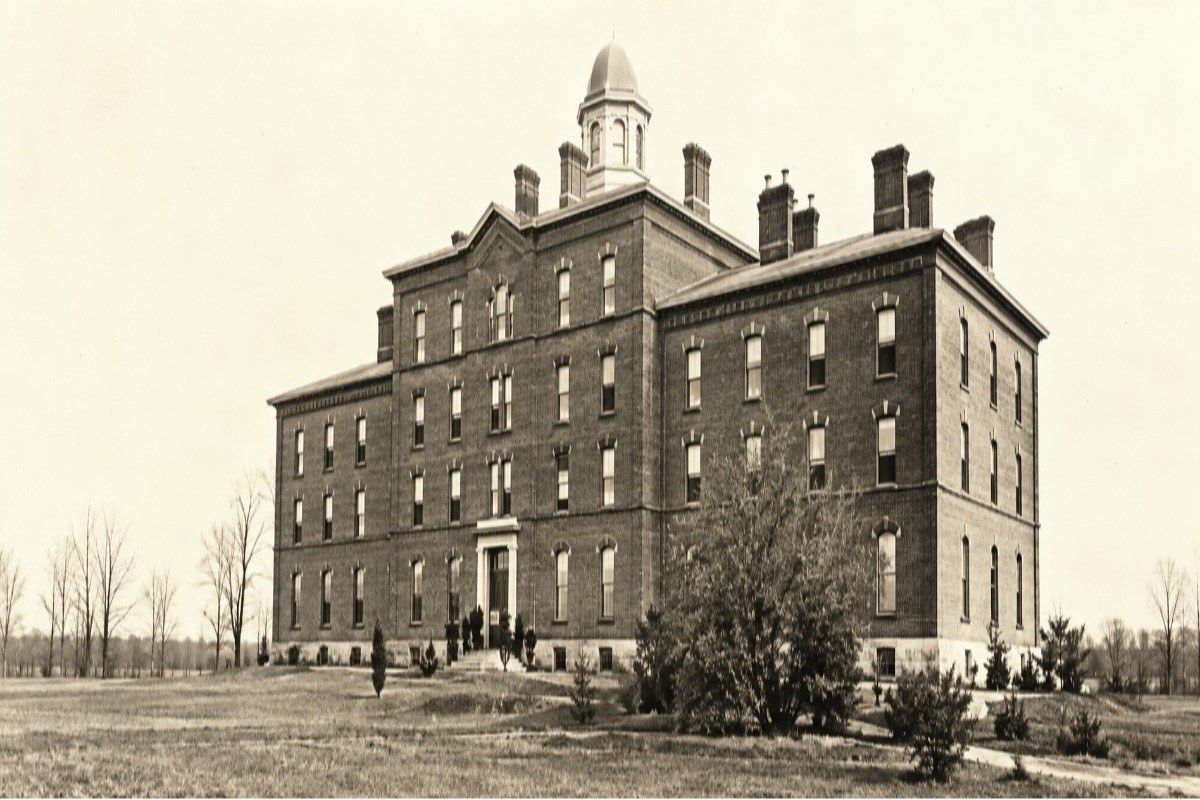
People mostly just call it PSU for short. It was formed in 2010, when Egypt's own president decided to establish it specifically to replace Suez Canal University's own Port Said branch, which had itself originally been established back in 1976. So, this university's own founding traces to a specific, dated administrative split, rather than an entirely new institution built from scratch.
Here is a fact most guides skip entirely. PSU comprises 13 faculties in total, spanning Preschool Education, Physical Education, Medicine, Special Education, Arts, Science, Management Technology and Information Systems, Nursing, Teaching, Commerce, Engineering, Pharmacy, and Law. So, this university's own academic scope is genuinely broad, considerably wider than a narrowly health-focused institution.
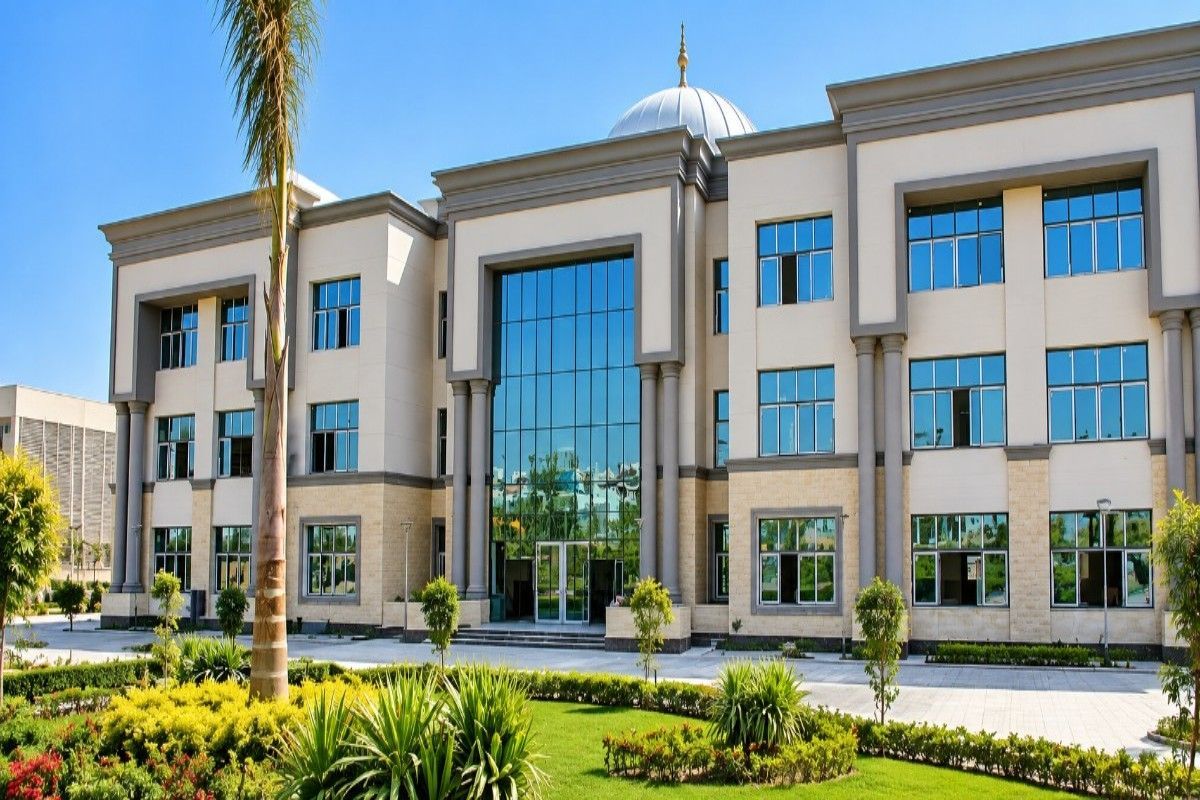
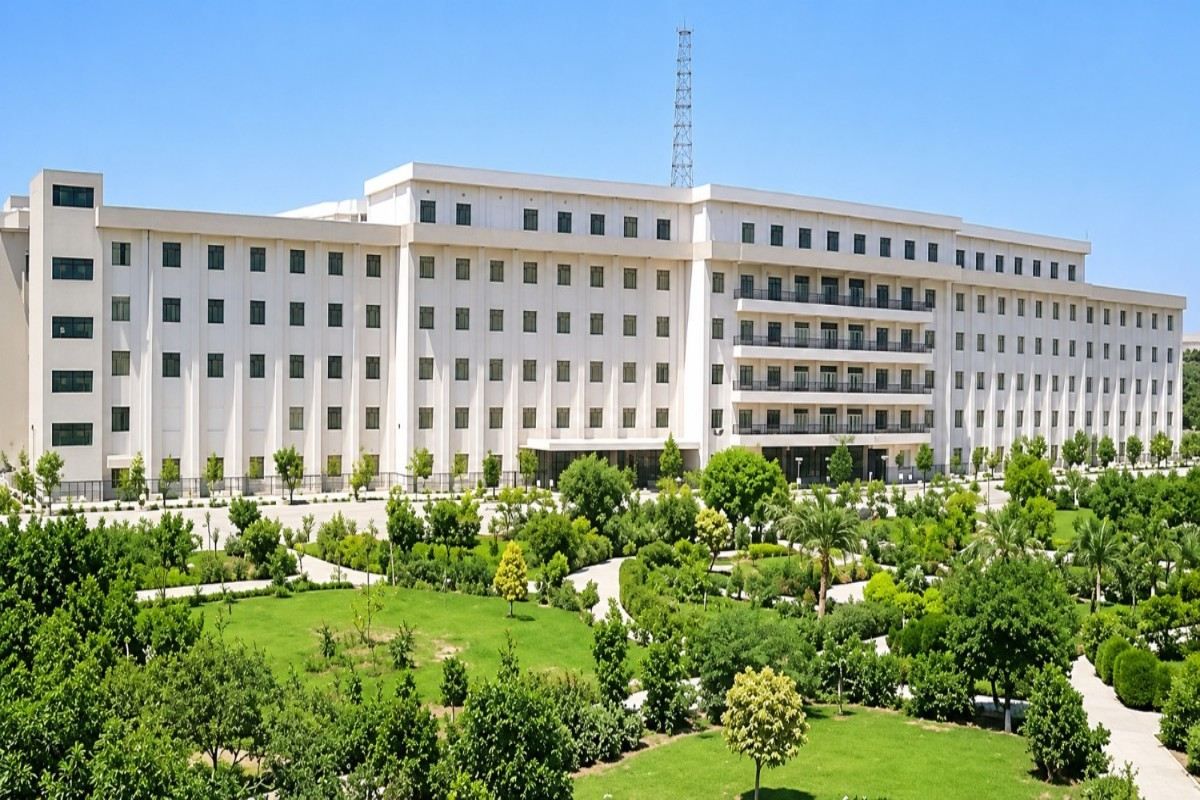
PSU is located at El Zohor, in Port Said, Egypt, and is officially accredited by Egypt's own Ministry of Higher Education, with its faculties specifically approved by the National Authority for Quality Assurance and Accreditation of Education, NAQAAE. The university holds a QS Sustainability Ranking of 1301-1400 for 2026, a genuinely specific, independently tracked figure rather than a vague claim of quality.
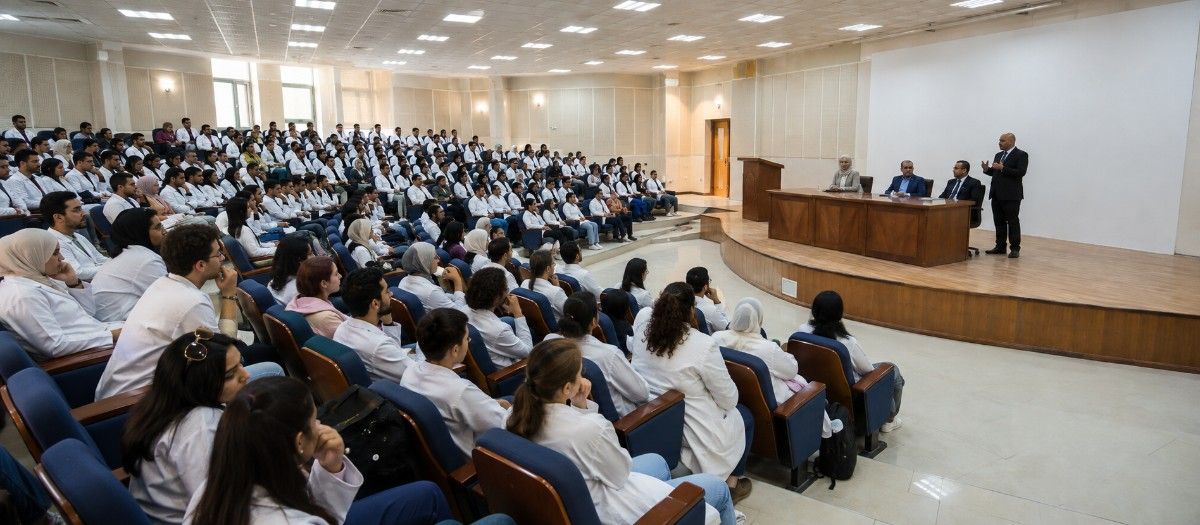
A genuinely useful, specific detail worth knowing is how PSU structures its own MBBS clinical training timeline. Clinical experience specifically begins in the third year of study, giving students real, hands-on exposure to patients considerably earlier than some comparable programmes that delay clinical contact until later years. The programme runs six years in total, including internship, with five years covering theoretical study and laboratory experiments, followed by a compulsory one-year internship.
Here is a genuinely specific, useful detail for international students. PSU's own internship structure offers real flexibility, since the final year's internship can be completed either in Egypt itself or in one of its neighbouring countries, rather than being fixed exclusively to Egyptian hospitals. So, applicants planning their own post-graduation pathway may find this specific structural choice genuinely useful to know about directly.
International applicants are described as receiving their admission letters within one week of submitting and having their credentials verified, a genuinely fast turnaround compared to some other universities covered in comparable guides. Admission is granted based on the submitted application, eligibility criteria, and the candidate's own marks, with a valid, qualifying NEET score required specifically for Indian applicants.
NEET remains a genuine requirement for Indian applicants here, exactly as it does for MBBS study in most other countries, and Indian graduates would still need to clear the FMGE or NExT exam to practise medicine back in India.
Port Said itself is a genuinely significant Egyptian port city, sitting at the northern entrance to the Suez Canal, giving the wider city a real, distinctive maritime and trading character quite different from Cairo or Egypt's more inland cities. This location gives students at PSU a genuinely specific coastal Egyptian setting, alongside real, practical proximity to the Mediterranean coastline and the canal's own significant role in global shipping and trade, a distinctive backdrop for daily student life beyond the university itself.
Given the genuine uncertainty found around the Faculty of Medicine's own precise establishment history, and given how much detail nonetheless exists describing its current curriculum, admission process, and clinical training structure, prospective applicants should weigh this as a real, practical signal that PSU's own Medicine programme may be comparatively newer than some of Egypt's older, more established public medical faculties, even while functioning with genuine, documented structure today. This is worth factoring into any serious comparison against longer-established alternatives, alongside PSU's own genuinely useful specific features like early Year 3 clinical exposure and flexible internship location.
Fee figures here require genuine care, since the specific figures found describe PSU's own general programme range rather than a confirmed, Medicine-specific rate.
Cost Item | Amount | Notes |
Tuition Fee (PSU general range, all programmes) | USD 1,200-5,000/year | Reported for international students generally across PSU's own programmes; not confirmed as Medicine-specific |
Tuition Fee (Medicine, general Egyptian public-university reference) | USD 6,000-10,000/year | A broader reference figure for Medicine and Dentistry specifically at Egyptian public universities generally; not confirmed as PSU-specific |
General Undergraduate Reference (Egyptian public universities broadly) | EGP 30,000-150,000/year (approx. USD 1,000-5,000) | A general reference range, with Medicine, Engineering, and Pharmacy typically toward the higher end |
Application/Registration Fees | Not consistently published | Confirm directly with the university |
Scholarships | Not consistently detailed in available sources | Confirm current eligibility and amounts directly |
Total Cost | Genuinely unconfirmed as a specific Medicine-only figure | Request PSU's own current, official, Medicine-specific fee schedule directly before budgeting |
Note: no capitation fee is confirmed at any stage. Given the genuine gap between PSU's own general programme fee range and the higher figures typically associated with Medicine at comparable Egyptian public universities, request an itemised, Medicine-specific breakdown directly.
Why Port Said Deserves a Harder Look, and a More Careful One
Most lists mention Port Said University as just another Egyptian public medical school. However, they do not explain the genuine uncertainty around whether Medicine is fully established, or how early clinical training actually begins here. The reason is simple. It is about a real, honest discrepancy worth flagging, and a genuinely early clinical exposure timeline.
Port Said is not like most other Egyptian public universities when it comes to a clear, unanimous picture of its own Faculty of Medicine's status. In fact, one specific source describes Medicine only as a planned future addition, while several other, more detailed sources describe a fully functioning faculty with specific admission processes already in place. Furthermore, this genuine discrepancy deserves honest, direct flagging, not confident repetition of either claim alone.
The programme's own clinical training timeline also matters more than most guides let on. For example, most guides describing Egyptian medical programmes describe clinical exposure beginning in Year 4 or later. PSU's own materials specifically state clinical experience begins in Year 3. Moreover, this earlier clinical exposure is a genuine, specific structural detail worth knowing directly, not an assumption carried over from other Egyptian medical faculties.
One thing most other blogs miss is PSU's own genuinely flexible internship location policy. In addition to standard Egyptian internship requirements, PSU specifically allows the final year's internship to be completed either in Egypt or in a neighbouring country. Since this is a real, specific structural choice not offered at every comparable Egyptian medical faculty, applicants planning their own post-graduation pathway get genuinely useful, concrete information here.