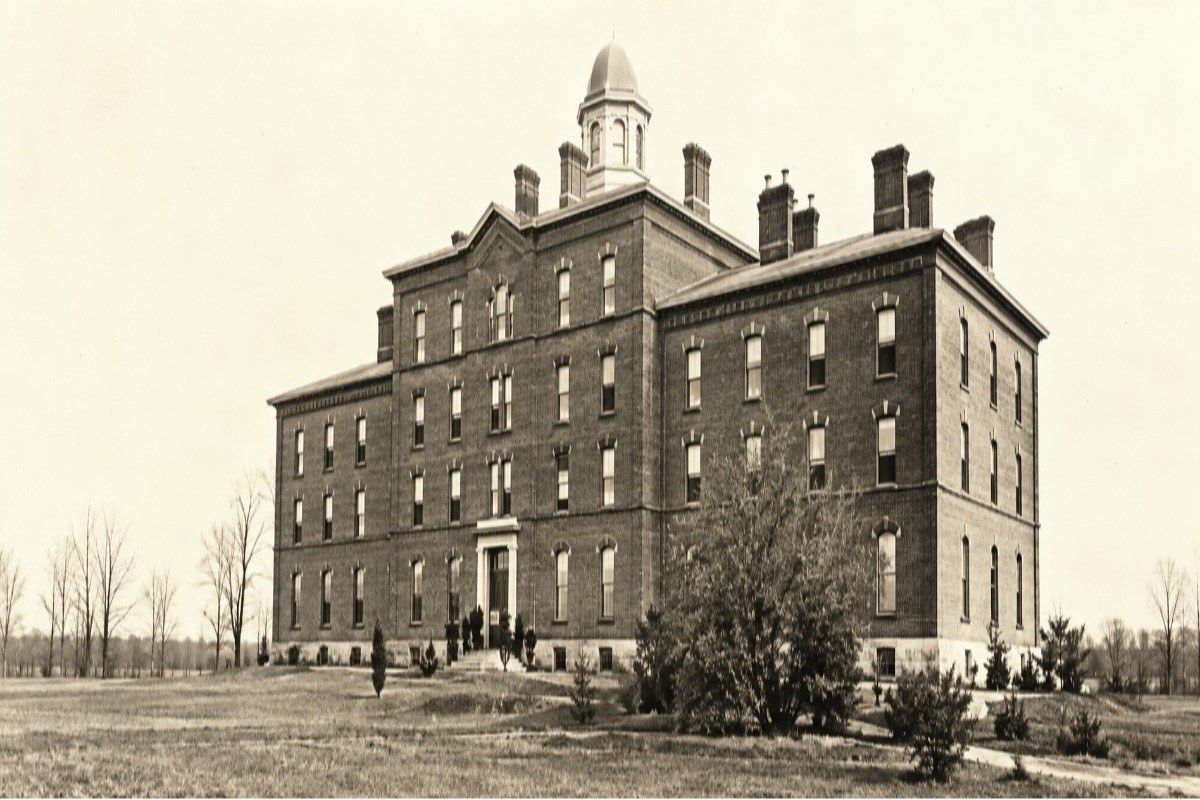
People mostly just call it SVNU for short. It was established by Egyptian Presidential Decree No. 420 of 2022, specifically created to expand high-quality higher education access across Upper Egypt. So, this university's own founding traces to the same broader, dated government initiative that produced several similarly structured Egyptian national universities that same year, including Minia National University and Menoufia National University, covered elsewhere in comparable guides.
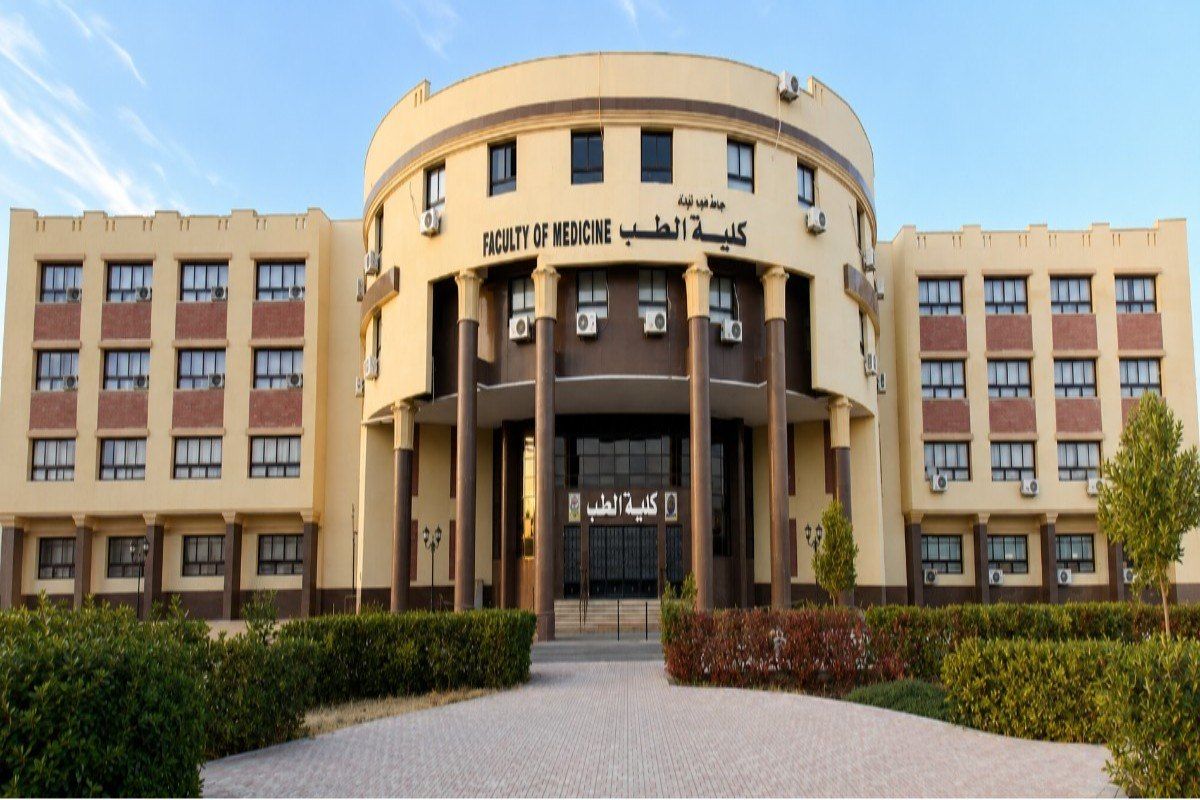
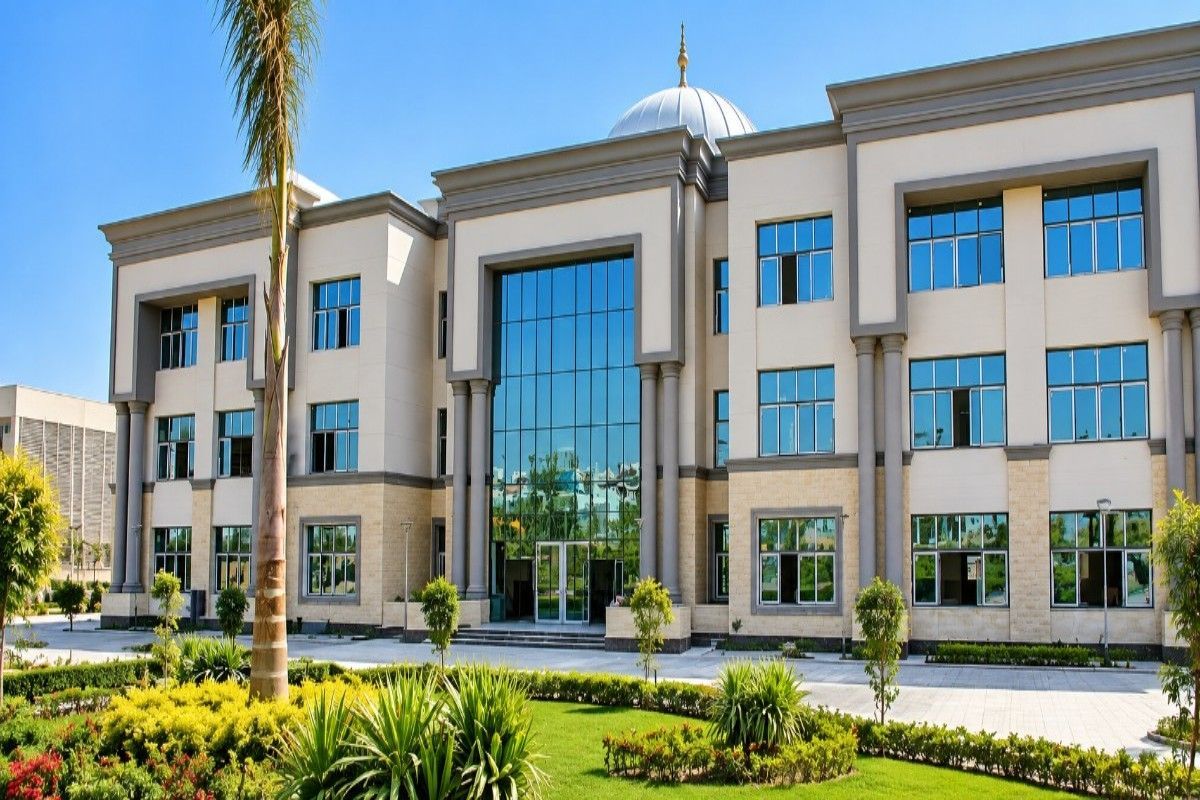
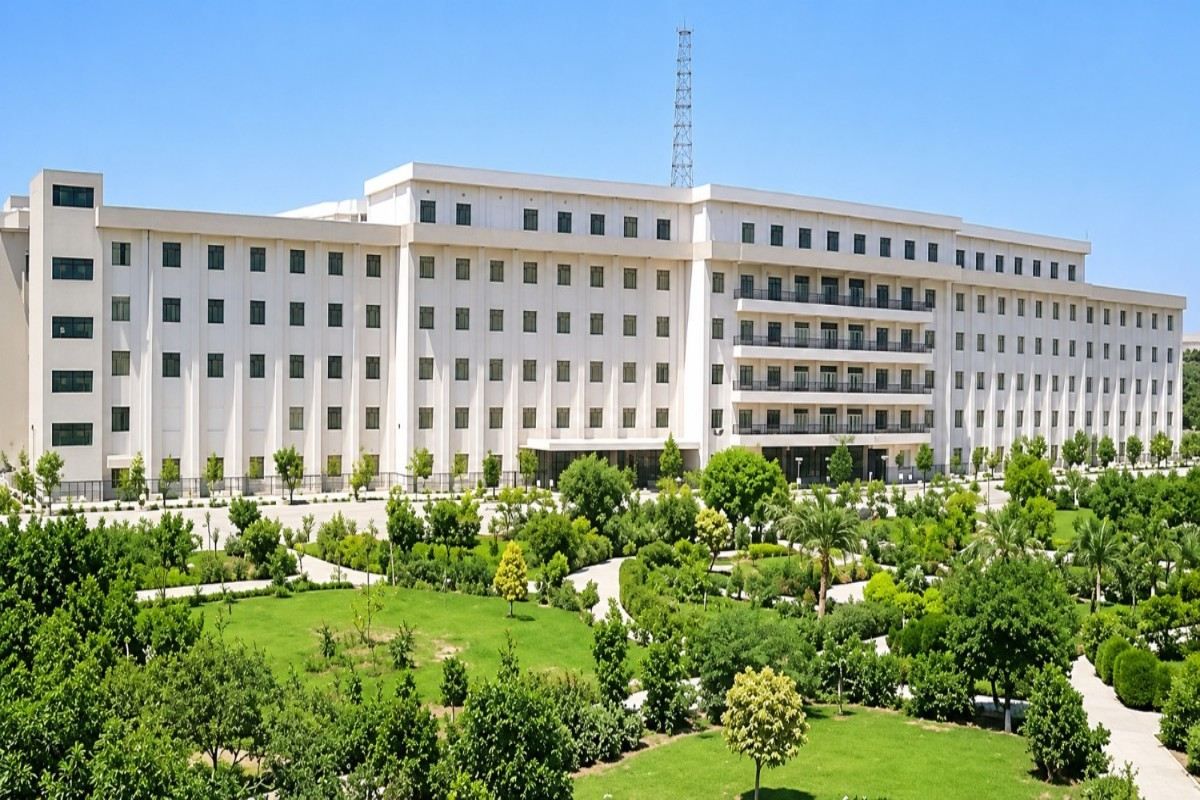
Here is a fact most guides skip entirely. SVNU's own campus arrangement is genuinely distinctive. Rather than occupying an entirely separate, standalone site, the university operates on its own independent campus specifically situated within the grounds of the older, considerably larger South Valley University. So, applicants researching SVNU should understand this specific, documented spatial relationship, sharing a general campus area with, while remaining institutionally and administratively separate from, its older namesake.
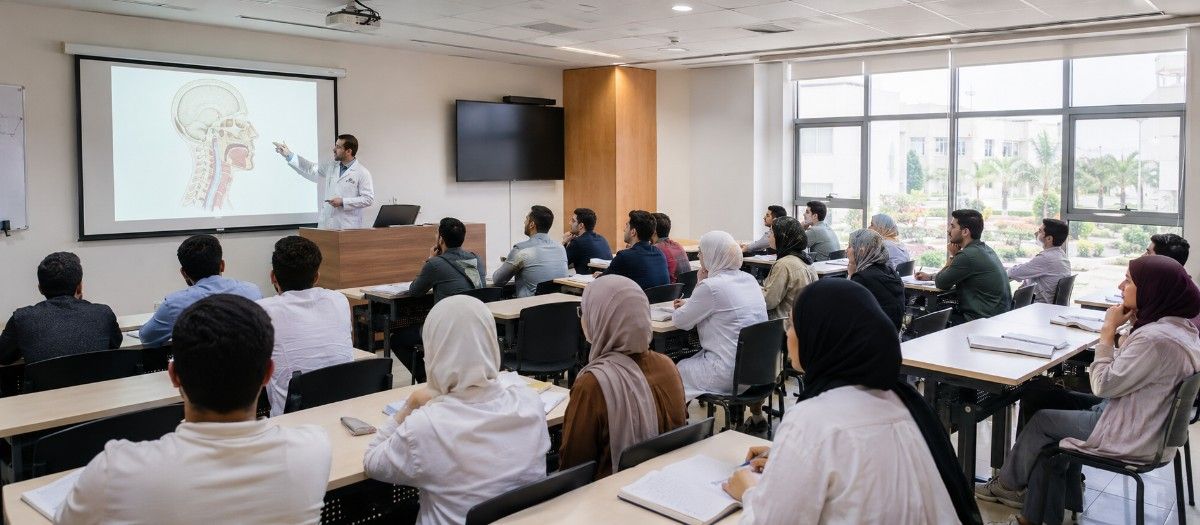
SVNU's own stated mission specifically combines modern facilities with applied academic study and labour-market-oriented training, reflecting a deliberate institutional emphasis on practical, employment-focused education rather than purely theoretical study alone. This mission-driven framing is consistent with the broader pattern seen across Egypt's 2022 wave of national universities, each explicitly designed to expand regional access to
while emphasising genuinely modern, contemporary teaching approaches.
Qena itself, the wider city hosting SVNU, sits as a large market town on the River Nile, directly next to the famous Greco-Roman temples of Dendera, giving the region a genuinely rich historical and archaeological backdrop. The city sits within Upper Egypt, considerably south of Cairo, and close to Luxor, the long-time tourist hotspot built on the site of ancient Thebes, itself a UNESCO World Heritage Site.
Here is a genuine information gap worth being upfront about. Beyond its own specific founding decree and campus arrangement, publicly available information about SVNU's Faculty of Medicine specifically remains genuinely limited. No specific, confirmed tuition fee figure for Medicine, no named teaching hospital, and no standard NEET-based Indian-student admission pathway comparable to those found at Egypt's more established private medical universities were confirmed across the sources reviewed for this profile.
NEET remains a genuine requirement for Indian applicants pursuing medical study in Egypt generally, and Indian graduates would still need to clear the FMGE or NExT exam to practise medicine back in India, though applicants should confirm SVNU's own specific admission policies directly, given how limited this information currently is.
Egypt's own broader wave of national universities, of which SVNU is part, reflects a genuine, deliberate government strategy to expand higher education capacity specifically across Upper Egypt's own governorates, an area historically served by fewer higher education options than Cairo or Alexandria. This wider policy context helps explain why SVNU's own campus was deliberately positioned within the older South Valley University's own established grounds, likely allowing the newer institution to draw on existing regional infrastructure and expertise rather than building an entirely isolated system completely from scratch.
Given how genuinely new SVNU still is, prospective applicants should weigh the real trade-offs carefully: a newer, purpose-built institution may offer more modern facilities and a smaller, more focused academic community, but it also carries genuine, honest uncertainty around its own track record, since it has not yet built up years of graduating classes, alumni outcomes, or independently verified quality data the way the older, considerably larger South Valley University, situated on the very same grounds, genuinely has.
Fee figures here represent a genuine, significant information gap worth stating plainly rather than inventing a confident number.
Cost Item | Amount | Notes |
Tuition Fee (Medicine, SVNU-specific) | Not consistently published | No source reviewed confirmed a specific, official Medicine fee figure for SVNU itself |
Tuition Fee (older, public South Valley University, for context only) | Reported as low for both domestic and international students | This applies to the separate, older public institution, not SVNU specifically; not directly comparable |
General Egypt MBBS Reference Range (for context only) | USD 3,000-7,000/year | A general reference range for Egyptian medical universities broadly; not confirmed as SVNU-specific |
Living Costs (general Egypt reference) | USD 200-300/month | A general reference figure for international students studying in Egypt |
Application/Registration Fees | Not consistently published | Confirm directly with the university |
Total Cost | Genuinely unconfirmed for SVNU specifically | Request SVNU's own current, official Medicine fee schedule directly before budgeting |
Note: this is one of the least publicly documented fee structures covered in guides like this one. Request a full, itemised, written fee schedule directly from SVNU before making any financial commitment.
Why SVNU Deserves a Harder Look, and a More Careful One
Most lists mention South Valley University in Qena without distinguishing between its older, public form and this specific, newer national institution. However, they do not explain the genuine, real risk of confusing the two, or SVNU's own distinctive shared-campus arrangement. The reason is simple. It is about a real naming overlap most guides skip entirely, and a genuinely specific institutional structure worth understanding.
SVNU is not like the older, public South Valley University when it comes to its own founding and structure. In fact, SVNU was established through a specific, dated 2022 presidential decree, genuinely distinct from the older institution's own 1995 founding as an independent university. Furthermore, applicants researching "South Valley University Qena" online risk finding extensive, detailed information about the older, considerably larger public institution when they actually mean this newer, separate national university.
The university's own shared-campus arrangement also matters more than most guides let on. For example, most guides describing a university's campus assume a single, standalone site. SVNU specifically operates its own independent campus located within the older South Valley University's own grounds. Moreover, this genuinely specific spatial arrangement is worth understanding directly, since it reflects a real, documented administrative and physical relationship between two formally separate institutions.
One thing most other blogs miss, or worse, paper over with invented figures, is just how limited SVNU's own publicly available information genuinely is beyond its founding decree and campus structure. In addition to standard due diligence, applicants should specifically request written confirmation of the Faculty of Medicine's own admission requirements, tuition fees, and any teaching hospital partnerships, treating this as a genuinely necessary step before applying, not an optional extra.