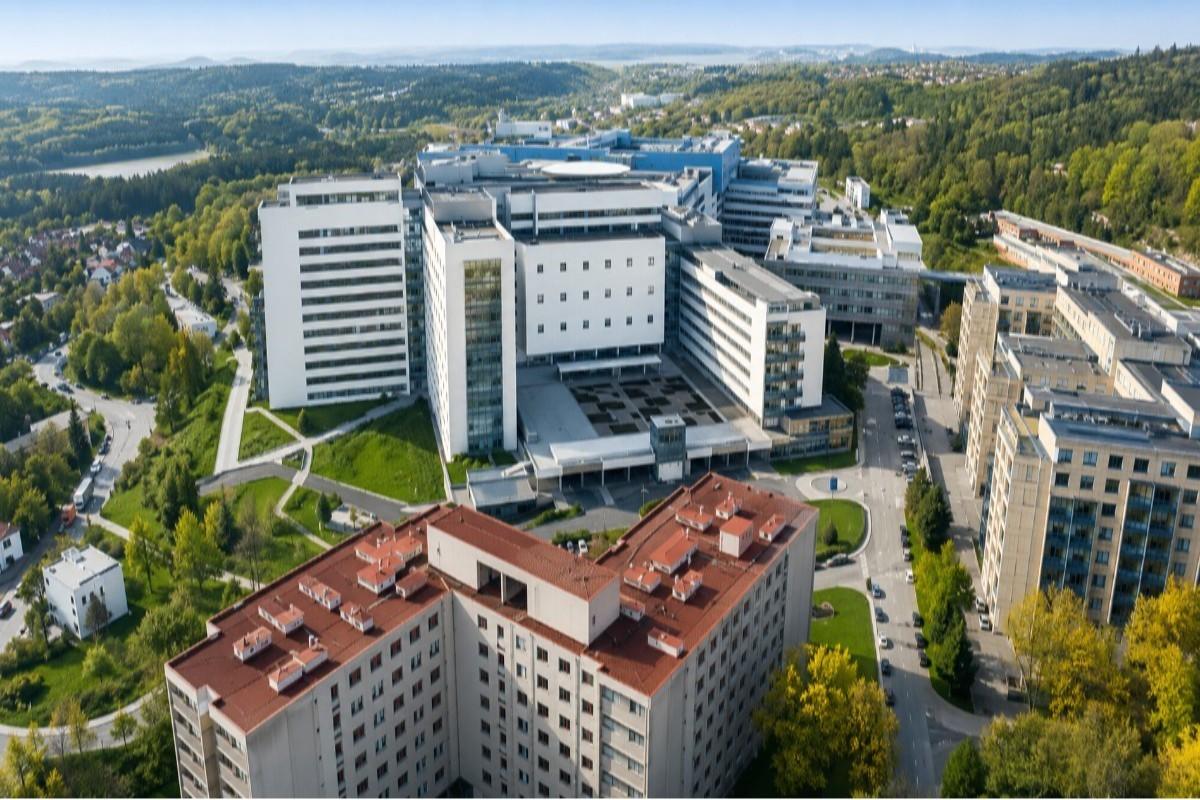
The Second Faculty of Medicine of Charles University is one of the most respected medical schools in the Czech Republic. Located in Prague, it is known for its strong focus on paediatrics, modern medical education, and close integration with one of the country's largest university hospitals. What makes the faculty distinct is its historical connection to children's medicine and its long-standing partnership with Motol University Hospital, the largest healthcare facility in the Czech Republic.
Charles University itself was founded on 7 April 1348 by King Charles IV, making it one of the oldest universities in Europe. For centuries, medical education at Charles University was delivered through a single Faculty of Medicine. As student numbers increased and medical sciences became more specialised, the medical faculty underwent several structural changes.
The origins of the Second Faculty of Medicine date to 1953, when the Faculty of Paediatrics was established by the Czechoslovak government. The purpose of the new faculty was to address the growing need for specialised medical education focused on child healthcare. It became the first independent paediatric medical faculty in Central Europe and quickly gained recognition for its expertise in children's medicine.
For several decades, the Faculty of Paediatrics trained physicians who specialised in paediatric healthcare while also receiving comprehensive medical education. The faculty developed strong academic departments in anatomy, physiology, pathology, paediatrics, surgery, and other clinical disciplines. This unique educational model attracted students and researchers from across the region.
Following political and educational reforms after 1989, the faculty underwent restructuring. On 1 January 1990, it officially became the Second Faculty of Medicine of Charles University. While retaining its historic strengths in paediatric medicine, the faculty expanded its curriculum to provide comprehensive general medical education comparable to other leading European medical schools.
The partnership with Motol University Hospital became one of the faculty's defining characteristics. Motol University Hospital is the largest hospital in the Czech Republic and one of the largest healthcare facilities in Central Europe. It includes both adult and children's hospitals, creating a unique environment for medical education and clinical research.
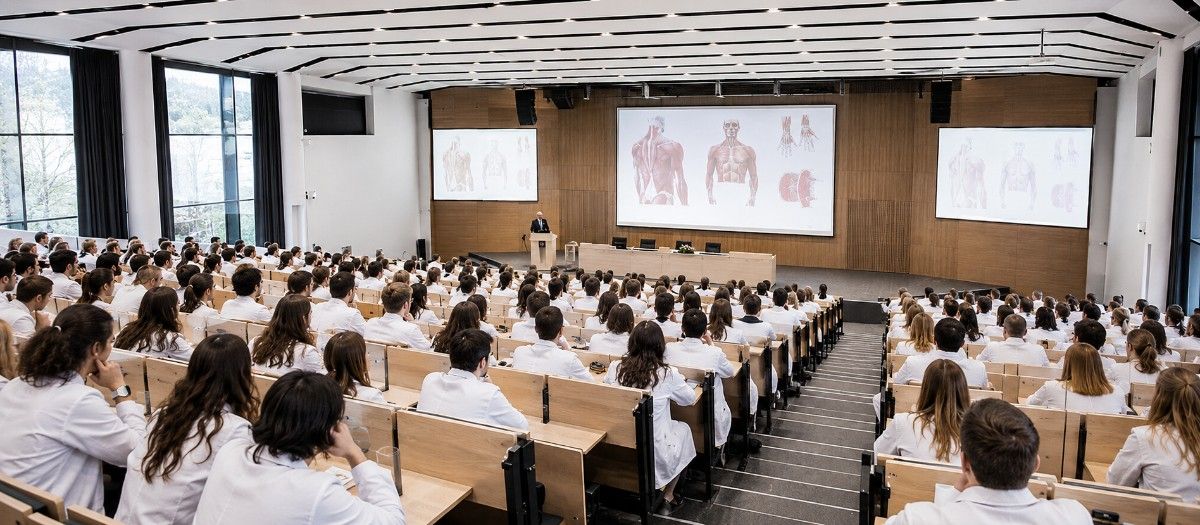
Today, the faculty offers a six-year General Medicine programme that prepares students for careers in all areas of medicine. Students receive training in anatomy, physiology, biochemistry, pathology, pharmacology, microbiology, clinical medicine, surgery, internal medicine, and public health. The curriculum combines scientific foundations with early patient contact and practical clinical experience.
One of the faculty's distinguishing features is its emphasis on integrated teaching. Rather than separating basic sciences and clinical subjects completely, students are encouraged to connect theoretical knowledge with real-world healthcare situations from the beginning of their studies. This approach supports the development of clinical reasoning and problem-solving skills.
The faculty consists of numerous departments, institutes, and research centres. Academic staff include physicians, scientists, and healthcare professionals who contribute to teaching, research, and clinical practice. Thousands of students study across undergraduate, postgraduate, and doctoral programmes.
Research is a major priority. Faculty researchers contribute to projects in paediatrics, oncology, neuroscience, genetics, immunology, infectious diseases, cardiovascular medicine, and regenerative medicine. Many studies are conducted in cooperation with Motol University Hospital, creating strong links between laboratory research and patient care.
The faculty has gained particular recognition for paediatric research. Its historical roots in children's medicine continue to influence its academic profile. Researchers contribute to studies focused on childhood diseases, developmental disorders, paediatric surgery, and specialised treatments for young patients.
Clinical training takes place primarily at Motol University Hospital and affiliated healthcare institutions. Students gain practical experience in internal medicine, surgery, paediatrics, neurology, psychiatry, emergency medicine, obstetrics and gynaecology, and numerous specialised fields. Access to a large and diverse patient population enhances clinical education.
The General Medicine programme is available in English for international students. This has helped attract students from Europe, Asia, North America, and other parts of the world. Internationalisation remains an important part of the faculty's strategy, supported by exchange programmes and research collaborations.
Prague, the capital of the Czech Republic, has a population of approximately 1.4 million people. It is one of Europe's most historically significant cities and serves as the country's political, cultural, and economic centre. Students benefit from access to museums, libraries, research institutes, and healthcare facilities.
Student life in Prague is active and diverse. The city hosts a large international student population and offers cultural festivals, sports clubs, academic societies, and social activities throughout the year. Public transport is efficient and includes metro, tram, and bus networks that connect all major areas of the city.
Accommodation is available through university residences and private housing. International students receive support services related to housing, visas, and academic integration. Prague remains one of the most popular destinations for international medical students in Central Europe.
The climate includes warm summers and cold winters. Students experience four distinct seasons while enjoying a city rich in history, architecture, and educational opportunities.
What makes the Second Faculty of Medicine truly unique is its origin as Central Europe's first independent paediatric medical faculty and its continued connection with Motol University Hospital. This combination provides students with access to one of the region's strongest environments for clinical training, paediatric medicine, and medical research.