
Q1. Is Suez University the same as Suez Canal University?
+No, these are genuinely separate institutions today, though Suez University began in 2006 as a part of Suez Canal University, before becoming fully independent in 2012.
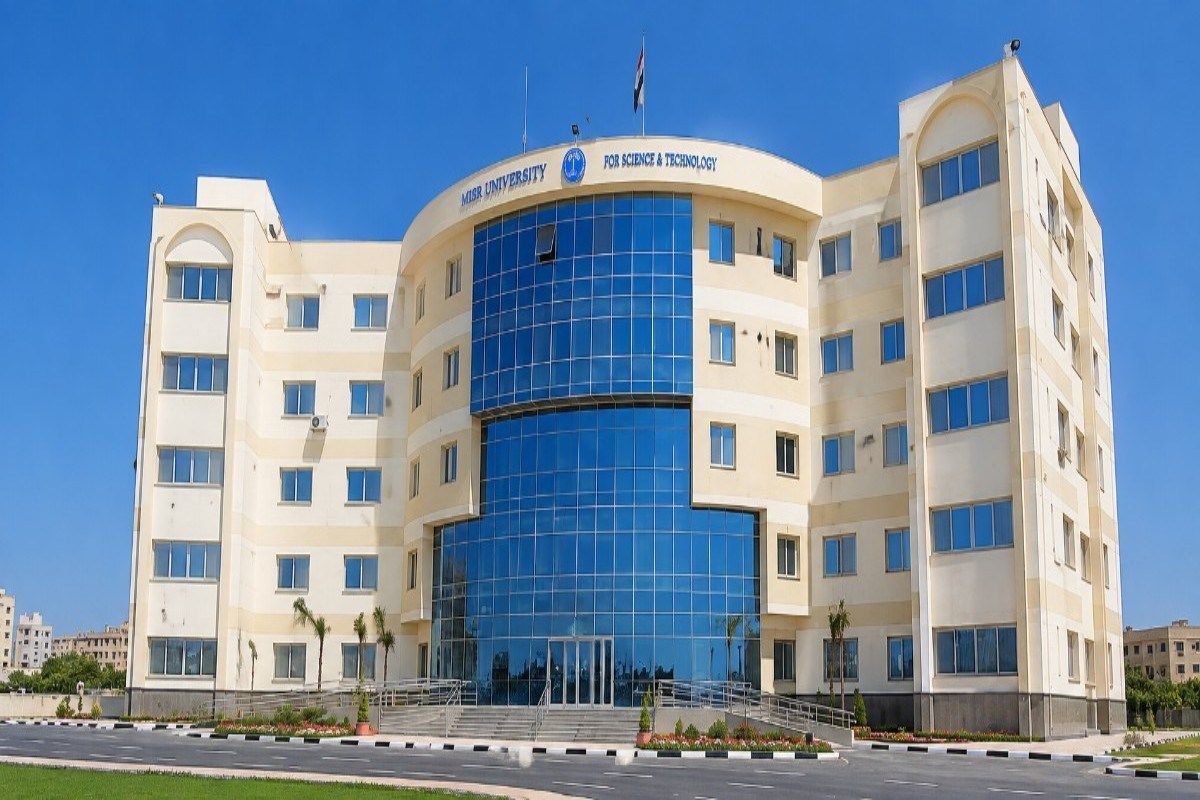
 Egypt | Est. 2006
Egypt | Egypt's Higher Supreme Council of Universities; recognised by WHO and India's NMC (formerly MCI) | English medium
Expert will call you within 2 hours
People mostly just call it Suez University for short. It began in 2006 as a constituent part of Suez Canal University, before being formally declared a fully independent public university in 2012. So, this university's own founding genuinely unfolded in two distinct stages, a real, dated split from its own larger parent institution, not a single, unchanged founding moment.
Here is a fact most guides skip entirely. Suez University is based in Suez itself, the city at the canal's own southern entrance, genuinely distinct from Ismailia, where Suez Canal University's own main Faculty of Medicine campus sits. The university is authorised by the Government of Egypt, recognised by the Higher Supreme Council of Universities, and described by at least one source as the best public medical college in the country, a genuinely notable superlative claim worth treating as reported rather than independently verified given how frequently comparable claims appear across different Egyptian medical school.
Suez University comprises several health-focused faculties alongside Medicine, including Pharmacy, Dentistry, Physical Therapy, and Nursing, reflecting a genuinely broad academic scope across allied health disciplines, not a narrowly focused single-programme institution. The university is recognised by the World Health Organisation, WHO, and by India's own medical regulatory bodies, referenced in older sources by the former name MCI, now succeeded by the NMC.
A genuinely specific, useful detail worth knowing is Suez University's own described admission process for Indian applicants. Candidates apply through Egypt's Ministry of Higher Education, providing their educational documents, a NEET scorecard, and a letter of recommendation from their own school, before being required to appear for an interview as part of the application process. So, applicants should understand this specific, multi-step admission process, rather than assuming a single-document, purely automated application.
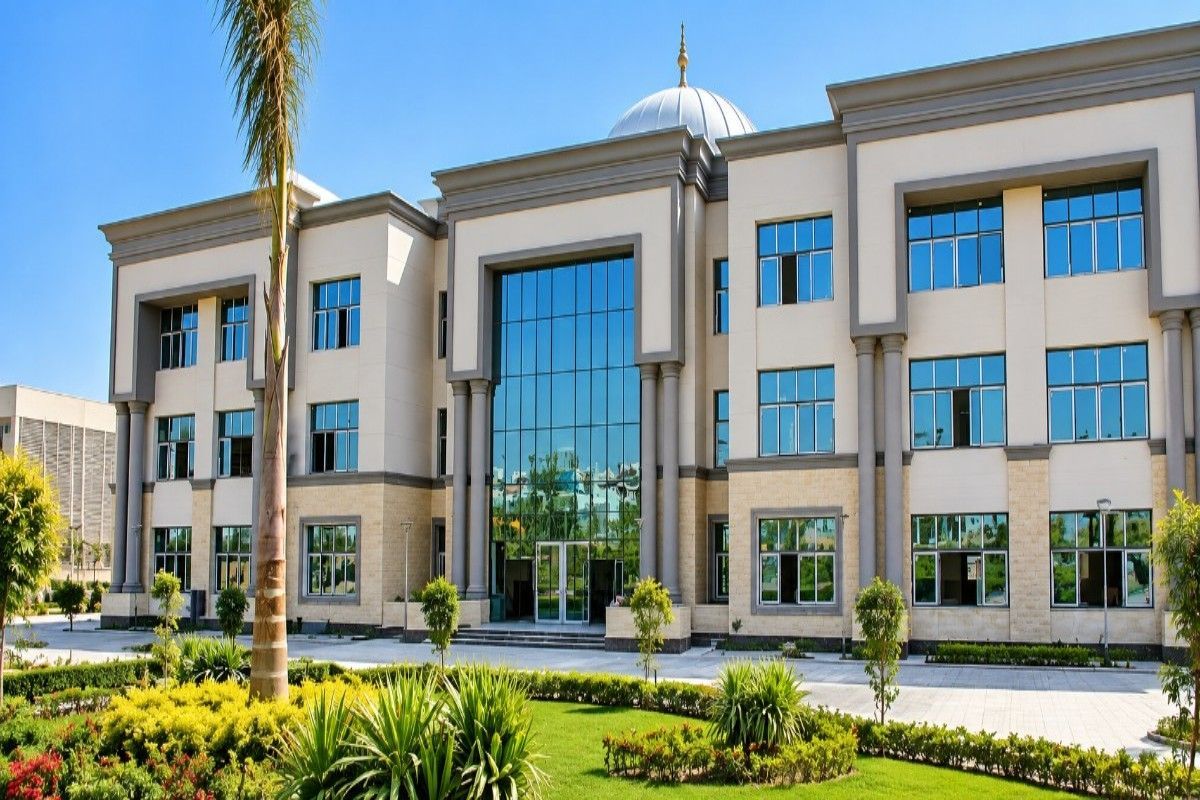
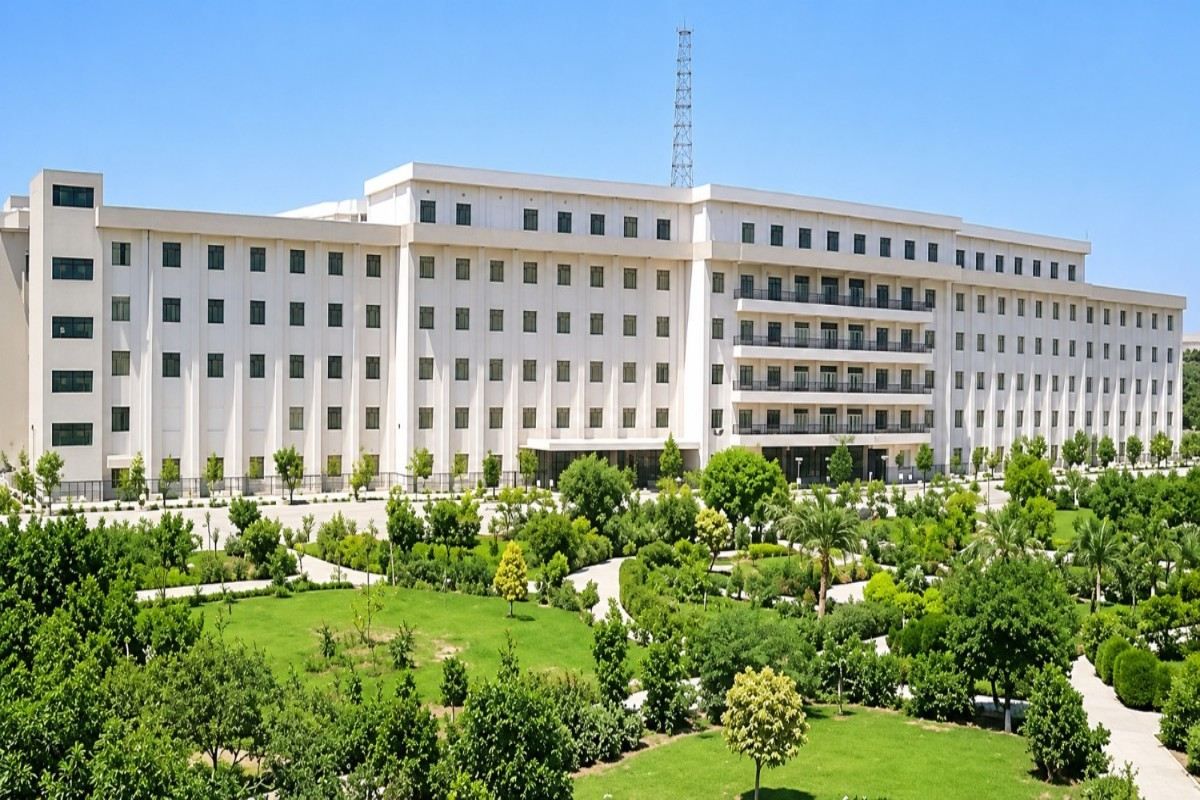
The university's own campus is described as well-structured and secure, specifically aimed at supporting student development through learning, teaching, and keeping pace with advancing technology. Indian graduates of Suez University's MBBS programme are described as eligible to apply for the relevant Indian screening test after completing their degree, to obtain a licence to practise medicine in India.
Suez University's MBBS programme follows Egypt's standard national medical curriculum. NEET remains a genuine requirement for Indian applicants here, exactly as it does for MBBS study in most other countries, and Indian graduates would still need to clear the FMGE or NExT exam to practise medicine back in India.
Suez itself is a genuinely significant Egyptian city, sitting at the southern entrance to the Suez Canal, giving the wider area a real, distinctive maritime and industrial character tied directly to one of the world's most important shipping routes. This location gives students at Suez University a genuinely specific coastal Egyptian setting, quite different from Cairo's own considerably larger, busier urban environment, while still remaining within reasonable reach of the capital when needed.
Given how directly Suez University's own founding ties back to Suez Canal University, students here benefit from an institution that, despite becoming independent only in 2012, carries a real, documented educational heritage stretching back to its own 2006 origins as part of a considerably larger, more established parent university. This combination of a comparatively recent independent identity alongside a genuinely real institutional lineage gives Suez University a distinctive character worth understanding fully, rather than treating it as either a brand-new institution or simply an extension of Suez Canal University today.
Fee figures here are reported with genuine specificity by one detailed source, for the 2023-2024 academic year, worth setting out clearly.
Cost Item | Amount | Notes |
Tuition Fee (Year 1, specific figure, 2023-2024) | Approx. USD 7,500 | Reported specifically for the first year of the programme |
Tuition Fee (Years 2-5, specific figure, 2023-2024) | Approx. USD 6,000/year | Reported specifically for the second through fifth years |
Total Tuition (5 years, based on above figures) | Approx. USD 31,500 | Estimate based on the reported Year 1 plus Years 2-5 figures combined |
Fee Variability Note | Fees described as varying year to year | The source itself notes the fee structure changes annually; confirm the current rate directly |
General Comparison | Described as generally more affordable than Indian medical colleges | A comparative claim rather than a specific figure |
Total Cost | Approx. USD 31,500, per the specific 2023-2024 figures cited | Confirm the current, exact figure directly with Suez University before finalising a budget |
Note: no capitation fee is confirmed at any stage. Given that the source itself notes fees vary annually, confirm the current, exact figures directly with Suez University.
Most lists mention Suez University only briefly, sometimes conflating it entirely with the similarly named Suez Canal University. However, they do not explain the genuine, documented split between the two, or how specifically Suez University's own fee structure is reported. The reason is simple. It is about a real, dated institutional split most guides skip entirely, and genuinely specific, year-by-year fee reporting.
Suez University is not like most other Egyptian universities when it comes to its own founding story. In fact, it began in 2006 specifically as a part of Suez Canal University, before splitting off to become a fully independent university in 2012. Furthermore, this genuine, dated institutional split means applicants researching "Suez University" and "Suez Canal University" online need real care to avoid conflating information about these two, now genuinely separate institutions.
The university's own fee transparency also matters more than most guides let on. For example, most Egyptian medical universities covered in comparable guides report only a single, rounded annual figure. Suez University's own reported rate specifically distinguishes Year 1 (USD 7,500) from Years 2 through 5 (USD 6,000 each). Moreover, this genuinely itemised, year-specific breakdown gives applicants a more precise cost picture than a single flat annual estimate.
One thing most other blogs miss is Suez University's own specifically described multi-step admission process for Indian applicants. In addition to standard NEET qualification, applicants also need a letter of recommendation from their own school, and must appear for an interview as part of the process. Since this is a real, specific set of steps beyond a purely document-based application, applicants get a genuinely clearer picture of what Suez University's own admission process actually involves.
No hidden charges, no donation. The full picture of costs at MBBS in Suez University Faculty of Medicine Suez.
Tuition Fee
$7,500 USD for the first year and $6,000 USD per year for the subsequent years
approximately $6,000 USD per year $7,500 USD
Hostel Fee
$750 to $1,800 USD per year
approximately $100 to $200 USD per month
Food & Meals
$30 to $100 USD per month
per month
Insurance
USD 800 to USD 1,200 per year (about Rs. 66,480 to Rs. 99,720)
per year
Donation
No Donation
No hideen fees
Total Estimated Cost
$36,000 to $50,400 USD
6-year
25–35%
Average FMGE first-attempt pass rates for students from many overseas medical universities. Students from structured programs consistently score higher.
Students returning to India need to clear the FMGE/NExT exam. MBBS in Suez University Faculty of Medicine Suez integrates exam-oriented coaching into the regular curriculum so students are prepared from day one.
A structured program that takes you from foundational sciences to clinical mastery.
In addition, this stage builds the base knowledge that all later clinical learning depends on
First, Anatomy, Physiology, and Biochemistry build the scientific foundation for everything that follows
Furthermore, this stage prepares students for the transition into full clinical rotations
Next, Pathology, Microbiology, and Pharmacology build the diagnostic foundation needed for clinical training
Moreover, this stage draws on the university's genuinely broad allied-health faculty structure
Then, Medicine, Surgery, and allied clinical subjects run through hands-on training within Suez University's own affiliated facilities
Also, Indian graduates are described as eligible to apply for the relevant Indian screening test after completing their degree
Finally, a compulsory internship follows the academic study period, consistent with Egypt's standard national structure
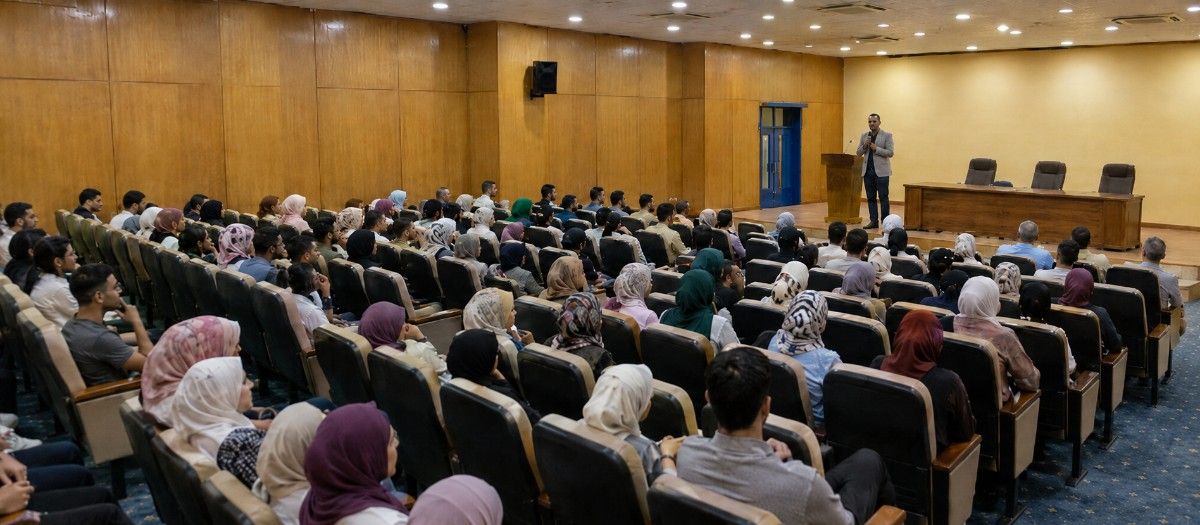

Furnished hostel rooms with Wi-Fi, laundry, 24/7 security, and Indian mess on or near campus.
Indian restaurants and mess facilities serving vegetarian and non-vegetarian home-style food daily.
Strong Indian community with cultural events, festival celebrations, and peer support groups.
Students get hands-on clinical training in government and private hospitals affiliated with the university.
Practical information for students planning to study at MBBS in Suez University Faculty of Medicine Suez.
Prepare for all seasons. Thermal wear for winters, light clothing for summers. University provides heating in hostels.
Student visa processed with university invitation letter. Direct and connecting flights from major Indian cities.
Health insurance included in fees. Medical facility on campus plus city hospitals easily accessible.
Local SIM cards available. WhatsApp and video calls keep you connected with family back home.
Average monthly expenses of $150–$250 covering food, transport, and personal needs.
University library, online databases, and study groups. Seniors mentor juniors through academic challenges.
Our team guides you through every step — from application to arriving on campus.
Our Egypt specialist provides an honest overview of Cairo University vs Ain Shams vs ERU, English-medium status, FMGE outcomes, safety assessment, and total cost comparison.
We provide the Egypt-specific checklist. All documents are verified before university submission.
Direct submission to the suggested university. Offer letter typically within 7–14 days.
Either the students or our team receives the offer, walks you through the terms, and manages the initial fee payment.
We manage visa applications to the Egyptian Embassy in New Delhi, a minimum of 6 weeks before departure
Cairo city orientation, accommodation, Egyptian transport, food, currency, safety zones, and first-week logistics.
We advise on routing to Cairo International Airport (CAI). Confirms arrival with the local team.
Our Cairo representative meets you at the airport. No student arrives unsupported.
Hostel check-in and university registration handled by AMW's local Egypt team.
Our team files the student residence permit at the Egyptian Ministry of Interior within your first weeks. Renewed annually.
Admission Helpline — Contact our counsellors for step-by-step assistance.
“The faculty here is incredibly supportive. The clinical training during hospital rotations has given me real confidence in patient care.”
“Affordable fees without compromising on quality. The campus facilities and hostel life made my transition abroad very smooth.”
“English medium instruction and WHO-recognized curriculum were the deciding factors for me. No regrets so far — excellent experience overall.”
“The university helped with everything from visa to accommodation. Hospital exposure from year three has been invaluable for my FMGE prep.”
“Just cleared my licensing exam on the first attempt. The structured coaching and mock exams during final year were a game-changer.”
“Safe campus, good food options, and a strong Indian student community. The teaching methodology is very practical and hands-on.”
No, these are genuinely separate institutions today, though Suez University began in 2006 as a part of Suez Canal University, before becoming fully independent in 2012.
It began in 2006 as part of Suez Canal University, becoming a fully independent public university in 2012.
This follows general Egyptian medical university convention; confirm current provision directly.
Yes, a valid, qualifying NEET score is required, alongside a school recommendation letter and an interview as part of the application process.
Reported at approximately USD 7,500 for Year 1 and USD 6,000 a year for Years 2 through 5, for the 2023-2024 academic year; the source itself notes fees vary year to year, so confirm the current rate directly.
Suez University's own affiliated clinical facilities, though a specific named hospital was not separately confirmed in sources reviewed.
In Suez, Egypt, the city at the canal's southern entrance, distinct from Ismailia, where Suez Canal University's own main campus sits.
Pharmacy, Dentistry, Physical Therapy, and Nursing, alongside Medicine.
Yes, it is recognised by the World Health Organisation (WHO) and India's National Medical Commission (NMC, formerly MCI).
Application through Egypt's Ministry of Higher Education, submitting educational documents, a NEET scorecard, and a school recommendation letter, followed by an interview.
Our expert counsellors will guide you through the complete admission process — from documents to airport pickup.