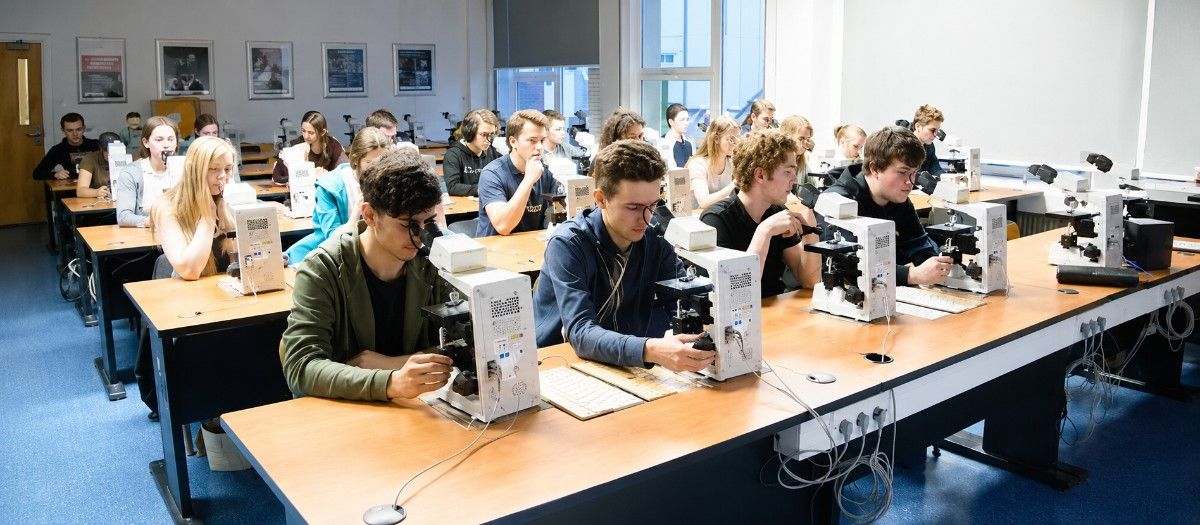
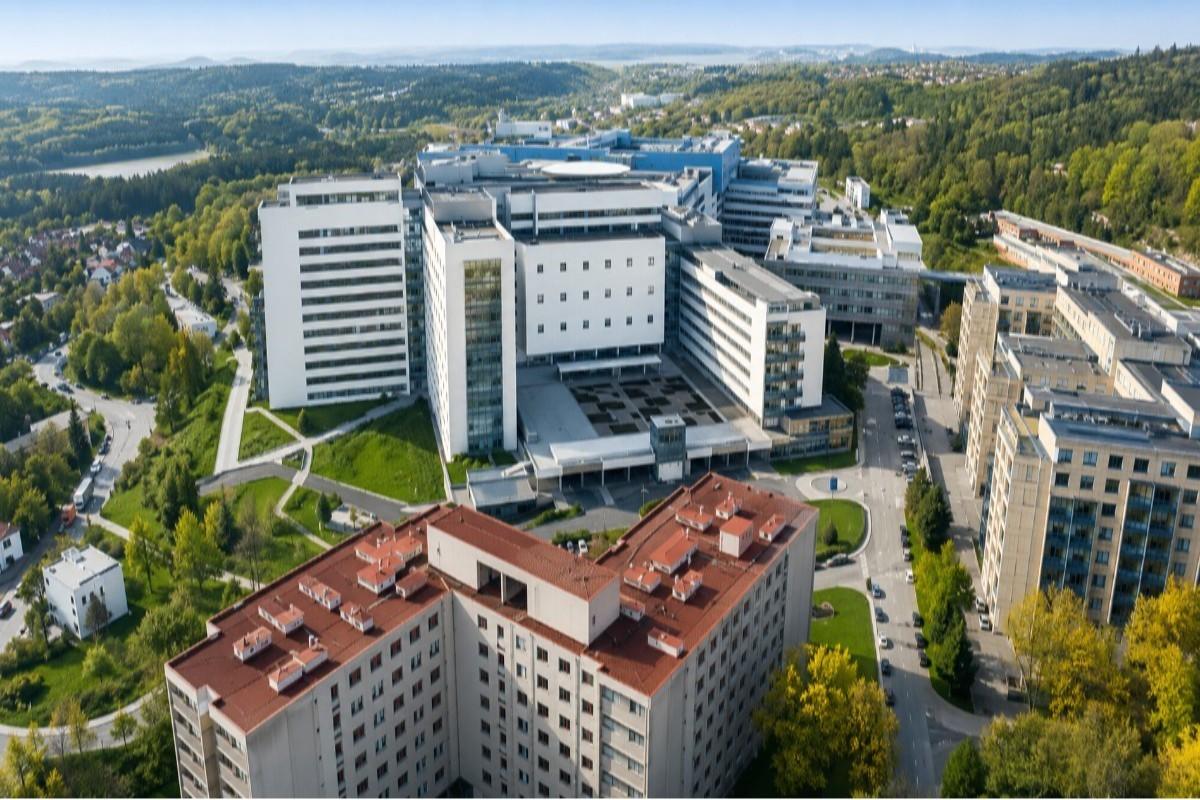
The Third Faculty of Medicine of Charles University is one of the most innovative medical schools in the Czech Republic. Located in Prague, it is known for its modern teaching methods, problem-based learning approach, and strong focus on integrating scientific knowledge with clinical practice. What makes the faculty distinct is its educational philosophy, which places emphasis on active learning, interdisciplinary teaching, and early patient contact throughout the medical programme.
The history of the faculty is closely connected to the development of medical education at Charles University, one of Europe's oldest universities. Charles University was founded on 7 April 1348 by King Charles IV and remains the oldest university in Central Europe. For centuries, medical education was delivered through a single Faculty of Medicine before the growth of healthcare education led to the creation of multiple specialised faculties.
The origins of the Third Faculty of Medicine can be traced to 1953 when the Faculty of Hygiene was established by the Czechoslovak government. The new faculty focused on preventive medicine, public health, epidemiology, and environmental health. At the time, there was growing recognition of the importance of disease prevention and population health management alongside traditional clinical medicine.
During its early decades, the Faculty of Hygiene trained physicians and specialists who worked in public health services, disease prevention programmes, and healthcare administration. Research activities concentrated on epidemiology, occupational health, environmental medicine, and public health policy.
Following political changes in Central Europe and educational reforms after 1989, the faculty underwent significant transformation. In 1990, it was renamed the Third Faculty of Medicine of Charles University. The curriculum was redesigned to provide comprehensive medical education while retaining strengths in preventive medicine and public health.
One of the faculty's most important milestones came with the introduction of an integrated curriculum that moved away from traditional subject-based teaching. Instead of studying disciplines in isolation, students learn through interconnected modules that combine basic sciences, clinical medicine, and practical healthcare applications. This approach was among the first of its kind in the region.
Today, the Third Faculty of Medicine offers a six-year General Medicine programme that attracts students from the Czech Republic and many other countries. The faculty emphasises critical thinking, communication skills, ethical decision-making, and evidence-based medicine alongside traditional scientific education.
The faculty consists of numerous departments and academic units covering anatomy, physiology, pathology, pharmacology, internal medicine, surgery, paediatrics, psychiatry, neurology, and public health. Academic staff include experienced clinicians, researchers, and healthcare professionals actively involved in patient care and scientific research.
Research forms a major part of the faculty's activities. Scientists contribute to studies in cardiovascular disease, oncology, neuroscience, metabolism, infectious diseases, genetics, public health, and preventive medicine. Many research projects involve collaboration with Czech and international institutions.
The faculty is particularly recognised for its work in preventive medicine and public health. Its historical roots as the Faculty of Hygiene continue to influence research priorities and educational philosophy. Students receive strong training in health promotion, epidemiology, disease prevention, and population health management.
Clinical education takes place primarily through Královské Vinohrady University Hospital and associated healthcare institutions. The hospital is one of Prague's major teaching hospitals and provides students with exposure to a broad range of medical specialties and patient populations.
Students gain practical experience in internal medicine, surgery, paediatrics, obstetrics and gynaecology, psychiatry, neurology, emergency medicine, and numerous specialised disciplines. Early patient contact helps students connect theoretical knowledge with clinical practice from the early years of study.
The faculty offers its General Medicine programme in English, making it accessible to international students. Students from Europe, Asia, North America, and other regions choose the faculty because of its academic reputation and innovative educational model.
International cooperation remains an important aspect of the faculty's development. Academic partnerships support student exchanges, collaborative research projects, scientific conferences, and professional development opportunities. These connections strengthen the faculty's international profile and contribute to educational quality.
Prague provides an excellent environment for medical education. With a population of approximately 1.4 million people, the city serves as the political, economic, and cultural centre of the Czech Republic. Students have access to major hospitals, research institutes, libraries, museums, and cultural attractions.
Student life is active and diverse. Prague hosts a large international student community and offers a wide range of academic societies, cultural organisations, sports clubs, and social activities. Efficient public transport allows students to travel easily throughout the city.
Accommodation is available through university residences and private housing providers. International students receive support related to accommodation, academic integration, and administrative procedures. Compared with many Western European capitals, Prague offers a relatively affordable cost of living.
The city experiences warm summers and cold winters, providing students with four distinct seasons throughout the academic year. Its rich history and strong educational traditions make it one of Europe's most popular destinations for international students.
What makes the Third Faculty of Medicine truly unique is its transformation from the historic Faculty of Hygiene into a modern medical school known for integrated teaching, preventive medicine, and student-centred education. This combination provides students with a distinctive approach to medical training that balances clinical medicine with population health perspectives.