
Q1: Is the Faculty of Medicine at University of Tuzla a public institution?
+Yes. The University of Tuzla is a state public university, established by law. It is not a private college.
 Bosnia | Est. 1976
Bosnia | Higher Education Agency of Bosnia and Herzegovina (HEA) | WDOMS listed | NMC (India), verify your batch status at nmc.org.in before applying | EUA member | Bologna Process compliant | English throughout; no Bosnian language required; no preparation year needed medium
Expert will call you within 2 hours
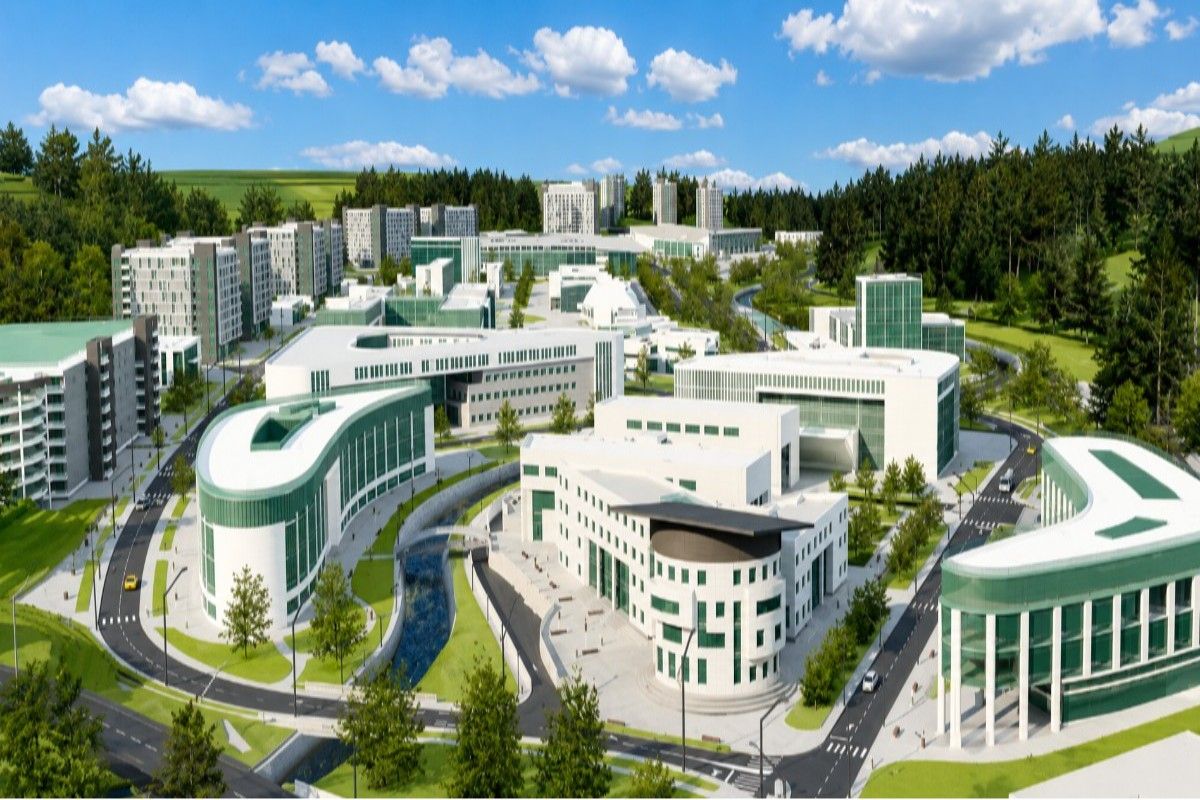
The University of Tuzla was founded in 1976 and stands as one of the most respected public universities in Bosnia and Herzegovina. Its Faculty of Medicine, established the same year, has just marked its 50th anniversary in 2026; half a century of continuous medical education in a country where the healthcare system has always depended on homegrown, well-trained doctors. That history counts. When you are choosing where to spend six years studying medicine, the age and stability of an institution is not just a fact on paper; it tells you something about the seriousness with which that faculty approaches the work of producing doctors.
The Faculty of Medicine sits in Tuzla, a mid-sized city in the northeastern part of Bosnia and Herzegovina. It is not a capital city and does not try to be one. What it is, is a genuine university town; affordable, manageable, relatively safe, and built around student life in a way that larger European cities often are not. There are around 15,000 to 19,000 students at the University of Tuzla across its 12 faculties, which means the city has a real student culture. For international students, and Indian students particularly, the size of the city is actually a practical advantage. Things are closer together, costs are lower, and daily life is less complicated than it would be in Sarajevo, Vienna, or Prague.
The six-year MD programme at the Faculty of Medicine is taught entirely in English. That is the first thing most prospective students want to know, and the answer is straightforward; no Bosnian language requirement, no preparation year, no additional language examinations needed before you enrol. You arrive, you study in English, and you get on with becoming a doctor. For Indian students who have studied science in English throughout school, the transition is about adjusting to a new country and curriculum, not to a new language.
The programme is structured in two halves. Years 1 to 3 form the pre-clinical phase, where students build the scientific foundation of medicine; anatomy, physiology, biochemistry, pathology, pharmacology, and the other subjects that underpin clinical thinking. Years 4 to 6 are clinical, with students rotating through hospital departments, attending ward rounds, clerking patients, presenting cases, and developing the practical skills that textbooks can only take you so far in learning. The curriculum follows the Bologna Process and the European Credit Transfer and Accumulation System (ECTS), which means the degree is structured to European standards and credits are transferable.
The primary teaching hospital is the University Clinical Center Tuzla; known locally as UKC Tuzla. This is not a small facility. UKC Tuzla has 1,333 hospital beds, treats around 46,000 patients every year, and performs approximately 9,000 surgeries annually. It is officially accredited by the Agency for Healthcare Quality and Accreditation in the Federation of BiH. It handles everything from general internal medicine and surgery to oncology, orthopaedics, transplantation, and infectious disease. The Faculty of Medicine has described UKC Tuzla as its primary teaching base, and the clinical relationship between the two institutions is longstanding and active; consultants from the hospital hold academic appointments at the Faculty, and students rotate through real clinical departments alongside practising specialists, not in separate training units.
The University of Tuzla holds membership in the European University Association (EUA), which places it within a network of over 800 universities across Europe. The Faculty of Medicine is listed in the World Directory of Medical Schools (WDOMS), which is the essential international baseline for NMC eligibility in India and for international licensing examinations including USMLE in the United States and PLAB in the United Kingdom. The university also participates actively in the Erasmus+ exchange programme and has cooperative agreements with 40 universities internationally.
The research profile of the Faculty is serious. Research areas span basic medical sciences; physiology, anatomy, histology, pharmacology, pathophysiology, molecular medicine; as well as clinical disciplines including gastroenterology, cardiology, neurology, oncology, and public health. Faculty members publish in indexed international journals and participate in congresses across Europe and beyond. The Faculty and UKC Tuzla jointly organise annual national conferences and scientific meetings, which students can attend and, in later years, contribute to.
For Indian students, one practical question always comes up early: what is the cost, and does it actually add up to a sensible decision? The answer here is genuinely yes. Tuition for the six-year programme runs approximately €4,500–6,000 per year for international students. Six-year tuition totals around €27,000–€36,000. Living costs in Tuzla are low by any European standard; accommodation, food, and daily expenses come to roughly €300–500 per month. The total six-year all-in cost compares very favourably with almost any other European medical programme, and the degree is from an accredited public university, not a private college operating with variable oversight.
NEET is mandatory for Indian students, as per NMC regulations, and students should verify their specific intake year's NMC status at nmc.org.in before applying. Bosnia and Herzegovina is not an EU member state, but the country's medical degrees, when earned at WDOMS-listed institutions, open the standard international licensing pathways. The cultural environment is European, the city is calm and student-friendly, and the academic infrastructure is solid. For students who want a European medical education at a genuinely accessible price point, the University of Tuzla Faculty of Medicine is worth serious consideration.
No hidden charges, no donation. The full picture of costs at MBBS in University of Tuzla Faculty of Medicine.
Tuition Fee
Approx. €4,500–6,000/year (INR 4–5.3 lakh/year); Total 6-year tuition: approx. €27,000–36,000 / INR 24–32 lakh; living costs approx. €300–50
€4,500–6,000/year; 6-year total: €27,000–36,000 / INR 24–32 lakh. No donation or
Hostel Fee
University dormitory: approx. €600–1,000/year; private shared apartment: €150–250/month
University dormitory: approx. €600–1,000/year; private shared apartment: €150–25
Food & Meals
Approx. €100–180/month; university canteen available; Indian mess services run by student groups
per month
Insurance
Health insurance mandatory for student visa; approx. €200–350/year
per year
Donation
no Donation
no Hidden Fee
Total Estimated Cost
Approx. €35,000–50,000 all-inclusive / INR 31–44 lakh; one of the most affordable European public university medical degrees available to In
Total (6 Years)
25–35%
Average FMGE first-attempt pass rates for students from many overseas medical universities. Students from structured programs consistently score higher.
Students returning to India need to clear the FMGE/NExT exam. MBBS in University of Tuzla Faculty of Medicine integrates exam-oriented coaching into the regular curriculum so students are prepared from day one.
A structured program that takes you from foundational sciences to clinical mastery.
Year 1 establishes the biological and structural foundations students will build on for the next six years. Anatomy is taught with cadaveric study alongside histology. Medical ethics is introduced from semester one; the Faculty treats the human side of medicine as seriously as the scientific side, from the very start.
Anatomy, Physiology I, Biochemistry I, Cell Biology, Medical Ethics, Introduction to Medicine
Year 2 deepens the science with a systems-level approach. Students cover the nervous system, molecular medicine, and genetics, and begin connecting normal biological function with the first concepts of disease; the thinking shift that prepares them for para-clinical work ahead.
Neuroanatomy, Physiology II, Biochemistry II, Genetics, Microbiology & Immunology, Introduction to Pathology
The bridge year between classroom and clinic. Pharmacology is taught with a prescribing logic; not just mechanisms but how drugs are actually used. Semiology, the skill of reading patient signs and symptoms, is introduced through structured patient-encounter practice. Students begin supervised patient-facing activities before full clinical rotations begin.
General Pathology, Pharmacology, Microbiology II & Immunology, Epidemiology & Biostatistics, Semiology & Physical Examination, Evidence-Based Medicine
First full clinical year at UKC Tuzla and affiliated hospitals. Students attend supervised ward rounds, clerk patients, present cases, and go through structured assessments. Medicine, Surgery, O&G, and Paediatrics form the backbone of Year 4, with Radiology introduced to build diagnostic imaging skills alongside.
Internal Medicine I, General Surgery I, Obstetrics & Gynaecology I, Paediatrics I, Psychiatry, Radiology & Imaging
Year 5 broadens clinical exposure across specialities; Eye, ENT, Skin, Orthopaedics, Emergency, and Community Medicine alongside continued Medicine and Surgery postings. Family medicine placements introduce primary care settings that hospital rotations alone do not cover.
Internal Medicine II, Surgery II, ENT, Ophthalmology, Dermatology, Orthopaedics & Trauma, Family & Community Medicine, Emergency Medicine
The final year is a full supervised rotating internship across all core disciplines at UKC Tuzla and affiliated hospitals. This is where everything comes together under real clinical conditions. Indian students must confirm with NMC whether the Bosnia internship satisfies NExT eligibility or whether it must be completed in India; clarify this before enrolling.
Internal Medicine, Surgery, O&G, Paediatrics, Psychiatry, Emergency, Community Medicine
Furnished hostel rooms with Wi-Fi, laundry, 24/7 security, and Indian mess on or near campus.
Indian restaurants and mess facilities serving vegetarian and non-vegetarian home-style food daily.
Strong Indian community with cultural events, festival celebrations, and peer support groups.
Students get hands-on clinical training in government and private hospitals affiliated with the university.
Practical information for students planning to study at MBBS in University of Tuzla Faculty of Medicine.
Prepare for all seasons. Thermal wear for winters, light clothing for summers. University provides heating in hostels.
Student visa processed with university invitation letter. Direct and connecting flights from major Indian cities.
Health insurance included in fees. Medical facility on campus plus city hospitals easily accessible.
Local SIM cards available. WhatsApp and video calls keep you connected with family back home.
Average monthly expenses of $150–$250 covering food, transport, and personal needs.
University library, online databases, and study groups. Seniors mentor juniors through academic challenges.
Our team guides you through every step — from application to arriving on campus.
Our specialist confirms the current NMC listing status, explains the distinction between EU and non-EU countries, and compares Bosnia with Georgia and Romania.
Full Bosnia admission and visa document package prepared.
Direct submission to the University of Sarajevo or the University of Mostar Faculty of Medicine.
Receives offer, explains terms, and manages initial fee payment.
Full visa documentation submitted to the Bosnian Embassy in New Delhi.
Sarajevo city orientation, accommodation, transport, currency, cultural briefing, safety zones.
Our team advises on routing to Sarajevo International Airport (SJJ). Confirms arrival with the local team.
Our local Sarajevo team meets you at the airport
Our local team manages hostel check-in and Faculty of Medicine registration.
We filed the permit at the Service for Foreigners Affairs. Renewed annually.
Admission Helpline — Contact our counsellors for step-by-step assistance.
“The faculty here is incredibly supportive. The clinical training during hospital rotations has given me real confidence in patient care.”
“Affordable fees without compromising on quality. The campus facilities and hostel life made my transition abroad very smooth.”
“English medium instruction and WHO-recognized curriculum were the deciding factors for me. No regrets so far — excellent experience overall.”
“The university helped with everything from visa to accommodation. Hospital exposure from year three has been invaluable for my FMGE prep.”
“Just cleared my licensing exam on the first attempt. The structured coaching and mock exams during final year were a game-changer.”
“Safe campus, good food options, and a strong Indian student community. The teaching methodology is very practical and hands-on.”
Yes. The University of Tuzla is a state public university, established by law. It is not a private college.
Yes, entirely in English. No Bosnian language requirement and no language preparation year needed.
Yes. A valid NEET score is compulsory for Indian students as per NMC regulations.
University Clinical Center Tuzla (UKC Tuzla); 1,333 beds, 46,000 patients per year, fully accredited; the primary clinical training base for the Faculty.
Yes. The Faculty of Medicine is listed in the World Directory of Medical Schools, which is the baseline for NMC eligibility, USMLE, and PLAB pathways.
Approximately €35,000–50,000 all-inclusive (INR 31–44 lakh) covering tuition, hostel, food, insurance, and living costs.
Confirm directly with NMC whether the Bosnia internship qualifies toward NExT, or whether it needs to be completed in India after returning.
Graduates can appear for NExT (India), USMLE (USA) via ECFMG, or PLAB (UK). The WDOMS listing enables these international licensing pathways.
Bosnia and Herzegovina ranks 61 on the Global Peace Index 2024. Tuzla is a calm, student-friendly city with a well-established international student community.
Yes. The University of Tuzla is an active Erasmus+ participant with agreements across 40+ international universities, giving students opportunities for exchange during their studies.
Our expert counsellors will guide you through the complete admission process — from documents to airport pickup.