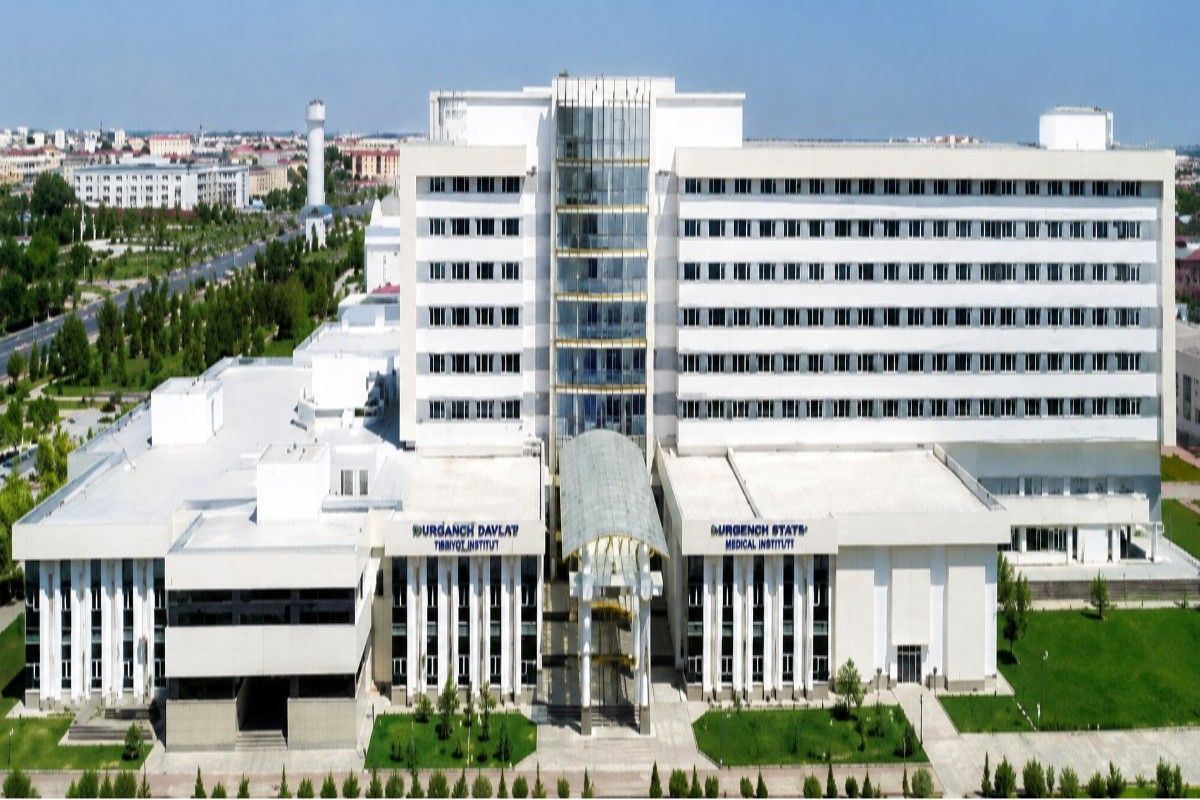
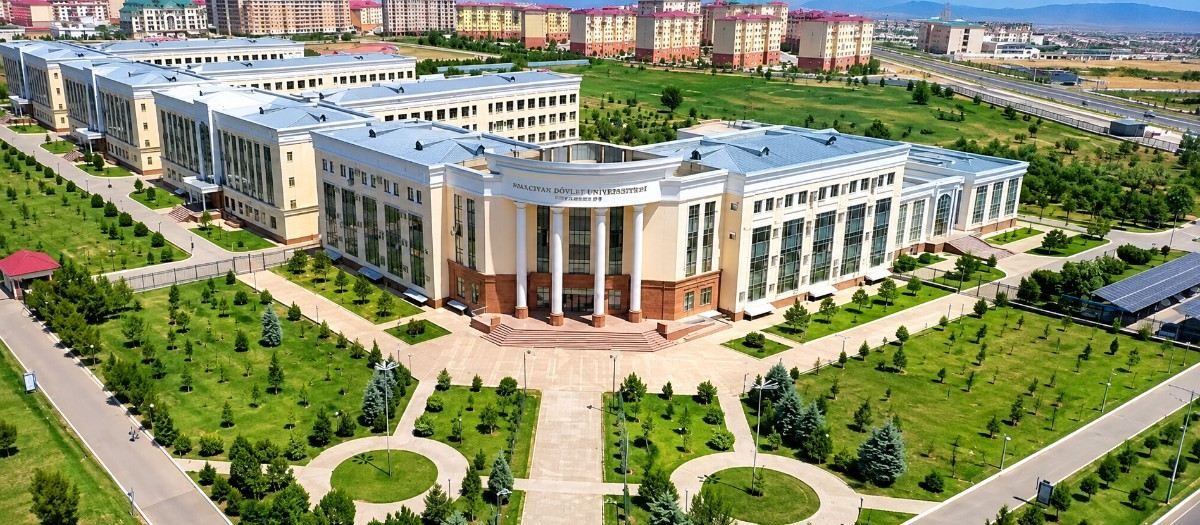
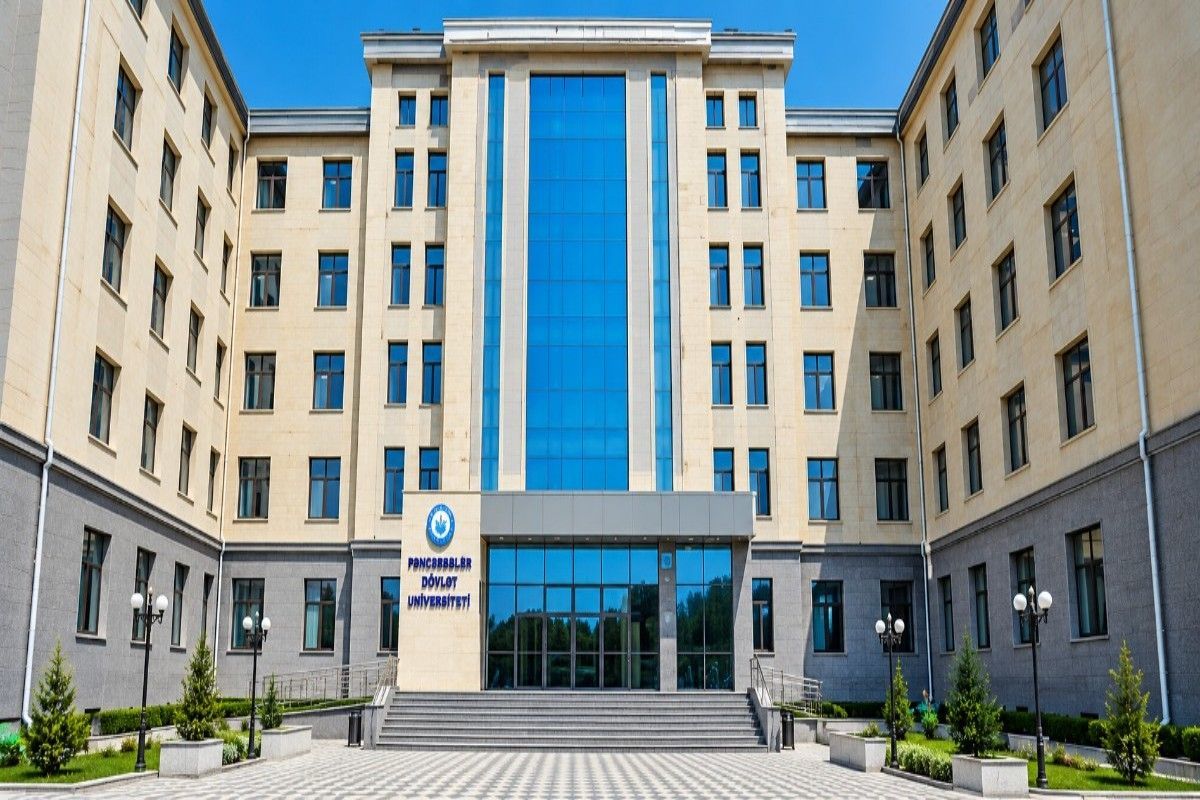
Urgench sits in the northwest of Uzbekistan. It sits close to the old Silk Road city of Khiva. It is not the busiest city in the country. Even so, it holds one of Uzbekistan's more established public medical schools. Most sources call it Urgench State Medical Institute. Some sources use a different name instead. They call it the Urgench Branch of Tashkent Medical Academy. Both names point to the same real school. Both share the same founding story too. Students should know both names. Different agents and websites use them in different ways.
The story starts in 1992. On February 28th that year, the President of Uzbekistan signed a decree. It called for new higher schools to open across the country. Soon after, the Cabinet of Ministers backed the plan. It added its own official order. The Minister of Health added a third order too. This came on March 20th. Together, these three steps created a new branch school. It was the Urgench branch of the First Tashkent State Medical Institute. The branch opened its doors on September 2nd, 1992. This gives the school more than three decades of real history. This sets it apart from some of the newer private schools now opening across Uzbekistan.
The school's path was not perfectly straight, though. In 1995, the government folded the branch into Urgench State University instead. A new Medical Center formed inside that wider university. This setup lasted only a few years. In June 1998, the government reversed course. It split the Medical Center back out again. It became its own independent school once more. This restored the original Urgench branch of the First Tashkent State Medical Institute. This set the shape the school has held ever since. This back-and-forth history matters to know. It explains why some older records list slightly different names or dates for the same school.
Today, the institute runs as a public school. Uzbekistan's Ministry of Health and Ministry of Higher Education both oversee it. Many sources describe it as recognised by the World Health Organization. They also describe it as recognised by India's National Medical Commission. This detail matters a great deal to the many Indian students who study here. As with any claim sourced mainly from admissions agent sites, students should still confirm current status directly. It helps to check WDOMS' own listings. It also helps to reach out to the NMC before making a final call.
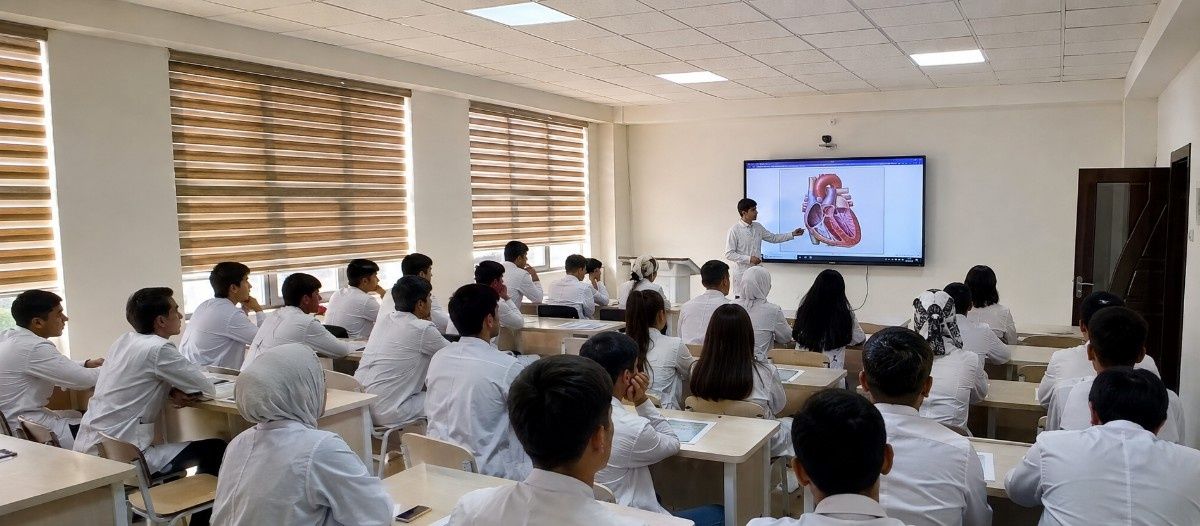
The MBBS program itself runs for six years. This splits into five years of study, followed by one full year of hospital work. This last year is a required internship. Teaching runs in English for international students. This removes a major barrier for students who do not speak Uzbek or Russian. This English-medium track has become one of the school's clearer draws. It pulls in students from India, Pakistan, and other countries choosing to study medicine abroad.
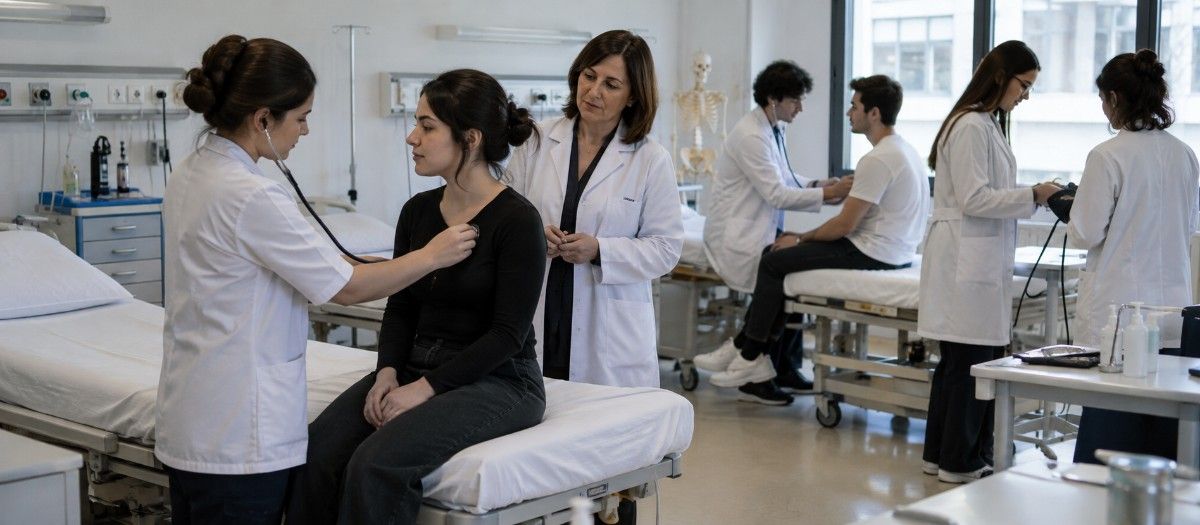
The course follows a fairly standard shape for the region. Early years cover the basic sciences every doctor needs. This includes anatomy, physiology, biochemistry, and histology. Later years shift toward applied and clinical subjects. These cover pharmacology, pathology, and microbiology. They also cover the core clinical fields. This means internal medicine, surgery, paediatrics, and obstetrics. Students move into hands-on clinical training partway through the course. They work through case talks and ward practice under watch. This starts well ahead of the final internship year.
Facilities at the institute include modern labs and simulation centres. Standard classroom space rounds out the setup. The school also runs a research focus. Staff take part in projects across many medical fields. This runs alongside their normal teaching duties. Hostels here get described as well-equipped. They offer solid, comfortable housing for the school's growing group of students from abroad. Many students value long-serving teachers at a school like this. These teachers have seen many past student groups pass through. They tend to know exactly what new international students need help with.
The naming mix-up at this school deserves one more clear word of caution. Urgench State Medical Institute and the Urgench Branch of Tashkent Medical Academy trace back to the same 1992 decree. Because of this, some online listings treat them as two separate schools by mistake. Others correctly link them as one and the same school. Prospective students should not assume they are comparing two different options when they see both names online. Instead, treat any listing under either name as pointing to this one institute. Confirm this with admissions staff directly if any doubt remains.
Cost estimates for this school shift a little across different sources. This is worth flagging clearly. One detailed source, focused just on this institute, cites tuition running between USD 4,500 and 6,000 a year. A broader source covering Uzbekistan overall places typical MBBS tuition closer to USD 3,000 to 4,500 a year. That same source adds that living costs can run a further USD 3,600 to 8,400 a year, across the whole country. Given this spread, and given that fees can shift year to year, it makes sense to ask the institute directly for a written fee list. This stays the safest way to plan finances well.
Admission for Indian applicants follows Uzbekistan's usual national pattern. Students need a completed higher secondary education. They also need good marks in the required science subjects, primarily Physics, Chemistry, and Biology. A valid NEET score is also needed. This conforms to India’s National Medical Commission rules for study abroad. The institute does not seem to run a separate entrance test. This holds true based on the sources checked for this page. Applicants generally submit a passport, school transcripts, photos, and a health fitness certificate. This matches the paperwork most other Uzbek medical schools ask for too.
Being one of the older public medical schools in this region brings a real, useful edge. A school open since 1992 has trained many full classes of doctors over the decades. This differs from some of Uzbekistan's much newer private schools. This longer track record can offer more certainty. It helps with checking recognition, past student results, and overall school stability. These points matter a great deal for a choice this big. A degree from a school with decades of history also tends to face fewer questions later on. This holds true whether that check comes from India's NMC, from WDOMS, or from any other licence body a grad later approaches.
Life in Urgench offers a calmer, cheaper base than Uzbekistan's biggest cities. The Khorezm region carries deep history behind it. This centres on nearby Khiva, a UNESCO World Heritage city. Khiva is built around old mosques and city walls, some centuries old. Daily living costs here tend to run lower than in Tashkent or Samarkand. This covers food, transport, and everyday shopping needs. Students who want fewer distractions during a demanding six-year course may find this quieter, smaller-city setting genuinely useful, even though it also means fewer big-city amenities close at hand.
Some students want a truly established, public medical school. They want one backed by more than thirty years of real school history. They also want a calmer regional city, set near one of Central Asia's most striking old towns. For these students, Urgench State Medical Institute offers a solid, well-documented pick among Uzbekistan's medical schools. As with any school in this series, it still helps to check current fees and recognition status directly with the school. This stays a smart final step before any student enrols.