1. Is the Institute of Pharmaceutical Education and Research a private institution?
+A: Yes. The institute operates as a private higher education institution in Tashkent.
 Uzbekistan | Est. 2020
Uzbekistan | declared as Institutes of National Importance by the Government of India | Uzbek and Russian medium
Expert will call you within 2 hours
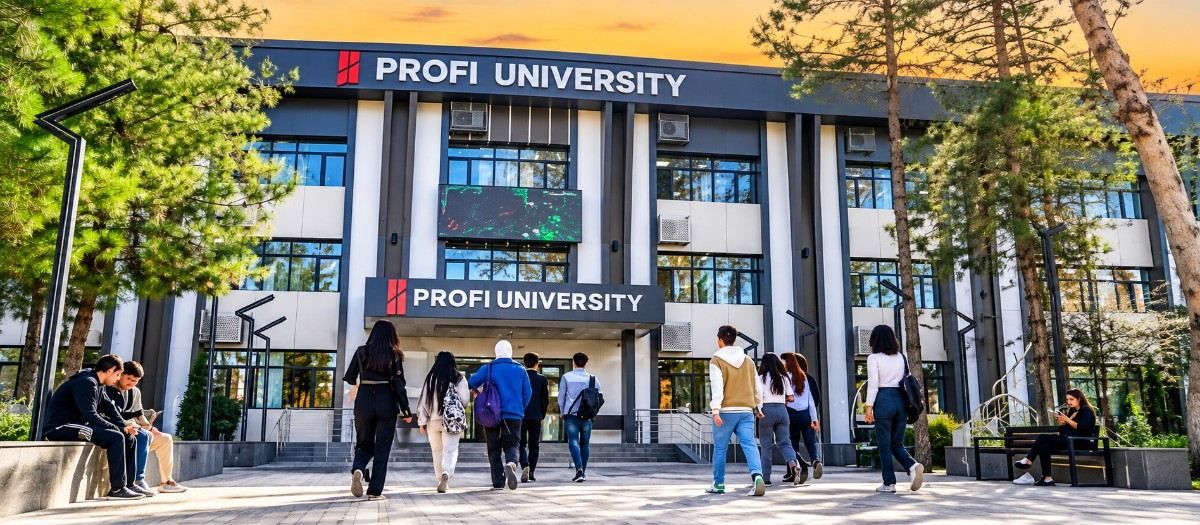
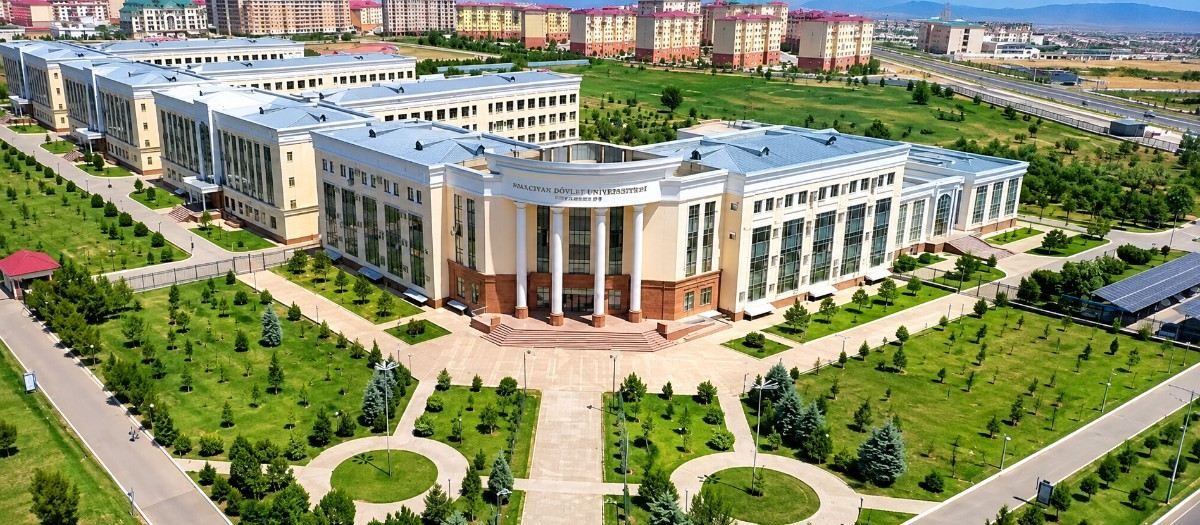
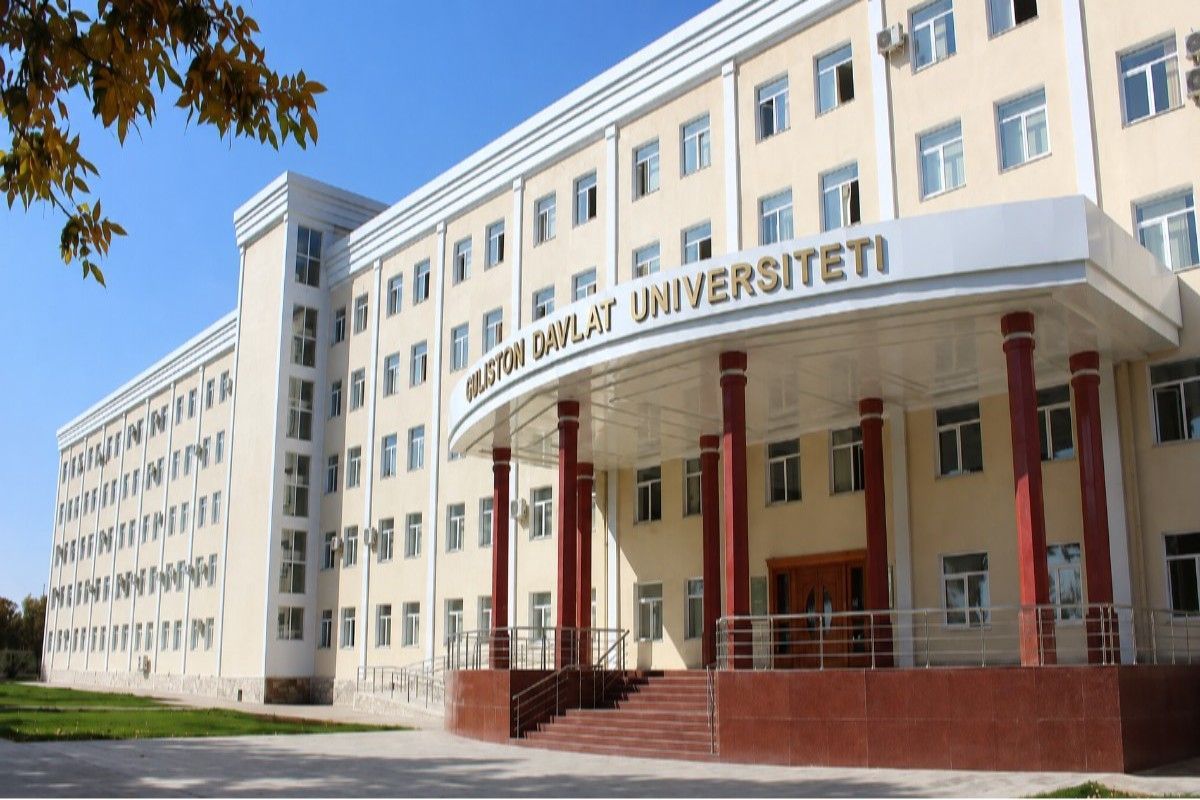
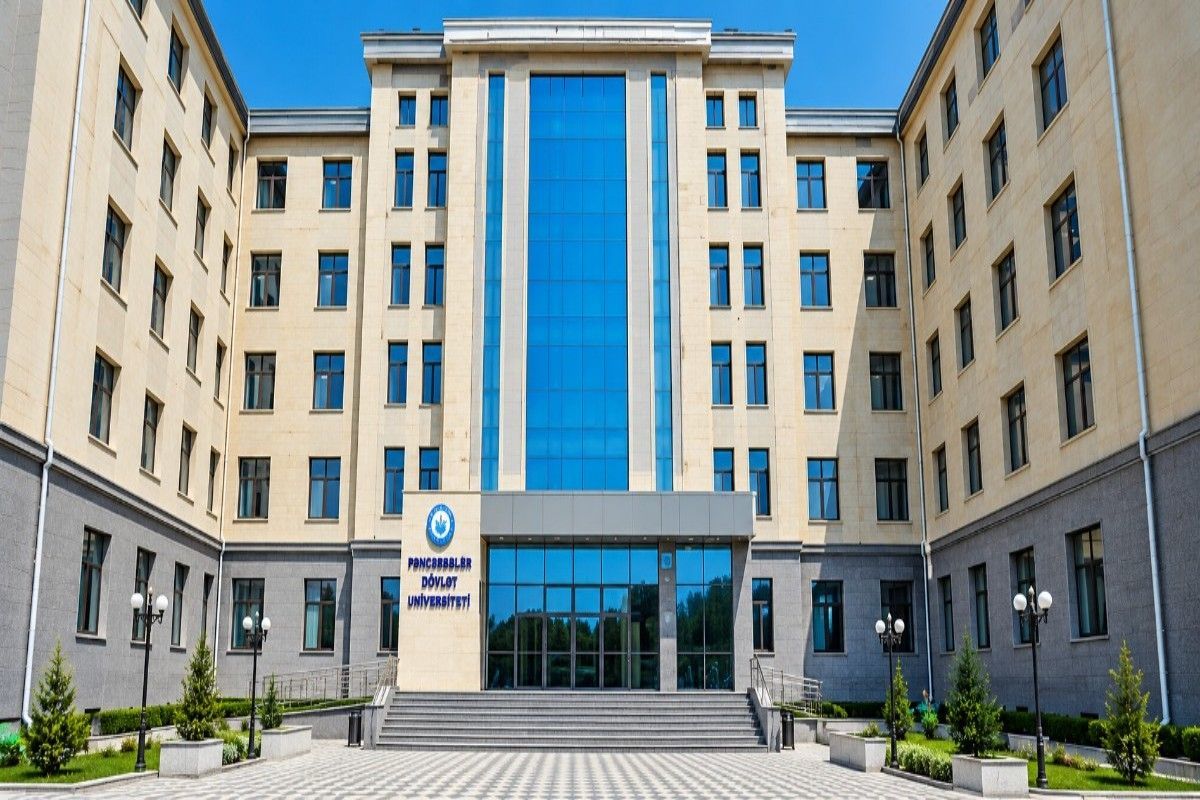
The Institute of Pharmaceutical Education and Research is a private higher education institution located in Tashkent, Uzbekistan. The institute focuses on pharmaceutical education, medical training, pharmaceutical research, laboratory sciences, and practical healthcare skills. It combines classroom learning with laboratory work, clinical practice, and industry-based training.
The institute is designed to prepare students for careers across medicine and pharmaceutical sciences. Its academic environment includes modern laboratories for physical-chemical analysis, pharmaco-toxicological analysis, microbiological analysis, and pharmaceutical formulation. These facilities allow students to develop practical skills using modern analytical methods and equipment.
The institute offers several undergraduate programmes. These include Treatment Work, Pharmacy, Industrial Pharmacy, and Medical Preventive Work. The Treatment Work programme is particularly relevant for students seeking medical training. It is a full-time bachelor's programme with a six-year duration.
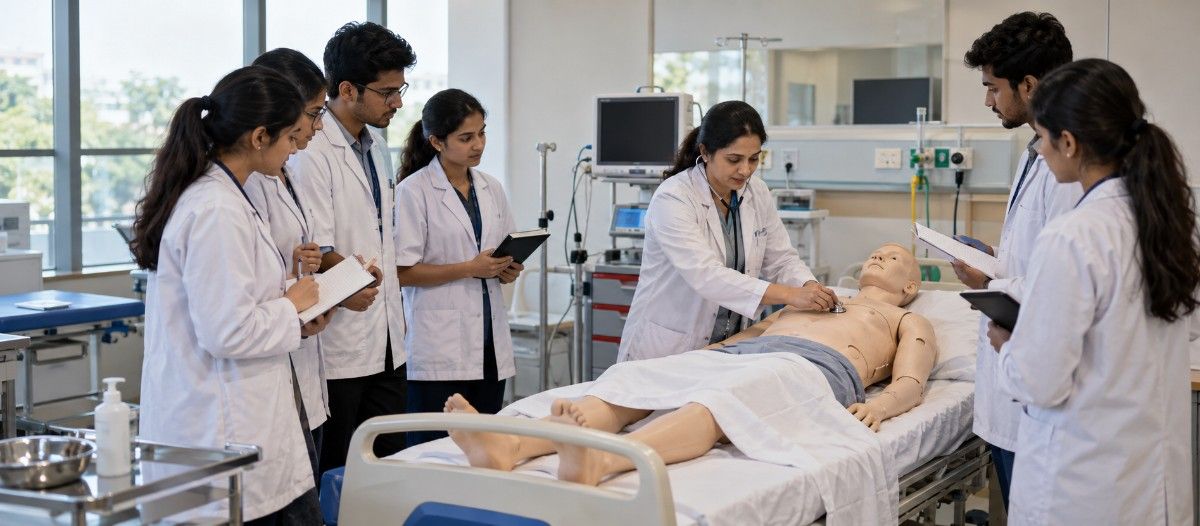
The Treatment Work programme is designed to train doctors according to the state educational standards of Uzbekistan. Students receive theoretical knowledge from qualified professors and develop practical skills through laboratory training, internships, and clinical experiences. The institute states that students can undertake practical training in private clinics, state hospitals, and medical centres.
The curriculum combines basic medical sciences with clinical subjects. Students progressively develop knowledge of human anatomy, physiology, biochemistry, pathology, microbiology, pharmacology, clinical medicine, public health, and related healthcare disciplines.
Practical training is an important part of the programme. Students can apply their classroom knowledge through laboratory sessions and supervised internships. These experiences help them develop clinical reasoning, communication, patient-care, and professional skills.
The institute also places emphasis on pharmaceutical sciences. Students studying pharmacy-related disciplines receive training in pharmaceutical technology, pharmacology, toxicology, microbiology, quality control, standardisation, pharmaceutical management, and related subjects.
Research is another important area at the institute. Its laboratories support scientific work involving pharmaceutical analysis, drug development, quality control, and related areas. The institute also participates in academic and scientific cooperation with international medical and pharmaceutical institutions.
Students benefit from interaction with experienced academic staff and professionals from the pharmaceutical and healthcare sectors. The institute also reports opportunities for practical training at accredited laboratories, pharmaceutical enterprises, pharmacies, and innovation centres.
The institute has a student dormitory, providing an accommodation option for students who require campus-based housing. It also offers institutional discounts and grants for eligible students.
The Treatment Work programme currently has an annual contract fee of 33,000,000 Uzbek soums and lasts six years. The institute's other undergraduate programmes have separate tuition rates.
Students completing the medical programme can pursue careers in private clinics, primary healthcare institutions, state medical organisations, and other healthcare settings. Graduates can also continue their education in narrower medical specialisations.
With its combination of medical education, pharmaceutical sciences, laboratory facilities, practical training, and industry connections, the Institute of Pharmaceutical Education and Research provides a specialised healthcare education environment in Tashkent.
No hidden charges, no donation. The full picture of costs at MBBS in Institute of Pharmaceutical Education and Research.
Tuition Fee
33,000,000 UZS per year
33,000,000 UZS/year
Hostel Fee
Approx. 6,000,000 UZS/year
USD 500 .INR Rs. 43,000
Food & Meals
Approx. 12,000,000 UZS/year
PER YEAR
Insurance
Approx. 1,500,000 UZS/year
PER YEAR
Donation
No Donation
No Hideen Fees
Total Estimated Cost
Approx. 52,500,000 UZS (USD 4,375 | Rs. 3.8 lakh)
6-year
25–35%
Average FMGE first-attempt pass rates for students from many overseas medical universities. Students from structured programs consistently score higher.
Students returning to India need to clear the FMGE/NExT exam. MBBS in Institute of Pharmaceutical Education and Research integrates exam-oriented coaching into the regular curriculum so students are prepared from day one.
A structured program that takes you from foundational sciences to clinical mastery.
These subjects help students understand how the human body works and how diseases affect different organs and systems. Students also develop basic laboratory and analytical skills through practical sessions.
Students study subjects such as anatomy, physiology, biochemistry, histology, microbiology, pathology, pharmacology, genetics, and other foundational medical sciences.
• The curriculum covers areas such as internal medicine, surgery, paediatrics, obstetrics and gynaecology, infectious diseases, neurology, psychiatry, emergency medicine, and other areas of clinical practice. • Students learn how to take patient histories, perform examinations, understand diagnostic findings, and develop appropriate treatment plans.
• Students gradually move from basic sciences into clinical subjects.
• Students also complete internships in private clinics, state hospitals, medical centres, analytical laboratories, and other healthcare settings. • These placements allow students to work with healthcare professionals and apply their academic knowledge to real situations.
• The institute gives students opportunities to develop practical skills in its modern laboratories.
• After completing the six-year programme, graduates can work in healthcare institutions or continue their education in a chosen medical specialty.
• They also prepare for professional practice and postgraduate specialisation.
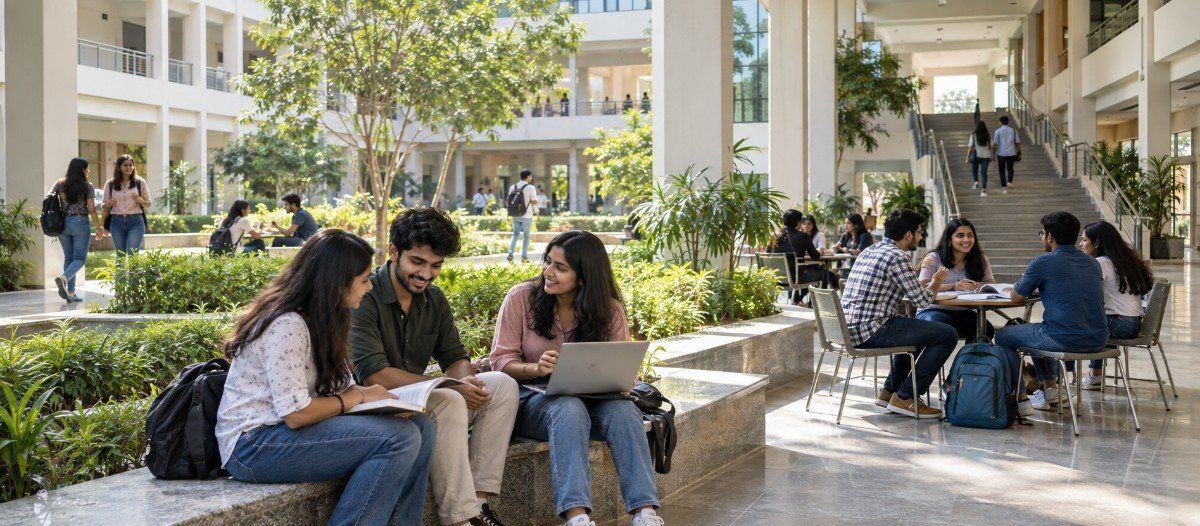
Furnished hostel rooms with Wi-Fi, laundry, 24/7 security, and Indian mess on or near campus.
Indian restaurants and mess facilities serving vegetarian and non-vegetarian home-style food daily.
Strong Indian community with cultural events, festival celebrations, and peer support groups.
Students get hands-on clinical training in government and private hospitals affiliated with the university.
Practical information for students planning to study at MBBS in Institute of Pharmaceutical Education and Research.
Prepare for all seasons. Thermal wear for winters, light clothing for summers. University provides heating in hostels.
Student visa processed with university invitation letter. Direct and connecting flights from major Indian cities.
Health insurance included in fees. Medical facility on campus plus city hospitals easily accessible.
Local SIM cards available. WhatsApp and video calls keep you connected with family back home.
Average monthly expenses of $150–$250 covering food, transport, and personal needs.
University library, online databases, and study groups. Seniors mentor juniors through academic challenges.
Our team guides you through every step — from application to arriving on campus.
Filter by current NMC advisory status first, then fees, city, and FMGE track record, immediately after the NEET result (May–June).
Mark sheets, NEET scorecard, and passport scans are submitted online (June–July), taking roughly 1–2 weeks.
The university checks eligibility and issues the admission/invitation letter, typically within 1–3 weeks.
Year 1 tuition and hostel fee are paid in USD, typically before visa processing begins.
Filed with the invitation letter, passport, and photographs; realistic processing time is 2–4 weeks (July–August).
Winter clothing, document folder, travel/health insurance, and confirmed airport-pickup arrangements finalized directly with the university’s international office in the final weeks before departure.
Travel to Uzbekistan (direct Delhi–Tashkent flight, 3–3.5 hours), airport pickup, and onward travel to the university city, by Afrosiyob high-speed train for Samarkand/Bukhara, or road transfer for Fergana Valley cities, followed by hostel check-in, timed to the intake date (August–September for the main intake, January–February for the smaller spring intake at select universities).
Residence permit and local registration with local authorities completed within the first week of arrival, alongside local SIM registration.
Admission Helpline — Contact our counsellors for step-by-step assistance.
“The faculty here is incredibly supportive. The clinical training during hospital rotations has given me real confidence in patient care.”
“Affordable fees without compromising on quality. The campus facilities and hostel life made my transition abroad very smooth.”
“English medium instruction and WHO-recognized curriculum were the deciding factors for me. No regrets so far — excellent experience overall.”
“The university helped with everything from visa to accommodation. Hospital exposure from year three has been invaluable for my FMGE prep.”
“Just cleared my licensing exam on the first attempt. The structured coaching and mock exams during final year were a game-changer.”
“Safe campus, good food options, and a strong Indian student community. The teaching methodology is very practical and hands-on.”
A: Yes. The institute operates as a private higher education institution in Tashkent.
A: The programme takes 6 years of full-time study.
A: Students receive a bachelor's degree after completing the Treatment Work programme.
A: The institute lists chemistry, biology, and Uzbek language and literature among the entrance examination subjects.
A: Students can complete internships in private clinics, state hospitals, medical centres, laboratories, and other healthcare facilities.
A: Yes. Students can use laboratories for physical-chemical, microbiological, pharmaco-toxicological, and dosage-form analysis.
A: Yes. The institute provides a student dormitory. Students should confirm current room availability and fees before enrolment.
A: Yes. Graduates can continue their education in narrower medical specialties.
A: The institute currently lists 33,000,000 UZS per academic year for the Treatment Work programme.
A: International applicants can explore admission to the institute, but they should confirm the current admission procedure, documents, language requirements, and entrance examination rules before applying.
Our expert counsellors will guide you through the complete admission process — from documents to airport pickup.