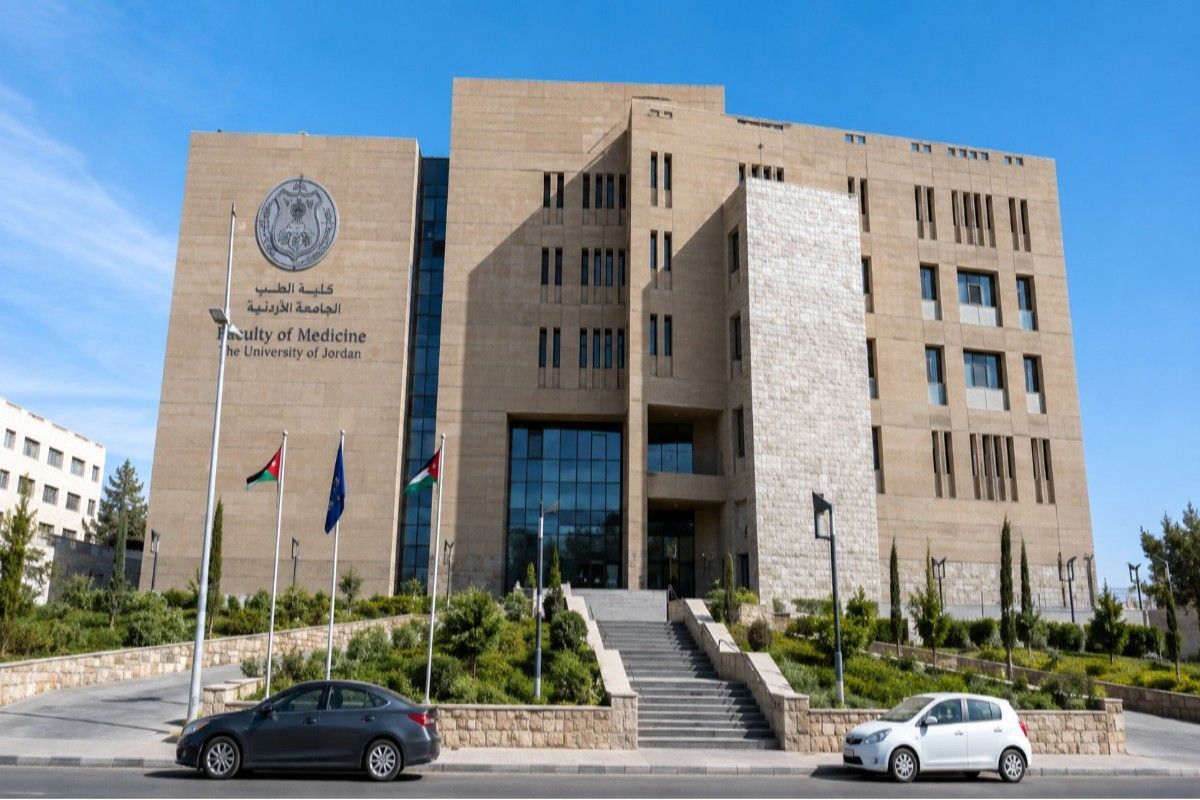
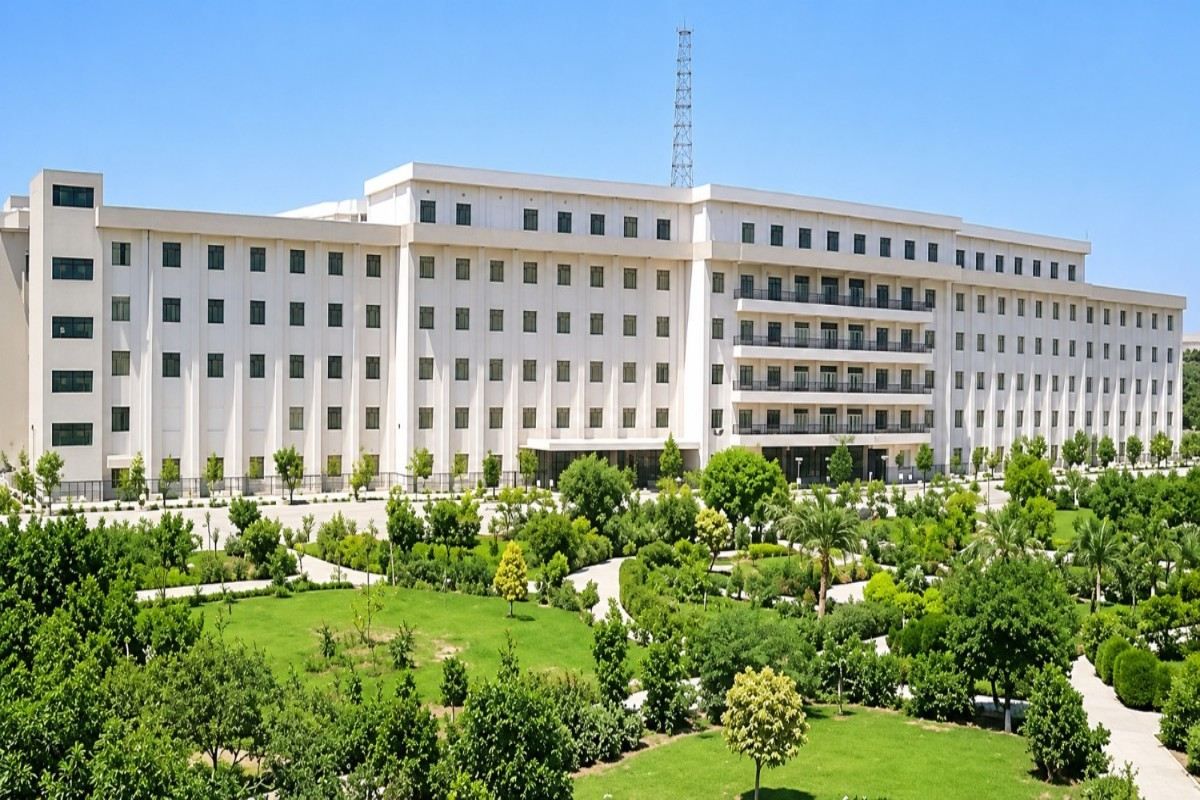
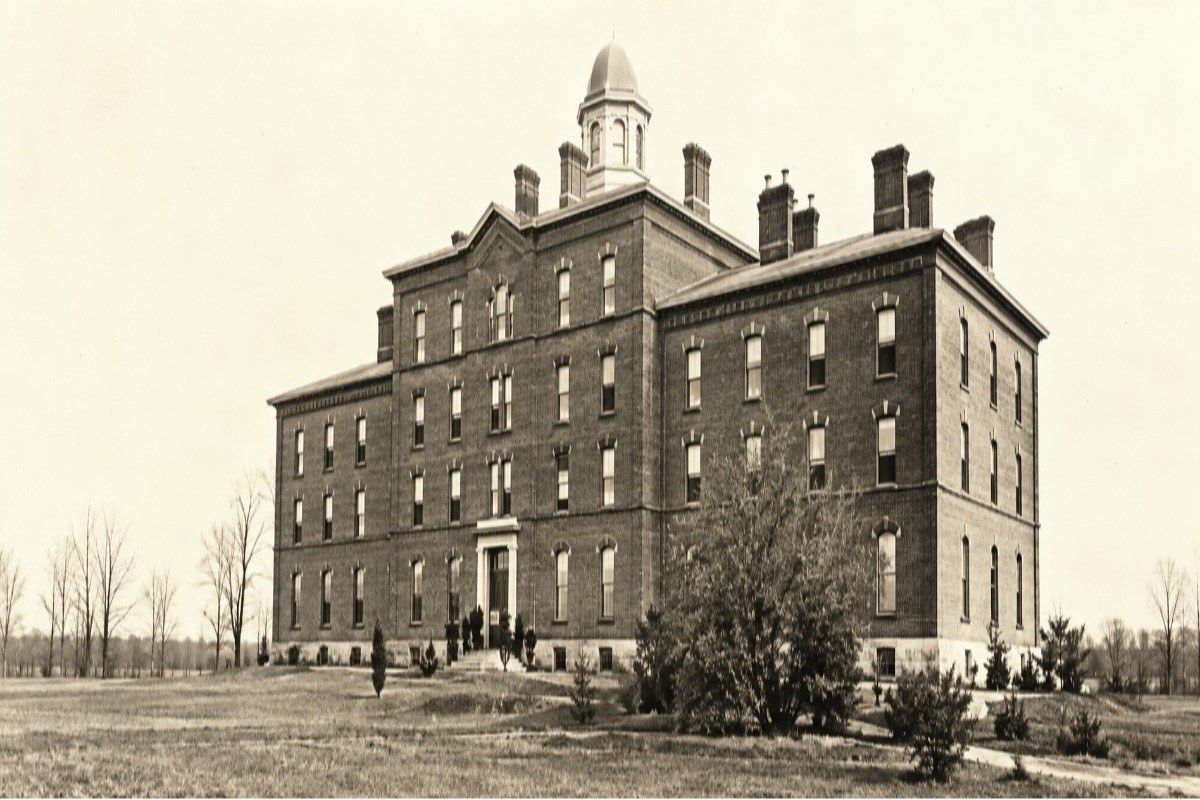
AASTMT College of Medicine is currently the newest medical school in Egypt. The first intake was accepted in September 2021 after more than ten years of training physicians from other Egyptian medical colleges like Ain Shams, Alexandria and even newer public Egyptian medical colleges. Consultancy brochures listing "AASTMT" in a category where Cairo University and Alexandria University also appear tend to overlook this detail. Neither AASTMT itself is actually a conventional Egyptian public university; it is actually a specialized regional institute established in 1972 as a specialized institute to train merchant-marine officers in Alexandria. Medicine was added to AASTMT's list of colleges many years later along with pharmacy, dentistry and Artificial Intelligence.
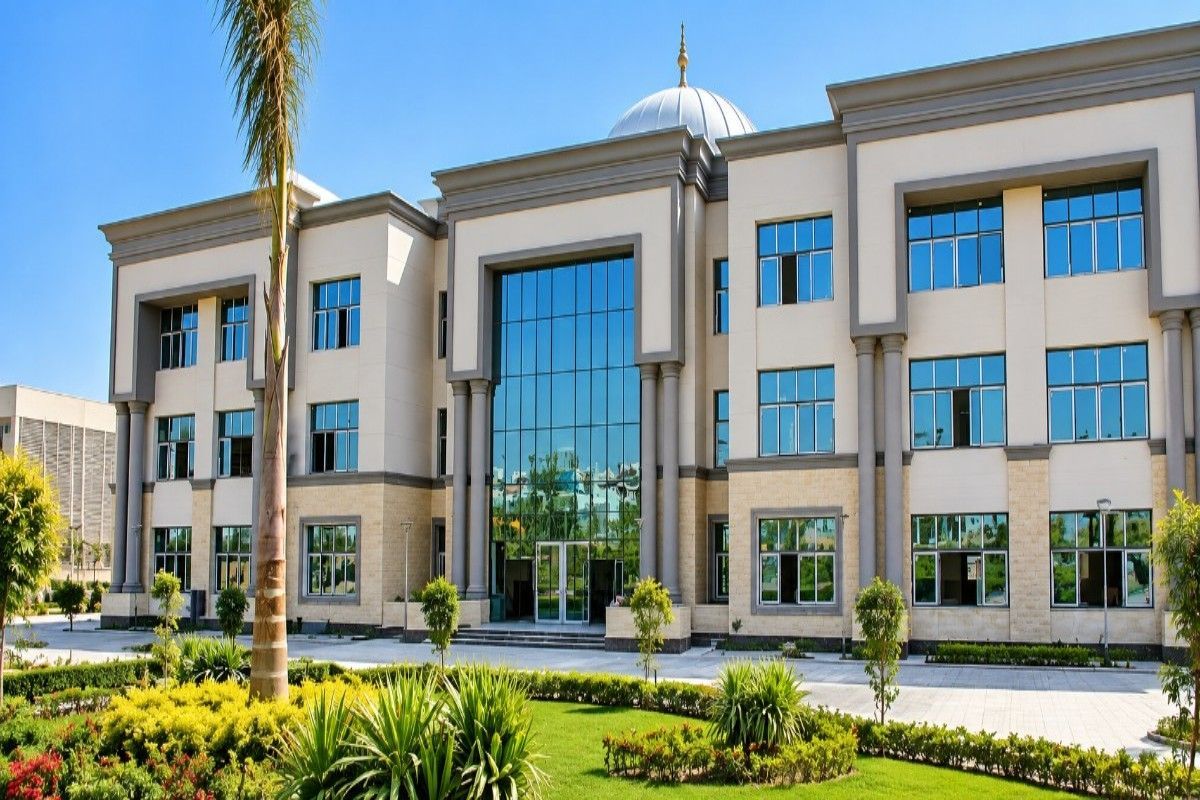
AASTMT medical college is not located either in Cairo or Alexandria; it is based in a specially designed campus in New El Alamein city, which is a planned coastal city situated on the shores of Mediterranean Sea about 140 km west of Alexandria and is part of Egypt's newer-cities development program. AASTMT calls its campus in this city "Smart Campus". So not only the students will be studying in this new college but also living in the new city.MD
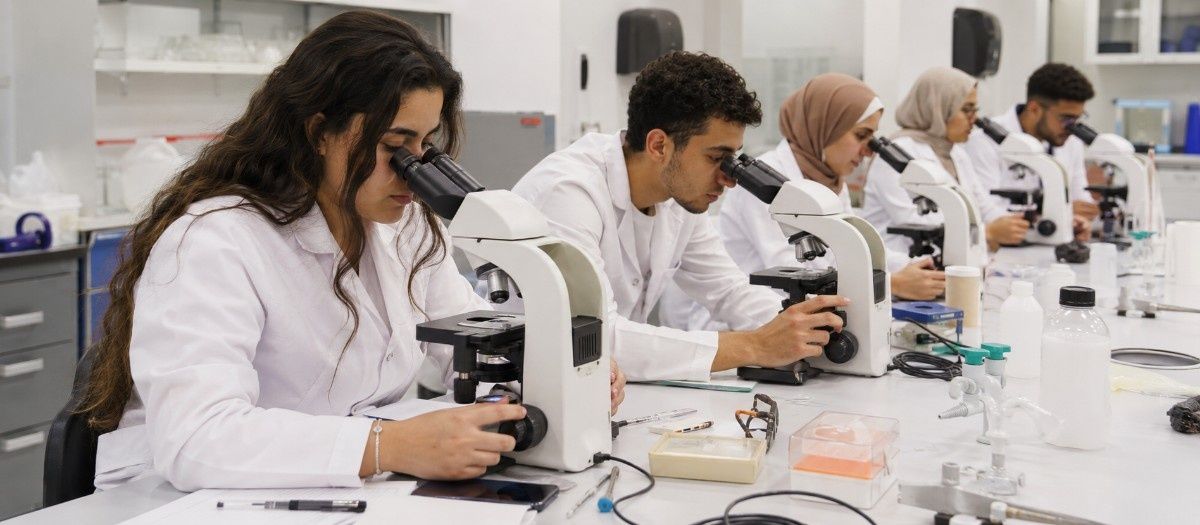
The academic program takes five years divided into two stages. In Phase One that lasts two years, integrated Body Systems curriculum with Problem-Based Learning is taught. In Phase Two that takes the following three years, Case-Based Learning is introduced with clinical courses starting to be included into the program. Two more years of compulsory internship are needed after the program completion to obtain practice license, making the entire program seven years long. Regarding facilities, simulation learning plays a big role here: there is a Skill Lab and a virtual hospital, virtual anatomy teaching and access to Elsevier Virtual Anatomy software rather than using cadavers for anatomy.
The obvious question is why would anybody choose such a young school that has not produced any graduates at all yet while its teaching hospital is not even completed yet. There are two arguments in favor of the decision. The first is financial considerations, as the tuition fee is between USD 9,200 and 10,200 per year, making it cheaper than some established private universities in Egypt. The second is that in order to avoid waiting period, the college has signed a clinical training agreement with Alexandria University Faculty of Medicine, an institution that trains doctors since the 1940s, so the ward rotation will be done in an established teaching hospital rather than a new one. The college has also announced exchange programs with the University of Liverpool and Northwestern University in the US. But the details of these exchange programs should be clarified before relying on them.
This is no substitute for a proven record and one needs to say clearly that the medical college is included into the World Directory of Medical Schools and accredited by Egypt's own quality-assurance body, but the fact that the first intake is passing through the clinical and internship years means that there is no FMGE/NExT pass rate for this college as there is for Cairo, Alexandria and Ain Shams Colleges of Medicine, which have been training Indian graduates for decades. Choosing this college means believing in paperwork and partner hospital rather than in return-to-India pipeline.
New El Alamein is quieter than Cairo and Alexandria, has a mild Mediterranean climate and is cheaper to live in than these cities, but it lacks the well-established infrastructure of Indian students' life, accommodation, food services, social network, informal exam preparation groups that exist in Egypt's established MBBS centers.